Dogs | Lifestyle
The Best Rural Dog Breeds for Farm Life in Australia
Living in the Aussie countryside is a dream for many of us, but it comes with its own quirks. When it comes to finding the best rural dog breeds Australia has to offer, you’ll want a pup that can handle wide open spaces, variable weather, and the occasional wildlife encounter. From hardy working dogs that can muster cattle under the scorching sun to lovable family companions happy to roam the paddocks, there’s a breed suited to every kind of country life.
The Upshot
Match the breed to your land — herder, guardian, or family — and rural life works.
Working breeds like Kelpies and Heelers need a job or they’ll invent one. Guardian breeds like Maremmas suit livestock properties. Easygoing Goldens fit family-focused farms. Add sunscreen for short-coated dogs, a satellite GPS for paddock roamers, and year-round tick prevention — that’s the rural-dog kit sorted.
Best Sunscreen for Dogs
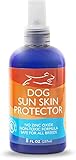
EBPP Dog Sun Skin Protector Spray
- Zinc-free, pet-safe formula
- Moisturises with shea and coconut
- Frequent top-ups in strong UV
See the full Product Guide: Best Dog Sunscreen in Australia
Best Rural GPS Tracker

Aorkuler Outdoor Satellite GPS Dog Tracker
- Works off-grid, no SIM needed
- Real-time GPS over several km
- Needs separate receiver unit
See the full Product Guide: Dog GPS Trackers with No Subscription

Why does choosing the right dog matter so much for Aussies in the bush? For starters, dogs are part of the family here — with almost half of Australian households owning a dog, it’s clear we love our furry mates. But a sedate apartment pooch might struggle on a farm, and a high-octane cattle dog could go stir-crazy in a tiny yard.
In this guide, we’ll break down what to look for in a rural dog, spotlight a few top breeds (big and small, working and companion alike), and share tips on keeping your four-legged friend healthy and happy out in the sticks. Let’s get you and your future doggo set for success on the land!
Quick Takeaways
The five things worth remembering. Scroll across to read all five.
Space and energy
Rural dogs often have boundless energy. Working breeds like Kelpies and Border Collies thrive on acreage — they need daily exercise or a job, or they’ll invent one (which might involve herding your kids).
Climate matters
Australia’s climate can be extreme. Opt for breeds that cope with heat — shorter coats or heat-tolerant builds work best. Cooling mats and cooling vests help thick-coated breeds through summer scorchers.
Family fit
Many of the best country dogs double as great family pets. Golden Retrievers are famously gentle with kids; Aussie Cattle Dogs are loyal (though their heeler instincts mean they might nip when excited).
Channel the instincts
A bored rural dog is a menace. Herders chase, guardians guard, terriers hunt. Channel those instincts with training, routines, or tasks — a Kelpie joins trail rides; a terrier earns its keep keeping rodent numbers down.
Budget for the size
Bigger property, bigger dog? Large or active breeds come with higher ongoing costs. Quality food, vet check-ups, vaccinations, parasite prevention — even a tough farm dog still deserves top-notch care.
What makes a good rural dog breed?
Be sure you are aware of the signs of heat stress in dogs, and choose breeds that handle heat well — for instance, short-coated or lighter-built dogs often cope better running around in the sun. If you fancy a breed with a thick coat (say a fluffy sheepdog), be prepared to help them out in hot weather.
Size is another factor: larger dogs can roam further and may intimidate predators (like wild pigs or stray dogs) from your property, but smaller dogs can thrive too, especially if they have a job (our little terrier friends excel at catching mice and snakes).
Ultimately, the best rural breeds tend to be healthy, active, and have a strong drive — whether that drive is to herd, hunt or just hang by your side. When you line up a breed’s natural traits with what you need on your property, you’re set for a rewarding partnership.
Match the dog’s instincts to your lifestyle — herding, guarding, or easygoing family — and you’re set for a rewarding rural partnership.
Best rural dog breeds Australia for country living
From the iconic working dogs that built our pastoral industry to the family-friendly companions that earn their keep around the homestead, here are six breeds that consistently thrive in Aussie rural life:
| Breed | Key traits |
|---|---|
| Australian Cattle Dog (Blue Heeler) | Tough, high-energy herder; extremely loyal to their owners and excellent with cattle. Bred for farm work — they’ll happily round up stock all day — but needs firm training and socialisation (heelers have a habit of nipping in play or if unstimulated). Generally healthy and hardy, with a short coat suited to Aussie heat. |
| Australian Kelpie | Intelligent, tireless working dog; thrives on farm tasks and will run until the sun goes down. Kelpies bond closely with active owners and can be loving family pets if given plenty of exercise and mental stimulation. Expect a mischievous streak — without a job or playtime, a bored Kelpie might start herding the local wildlife or chewing what they shouldn’t! |
| Border Collie | Exceptionally smart and agile; a champion sheep herder and also a gentle soul with family. Border Collies are eager to please and highly trainable — great for obedience or agility activities. That keen mind means they crave constant stimulation: in a rural setting they’ll chase anything that moves if not taught otherwise. With a medium-length coat, they handle cooler climates well, but you’ll need to watch them in the summer heat and keep up with grooming. |
| Golden Retriever | Friendly, easygoing, and adaptable; Goldens aren’t herders but make fantastic family dogs on rural properties. They love water (don’t be surprised if yours splashes in every dam or creek) and have the endurance for long walks around the farm. Big tick for gentleness and loyalty — they’ll stick with the kids and greet visitors with a wag. Just keep an eye on their coat in warmer regions (lots of brushing, and provide cool shade) and their appetite — this breed never says no to a snack! |
| Jack Russell Terrier | Small dog, big personality. Jack Russells are fearless little hunters — superb for keeping rats out of the shed and even chasing off snakes. They pack endless energy in a compact frame and can thrive on a farm as long as they have adventures (and secure fencing, because that prey drive can lead them wandering). With family, they’re playful clowns, though you’ll need to supervise around young kids due to the terrier feistiness. Sturdy and low-maintenance coat, but watch those daring escapades — this breed doesn’t shy away from trouble! |
| Maremma Sheepdog | Large livestock guardian; calm, independent, and watchful. Originally from Italy but well-established in Australia for protecting sheep, goats, or even free-range chickens from foxes and wild dogs. A Maremma isn’t your fetch-and-frolic type of dog — their loyalty is to their flock (which can include your family, whom they’ll protect devotedly). They prefer to patrol and will bark to deter intruders, so they suit owners who truly need a working guard dog. Early socialisation is a must to ensure they accept visitors, and their thick white coat means regular grooming and plenty of water in the warmer months. |
Caring for your country canine
Health and safety are another big piece of the puzzle. Even if you’re miles from the nearest town, your pup still requires the same routine care as any other dog — that means a balanced diet, annual vet check-ups and vaccinations, and year-round parasite prevention (yes, ticks and fleas are out there in the bush too!). Vet-recommended monthly preventatives like NexGard Spectra (pictured) cover ticks, fleas and intestinal worms in one chew — particularly important on Australia’s east coast where paralysis ticks can kill within days.
Owning a dog in a rural area might feel more laid-back than city life, but responsible care is just as important. Training and socialisation should start early — a working-bred pup without guidance can turn into a naughty adult. Make sure your dog knows basic commands and boundaries around livestock, wildlife, and roads. Mental stimulation is golden: teach tricks, play fetch, hide treats, or even let them tag along for daily farm chores. A busy dog is a happy dog, especially for those high-drive breeds. Particularly for those brainiac breeds, have a look at our pick for top interactive dog toy — this Outward Hound Dog Brick Interactive Treat Puzzle (or see all of our top picks for interactive toys here).
FAQ
Are working breeds like Kelpies or Heelers good with kids?
They certainly can be. In fact, many farm families will tell you their Kelpie or Heeler is a gentle, protective shadow for the children. These breeds are loyal and form strong bonds with “their” people. However, remember that herding dogs may try to herd running kids by nipping at heels (it’s instinct, not aggression). The key is training and socialisation: teach them early on that kids are playmates, not livestock, and supervise interactions, especially with young toddlers. Also, give your working dog plenty of exercise and mental stimulation — a tired, happy Kelpie is far less likely to resort to rounding up the mini-humans at home. With guidance, these dogs often become beloved family members who are as content playing fetch with the kids as they are mustering sheep.
How can I protect my dog from snakes on our property?
Snakes are a fact of rural life in Australia, so it’s smart to be proactive. First, keep your yard and around the house clear of long grass, rubbish piles, and wood stacks — less hidey-holes means fewer snakes close to home. Some owners install a snake-proof fence around a dog’s enclosure or play area, which can physically keep snakes out. When you’re out walking near bush or water, especially in summer, use a leash and steer your pup away from thick scrub. Train a solid recall so that if you see your dog nosing at something suspicious, you can call them back fast. You might also look into snake avoidance training classes offered in some areas. In peak snake season, it’s not a bad idea to have your dog wear a collar with identification at all times — if, heaven forbid, a bite happens and they dash off disoriented, you want to be reunited quickly. And of course, know the emergency vet number and keep a snakebite kit handy. Prevention and vigilance go a long way in snake country.
How do I prevent tick paralysis in my dog?
Paralysis ticks are a deadly danger in many parts of Australia’s east coast, and rural dogs often roam in tick habitat (bushland and long grass). To prevent tick paralysis, use a vet-recommended tick preventative religiously — this could be a spot-on treatment, chewable tablet, or tick collar, depending on what your vet suggests. During tick season (typically spring and summer, but can be year-round in warm climates), avoid known tick hot-spots if you can, and do daily tick checks on your dog’s coat. Run your fingers through their fur, especially around the head, neck, and belly, to feel for any lumps or little critters latched on. If you find a tick, remove it promptly and carefully (your vet or vet nurse can show you the safest technique, or use a tick removal tool). Keeping grass and shrubs trimmed short in the areas your dog frequents can also reduce tick hangouts on your property. In short, a combination of preventive products and good old-fashioned vigilance is the best way to keep your pup safe from ticks.
Should I fence my rural property for my dog?
Ideally, yes — at least a portion of it. While one of the joys of country living is giving your dog more freedom to explore, completely unchecked roaming isn’t safe. Even in the bush, there are roads, neighbors’ livestock, or wild animals that could spell trouble. A secure fenced yard or dog run ensures your pup stays close to home when unsupervised. It doesn’t need to enclose your entire acreage; just create a big safe zone around the house or wherever you’re comfortable. This way, your dog can spend time outside without constantly needing eyes on them. It also helps with training — dogs quickly learn where they can and can’t go. If traditional fencing is too expensive over large areas, consider boundary training with flags or an “invisible fence” system (though the latter requires training and isn’t foolproof if a dog’s drive to chase is high). The goal is to prevent your canine mate from wandering off and getting lost, injured, or into mischief. With a bit of planning, you can strike a balance: your dog enjoys the rural freedom, and you enjoy peace of mind knowing they’re safe on your property.
Final thoughts
Finding the perfect dog for country life is about matching a breed’s traits to your daily routine and needs. Australia’s rural landscape offers dogs a terrific playground — and they offer us loyal companionship, protection, and plenty of laughs (nothing like watching Bruce the Golden hitch a ride on the quad bike!).
Whether you choose a renowned working breed or a laid-back family friend, give them the training, care, and love they deserve. The rewards? A happy, tail-wagging mate by your side through thick and thin. At the end of the day, the best rural dog breeds for you are the ones that are a part of your family and lifestyle. Here’s to many years of farm adventures and paw prints on the front porch!
We Think You’ll Also Like These Guides
 DOG
DOGBest Breeds for First-Time Dog Owners in Australia: Your Ultimate Guide
Your first dog should set you up to succeed. These forgiving, easygoing breeds suit new owners and Australian life.

 DOG
DOGBest Child-Friendly Dogs in Australia: Ultimate Guide and How-to
The right family dog is patient, gentle and unflappable around kids. Here are the breeds that fit busy households best.
 DOG
DOGHow to Choose the Best Dog Breeds for Apartments in Australia
Small flat, big personality? Plenty of dogs thrive in apartments. Here's how to choose one that suits the space and your lifestyle.