Dogs | Health | Lifestyle
Best Flea and Tick Treatment for Dogs in Australia: Ultimate Guide
Australia has over 70 species of ticks, including paralysis ticks that can kill a dog in days — and fleas don’t take winters off either, breeding happily year-round in much of the country. One walk through bushland, a weekend near the coast, even a warm suburban backyard, and suddenly your dog’s scratching nonstop or you’re finding bite marks where there weren’t any yesterday. That’s why choosing the best flea and tick treatment for dogs in Australia isn’t a nice-to-have — it’s basic dog ownership here (Australians spend $1 billion on flea and tick treatments), whether you’ve got an active working breed or a laid-back lap dog. In our climate, parasites aren’t seasonal — they’re a constant.
Best Overall

NexGard Spectra Dogs Chewable
- Fleas, ticks & worms in one chew
- Beef flavour dogs love
- No tick repellency
Best All-in-one
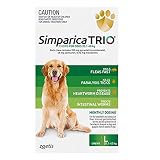
Simparica Trio
- Fleas, ticks, heartworm & worms
- Fast flea knockdown
- Vet check needed before starting
Best Collar

Advantage Seresto Collar
- Up to 8 months of protection
- Repels ticks on contact
- No worm coverage
Best Budget

Frontline Plus for Large Dogs
- Most affordable option
- Easy spot-on application
- Short tick protection window

We compared monthly chews, spot-ons and long-lasting collars to find four flea and tick products that genuinely earn their place in an Australian dog’s routine. Parasites aren’t just itchy annoyances — they can pose serious health risks if left unchecked. Each was assessed on effectiveness against paralysis ticks, ease-of-use, swimming and bath tolerance, and ongoing cost. Below: what to weigh up before buying, a coverage comparison so you can see what each product actually covers, and full notes on every pick.
What to look for in a flea and tick treatment
The five things that decide whether a treatment works for your dog and your routine. Scroll across to read all five.
Match weight and age
Every product is dosed by weight and has a minimum age — usually 7-8 weeks. Buying the wrong size band underdoses your dog or overshoots a puppy. Check the packet against your dog’s current weight, not last year’s.
Pick a format
Chews, collars and spot-ons each suit different routines. Chews are fuss-free but don’t repel ticks. Collars are set-and-forget but only handle external parasites. Spot-ons are cheap but can wash off on beach dogs.
Tick zone matters
Paralysis ticks dominate the east coast, especially Queensland and NSW. If you’re in tick country, prioritise products with proven paralysis-tick coverage. Cooler southern zones get more flexibility but should still keep year-round prevention going.
Add wormer separately
Collars and most spot-ons only cover fleas and ticks. You still need a separate all-wormer tablet every three months and heartworm prevention monthly or yearly. All-in-one chews cover more, but some still skip tapeworm.
Pick what you’ll remember
The best treatment is the one you’ll actually give on time. If monthly chews defeat you, a collar is a smarter buy than a chew you forget. Consistency beats perfection — set a calendar reminder either way.
At a glance
Our top four picks compared — coverage, format, price and our one-line take on each.
| Rank | Product | Best for | Coverage | Approx. price | Check price link |
|---|---|---|---|---|---|
| Best Overall |  | Owners wanting one-and-done parasite cover | Fleas, paralysis ticks, mites, heartworm and most intestinal worms (no tapeworm). | ~$80-90 AUD (6-pack) | Check price |
| Best All-in-one |  | Starting a heartworm program from scratch | Fleas, paralysis ticks, heartworm and most intestinal worms (no whipworm or tapeworm). | ~$85-95 AUD (6-pack) | Check price |
| Best Collar |  | Owners who forget monthly doses; swim dogs | Fleas and ticks only (paralysis ticks ~4 months; fleas up to 8 months). No worm cover. | ~$50-60 AUD (1 collar) | Check price |
| Best Budget |  | Budget-conscious owners outside heavy tick zones | Fleas (incl. eggs and larvae) and brown dog ticks monthly; paralysis ticks ~2 weeks. No worm cover. | ~$60-70 AUD (6-pack) | Check price |
Our picks in detail
What we love, what to watch out for, and who each pick really suits.
Best Overall: NexGard Spectra Dogs Chewable
Bottom line — the broadest one-chew parasite cover in Australia, worth the premium if you’re done juggling separate flea, tick and worm products.
NexGard Spectra is pretty much the gold standard now. This monthly beef-flavoured chew covers fleas, ticks, mites, heartworm and most intestinal worms — the closest thing to a one-and-done parasite plan you’ll find in Australia. The chew goes down like a treat, even with fussy fosters, which means no wrestling oily spot-ons or rinsing residue off the dog every month.
The flea life-cycle breaks fast — scratching usually stops within a day — and paralysis tick cover holds the full month. The two trade-offs are honest: it’s one of the priciest options on the shelf, and ticks need to bite for the medication to work, so daily tick checks in bushland still apply. The simplest workaround is a calendar reminder so doses don’t lapse. For dogs that go anywhere near long grass, the broad coverage and easy delivery make Spectra hard to beat at the price. Pepper takes it without noticing, which after years of fostering hounds is rarer than you’d think.
| What we love | Areas for improvement |
|---|---|
|
|
Best All-in-one: Simparica Trio
Bottom line — pick Trio over Spectra if you want to start a heartworm program from scratch in a single product; otherwise the two are effectively tied.
Simparica Trio is the other heavyweight in the all-in-one chew category. It covers the same ground as Spectra — fleas, ticks (paralysis included), heartworm and the main intestinal worms — through a different combo of active ingredients. The chew is liver-flavoured and Trio is happy to be given alongside food, which can help if your dog gets fussy on an empty stomach. These two products tend to swap top spot depending on whose lab data you’re reading.
In day-to-day use I can’t pick a meaningful difference between Trio and Spectra — both knock out fleas fast, both need monthly dosing, and neither repels ticks (so the bushland tick check still happens after every walk). The one wrinkle worth flagging is that Trio includes a heartworm ingredient, so your dog needs a heartworm test before they start it. The cost sits right alongside Spectra, which is to say not cheap, but the convenience of a single chew is hard to argue with.
| What we love | Areas for improvement |
|---|---|
|
|
Best Collar: Advantage Seresto
Bottom line — set-and-forget the chemistry, but still pair it with a worming program; Seresto only handles fleas and ticks.
If you’re the kind of owner who forgets monthly doses, the Seresto collar is a different category. Clip it on at the start of tick season and it quietly does its job for up to eight months — no calendar reminders, no spit-out tablets. The active ingredients (imidacloprid and flumethrin) release in tiny doses through the dog’s skin and coat, killing fleas on contact and actively repelling ticks rather than waiting for a bite.
The collar is lightweight, water-resistant and has a safety release if it ever snags — important if your dog scrambles through fences. The downsides are real but limited: some dogs get mild skin irritation under the band, the collar has to stay on 24/7 (lose it in the yard and you’re replacing it), and it only handles fleas and ticks — heartworm and intestinal worms still need their own treatment. For low-maintenance year-round flea-and-tick cover, nothing else is even close.
| What we love | Areas for improvement |
|---|---|
|
|
Best Budget: Frontline Plus for Large Dogs
Bottom line — the right pick when budget matters and you’re outside heavy paralysis tick zones; pair it with a wormer and you’re set.
Frontline Plus has been around forever and remains a reliable budget pick. It’s a monthly spot-on liquid — you snap the top off a pipette and apply it to the back of your dog’s neck. The medication spreads through the skin and coat, killing adult fleas fast and stopping flea eggs and larvae from developing. It also covers brown dog ticks for a full month.
Paralysis ticks are the catch: in paralysis tick country (most of the east coast), Frontline Plus needs reapplication every fortnight rather than monthly to stay effective, which closes the cost gap with the premium chews. It also leaves a greasy spot on the fur for a day or two after application, and it doesn’t touch heartworm or intestinal worms — both need their own treatment. If you’re cost-conscious, your dog isn’t a beach-goer, and you live somewhere paralysis ticks aren’t a daily concern, it does the job for less.
| What we love | Areas for improvement |
|---|---|
|
|
FAQ
Do I need to treat my dog for fleas and ticks all year round?
Are natural or homemade flea treatments effective?
Can I combine different flea and tick products for extra protection?
What’s the right age to start flea and tick treatments on a puppy?
If I use a flea-only or tick-only product, do I need separate worm medication?
Final thoughts
The best flea and tick product is the one that fits your dog and your routine — and that you’ll actually give on time, every time. Every dog is different: your pup might thrive on a monthly chew, or do better with a collar or a topical. Pick the format you can stick with, and use it exactly as directed (and for the right species — I keep Kiwi the budgie well away from Pepper’s tick treatments).
Don’t skimp on prevention, especially in Australia where a single paralysis tick can cause huge grief — and the exposure ramps up fast for many dog breeds in a rural setting. Pair whichever product you choose with a thorough pat-down after bushwalks and beach trips, and you’ll be a long way ahead of the pests. Pepper’s been on Spectra for years now and we’ve avoided the worst of it — that consistency is the actual product, the chew is just the delivery method.
We Think You’ll Also Like These Guides
 DOG
DOGDog Allergies in Australia: How to Spot Symptoms and Choose the Right Treatment
Itching, licking and ear trouble often mean allergies. Here's how to spot the signs and find the right treatment for your dog.

 DOG
DOGIs my Dog Depressed? Complete Owners Guide to Understanding Dog Depression in 2026
Flat, withdrawn, off their food — dogs feel low too. Learn the signs of canine depression and how to help your dog bounce back.
 DOG
DOGBest Joint Supplements for Dogs in Australia: Ultimate Guide
Stiff mornings and slowing down aren't just old age. We found the joint supplements with the evidence to keep dogs moving.
