Dogs | Lifestyle
Best Child-Friendly Dogs in Australia: Ultimate Guide and How-to
Australia is full of dog-loving families, and finding the right pup for your kids is a big deal. When it comes to child-friendly dogs in Australia, the ideal breed will be gentle with little ones yet hardy enough for our active outdoor lifestyle. From playing at the beach to lounging in the backyard, a great family dog fits right in with the Aussie way of life (just ask Bruce the Golden, who’s happiest chasing the hose on a summer arvo). This guide breaks down the top family-friendly breeds, what to consider before bringing a dog home, and how to make the introduction smooth.
The Upshot
The right family dog isn’t about breed — it’s about temperament and training.
A calm, patient dog with clear boundaries will always be safer around children than a popular breed without structure. Match energy levels to your actual household, supervise every interaction with young kids, and budget for the long haul — the costs and commitment don’t ease up after the first year.
Best Flying Disc Toy

KONG Flyer Dog Frisbee
- Soft rubber safe for mouth
- Durable, catches serious air
- Tears under rough chewing
See the full Product Guide: Tug and Fetch Dog Toys in Australia
Best Squeaky Plush Toy

Outward Hound Hide A Squirrel Plush Puzzle
- Hide-and-seek puzzle play
- Engages natural hunting instincts
- Not for power chewers
See the full Product Guide: 5 Best Squeaky and Plush Dog Toys in Australia

Choosing a dog for your family matters because a pet can be a child’s best mate and teacher – but only if they’re the right fit. In fact, Australia has one of the highest pet ownership rates in the world, and about half of households own a dog. That means plenty of us are juggling kids and canines! We’ll point you to helpful expert resources along the way so you’re well prepared.
A truly child-friendly dog is patient, gentle and tolerant of the chaos that kids can bring. Temperament is number one – you’ll want a breed (or individual dog) known for being good-natured and not overly nervous or aggressive. Size also plays a role: a big, boisterous dog might accidentally bowl over a toddler, while a tiny dog could be fragile or snappy if manhandled. Many Aussie families find medium-sized dogs strike a good balance. Energy levels should suit your family too; a high-energy working breed might overwhelm a quiet household, whereas an easygoing dog that’s up for play then happy to nap is often ideal.
Quick Takeaways
The five things worth remembering. Scroll across to read all five.
Match breed to family
Not every breed suits every household. Consider temperament, energy level, and size against your living situation and how old your children are — the right match means fewer problems and a happier home.
Consider rescue dogs
Golden Retrievers and Cavaliers are popular for good reason, but rescue dogs of all shapes can be just as wonderful with children. Don’t rule out a mixed breed — temperament matters far more than pedigree.
Train early and often
A dog raised with clear boundaries and consistent training will be happier and safer around children. Teach kids to respect the dog’s space too — good habits run both ways.
Supervise every time
Even the gentlest dog needs watching around young children, especially during playtime or meal times. Never leave toddlers and dogs alone together — accidents happen in seconds, not minutes.
Costs keep climbing
Food, vet visits, grooming, insurance, and gear add up every year. Aussie families spend around $3,200 per dog annually on average — larger breeds and special needs push that figure higher still.
What makes a dog child-friendly?
Think about practicalities, like grooming needs (e.g. a long-haired dog will need regular brushing – possibly a fun chore for an older child) and climate suitability. Our summers get sweltering, so breeds with thick coats or short snouts may need extra care to keep cool. Finally, be honest about the ongoing costs and time involved – from daily walks and training sessions to vet bills and kibble – to ensure you can give your furry family member the care they deserve. To further help your crucial decision on breed, we’ve also published guides on the best dog breeds for apartment living, and the best dog breeds for active Australian families.
Best child-friendly dogs in Australia
Aussie families are spoiled for choice with kid-friendly dogs. Let’s look at some top breeds that have a great track record with children – from gentle giants to fun-sized companions. (And yes, those popular Poodle crosses like the Cavoodle deserve a nod for being affectionate and low-shedding family favourites!)
Golden Retriever
The Golden Retriever is the classic family dog with a heart of gold. These gentle, goofy dogs adore children and are patient with the rough-and-tumble of family life. My dog Bruce (the Golden) happily lets the kids climb over him – he soaks up the attention.
Keep in mind Goldens are a larger breed (around 30 kg) and full of energy, so they need plenty of exercise and space to play. Their thick golden coat does shed heaps (your couch will wear a fur coat too), but their loving and loyal nature more than makes up for the extra vacuuming.
Pros: gentle, loyal, great with kids and other pets.
Cons: high shedding and grooming needs, and they require lots of attention and exercise to keep that happy wagging tail.
Labrador Retriever
Labradors are another Aussie favourite for families – friendly, exuberant and always ready for a game. A Lab will happily play fetch with the kids until everyone’s tuckered out. They’re sturdy and don’t mind a bit of chaos, though young Labs can be a bit too bouncy and mouthy (puppy nibbles!) if not trained. With consistent training, they become incredibly well-behaved companions.
Labs have short coats which are easy to care for, but they do shed year-round. Watch the family’s snacks around a Lab; these dogs are notorious food thieves and will hoover up leftovers in a blink. Overall, their loyalty and love of family make them brilliant with children.
Pros: sociable, easy to train, great with kids.
Cons: heavy shedding, and puppy exuberance that needs to be channelled into exercise.
Cavalier King Charles Spaniel
If you’re after a smaller dog with a gentle temperament, the Cavalier is hard to go past. Cavaliers are affectionate lapdogs who often think they’re another child in the family. They thrive on cuddles and will happily curl up on the couch with the kids after a play session. Because of their petite size (5–8 kg), they’re best suited to kids who’ve been taught to be gentle – a Cavalier won’t enjoy rough handling or outdoor wrestling matches.
Their silky coat needs regular brushing, which can be a nice way for an older child to bond with the pup. Cavaliers aren’t built for endurance in the Aussie heat, so they’ll prefer indoor play during scorching summer afternoons. In return for a bit of pampering, you get a sweet-natured, loyal friend for your children.
Pros: affectionate, gentle, calm indoors, loves cuddles.
Cons: needs grooming, fragile with rough play, prone to separation anxiety (see our best dog toys for separation anxiety).
Staffordshire Bull Terrier
The Staffy may have a tough look, but these dogs are often big softies at heart – many owners swear by them as fantastic family dogs. A Staffy is typically robust and enthusiastic, loving nothing more than being involved in all family activities. They’re known in Australia as “people dogs” because they crave human companionship and are usually great with respectful kids.
This breed is muscular and stocky (often 11–15 kg of solid muscle), so early training is a must to teach them not to jump up during play. With good socialisation and clear boundaries, a Staffy will delight in zooming around the yard with the kids and then snuggling up for story time. Bonus: their short coat is low-maintenance and suits our warm climate. Just remember, because they’re so people-oriented, Staffies don’t like being left alone for long – they want to be part of the family action 24/7. One thing to note: they can be powerful chewers (those jaws are no joke), so make sure to source good durable toys.
Pros: loyal, playful, low-fuss coat, and wonderful with kids.
Cons: needs firm training to curb excited behaviour.
Beagle
Beagles are merry little hounds that bring a lot of fun to a family. Typically weighing around 10–15 kg, a Beagle is sturdy enough to play with older kids but compact enough for indoor living. They have a curious, playful nature – if your kids are running about, a Beagle will happily join the chase (nose to the ground, following every interesting scent!). Their friendly disposition means they usually get along well with children, though they can be a tad independent and mischievous.
Be prepared for the occasional howling “aroo” – Beagles are vocal when excited or when singing along with the kids. They have a short coat that’s easy to care for, and while they love outdoor adventures, they also enjoy cuddle time. Just keep an eye on the backyard fence: Beagles are escape artists if they catch a whiff of something worth exploring beyond the yard.
Pros: loyal, playful, friendly with kids, low-fuss short coat, and a sturdy size for family life.
Cons: can be stubborn, very vocal (howling/”aroo”), prone to follow their nose and escape, and needs firm, consistent training.
Overview of our top child-friendly dogs in Australia
| Breed | Family-friendly traits |
|---|---|
| Golden Retriever | Gentle and patient; loves play and cuddles; highly trainable but needs plenty of exercise (great for active families). |
| Labrador Retriever | Playful and loyal; lots of energy for outdoor fun; short coat easy to maintain, but very food-motivated (watch the treats!). |
| Cavalier King Charles Spaniel | Affectionate lapdog; small size and calm nature suit indoor life; enjoys gentle play, needs regular brushing and quiet time to cool down. |
| Staffordshire Bull Terrier | Affectionate “people dog” that thrives on family time; sturdy for boisterous play; minimal grooming, but requires training due to strength. |
| Beagle | Cheerful and sociable; loves family adventures; relatively low-maintenance coat; can be vocal and needs a secure yard to prevent wanderlust. |
Tips for introducing dogs to children
Bringing a new dog into your home is exciting, but it’s important to introduce them to your children carefully. Start slow: let the dog approach the kids on their own terms in a calm, quiet setting. It often works best to introduce one child at a time, rather than a noisy gaggle that could overwhelm the pup. Make sure an adult is supervising every moment – always supervise children around dogs, no matter how placid your pooch is. Teach your kids not to grab at or hug the dog roughly, and never disturb the dog when it’s eating or sleeping (nobody likes a rude awakening, including Fido!).
If the pup backs away or looks anxious, it’s time to give them space.
We gave our kids a quick lesson in doggy body language – if the pup backs away or looks anxious, it’s time to give them space. Likewise, the dog is learning the house rules too: basic obedience training (sit, stay, gentle) is essential so that they know how to behave around even the most rambunctious toddler. With patience, consistency and a lot of positive reinforcement (for both kids and dog), your new furry friend will soon feel like part of the family.
FAQ
Is a small dog or a big dog better for kids?
Both small and large dogs can be great with children – it really depends on the individual dog’s temperament and your family’s situation. Small dogs (like a Cavalier or a Shih Tzu) are easier to pick up and may fit better in a small home, but very tiny breeds can be fragile and sometimes less tolerant of tail-pulling or rough play. Larger dogs (like a Golden Retriever or a Lab) tend to be sturdy and patient, but they need more space and can accidentally knock over little toddlers just by wagging that big tail. The key is to supervise interactions and teach children how to gently handle any dog, big or small. Rather than size alone, focus on finding a calm, friendly pup with a personality that suits your kids’ energy levels.
How do I introduce a new dog to my children safely?
Take it slow and make those first meetings positive. Let your new dog sniff and meet your children one at a time in a quiet room, with you guiding the interaction. Keep early play sessions short and calm – you want the dog to feel safe and not overwhelmed by excited kids. Always closely supervise and watch the dog’s body language (if you see cowering, lip-licking, or a tucked tail, give them a break). Teach your kids to pet the dog gently (perhaps on the shoulder or chest rather than grabbing their face) and to never bother the dog when it’s eating or sleeping. If things get too rowdy, separate them and try again later. The goal is a gradual, trust-building experience – even a few minutes of gentle interaction at a time. Remember, it’s a big change for a dog to join a new family. With patience and calm routines, your pup and your kids will soon become best buddies. (For more tips, the RSPCA has a helpful guide on how to introduce a new dog to children safely.)
What are the ongoing costs of owning a dog?
There’s more to owning a dog than the initial adoption or purchase fee – you’ll need to budget for continuous expenses. Quality dog food, annual vet check-ups and vaccinations, council registration fees, and flea/tick preventatives are some of the routine costs. Many Aussie dog owners also opt for pet insurance or set aside an emergency fund for unexpected vet bills. If you choose a breed that needs regular grooming (hello, fluffy Cavoodles!), factor in those salon trips or DIY grooming supplies. Toys, bedding and training classes are other things that add up over time. All up, it’s common to spend around $3,200 per year on a dog in Australia, once you include food and basic care – and larger breeds or special needs can push that higher. It might sound like a lot, but knowing the costs upfront means fewer surprises and ensures you can give your dog everything they need for a happy, healthy life.
Should we get a puppy or an older dog for our kids?
This choice comes down to time, energy and what you want the experience to be. Puppies are adorable and it’s great for children to grow up alongside a young dog – but puppies are also a ton of work. They nip, chew, have accidents and need consistent training (just like having another toddler in the house!). If you have very young children, managing a puppy’s training on top of childcare can be overwhelming.
An older dog, on the other hand, might already be toilet-trained, past the hyperactive phase, and can slot into family life more easily. Many older dogs in shelters are gentle, calm souls simply looking for a loving family – they can be fantastic with kids and you skip the sleepless “new puppy” nights. The downside is you might have less time with them, and you may inherit some established habits to gently work on. In either case, involve your kids in age-appropriate care (like helping with feeding or brushing) so they bond with the new pet. There’s no one-size-fits-all answer, but if you’re a first-time dog owner with little kids, a calm adult dog can be a blessing.
Final thoughts
Bringing a dog into your family is a joy like no other – it’s a chance for kids to learn empathy, responsibility and the pure love of a wagging tail. The best child-friendly dog for your household will depend on your lifestyle and the personalities involved (both two-legged and four-legged). Whether you choose a tried-and-true breed or fall in love with a one-of-a-kind rescue mutt, the key is to do your homework and be prepared for the commitment.
Australian families come in all shapes and sizes, and luckily so do our dogs. With proper training, socialisation and a dash of patience, you’ll find that kids and dogs can grow up as the best of mates. In the long run, the laughter, cuddles, and even the muddy paw prints are all part of the wonderful memories. So take your time, make a responsible choice, and enjoy every moment of the journey – even Luna the tabby might secretly appreciate the new canine playmate (though she’ll never admit it!).
We Think You’ll Also Like These Guides
 DOG
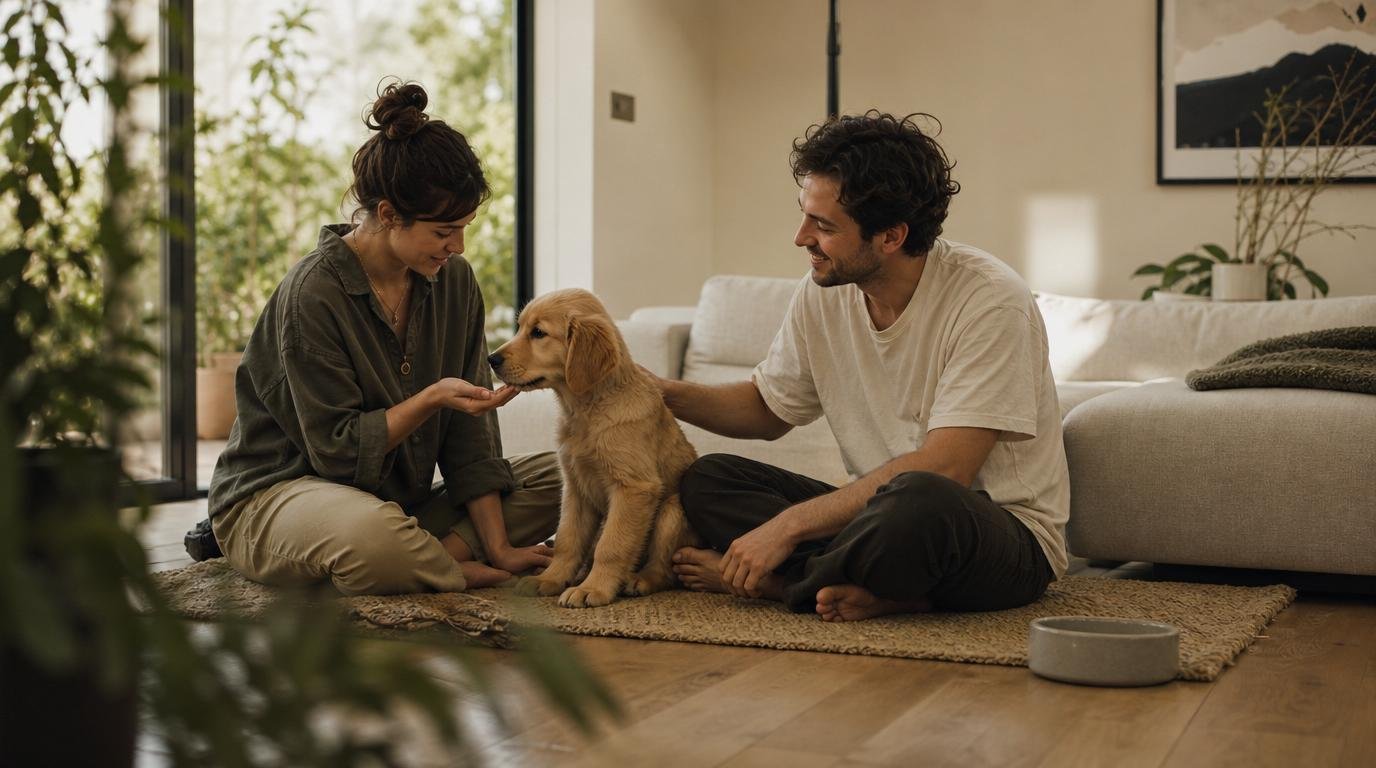
DOGBest Breeds for First-Time Dog Owners in Australia: Your Ultimate Guide
Your first dog should set you up to succeed. These forgiving, easygoing breeds suit new owners and Australian life.

 DOG
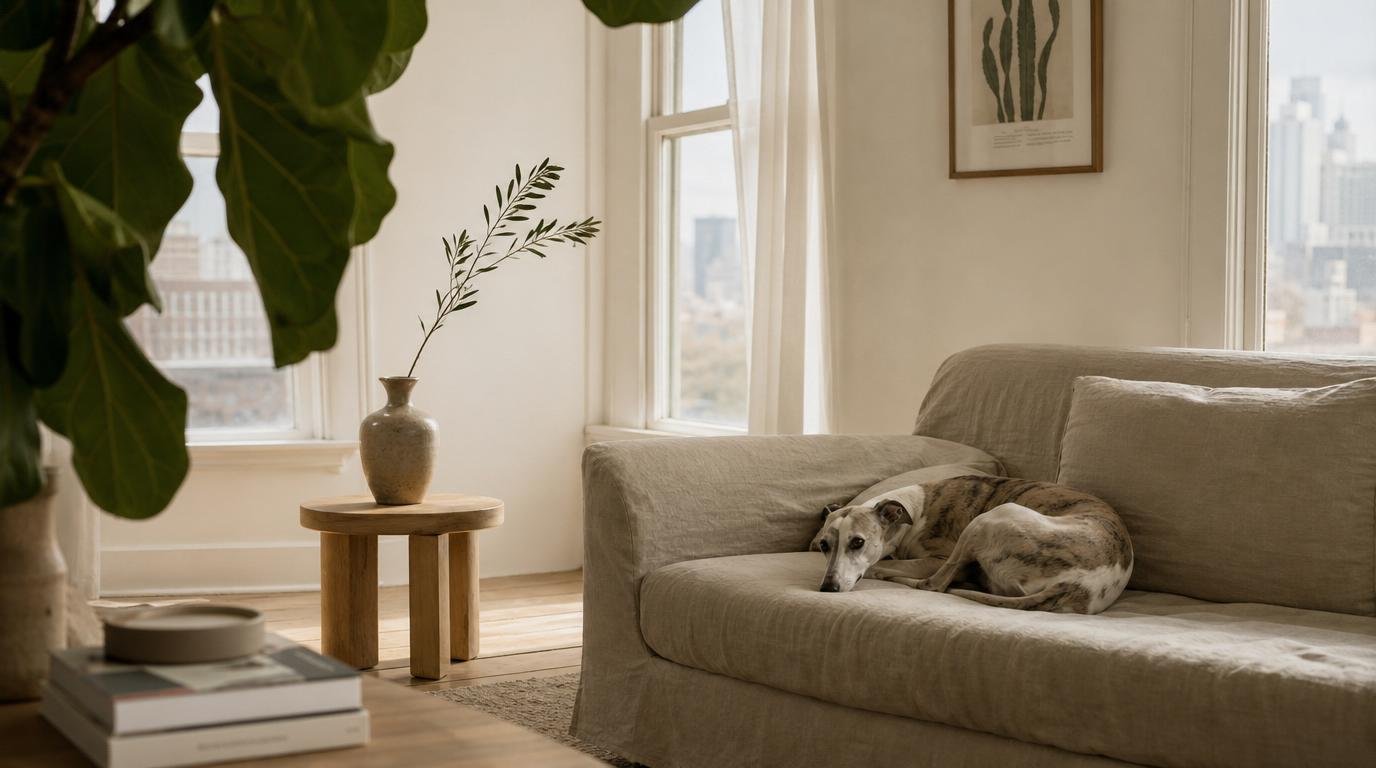
DOGHow to Choose the Best Dog Breeds for Apartments in Australia
Small flat, big personality? Plenty of dogs thrive in apartments. Here's how to choose one that suits the space and your lifestyle.
 DOG
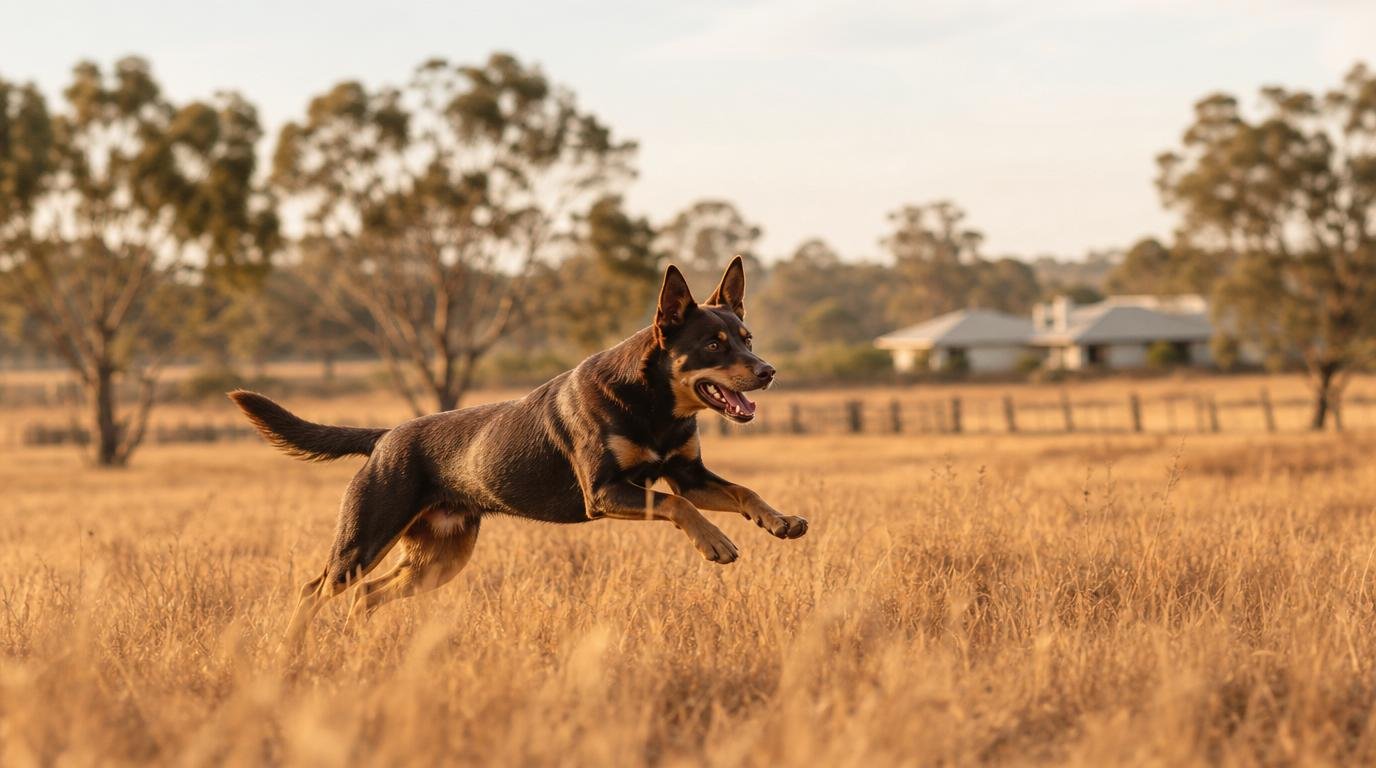
DOGThe Best Rural Dog Breeds for Farm Life in Australia
Farm life suits dogs built for work, weather and wide space. Here are the breeds that thrive in the bush — and how to choose.