Dogs | Health
How to Know When It’s Too Hot for Dogs: Heat Safety Guide for Aussies
Aussie summers are no joke — the heat and humidity can soar, and heat stress in dogs is a real danger if we’re not careful. Our furry mates don’t sweat the way we do, so they overheat quickly without us noticing at first. Even a short time in extreme heat puts a pup at risk — a dog can suffer fatal heatstroke in just 4 to 6 minutes in a hot car on a warm day. So when is it actually too hot for dogs in Australia, and what do you do about it? Cooling mats, shade, smart walk timing and a vet’s number saved in your phone are all part of the answer.
The Upshot
When the pavement burns your bare foot, it’s too hot for a dog’s paws.
As a rough rule, anything over about 27°C with humidity is risky for most dogs, and 32°C+ is dangerous — especially for flat-faced breeds, seniors and thick-coated dogs. Walk early or late, never leave a dog in the car, and watch for heavy panting and red gums as the early warning signs.
Best Dog Cooling Mat

Vagascape Dog Cooling Mat
- Self-cooling, no batteries or gel
- Machine-washable for easy clean-up
- Not ideal for heavy chewers
See the full Product Guide: Best Cooling Mats for Dogs in Australia
Best Sunscreen for Dogs
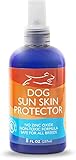
EBPP Dog Sun Skin Protector Spray
- Zinc-free, vet-formulated for dogs
- Spray-on, easy ear/nose coverage
- Not water-resistant
See the full Product Guide: Best Dog Sunscreen in Australia

In this guide we’ll walk through how to spot the warning signs of overheating, the practical things that actually keep a dog cool in an Australian summer, and what to do if you suspect heat stress. Most of it isn’t complicated — it’s just being one step ahead of the temperature.
Bruce, my Golden Retriever, has tried to convince me midday walks are still a good idea more times than I care to count. They aren’t. The routine that’s kept him safe through Brisbane summers is the same one I’d recommend to any owner: water everywhere, shade everywhere, walks at the edges of the day, and a kiddie pool in the backyard for the afternoons.
Quick Takeaways
The five things worth remembering. Scroll across to read all five.
Who’s Most At-Risk
Flat-faced breeds, older dogs and thick-coated breeds overheat fastest. Their bodies struggle to release heat, so even a short play session in the sun can tip into dangerous territory. Watch them especially closely on hot days.
Warning Signs
Heavy panting, drooling, weakness, bright red gums or tongue, vomiting or wobbliness all signal trouble. If you see these on a hot day, assume heat stress and act on it before symptoms get worse.
Never the Car
A parked car can climb 20°C above ambient in ten minutes — even on a mild day. Cracking the window helps almost nothing. The rule is simple: leave them home, or don’t go.
Walk Early or Late
Stick to early mornings or late evenings in summer, and test the pavement with your bare hand for five seconds. If it’s uncomfortable for you, it’ll burn your dog’s paws and you should stay home.
Cool, Then Call
If you suspect heatstroke, start cooling immediately — cool (not icy) water on the body, fan or breeze, and a vet call straight away. Speed matters: every minute of cooling improves their odds.
Why heat stress is a big risk for dogs
Heat stress (and the heatstroke it leads to) happens when a dog’s body overheats and can’t cool itself down. Unlike humans, dogs can’t sweat efficiently — they cool off mainly by panting, which doesn’t work well in scorching or humid weather. When the mercury climbs towards 35°C+ on a typical Aussie summer day, dogs struggle to cope. Their core temperature can shoot up, leading to life-threatening heatstroke that may cause organ failure or death.
Key Insight
Heatstroke is a life-threatening emergency. If your dog shows the signs below, start cooling immediately and seek veterinary attention straight away — don’t wait to see if it improves.
Certain dogs are at higher risk: flat-faced breeds like pugs and bulldogs struggle to breathe in heat, big fluff-balls with thick coats (huskies, malamutes, chow chows) insulate too well, and elderly or overweight dogs overheat faster. Even very active dogs — like Bruce, who never knows when to quit — can push themselves into trouble in the heat without realising. In short, every dog is susceptible when the weather’s boiling, so we need to stay alert to the warning signs.
Signs of heat stress in your dog
Dogs can’t tell us when they’re feeling unwell, so it’s important to recognise the signs of overheating early. The most common symptoms, in roughly the order they appear: heavy or rapid panting that doesn’t ease up, excessive drooling (thick and stringy), restlessness or agitation, glazed eyes, and bright red gums or tongue. As heat stress worsens, you might see them stumbling or wobbling, vomiting, or becoming unusually weak. In severe cases — pale gums, collapse, seizures — you’re looking at full heatstroke, which is a medical emergency.
I once saw Bruce panting and wobbling after a midday play session at the park, and it scared me badly. We got him into the shade, started cooling him with cool water on his belly, and rang the vet on the way to the car. He recovered — but only because we acted in minutes, not hours. The takeaway: don’t wait to “see if it gets better.” Heatstroke moves fast, and the cooling has to start before the vet visit, not at the vet visit.
How to keep your dog cool and prevent heat stress
Nobody wants a fun day at the park turning into a vet emergency. The good news is there are plenty of practical steps to keep your dog safe from the heat. Here’s how we keep Bruce comfortable through summer (Luna the cat usually figures it out herself).
Provide shade, water and ventilation
Whether your dog is indoors or outdoors, always give them access to a cool, shaded spot with good airflow. If they’re outside, remember that shade moves with the sun — what’s shady at 11am might be blazing by 1pm. Under a tree, a covered patio or a well-ventilated kennel can all work, as long as there’s consistent shade throughout the day. Water is non-negotiable: keep a big bowl of fresh water always available, and on really hot days put out a second or third bowl. Bruce has a knack for tipping one over with his clumsy paws.
Dropping a couple of ice cubes in the water keeps it cool longer. If it’s stinking hot and still outside, set up a fan or bring your dog inside to the air-con — panting only cools them if the air around them is actually moving. The extra electricity is a small cost compared to a vet bill (or worse).
Never leave dogs in cars or hot spaces
This one’s a life-saver: never leave dogs in cars, period. Parked cars in Australia turn into ovens frighteningly fast. Even on a 25°C day, a car’s interior can hit 50°C or more within minutes — cracking the window or parking in shade barely slows it down. The RSPCA notes it can take just six minutes for a dog to die in a hot car. If you’re running errands on a warm day, leave your dog at home in a cool environment.
Time walks and exercise wisely
Walk early in the morning or late in the evening when temperatures drop. Test the pavement with your bare hand for five seconds before heading out — if it’s too hot for your hand, it’ll burn your dog’s paws. Skip the walk and play in the cool grass at home instead. On really hot or humid days, full-on exercise should be off the table entirely, even at cooler hours; a sniffy walk in the shade or some indoor mental enrichment — see our pick of the best interactive dog toys — is plenty.
Cool-down aids and other tricks
A bit of gear genuinely helps in summer. A cooling mat in the lounge gives your dog somewhere to flop that pulls heat away from their body, and a shallow kiddie pool in a shaded backyard is the cheapest dog-cooling tool we’ve ever bought — Bruce uses his every afternoon from December to March. For dogs that sleep hot, our roundup of the best dog cooling beds covers gel-fill and elevated-mesh options. Cooling vests work for active dogs that need to be outside for longer (walks, beach), and frozen treats in a tough rubber toy give your dog something to chew through while cooling from the inside. Remember too that pets can get sunburned on hot days — use dog-safe sunscreen where appropriate on ears, nose and belly.
The Zogoflex Toppl is our go-to for the frozen-treat trick — stuff it with wet dog food, mashed banana, plain pumpkin puree, or peanut butter (xylitol-free only), freeze overnight, and you’ve got 20-30 minutes of cool, focused chewing on a hot afternoon. The shape is designed so the contents don’t fall out the moment your dog tips it, and the rubber is tough enough to handle a power-chewer without splitting. Dishwasher-safe for the inevitable peanut-butter mess. A couple of these on rotation in the freezer means you always have something ready when the temperature spikes.
Beyond gear, the simple stuff still matters most: keep the routine boring on hot days — sleep through the heat, drink, eat lightly, and save the play for when the sun’s lower in the sky. Most dogs settle into the rhythm within a week or two once you stop trying to do the usual summer activities at midday.
What to do if your dog shows signs of heat stress
Even with all the precautions, accidents happen and the weather can catch us out. If you suspect your dog is overheating or in heat stress, act fast and stay calm. The 4-step emergency response:
-
Get them somewhere cool
Move your dog out of the heat immediately — into air conditioning, or at minimum into deep shade. Every minute counts, so don’t hesitate. Carry small dogs; lead larger ones slowly.
-
Start cooling with water and airflow
Gently pour or spray cool (not ice-cold) water onto your dog’s body. Focus on the belly, groin and paws where there’s less fur, but wet the coat all over. Get a fan or breeze on them — moving air over the wet coat is what actually pulls heat off.
-
Offer a small drink
If your dog is conscious and able to swallow, let them lap a small amount of cool water. Don’t force it, and don’t let them gulp a big bowl — that can cause vomiting or shock. Just have water available.
-
Call the vet immediately
Ring your local vet or emergency animal hospital as soon as you can. Describe the symptoms and what you’ve done so far; they’ll usually want you to come straight in. Have the vet’s number saved in your phone and know the nearest after-hours clinic before summer hits.
Heatstroke is a true emergency. Even if your dog seems to be recovering after the cooling, a vet check is essential — internal organ damage can happen with severe overheating, and only a vet can assess and treat it properly. Don’t take chances; getting your pup checked out is the safest move, and it pays to plan ahead for dog emergencies with vet numbers, after-hours contacts and a basic kit ready before summer hits.
FAQ
How can I tell if my dog is overheating?
Watch for early warning signs of heat stress. The big red flags are heavy panting that doesn’t ease up, excessive drooling (stringy, thick saliva), and your dog acting restless or distressed. As it gets worse, you might see them become wobbly on their feet, extremely tired or unresponsive, with bright red or even pale gums. In severe cases, vomiting, diarrhoea, collapsing or seizures can occur. Essentially, if your dog is panting like crazy and looking distressed on a hot day, assume they’re overheating and act fast. Move them somewhere cool, start cooling them with water and airflow, and ring the vet — don’t wait to see if it gets worse.
What should I do if my dog overheats?
If you think your dog has heat stress or heatstroke, move fast. Get them into a cooler environment (shade or air conditioning) immediately. Start cooling them by wetting their fur with cool (not icy) water and get a fan or breeze blowing if possible. Offer a little cool water for them to drink, but don’t force it if they can’t drink. Crucially, call a veterinarian for guidance — they may tell you to come straight in. Even if your pup seems to be improving after cooling down, a vet visit is important because internal organ damage can happen with severe overheating and only a vet can properly assess it. Don’t take chances with heatstroke.
Is it ever safe to leave my dog in the car during summer?
No — not even for a few minutes. The temperature inside a parked car can climb dangerously high in moments, leading to deadly heatstroke. Even on a mild 22°C day, the car’s interior can reach over 40°C surprisingly fast. Parking in the shade or cracking the windows makes little difference. The RSPCA warns it can take just six minutes for a dog to die in a hot car. So if you’re running errands on a hot day, it’s best to leave your dog at home in a cool environment. And if you ever spot a dog locked in a car looking distressed, don’t hesitate to call your local council or RSPCA — quick action saves lives.
Should I shave my dog’s coat in summer to keep them cool?
It depends on the breed and coat type. Dogs with very thick or long fur can benefit from a trim in hot weather — removing some excess fur helps heat escape and makes them more comfortable. I get my Golden Retriever lightly clipped for summer. However, you generally shouldn’t shave a dog down to the skin, especially double-coated breeds (like Aussies, Border Collies, Huskies). Their double coat actually provides insulation against heat and protects them from sunburn. Shaving too short can put them at risk of overheating AND sunburn, and the regrown coat can sometimes come back patchy or coarser. A light de-shed or trim is best — talk to your groomer about a summer cut that suits your dog’s coat type, and brush regularly to remove loose undercoat.
Can dogs get sunburnt?
Yes. Just like us, dogs can get sunburnt, especially on areas with sparse hair or light skin. The tips of the ears, the nose, belly, and any area where the fur is thin or the dog has light-coloured fur are most at risk. In fact, pets can get sunburned and it can lead to skin cancer over time, just as in humans. To protect your dog, keep them out of direct sun during the peak UV hours (roughly 10am – 4pm). Provide shade or bring them indoors on very sunny days. For dogs that spend time outdoors, dog-safe sunscreen on the nose, ears and belly is worth the small effort — never use human sunscreen with zinc oxide, which is toxic to dogs. Light-coloured breeds like white bull terriers and short-coated breeds are most at risk and benefit most from the sunscreen routine.
Final thoughts
Australian summers can be brutal, but with a bit of preparation and common sense you can keep your dog safe and comfortable even on the hottest days. It’s all about thinking ahead — plenty of water, lots of shade, walks at the right times, and never asking your dog to do more than the weather safely allows.
Bruce now spends his summer afternoons happily lolling in his kiddie pool or napping in the air-conditioned lounge, and I get the peace of mind that comes with knowing he’s safe. We owe it to our furry family members to protect them from heat stress — after all, they’d do anything for us. Stay cool, keep an eye on your pup, and here’s to happy, hydrated dogs all summer long.
We Think You’ll Also Like These Guides
 DOG
DOGBest Cooling Mats for Dogs in Australia: Ultimate Guide
When the heat hits, a cooling mat gives your dog a place to chill. We found the best for safe, lasting relief through summer.

 DOG
DOGYour Ultimate Guide to the Best Dog Sunscreen in Australia for 2026
Pink noses and thin coats burn fast under the Aussie sun. We found the safest dog-friendly sunscreens to keep them protected.

 DOG
DOGYour Ultimate Guide to the Best Rashies for Dogs in Australia 2026
Sun, sand and saltwater are tough on dogs. A good rashie shields sensitive skin — we found the best fit and protection.