Dogs | Lifestyle
Best Breeds for First-Time Dog Owners in Australia: Your Ultimate Guide
Welcoming a dog into your home is one of life’s great joys, but the choice can feel overwhelming. The best breeds for first-time dog owners aren’t just about looks — they need to thrive in our hot summers, handle bushwalks or city parks and adapt to your lifestyle. Selecting the right companion starts with honest reflection on how you live and what you can offer. Choosing a dog is more than an emotional leap; it’s a long-term commitment. For deeper guidance on the responsibilities of pet ownership, see the RSPCA’s advice for new pet owners.
The Upshot
Start with your lifestyle, not a breed’s looks — that’s where first-timers go wrong.
Gentle, adaptable breeds like Cavoodles, greyhounds, and Labradors forgive the rookie mistakes every new owner makes. But the real work starts before choosing a breed: an honest count of your available hours, space, and budget matters more than any breed’s reputation. Skip flat-faced dogs unless you’re ready for ongoing vet costs.
Best Elevated Dog Bowls

Marchul Elevated Dog Bowls
- Tilt-adjustable for neck comfort
- Thick 1.2L stainless bowls
- Not suited to giant breeds
See the full Product Guide: Best Elevated Dog Bowls in Australia
Best Automatic Feeder

Closer Pets C200 Automatic Dog Feeder
- Works with wet or dry food
- Stainless bowls, easy to wash
- Limited to just two meals
See the full Product Guide: Best Automatic Dog Feeders in Australia

This guide explores why certain breeds suit Aussie newcomers better, weighing up temperament, exercise and grooming needs and how they cope with our climate. You’ll have particular considerations if you’re living in an apartment, or if you have children.
Quick Takeaways
The five things worth remembering. Scroll across to read all five.
Know your own limits
Space, schedule, and energy all matter when choosing a first dog. A high-drive working breed won’t cope in a small flat, while calmer dogs like greyhounds or Cavoodles adapt well to city living.
Easy breeds forgive more
Labradors, Golden Retrievers, and friendly crossbreeds are sociable, trainable, and patient while you find your feet. They’ll roll with beginner mistakes that a more sensitive or intense breed won’t tolerate.
Budget before you browse
Food, vet visits, parasite prevention, grooming, and insurance often add up to thousands each year. Larger dogs eat more and cost more to insure. Plan for ongoing expenses upfront to avoid nasty surprises.
Adoption works well
Shelters are full of dogs — including crossbreeds — that make wonderful first pets and often come desexed, vaccinated, and microchipped. You’ll reduce initial costs and give a dog a second chance.
Skip the flat faces
Pugs and French Bulldogs can struggle badly in Australian heat and face lifelong breathing issues. The vet bills pile up fast, which can overwhelm a first-time owner already adjusting to dog life.
Understanding your lifestyle and environment
Before falling in love with a puppy’s face, step back and assess your situation. Dogs live 12 years or more, so that cute pup will grow into an adult who needs exercise, space and attention. Ask yourself whether you have enough room, if your yard is secure, and if your schedule allows for daily walks, playtime and training.
Working long hours or frequent travel may mean a calmer breed or organising a dog walker. Puppies require more care and regular meals during their first six months, so be realistic about your availability.
Think about landlord approvals if renting, and whether a dog fits your long-term plans for travel or family. Honest answers prevent heartbreak down the track when you realise you can’t meet your dog’s needs.
Your dog’s happiness and welfare depend on the match between their needs and your ability to meet them.
Budgeting is equally important. Up-front expenses such as vaccinations, microchipping and desexing are just the beginning. Throughout their life you’ll pay for food, parasite control, annual check-ups, training classes, boarding when on holidays and toys.
Bigger dogs eat more and often cost more to insure, while specialised grooming for long-haired breeds or professional clipping for non-shedding coats adds to the bill. If money is tight, choosing a smaller, low-maintenance breed can ease the strain. Remember that veterinary emergencies can happen at any time; set aside a contingency fund or take out pet insurance to avoid tough choices later.
Top picks for best breeds for first-time dog owners
Not all dogs are created equal when it comes to ease of ownership. Breeds with gentle dispositions, moderate energy levels and manageable grooming needs are usually best for newcomers. Here are some well-suited companions for Australian climates and lifestyles:
| Breed | Why it suits first-time owners |
|---|---|
| Cavoodle (Cavalier × Poodle) | Affectionate and friendly with kids, this oodle cross combines the laid-back Cavalier King Charles Spaniel with the intelligent Miniature Poodle. They’re moderately active and enjoy a daily walk but don’t need hours of exercise. Their low-shedding coat is good for allergy-prone households but requires regular grooming; consider the cost of professional clipping. Cavoodles cope well with apartment living and Aussie climates but avoid prolonged heat. |
| Labrador Retriever | A family favourite for good reason. Labradors are outgoing, eager to please and easy to train. They do require daily exercise — a brisk walk or swim — and will happily join you on bush trails or beach outings. Their short double coat sheds, especially in spring and autumn, but brushing keeps it manageable. Labradors love food, so watch their waistlines to prevent obesity and budget for a healthy appetite. |
| Greyhound | Surprisingly, ex-racers make excellent lounge-room companions. Greyhounds are calm indoors and need only a couple of short, leash-controlled walks each day. Their sleek coat sheds minimally and requires little grooming. Because they feel the cold, they’ll need a warm coat in winter. Greyhounds are sighthounds, so secure fencing and on-lead walks are essential, but their gentle nature makes them ideal for first-timers. |
Other good choices include the Cavalier King Charles Spaniel, which is affectionate and adapts well to small homes; the Maltese or Maltese Shih-Tzu cross, known for being lively yet content with short walks; and the Beagle, a merry hound with a friendly nature. Poodles (Miniature or Standard) are brilliant for allergy sufferers because they don’t shed, but they need regular clipping and mental stimulation. Rescue mixed-breeds often combine the best traits of two or more breeds and can be a rewarding option — talk to shelter staff who know each dog’s personality.
Be wary of breeds with extreme physical features. Brachycephalic or flat-faced dogs like pugs and French bulldogs are popular, but those flattened muzzles contribute to breathing, digestive and eye issues, heat intolerance and birthing difficulties. These dogs may need specialised veterinary care throughout their lives, including surgery and daily management. First-time owners on a budget or with busy lifestyles should think carefully before taking on such breeds.
Health, welfare and ongoing costs
Healthy dogs lead happier lives, so choose breeders who prioritise health and temperament over looks. The Australian Veterinary Association warns that some breeds are predisposed to specific health concerns and that dogs with exaggerated traits (short muzzles, short legs or excess skin) can face chronic problems. Regular veterinary check-ups, vaccinations and parasite prevention are non-negotiable. Budget for pet insurance or an emergency fund to cover unexpected illnesses or accidents.
Fleas and ticks are a year-round concern in Australia, and prevention is far easier than dealing with an infestation. Dogs generally need regular treatments with a vet-approved product — most come as monthly chews, spot-on liquids or collars that protect for several months. Sticking to the recommended schedule is essential, since missing doses can leave your dog vulnerable to parasites that cause itching, skin infections, or in the case of ticks, life-threatening paralysis. It’s also a good habit to check your dog’s coat after bush walks, beach trips or time in long grass, as ticks can attach quickly even with preventatives in place. Our top pick for flea and tick prevention are these NexGard Spectra Chewables.
Grooming needs vary widely. Long-haired or double-coated dogs (like some oodles or Shetland Sheepdogs) require frequent brushing and professional trims, while smooth-coated breeds like greyhounds or staffies need little more than a weekly brush. Non-shedding breeds may suit allergy sufferers but remember that clipped coats cost money. Factor in heat management too: heavy coats can cause heat stress in summer (have a look at our dog summer safety hub for more), so provide shade and avoid midday exercise.
Finally, consider ongoing lifestyle compatibility. High-energy dogs such as border collies or kelpies thrive on hours of mental and physical stimulation and may become destructive without it. Lower-energy breeds like Maltese or Shih-Tzu enjoy short walks and lots of lap time. If you live in a small apartment or work long hours, a laid-back greyhound or older rescue might be a better fit.
FAQ
Which small dog breeds suit apartment living?
Look for breeds that are adaptable, low-energy and comfortable in close quarters. Cavaliers, Maltese, Toy Poodles and some oodle crosses fit well in apartments and don’t require large yards. Greyhounds, despite their size, are also surprisingly suited to small spaces because they’re quiet and enjoy lounging. Ensure regular short walks and mental stimulation, and always check with landlords or body corporate rules. See our full Knowledge Guide on How to Choose the Best Dog Breeds for Apartments in Australia.
How much exercise do popular first-time breeds need?
Cavoodles, Cavaliers and Maltese thrive on one or two short daily walks and playtime. Labradors need at least an hour of physical activity and mental games to prevent boredom, while greyhounds are happy with a couple of 20–30 minute leash walks. Always adjust for weather – avoid strenuous exercise during extreme heat and provide shade and water.
Are mixed-breed dogs a good choice for new owners?
Yes. Mixed-breed dogs often have balanced temperaments and fewer hereditary health problems than some purebreds, and are among the best breeds for first-time dog owners in Australia. Shelters can match you with a dog whose personality suits your lifestyle. Adopted dogs usually come desexed, vaccinated and microchipped, reducing initial costs. Always meet the dog, ask about their history and allow time for adjustment.
Should I buy from a breeder or adopt?
Adoption is a wonderful option, giving a second chance to animals in need. Many rescue dogs are already housetrained and socialised. If you have your heart set on a specific breed, choose a responsible breeder who screens for genetic issues and prioritises health. Always visit the breeder’s facility, meet the puppy’s parents and request health certificates. Avoid buying from puppy farms or online ads without verification – poor practices contribute to behavioural and health problems.
Are brachycephalic breeds suitable for first-time owners?
Flat-faced breeds like pugs and French bulldogs are cute but come with significant health challenges. They often struggle to breathe, overheat easily and may require surgery to correct airway issues. They can also suffer from eye diseases and require specialised care. If you’re considering one, budget for higher vet bills and commit to keeping them cool and comfortable. For many first-time owners, a breed with fewer health problems will be less stressful and more rewarding.
Final thoughts
Bringing a dog into your life should be a joyful, thoughtful process. By matching a breed’s temperament, energy and care needs with your lifestyle, you’ll set yourself and your new mate up for success.
Whether you fall for a placid Cavoodle, a playful Labrador or a couch-loving greyhound, remember that every dog deserves patience, training and love. As you weigh up costs, climate and commitment, imagine Bruce wagging his tail at sunrise or Luna snoozing in the shade – those simple moments make all the research worthwhile.
We Think You’ll Also Like These Guides
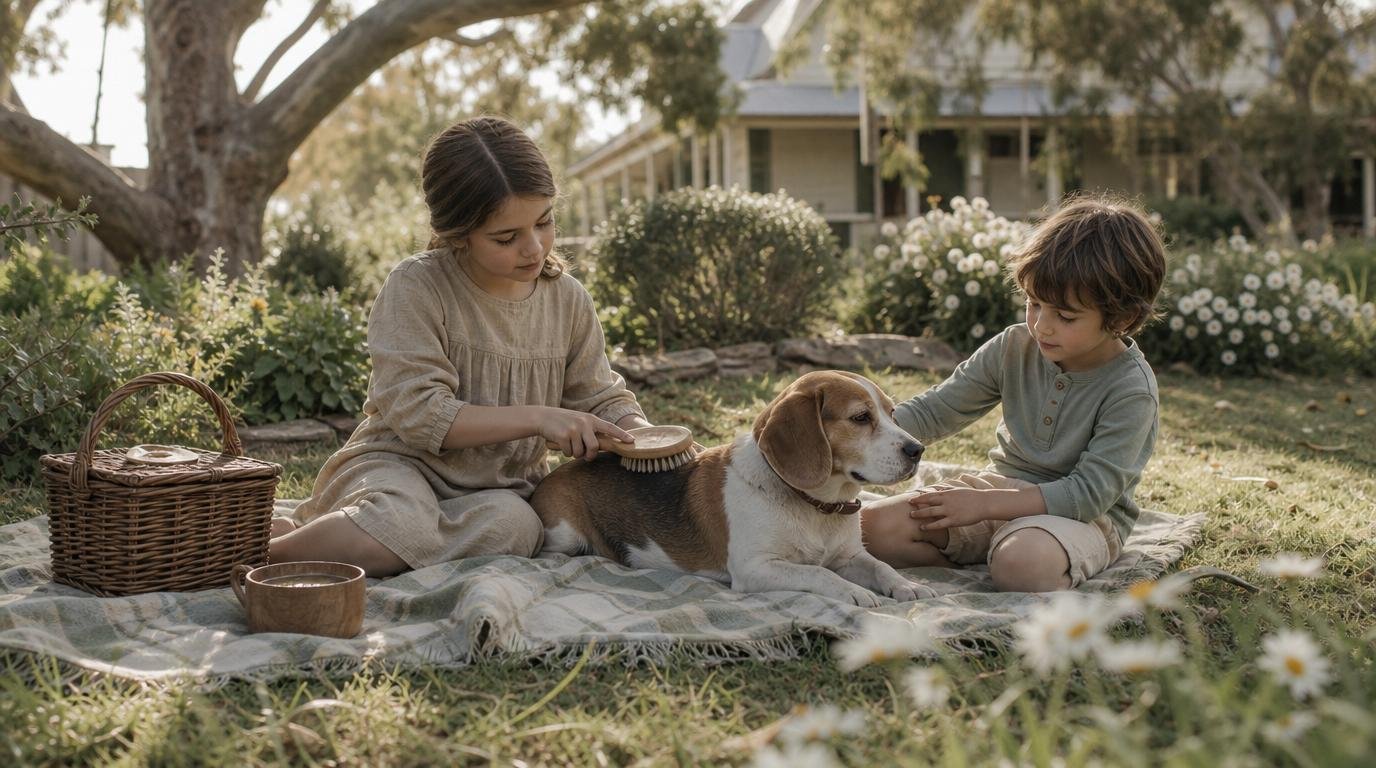 DOG
DOGBest Child-Friendly Dogs in Australia: Ultimate Guide and How-to
The right family dog is patient, gentle and unflappable around kids. Here are the breeds that fit busy households best.

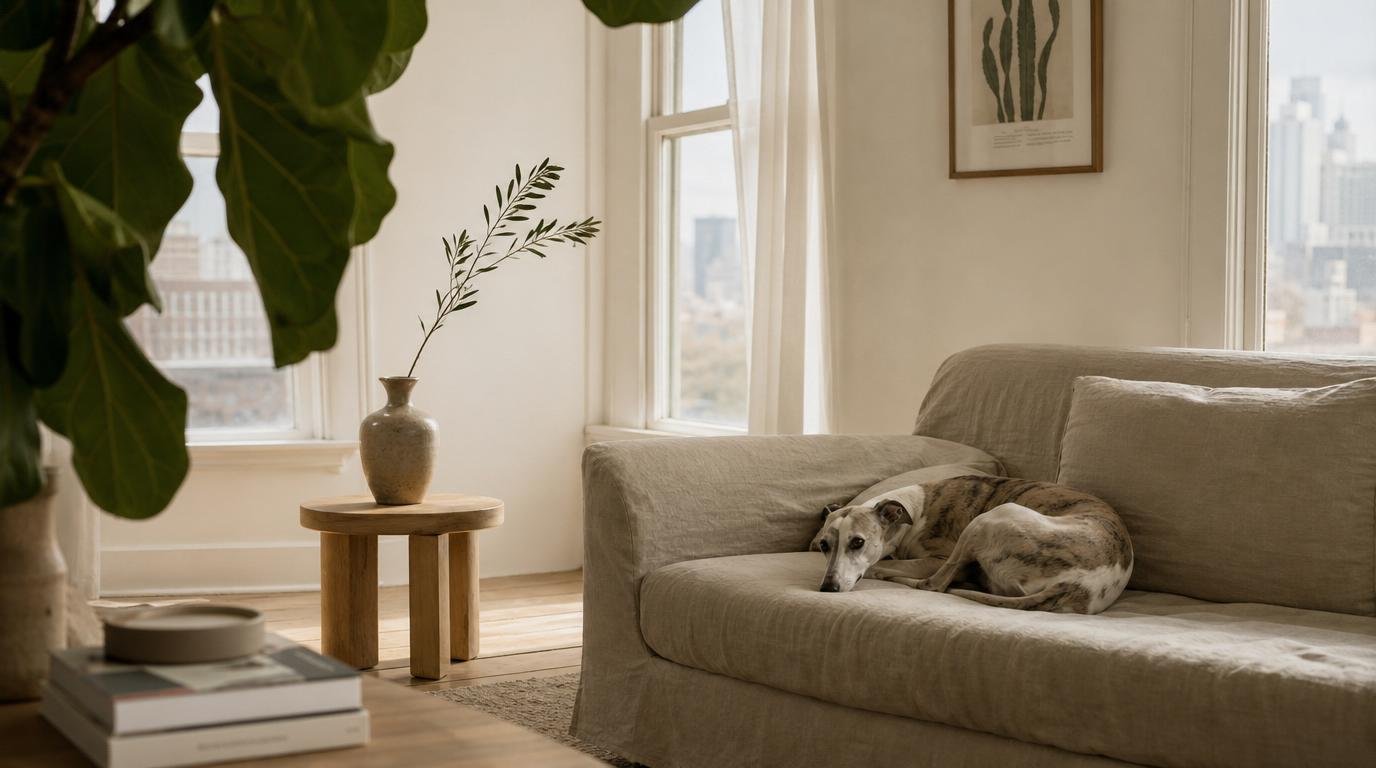 DOG
DOGHow to Choose the Best Dog Breeds for Apartments in Australia
Small flat, big personality? Plenty of dogs thrive in apartments. Here's how to choose one that suits the space and your lifestyle.
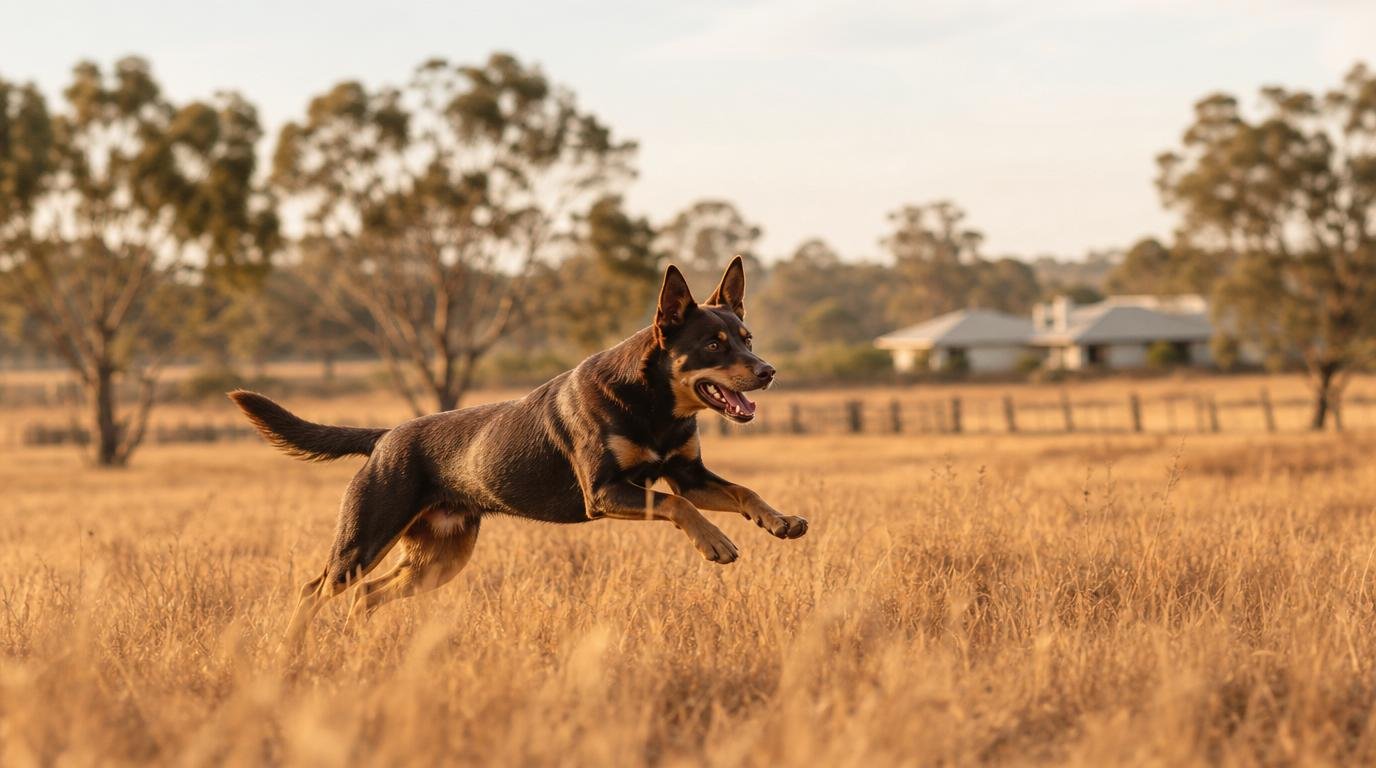 DOG
DOGThe Best Rural Dog Breeds for Farm Life in Australia
Farm life suits dogs built for work, weather and wide space. Here are the breeds that thrive in the bush — and how to choose.