Dogs | Health
Your Ultimate Guide to the Best Dog Sunscreen in Australia for 2026
It only takes a few minutes under a Queensland sun before Bruce, my Golden Retriever, starts roasting himself like he’s on holiday in Bali — nose first. Australian dogs don’t get a break from UV, and those pale snouts, thin coats, and pink bellies can burn fast. Whether your pup spends weekends at the beach or naps in the backyard, a pet-safe sunscreen isn’t a gimmick — it’s basic protection. The same goes for dog lifejackets: practical gear designed for real Aussie conditions, where long swims, saltwater, and glare are part of the adventure. The trick is finding pet-safe sunscreen that protects without turning their fur greasy, making them overheat, or prompting that classic “lick it all off” protest.
Best Overall
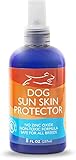
EBPP Dog Sun Skin Protector Spray
- No zinc oxide; dog-safe formula
- Easy spray for broad coverage
- Not water-resistant
Best Water-resistant

My Dog Nose It Coat and Body Spray
- Broad UVA/UVB protection
- Non-greasy feel on coat
- Small 4 oz bottle
Best Wipes

Petkin Doggy Sunwipes
- Quick, no-mess application
- Handy for nose, ears and belly
- Covers small areas only
Best Nose Balm

My Dog Nose It Moisturizing Sun Protection Balm
- Water-resistant for pink areas
- Rich balm soothes cracked noses
- Not for full-body coverage

Every pick below is available to Australians and backed by solid reviews from real dog owners. For more practical, vet-endorsed summer care tips, check the RSPCA ACT hot weather pet advice and the Australian Veterinary Association’s summer hazards guidance. Beyond sunscreen, remember that UV protection is just one part of keeping your dog safe in the sun. Paw pads can burn on hot pavement, noses can dry out, and even short play sessions can lead to heat stress. A few small habits — shaded rest spots, cool drinking water, and protective paw balm — make all the difference in an Aussie summer.
What to look for in a dog sunscreen
The five details that matter most. Scroll across to read all five.
Pet-safe ingredients only
Skip zinc oxide, PABA and any human active. They’re risky if your dog licks the product off — which they will, especially from noses and paws. Choose a formula clearly labelled for pets.
Full UVA + UVB
Check the label specifies both UVA and UVB protection. A “sun safe” or basic SPF claim alone isn’t enough — broad-spectrum is what blocks the deeper UVA damage that adds up over years.
Match the format
Sprays and mists cover big areas fast. Wipes and balms work better for noses, ear tips, bellies and pink patches. Most active dogs need a combination, not just one product.
Light in Aussie heat
Greasy layers trap warmth and clump fur in humid summers. Prioritise light, non-greasy formulas that absorb fast — your dog’s already running hot without a heavy oily film slowing them down.
Reapply every few hours
Plan for 2–4 hour reapplication in peak UV, and immediately after swims or heavy frolic. Patch-test new products first on a small spot, and pack shade and cool water alongside.
At a glance
Our top four picks compared — specs, prices, and our one-line take on each.
| Rank | Product | Best for | Key feature | Approx. price | Check price |
|---|---|---|---|---|---|
| Best Overall |  | Owners wanting broad coverage without heavy residue | Zinc-free with shea butter and coconut oil to moisturise as it protects. | ~$40–50 AUD (8 oz; 237 mL) | Check price |
| Best Water-resistant |  | Owners seeking a lightweight, natural-leaning spray | Broad UVA/UVB protection without zinc or titanium dioxide. | ~$35–45 AUD (4 oz; 120 mL) | Check price |
| Best Wipes |  | Quick top-ups and targeted spots on walks or beach days | SPF 15 wipe-on protection in a travel-friendly 20-pack pouch. | ~$5–15 AUD (20 pack) | Check price |
| Best Nose Balm |  | Targeted protection for pink, exposed or cracked areas | Water-resistant concentrated balm with waxes and oils that stays put through play. | ~$55–65 AUD (2 oz) | Check price |
Our picks in detail
What we love, what to watch out for, and who each pick really suits.
Best Overall: EBPP Dog Sun Skin Protector Spray
Bottom line — balances protection with skin care: zinc-free, conditions with shea and coconut, and lands evenly enough for bellies, ear tips, and pink noses.
This spray earns top billing because it balances protection with skin care. The zinc-free formula is designed for pets and includes shea butter and coconut oil to condition while you protect. The mist lands evenly, so it’s easy to cover bellies, ear tips and pink noses before a morning walk. It leaves a clean finish rather than a shiny film, which is handy in humid weather.
On real-world use, it’s a fuss-free option for wiggly dogs. I spritz onto my hands for Bruce’s face and rub the rest along his flanks. Because it isn’t water-resistant, plan to reapply after a swim or heavy panting session at the beach. The 8 oz bottle goes further than you think, but big breeds will chew through it faster across summer.
| What we love | Areas for improvement |
|---|---|
|
|
Best Water-resistant: My Dog Nose It Coat and Body Spray
Bottom line — a gentle, natural-leaning spray with water resistance, broad-spectrum protection, and no oily film on the coat.
If you prefer a gentle, natural-leaning approach with water resistance, this alcohol-free spray is a solid pick. It provides broad-spectrum protection without zinc or titanium dioxide and settles without an oily film, so fur won’t clump. It’s a good match for light-coated dogs and hairless breeds who need frequent top-ups on thin-fur areas.
It’s water-resistant, but as with any spray, reapply after swimming or heavy exercise. The bottle is small (4 oz), so households with multiple dogs may want to keep a second on hand. Owners consistently rate it for easy application and a comfortable finish; the main complaint is a noticeable scent — fine for most, too much for a few.
| What we love | Areas for improvement |
|---|---|
|
|
Best Wipes: Petkin Doggy Sunwipes
Bottom line — the easiest way to cover small, sensitive spots in seconds; brilliant for noses, bellies and ears, and ideal for dogs who hate sprays.
These are the easiest way to cover small, sensitive spots in seconds. Each wipe contains SPF 15 protection and a mild coconut-vanilla scent. They’re brilliant for noses, bellies and ear tips on dogs who hate sprays, or for quick top-ups during a day trip when you don’t want to carry a bottle.
Because they’re small-area by design, you’ll use more on larger dogs or for long beach days. Keep the packet sealed so the wipes don’t dry out, and budget for frequent reapplications in midday UV. For travel and targeted protection they’re a winner; for full-body coverage you’ll want a spray or balm alongside.
| What we love | Areas for improvement |
|---|---|
|
|
Best Nose Balm: My Dog Nose It Moisturizing Sun Protection Balm
Bottom line — heavier-duty protection that won’t rinse away; water-resistant balm for pink, exposed or cracked areas that need it most.
Some areas — noses, ear tips, paw pads — need heavier-duty protection that won’t rinse away. This water-resistant balm creates a protective layer while conditioning with waxes and oils. It’s especially useful for pink or lightly pigmented noses that tend to dry and crack in the wind and sun.
The texture melts on contact, so you can dab on a thin layer that stays put even after a splash. Because it’s concentrated, a 2 oz jar lasts longer than you’d think. It’s not meant for full-body coverage, and costs can add up if you’re treating several dogs daily — but for targeted protection it’s excellent.
| What we love | Areas for improvement |
|---|---|
|
|
FAQ
Do dogs really need UV protection in Australia?
Can I use my own sunscreen on my dog?
How often should I reapply dog sunscreen?
Where should I apply dog sunscreen?
Any extra safety tips on sun protection for dogs?
Final thoughts
At the end of the day, the best sunscreen is the one you’ll actually use — consistently. Sprays and mists make life easier for squirmy dogs and quick backyard top-ups, while wipes and balms are perfect for those tricky, pink-prone spots like noses and ears. What matters most is making sun protection part of your regular routine, just like flea and tick prevention or daily walks. In our Aussie climate, no sunscreen does the job alone. Reapply often, take shade breaks, and plan walks when the UV isn’t through the roof. Keep your bottle or balm somewhere cool and out of the sun (yep, sunscreen needs shade too). It’s a small habit that saves your dog a lot of discomfort — and keeps every summer adventure burn-free.
We Think You’ll Also Like These Guides
 DOG
DOGBest Cooling Mats for Dogs in Australia: Ultimate Guide
When the heat hits, a cooling mat gives your dog a place to chill. We found the best for safe, lasting relief through summer.

 DOG
DOGYour Ultimate Guide to the Best Rashies for Dogs in Australia 2026
Sun, sand and saltwater are tough on dogs. A good rashie shields sensitive skin — we found the best fit and protection.

 DOG
DOGDog Sunburns: How to Protect Dogs Under the Aussie Sun in 2026
Yes, dogs get sunburnt — and it can turn serious. Here's how to protect thin coats and pink skin under the harsh Aussie sun.