Dogs | Dog Training
Safely Crate Training a Puppy at Night: Full Schedule by Age
Crate training a puppy at night might sound like a challenge, but it can be a game-changer for Aussie pet owners. Whether it’s a humid Darwin evening or a chilly Melbourne dawn, the right crate routine helps your puppy settle safely (and keeps your carpets dry). With patience and a sense of humour, you’ll both be sleeping soundly in no time. We’ll cover the practical steps to stop the whining and create a positive crate experience, all backed by expert advice like the RSPCA Australia puppy guide. Be sure to read our sister guide on safely crate training a puppy during the day too.
The Upshot
A puppy’s bladder, not your bedtime, sets the schedule for the first few weeks.
Match toilet breaks to your puppy’s age — roughly one hour per month — and keep the crate beside your bed so you hear them stir. Respond calmly when they actually need out, ignore attention-seeking fussing, and most pups settle into a full night by 5–6 months.
Best Calming Toy

SmartPetLove Snuggle Puppy Behavioral Aid Toy
- Simulated heartbeat eases anxiety
- Helps settle pups on first nights
- Heat pack needs replacing
See the full Product Guide: Best Dog Toys for Puppies in Australia
Best Crate Cover

MidWest Homes QuietTime Defender Dog Crate Cover
- Hook-and-loop keeps cover taut
- Machine-washable fabric
- Not fully waterproof outdoors
See the full Product Guide: Best Dog Crate Covers in Australia

For new puppy parents in Australia, mastering the crate at bedtime means less stress, safer snoozes, and a faster road to toilet training success. This guide will walk you through a complete night-time crate schedule by age, plus practical tips to handle whining, accidents, and the Aussie elements (from summer heat to winter chills). We’ve also included advice from trusted sources like the RSPCA, which recommends crate training your new puppy, so you can rest easy knowing you’re doing the right thing.
Quick Takeaways
The five things worth remembering. Scroll across to read all five.
Sleep within earshot
Place the crate beside your bed for the first week or two. Your puppy settles faster knowing you’re nearby, and you’ll catch the early stirring that signals a toilet break.
Set the alarm
Under twelve weeks, plan for a toilet break every one to two hours overnight. Broken sleep is the trade-off in those first few weeks, and it doesn’t last long.
Extend by age
Stretch the gaps gradually as their bladder grows. By 5–6 months, most pups can hold six to eight hours overnight without an accident — though small breeds may take longer.
Cosy and climate-ready
Soft bedding, a safe chew, and weather-appropriate adjustments turn a bare crate into a den. Ventilation for summer nights, a warm (not hot) bottle wrapped in a blanket for winter.
Consistency wins
Ignore attention-seeking whining, but respond calmly when genuine need is obvious. Mixing the two slows the whole routine down, while a predictable response builds it faster than any clever bedding setup will.
Setting up a safe night-time crate space
Start by placing the crate in a suitable spot for the night. For the first few nights, keep it right beside your bed so your puppy can hear and smell you nearby. Dogs are social sleepers, and that closeness helps them settle faster. Once your pup is used to the routine, you can gradually move the crate further away if you prefer.
Make the crate comfy with an appropriate bed or blanket (even better if it has mum or littermates’ scent), a safe puppy chew toy, and a small water bowl secured to avoid spills. Some owners also find a blanket or a crate cover draped partly over the crate helps block out distractions and creates a “den-like” feeling of security. If you add water, use a small, no-spill bowl that clips onto the side so it doesn’t tip over in the night.
Also be sure to check the weather: on a sweltering summer night, ensure good airflow or a fan (indirectly on the crate); on a chilly winter night, you can wrap a warm (not hot) water bottle in a blanket for extra cosiness.
Also remove your pup’s collar at bedtime to prevent snagging, and make sure the crate is the right size – big enough to stand and turn around, but not so large that they can toilet in one corner and sleep in another. (If you have a large breed, be prepared to upgrade to a bigger crate as they grow – some owners save costs by using a full-size crate with a divider.)
Night-time crate schedule by age
Puppies have small bladders, which means you’ll be doing some night shifts in the early days. It’s normal to be woken up more than once a night during those first weeks, so plan for broken sleep.
Key Insight
A puppy can hold on for about one hour per month of age — so a 2-month-old needs a toilet break every 2 hours, a 4-month-old every 4 hours. Growth spurts, diet changes, or extra water before bed can all shorten that.
Every puppy is different: a tiny Jack Russell might need more breaks than a big Labrador, and toy breeds often struggle more than larger pups. You’ll quickly learn your dog’s rhythm by noticing how long they last before showing signs they need out.
Always take your pup for a last toilet trip before bed, and set alarms during the night based on their age. Keep outings calm and quick—straight outside, toilet, then back to bed. This teaches them that night breaks are for business, not play.
With patience, the gaps between toilet trips will lengthen, and most pups soon manage to last through the night. Consistency now makes house training much smoother in the long run.
Below is a general overnight schedule by age to help you plan your night-time routine:
| Puppy age | Overnight routine |
|---|---|
| 8–10 weeks | Needs a toilet break about every 2 hours during the night (expect at least 3 trips outside). |
| 10–12 weeks | Toilet break roughly every 2–3 hours. Many pups this age will need 2+ trips out each night. |
| 3–4 months | Toilet break roughly every 3–4 hours. Likely 1 trip halfway through the night if you do late-night and early-morning trips outside. |
| 5–6 months | Can often hold about 5–6 hours. Some puppies may sleep a full 6–7 hour night with a late evening and early morning toilet routine. |
| 6+ months | Most can sleep ~7–8 hours overnight without a break (finally, a full night’s sleep for you!). |
Tips for peaceful nights
Middle-of-the-night whining is a rite of passage for puppy parents, and the key is responding to genuine need without rewarding attention-seeking. The pattern below works for most pups within the first few weeks.
-
Pause before you respond.
When the whimpering starts, wait a beat. Short fusses often resolve themselves; reacting immediately to every sound teaches your puppy that any noise gets you out of bed.
-
Take low-key toilet trips when needed.
If the crying continues or it’s been a couple of hours since the last break, calmly take them out. Dim lights, no chatter or play, straight to the yard for a wee and back to the crate.
-
Praise softly, never scold.
A whispered “good dog” and a soft pat when they settle is plenty — even at 3am. Clean accidents up without drama; punishment only creates fear and more fuss, not bladder control.
-
Stick to a predictable routine.
Aim for a regular bedtime with a toilet trip and a calm wind-down beforehand — not immediately after a play burst. Predictability does more for night settling than any clever bedding.
Over time, the gaps between wake-ups stretch, accidents fade, and you’ll move from bleary-eyed survival mode to a properly rested household.
FAQ
Should I leave water in my puppy’s crate overnight?
Yes – it’s important to provide water. From an animal welfare perspective, pets should always have access to water, and a puppy can get thirsty during the night (especially on a warm Aussie evening). The RSPCA specifically advises keeping water available inside the crate. Practically, use a small, tip-proof bowl or an attachable water bottle at crate height so it won’t spill. You might remove the water dish an hour or so before lights out to reduce midnight toilet needs, but always leave a bit of water during the night – especially in hotter weather.
When will my puppy sleep through the night?
Most puppies can sleep through a solid 6–8 hour night by around 4 to 6 months of age. Every dog is different: smaller breeds or pups that had a rough start might need night-time potty breaks for longer, while some easygoing pups (or simply those with larger bladders) might surprise you by lasting through the night earlier. As a general rule, a puppy can hold their bladder for roughly one hour per month of age (so at 3 months, about 3 hours; at 6 months, about 6 hours). By 6 months old, many puppies have the bladder control to make it from late evening to early morning without accidents – as long as you’ve taken them out for a late toilet run and don’t sleep in too long. Remember every puppy will develop at their own pace, so use the above guidelines but listen to your pup’s signals.
Should I ignore my puppy crying in the crate at night?
Not entirely – you need to gauge the reason behind the crying. If your puppy has been asleep for a while and might genuinely need the toilet (or the cries sound frantic), you should calmly take them out for a quick loo break. Keep it all business (no play or treats, just a quick trip and back to bed). However, if you’re confident they’re only crying for attention and all their needs are met, it’s best to ignore them until they quiet down. Having the crate near your bed can help, as you can reassure your pup with a gentle shush or just your presence without letting them out. The goal is to avoid teaching your puppy that “crying = immediate release or cuddles”. So, respond when it’s truly needed, but otherwise stay consistent and let them settle back down on their own.
Can I put my puppy’s crate outside at night?
It’s generally not recommended to leave a puppy crated outside overnight (read our full Knowledge Guide on dogs sleeping outside in Australia for more detail). Young puppies can’t regulate their body temperature well, so being outdoors could expose them to cold, rain or heat that they can’t escape. Dogs are also social – a pup left alone outside might feel isolated and become very distressed (and will likely let the whole neighbourhood know about it). There are safety issues too: in Australia, an outdoor crate could invite bites from mosquitoes or insects, or unwanted attention from wildlife. If something goes wrong, you may not hear it. The RSPCA urges keeping puppies in an inside sleeping area at night where it’s safe, warm and close to people. Once your dog is older and well-trained, you might choose to have them sleep outside, but only with appropriate shelter (like a secure, snug kennel) and ideally not alone. For a young puppy, indoors is best.
Final thoughts
Crate training a puppy at night takes patience, but it pays off with a content, sleepy pup and a cleaner home. Remember that every puppy is unique – some will adapt quickly, others will need a few extra midnight potty trips for a while. Hang in there and celebrate the small wins (like that first full night of sleep!).
As someone who’s done 3am potty runs with Bruce the Golden, I can promise it gets easier. With consistency, kindness and a bit of humour, you’ll soon have a puppy who snuggles into their crate happily each night – and you can all rest easy.
We Think You’ll Also Like These Guides
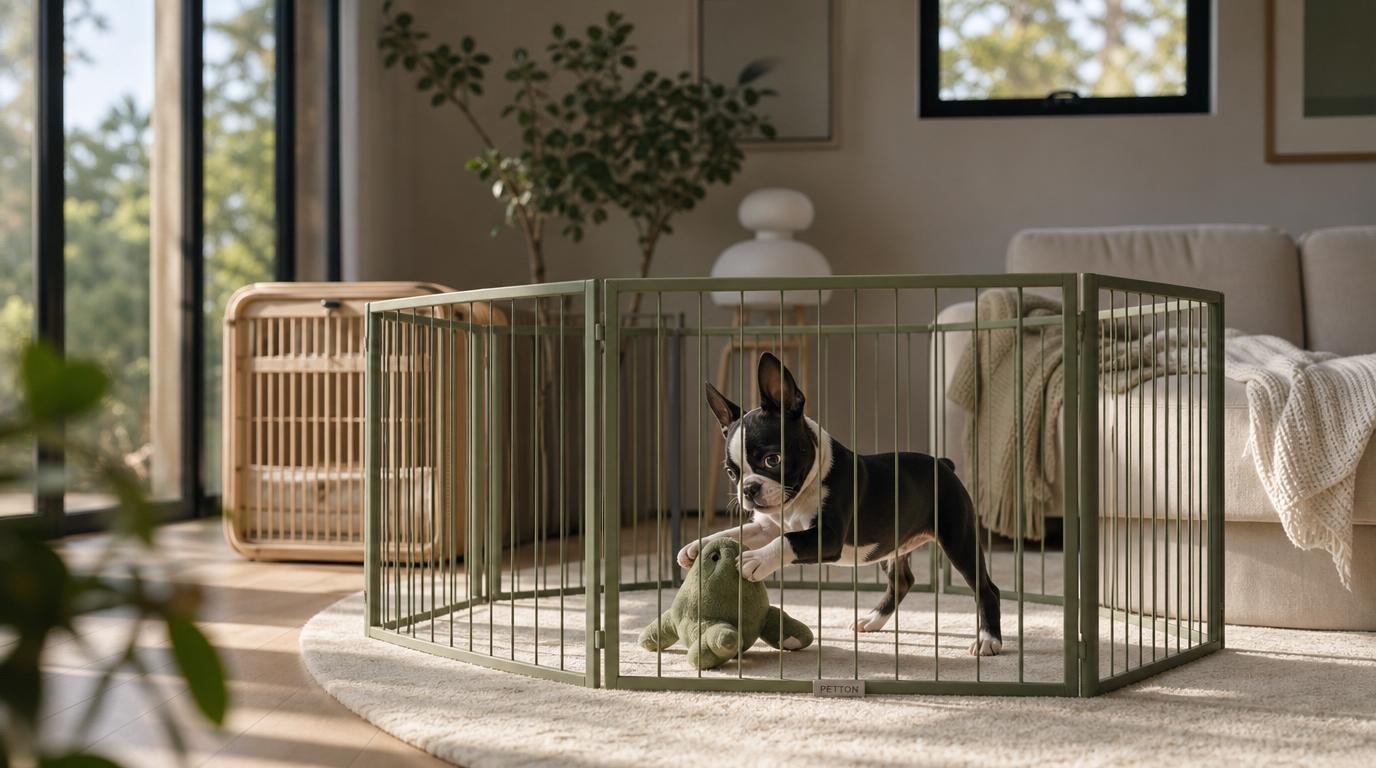 DOG
DOGCrate vs Playpen for Dogs: What’s Better for Aussie Owners?
Crate, playpen, or both? We compare the two so you choose the right safe space for your dog's age, size and temperament.

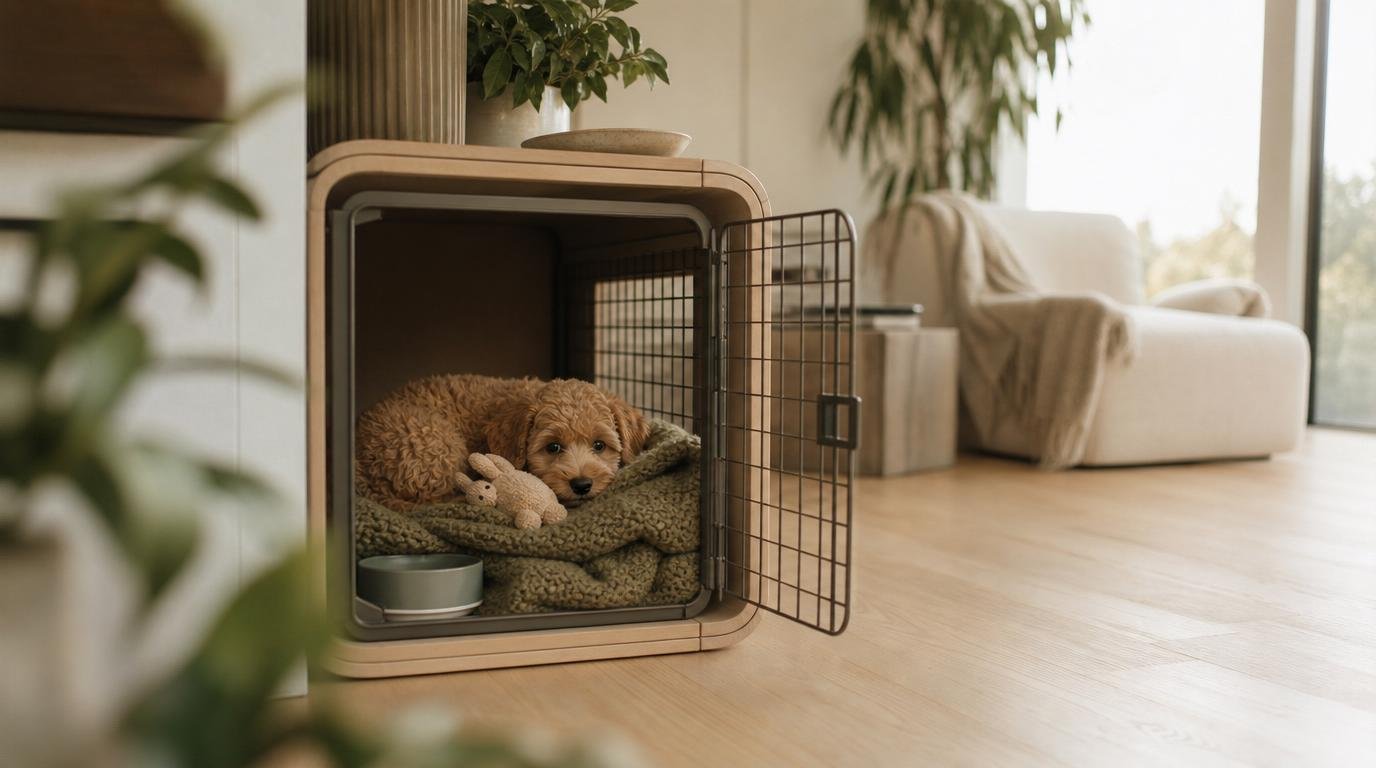 DOG
DOGHow to Manage a Puppy Crying in the Crate
Those first crate nights are tough on everyone. Here's how to settle a crying puppy and build calm, confident crate habits.
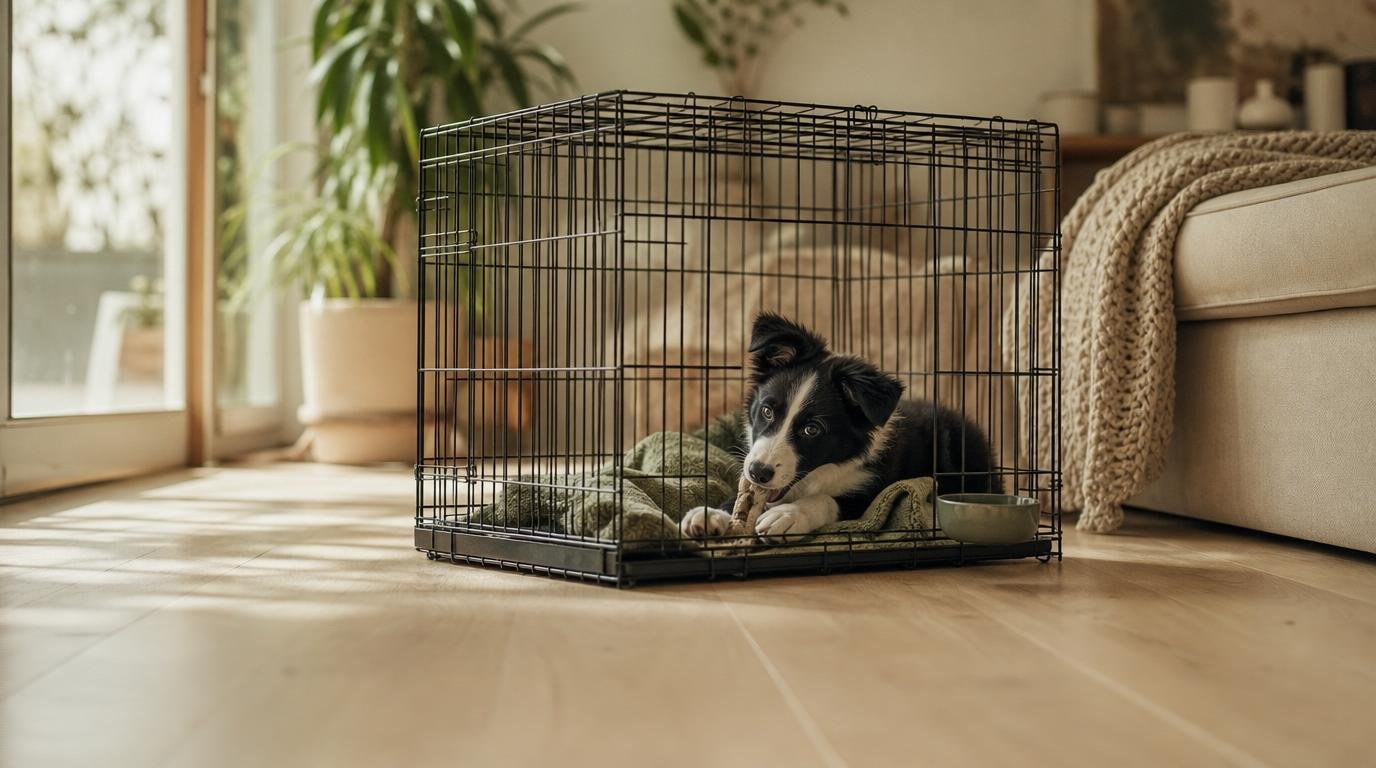 DOG
DOGSafely Crate Training a Puppy During the Day: Full Schedule by Age
Daytime crating builds confidence — if you pace it right. Here's a gentle, age-by-age schedule that actually works.