Dogs | Dog Training
How to Manage a Puppy Crying in the Crate
In Australia, ensuring your puppy sleeps safe and sound is important for their well-being (and your sanity!). A crying pup in a crate can test anyone’s resolve at 2am. In this guide, we’ll cover practical steps to help stop the whining and create a positive crate experience. You’ll learn how to set up the crate, establish a soothing routine, and respond to cries the right way — all backed by expert advice like an RSPCA Australia puppy guide to keep things humane and effective.
The Upshot
Midnight whinging is normal — patience and routine fix it in a few nights.
Set the crate up like a small den near your bed, run a calm bedtime routine, and respond to genuine needs (toilet, water) without rewarding the whining itself. Most pups settle within a week or two, and the crate becomes the place they actively choose for a nap.
Best Calming Toy

SmartPetLove Snuggle Puppy Behavioral Aid Toy
- Heartbeat eases first-night anxiety
- Optional heat pack for warmth
- Not a chew toy — supervise play
See the full Product Guide: Best Dog Toys for Puppies in Australia
Best Premium Crate

Sherpa Travel Original Deluxe Pet Carrier
- Airline-cabin approved for travel
- Lightweight and easy to carry
- Soft-sided, small pets only
See the full Product Guide: Best Travel Crates: Airline Approved, Car Safe

A crying puppy at 2am is one of those rite-of-passage moments of first-time dog ownership. It’s also one of the easiest to get wrong — small reactions in those early nights can teach lifelong habits, either way.
This guide covers the why, the setup, and the response. Get those three right and most pups settle within a week or two, with the crate becoming a genuine safe space rather than a battleground.
Quick Takeaways
The five things worth remembering. Scroll across to read all five.
Some crying is normal
A new puppy adjusting to sleeping without mum and littermates will whimper at first. Gentle reassurance and consistency settle them faster than panicked midnight rescues ever do. Patience really is the secret ingredient.
Make it cosy
Add soft bedding, a toy or blanket with familiar scents, and keep the crate out of cold drafts or stuffy heat. Placing it near your bed early on helps your pup feel close and comforted by your presence.
Run a bedtime routine
Toilet your pup right before bed, feed dinner a couple of hours earlier, and tire them out with play — then a calm wind-down. A predictable sequence tells them it’s time to settle.
Don’t reward whining
Letting the puppy out at the first whimper teaches them whining works. Wait for a quiet moment to respond, so your pup learns that calm behaviour gets your attention and middle-of-the-night fuss does not.
Stay consistent
With time — often just a few nights to a week or two — your puppy will feel secure sleeping in the crate and the midnight whimpers will fade. Gentle and consistent wins this round.
Why puppies cry in the crate at night
First, it helps to understand why your puppy is crying. The most common reason is simple: they feel alone or a bit anxious. Imagine being a tiny pup who, until yesterday, slept in a pile of siblings — suddenly they’re in a new home, perhaps on a humid Gold Coast night, without their familiar comforts. It’s no wonder they’ll vocalise (and loudly!) to express loneliness or confusion.
Puppies may also cry because they need something: a toilet break is a big one, especially for very young pups with little bladders, or they might be hungry or thirsty.
In some cases, the crying can mean the puppy is uncomfortable — too cold on a winter night in Tasmania, or too hot in a closed space during a tropical Queensland summer. Pay attention to the context: have they been fed, pottied, and exercised? If so, the whining is likely just “Hey, where is everyone?” rather than an emergency.
It’s important to remember that a puppy crying in the crate at night is a natural behaviour in the early days. In the wild (or even on an outback farm), a young pup would whine to call for mum. Your pup isn’t being “naughty” — they’re asking for reassurance.
That said, you don’t want to inadvertently teach them that crying = immediate attention, or you’ll be in for a long-term serenade! The goal is to meet your puppy’s genuine needs (e.g. toilet trips) without encouraging excessive sooking for attention. In the next sections, we’ll look at setting up the crate and routine to minimise distress, and how to respond when the whining does happen.
Setting up the crate and bedtime routine
A proper setup makes a world of difference in preventing those late-night howls. Start with the crate location: puppies are social creatures, so don’t banish the crate to the garage or backyard. It’s best to place it in a quiet corner of the house where your pup can still see or hear you — many Aussie owners put the crate in the bedroom or living area. This way, your puppy feels like part of the “pack” even while confined.
Ensure the crate has comfy bedding (but not too much if it’s hot and humid). In winter, a warm water bottle wrapped in a blanket can mimic the warmth of a littermate, whereas in summer you might use a cooling mat or simply ensure good airflow. In our top picks for puppy toys, our “Best Calming Toy” pick was the SmartPetLove Snuggle Puppy Behavioral Aid Toy, a plush “companion” with simulated heartbeat and optional disposable heat pack — often a fantastic pick for puppies in need of some comfort.
Always provide water in the crate as well, using a heavy bowl or dispenser so it doesn’t tip over. Comfort is key: include a soft toy or old t-shirt that carries your scent or the scent of the puppy’s mum — this familiar smell can be incredibly soothing to a pup feeling adrift.
Next, establish a calming bedtime routine. Consistency will signal to your puppy that it’s time to settle. For example, each evening you might take them for a final toilet break in the garden, then have a quiet cuddle or a gentle pat session (nothing too rousing) before putting them into the crate. Make sure all your pup’s needs are met: they’ve been fed a couple of hours before (to avoid a 2am poop call), they’ve had a little play early in the evening to burn off energy, and they’ve had an opportunity to pee right before bed. A well-exercised (but not overstimulated) puppy is more likely to conk out rather than protest.
Some owners use tools like a dog appeasing pheromone (DAP) diffuser (available from vets) or a ticking clock near the crate to mimic a heartbeat — these extras cost a bit, but can be worth it if your pup is particularly anxious. Also, consider covering the crate with a light cloth to make it den-like (leave plenty of ventilation) — many puppies feel more secure in a dark, den-like space. With the stage set like this, you’re stacking the odds that your pup will feel safe and comfortable when you say “Bedtime”.
Even with all this prep, expect some whining the first few nights. Stay patient and stick to the routine. Now let’s look at some common specific causes of crate crying and how you can address them:
| Cause of crying | How to help |
|---|---|
| Lonely or anxious | Place the crate near your bed or in a family area initially, so your puppy can hear and smell you. Include a comfort item (toy or blanket with familiar scent). Stay calm and reassuring, but don’t over-coddle — you want them to feel safe on their own, with you nearby. |
| Needs toilet or water | Young puppies have tiny bladders. Take your pup for a toilet break just before crating. If it’s been a few hours and you hear cries, they may genuinely need to go. Set an alarm to let them out for a quick, quiet potty trip, then back to the crate. Always have fresh water accessible in the crate to prevent thirst. |
| Uncomfortable or too energetic | Check the temperature and bedding — ensure your pup isn’t freezing or overheating. In hot climates, position a fan or AC to keep air flowing; in cold areas, provide extra blankets. Also consider if your puppy got enough exercise and mental stimulation before bedtime (see our picks for best interactive dog toys for mental enrichment). A bored, under-exercised pup will protest being confined. Provide a safe chew toy or a food-stuffed Kong in the crate to keep them occupied and tire them out mentally. |
Key Insight
For most adult dogs, RSPCA Queensland flags 3–4 hours as the maximum they should be crated at once. Young pups can hold even less — plan toilet breaks around the clock for the first few weeks.
Training your puppy to love the crate
The ultimate goal is for your puppy to see the crate as a positive, safe haven — not a jail. Start crate training during the daytime as well, not just at bedtime. The five steps below walk through the process most Aussie owners find works best, and our deeper guides on safe daytime crate training and safe nighttime crate training add a full age-by-age schedule.
-
Treat the crate like a treat bag
Start during the day. Toss treats inside and feed regular meals in the crate with the door open, so your puppy associates it with good things. The RSPCA is clear that a crate must never be used as punishment.
-
Close the door briefly
Once your puppy is going in happily, close the door for very short periods while you’re nearby. Gradually extend the time over days, not all at once. Keep your tone upbeat — never shove a pup in or scold them in the crate.
-
Ease off if they panic
Yelping, scratching furiously, or signs of real distress mean you’ve moved too fast. Shorten the sessions, make them more rewarding, and rebuild slowly. Pushing through panic teaches the wrong association.
-
Sleep in the same room at first
For the first few nights, put the crate near your bed. The closeness reduces anxiety dramatically. Once your pup is sleeping calmly through the night, you can gradually move it further away.
-
Keep night interactions low-key
When your pup cries at night and you do need to take them out for a toilet break, keep it short and boring. No playtime or treats — pup learns nighttime is for sleeping, and cries don’t summon a party.
One more thing — be mindful of how long your puppy spends in the crate. It’s fine (even helpful) for a few hours or overnight with breaks, but puppies can’t hold on forever. In practice, this means if your 8-week-old puppy goes into the crate at 10pm, you’ll likely need to provide a pit stop by midnight or 1am. Planning for these breaks (rather than reacting to frantic cries) will help both of you. By gradually extending the time between breaks as your puppy matures, you’ll get to that golden goal: a full night’s sleep for you and a content, quiet pup in the crate.
FAQ
Should I ignore my puppy crying in the crate at night?
It might feel cruel, but you generally should not rush to let your puppy out the moment they start crying. If you’re confident all their needs are met (they’ve pottied, aren’t hungry or hurt), give it a few minutes to see if they self-soothe. According to RSPCA Queensland, we can accidentally reinforce whining by responding straight away — the puppy learns that “making a fuss brings mum or dad running”. Instead, wait for a brief pause in the crying, then calmly take them out for a toilet break or give a gentle pat as a reward for being quiet. This teaches that quiet behavior gets positive attention, not the crying. That said, use your judgement: if the crying is incessant and escalating, check that your pup is okay (and hasn’t gotten a paw stuck or genuinely needs the loo). But in general, stay low-key. No treats or playtime for whining; just a quick reassurance and back to bed. Over a few nights, your puppy will learn that nighttime crying doesn’t result in endless cuddles, and they’ll settle more quickly.
How long until my puppy stops crying at night?
Every puppy is different, but typically the worst of the crying lasts just a few nights to a week or two. Many young puppies will cry the first 1–3 nights as they adjust to the big change of environment. By night four or five, you might notice the whining periods getting shorter or less intense. By the end of the first week or two, most pups start catching on to the new routine — especially if you’re consistent each night. Remember, their little world has been turned upside down; it takes a bit of time to learn that the crate is safe and that you haven’t abandoned them. Stick to the plan (routine, ignore attention-seeking cries, respond for true needs only) and you’ll likely see improvement soon. If a month has gone by and your puppy is still absolutely beside themselves every night, it might be time to re-evaluate your approach — perhaps the crate training steps were rushed, or there’s an anxiety issue to discuss with your vet or a professional trainer. But for most pups, patience and consistency pay off relatively quickly.
How do I handle nighttime toilet breaks while crate training?
Nighttime toilet trips are a fact of life with a young puppy. The trick is to manage them in a way that doesn’t teach the pup that crying is the way out. Ideally, be proactive: figure out roughly how long your pup can hold their bladder (a common guide is their age in months = hours they can wait, though it varies). Then set an alarm for a bit before that limit. For example, if you have a 10-week-old, maybe plan a 3-4 hour interval. When the alarm goes off (or if you hear your pup stirring but not yet full-on crying), quietly take them out to their potty spot. Keep the lights dim and interaction boring and brief — this isn’t playtime or cuddle time. Let them do their business and then guide them right back to the crate. It helps to have a keyword like “toilet” and softly praise when they go, but otherwise keep things low-key. The RSPCA notes it’s better to set your alarm and let the pup out when they’re quiet than to be woken by howling and rush in reactive. As your puppy grows, you can gradually extend the time between these breaks until they can comfortably sleep through the night. And remember, accidents will happen — if you sleep through an alarm or your pup couldn’t hold it, just clean up without fuss. They’re learning, and with time their bladder capacity (and your sleep hours) will improve.
Where should I put the crate at night?
For the first few nights or weeks, it’s a good idea to have the crate in your bedroom or close by, so your puppy can sense that you’re around. This might seem counterintuitive — aren’t we trying to teach them independence? — but remember, the pup has just been separated from their canine family. Placing the crate near you helps reassure them that they’re not alone in the wild. You’ll likely find that if they can hear your breathing or catch your familiar scent, they settle more easily. Plus, you’ll be more readily awoken if they truly need something (better than if they were tucked away in the laundry and you slept through early warning whimpers). Do what works for you, but don’t feel like you must isolate the pup from day one. A bit of closeness now can actually foster more confidence and independence later on.
Final thoughts
Those first nights with a new puppy can be tough — I won’t sugarcoat it. The key is to be gentle but firm in your approach. By making the crate a cosy haven, meeting your puppy’s needs, and responding strategically (lots of love when they’re quiet, less so when they’re noisy), you’re teaching them an important life skill: how to be calm and secure on their own. Before long, your little mate will be snoozing through the night like a champ, and you’ll wonder what you were so worried about. And hey, you might even miss those tiny midnight whimpers someday — okay, maybe not!
The important thing is you’re setting your pup up for a lifetime of good habits. If you ever feel at your wit’s end, reach out to a vet or qualified trainer for guidance — there’s plenty of support in the Aussie pet community. Enjoy the puppy phase, sleepless nights and all, because it passes quicker than you think. With patience, consistency, and a heart full of love, you and your furry friend will get through this stage and wake up to brighter (and quieter) mornings ahead.
We Think You’ll Also Like These Guides
 DOG
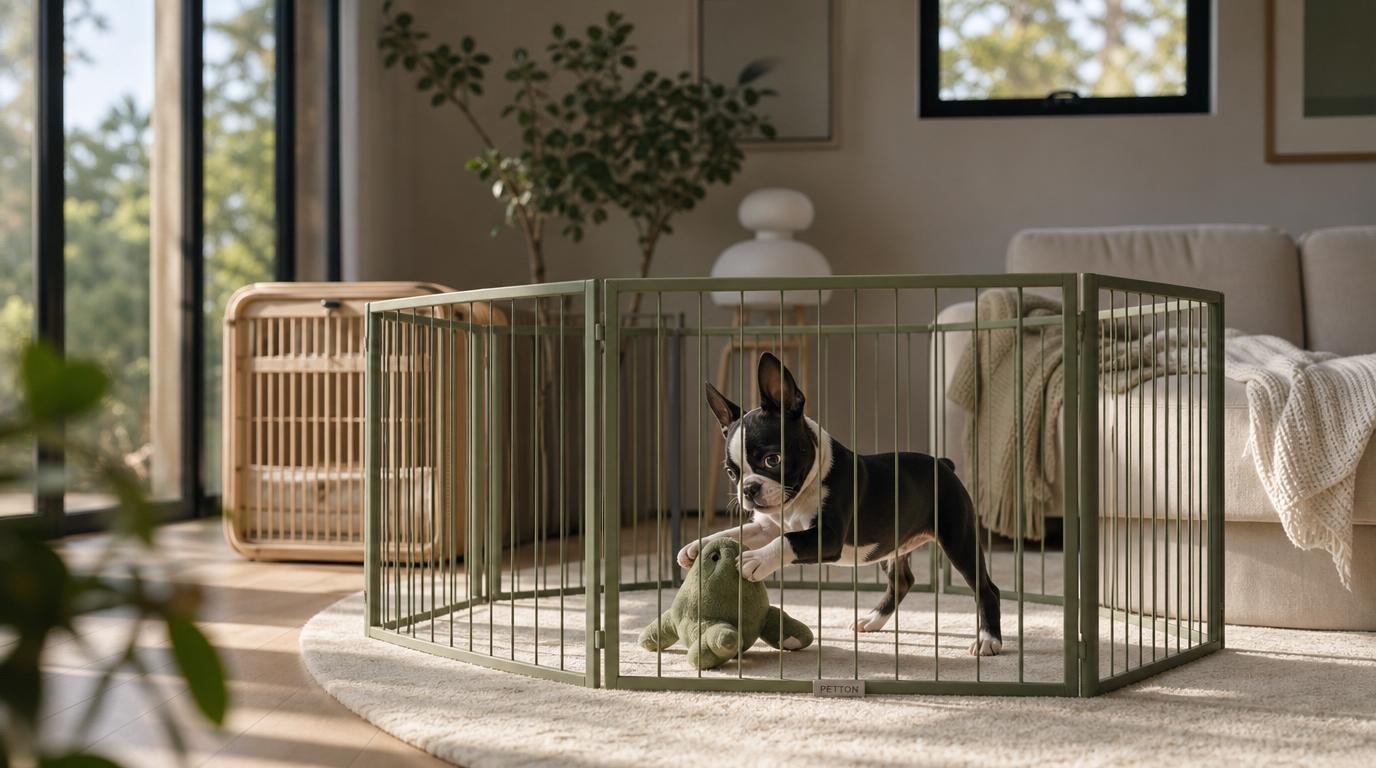
DOGCrate vs Playpen for Dogs: What’s Better for Aussie Owners?
Crate, playpen, or both? We compare the two so you choose the right safe space for your dog's age, size and temperament.

 DOG
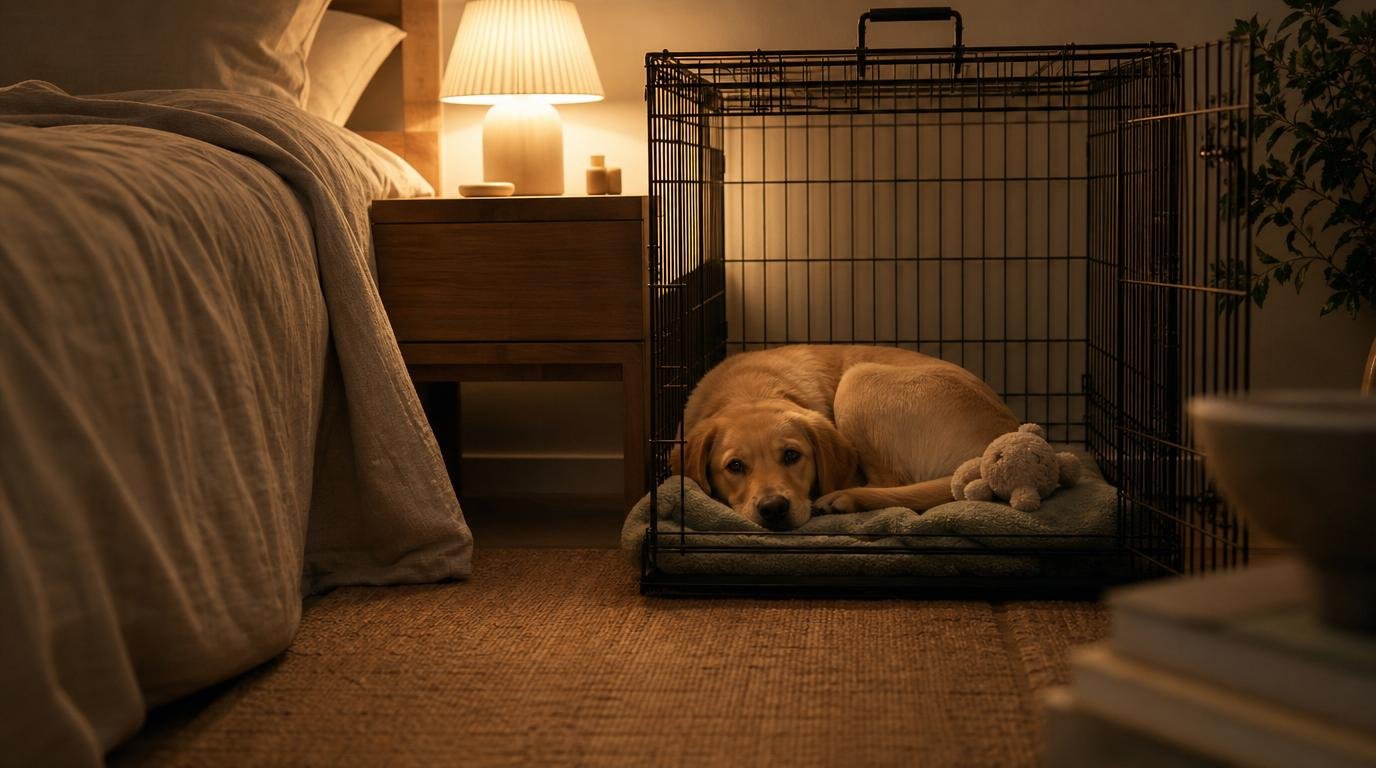
DOGSafely Crate Training a Puppy at Night: Full Schedule by Age
Night crate training tests every new owner. Here's a calm, age-by-age schedule to get your puppy sleeping soundly.
 DOG
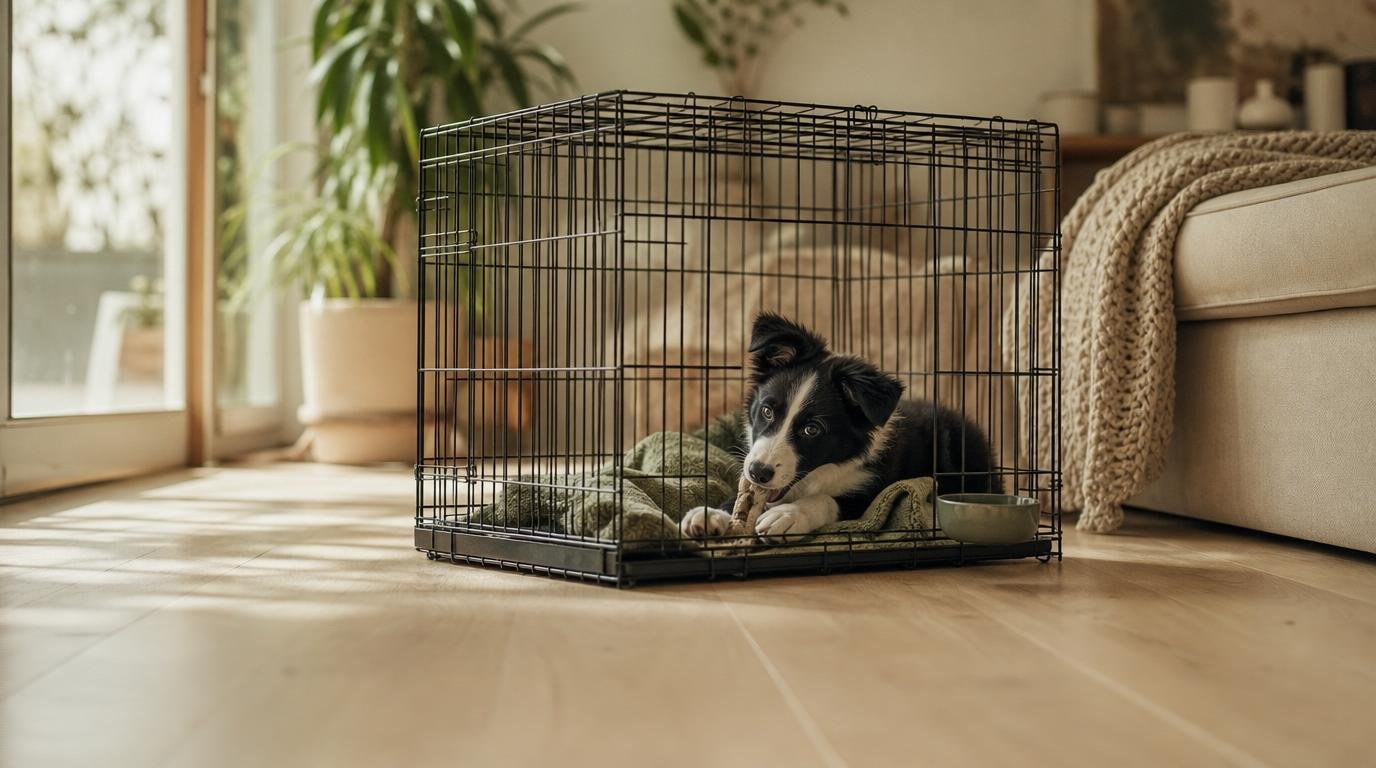
DOGSafely Crate Training a Puppy During the Day: Full Schedule by Age
Daytime crating builds confidence — if you pace it right. Here's a gentle, age-by-age schedule that actually works.