Dogs | Health | Lifestyle
Can my Dog Sleep Outside in Winter in Australia?
As an Aussie dog owner, I’ve often wondered (usually while shivering on a chilly July night): Can my dog sleep outside in winter in Australia? The truth is, it depends on your dog, your setup, and just how cold and wet the winter gets in your part of the country. My staffy mix, Pepper, would hog the doona rather than spend a night out in the cold – but I’ve fostered thick-coated dogs who happily snooze under the stars. Let’s have a straight talk about keeping our four-legged mates safe when the temperature drops.
The Upshot
Most dogs can handle an Aussie winter outside — but only if you do the work.
A decent shelter, dry bedding, and a bit of extra food go a long way for healthy adult dogs with the coat for it. But puppies, seniors, and short-coated breeds aren’t built for cold nights — and no amount of kennel upgrades changes that. When the temperature drops hard, bring them in.
Best No-subscription GPS

PitPat GPS Tracker for Dogs
- GPS tracking with unlimited range
- No monthly subscription fees
- Higher upfront cost
See the full Product Guide: Dog GPS Trackers with No Subscription
Best Budget Crate
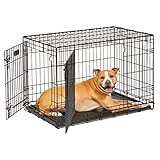
MidWest Life Stages Double Door Folding Dog Crate
- Long-trusted, durable steel wire build
- Folds flat for easy storage
- Steel can corrode in damp conditions
See the full Product Guide: Best Travel Crates: Airline Approved, Car Safe

Aussie winters aren’t all sunshine and barbies – some regions get frosts and even snow, and our pets rely on us to keep them comfy. In this guide, you’ll learn how to judge if it’s too cold for your dog, how to set up a snug outdoor shelter, and when it’s best to bring them inside.
We’ll cover tips for everything from balmy Brisbane evenings to frosty Tassie nights, including special care for puppies and seniors. (And don’t worry, I’ll throw in advice from vets and the RSPCA winter pet care tips to keep it legit.)
Quick Takeaways
The five things worth remembering. Scroll across to read all five.
Climate drives the call
A Darwin winter barely dips below 15°C; a Canberra cold snap can hit zero. What counts as safe to sleep outside changes completely depending on where you live and how exposed your yard is.
Breed and coat matter
Double-coated breeds like Malamutes handle cold far better than short-haired or small dogs. Puppies, seniors, and those with health issues feel it sooner — they’re almost always safer sleeping indoors during winter.
Shelter is non-negotiable
A weatherproof kennel elevated off the ground, positioned out of the wind, and lined with thick dry bedding is the bare minimum. Without it, even cold-tolerant breeds will struggle on a bad night.
Know the warning signs
Shivering, whining, curling into a tight ball, or lifting paws off cold ground are all signs your dog is too cold. Cold ears and a cool chest confirm it — time for extra warmth or a move indoors.
Feed and water right
Outdoor dogs burn more energy staying warm, so a little extra food in winter helps fuel their internal heater. Always check water hasn’t frozen overnight — a plastic bowl handles frost better than metal.
How cold is too cold for your dog?
Australian winters range from mild to downright bone-chilling, so “too cold” really depends on where you live and your dog’s traits. In Queensland or WA’s north, winter nights might only dip to 15°C – most healthy dogs will be fine with a good bed. But in the Snowy Mountains or Tassie highlands, temperatures can plummet below 0°C, which is tough on any dog without serious protection.
Size, breed and coat thickness play huge roles. A husky or Malamute (built for sub-zero climates) might happily sleep outside in a well-sheltered spot, while a whippet or staffy (like my Pepper) will be shivering as soon as the mercury drops into single digits. As a rule of thumb, if you’re feeling the chill, your dog probably is too (unless you own one of those double-coated snow lovers).
Pay attention to your pup’s behaviour: are they reluctant to settle down, whining or scratching at the door? Shivering or curling up tightly with their tail over their nose? Those are canine hints that it’s uncomfortably cold outside. Also check their ears and paws – if they feel like little ice blocks, that’s a sign your dog is not having a good time out there.
Cold wind and rain can make things worse quickly, potentially leading to hypothermia in extreme cases. Older dogs, puppies, and those with health issues will struggle even more when it’s cold (stiff joints and weak circulation don’t mix well with winter).
Bottom line: know your dog and your environment. Five degrees and clear might be okay for a fit cattle dog in a sheltered kennel, but the same five degrees could be far too cold for a short-haired indoor pooch who’s never slept outside. Always gauge both the temperature and your dog’s comfort – there’s no shame in bringing them inside if they’re miserable.
Particularly in our summer months, you also need to be able to recognise when it is too hot for your dog.
Setting up a cosy outdoor shelter
If your dog is going to sleep outside in winter, you’ve got to create a snug, weather-resistant den for them. The days of tossing an old blanket on the back patio and calling it a night are over. At a minimum, your dog needs a proper kennel or covered area that keeps out rain, wind, and drafts. It should be elevated off the cold ground and ideally insulated a bit. Place the opening away from prevailing winds – no one likes an icy breeze hitting them in the face at 2 am.
And let’s talk bedding: pile it on! Use thick blankets or pet beds that are dry and warm. I rotate Pepper’s blankets so she always has a dry one while the other’s being washed and dried. An Aussie council put it plainly: if your dog sleeps outside, provide a covered shelter for protection and warm bedding for winter. In short, make their outdoor quarters as cosy as a swag by the campfire.
| Item | Details |
|---|---|
| Shelter | A sturdy, weatherproof dog kennel or sheltered area is a must. It should have a solid roof and walls to block wind and rain. Position it in a spot that’s naturally shielded (e.g. under an eave or beside the house) and off the ground (use bricks or a pallet base) to avoid the cold, damp earth sucking away heat. |
| Bedding | Thick, dry bedding can be a lifesaver on cold nights. Line the kennel with blankets, old towels, or a purpose-made thermal pet bed. The bedding should cover the floor and even up the sides a bit for insulation. Check and wash the bedding regularly – a damp or dirty bed will make your dog colder. In a pinch, straw or hay can provide warmth in outdoor kennels (just replace it often and watch for ticks). |
| Clothing | Not every dog will tolerate a doggy jacket, but many short-haired or small breeds appreciate the extra warmth. A well-fitted dog coat or sweater can help your pup retain body heat, especially overnight. Make sure it’s snug but not restrictive, and remove or adjust it in the morning if the day warms up. (Never put your dog to bed in a wet coat – that’ll do more harm than good!) |
| Food & water | Dogs burn more energy staying warm in winter, so consider giving your outdoor sleeper a bit more food in the colder months. A few extra biscuits (or a bit more dinner) can help them generate body heat. Always have fresh water available, consider a dog-safe multivitamin and – in frosty areas, use a plastic water bowl (metals can ice up or even freeze water solid). Check that the water hasn’t frozen overnight and replace it each morning. Hydration still matters, even when it’s cold! |
Puppies and senior dogs need extra care
Very young and old dogs are a special case when it comes to winter weather. Puppies haven’t built up the fat or full fur coat they need to stay toasty – plus, they’re often wiggly little things that won’t stay under blankets. Honestly, I wouldn’t leave a young pup (say under 6 months) sleeping outdoors on a cold night if it can be helped. They can get dangerously cold, fast.
Likewise, senior dogs often have a harder time regulating their body temperature. Older joints stiffen up in the cold and conditions like arthritis can flare when it’s chilly. An elderly dog who’s spent most of life outdoors might cope okay if they have a superb shelter, but many grey-muzzled pals really appreciate the extra comfort of coming inside or having a heating pad in their bed as they age.
Use common sense: if your 13-year-old kelpie is slowing down and shivers outside, do them a favour and make a warm spot inside the laundry or garage. For puppies and seniors (and sick or thin dogs), being out in the cold is riskier. In fact, RSPCA experts stress that these vulnerable pets shouldn’t be left out in harsh weather – when a cold snap hits, the safest bet is to bring them in where it’s warm.
FAQ
What temperature is too cold for a dog to sleep outside?
There’s no single magic number, because dogs vary so much. Generally, once the night temp drops into the single digits (Celsius), many dogs will start to feel the cold if they don’t have proper shelter or a thick coat. By around 5°C or below, it can be too cold for most dogs to be comfortable for long, unless they’re a cold-tolerant breed and have an excellent insulated setup. Freezing point (0°C) is a big red line – at or below that, exposure can become dangerous quickly for almost any dog (water dishes freeze, and the risk of hypothermia is real). Always factor in wind chill and dampness too: 8°C on a dry, calm night might be fine for a husky, but 8°C with cold rain and wind could be miserable or unsafe for any dog. When in doubt, if it feels painfully cold to you, it’s probably too cold for your dog to sleep outside without serious protection. Better to be safe and provide extra warmth or bring them indoors.
Can my puppy sleep outside in winter?
It’s generally not a great idea for very young puppies to sleep outside in winter. Puppies can’t regulate their body temperature as well as adult dogs, and they have less body fat and thinner coats. They’re far more vulnerable to cold stress. I always recommend keeping puppies indoors at night – at least until they’re older, bigger, and have grown a decent coat. If you absolutely must have a pup outside (perhaps an older puppy that’s mostly grown), you’ll need to be extremely careful: provide a small, warm enclosure out of the weather, with plenty of bedding and maybe even safe heat packs, and check on them frequently. Even then, be aware that you might be risking the pup’s health. Remember that bring your pets indoors is the advice when a cold snap comes – that goes double for puppies. They’re much safer snuggled up inside with the family, even if it means a bit of newspaper and a mop in the morning for accidents.
Is it cruel to keep a dog outside in winter?
It’s not inherently cruel if you meet the dog’s needs, but it can be cruel if you don’t. Dogs are social animals and they feel the cold, just like we do. If a dog is left outside in winter without adequate shelter, bedding, or warmth, they can suffer – and that certainly crosses into neglect/cruelty territory. Legally in Australia, you’re required to provide proper housing, food, and water for pets. Morally, ask yourself: is my dog comfortable and safe out there? A content outdoor dog will have a cosy, dry spot to retreat to and won’t be spending the night shivering. Many working dogs live outside and do fine, but they usually have appropriate kennels and often a canine buddy with them. The RSPCA’s stance is that dogs should be inside with the family whenever possible – and if they must be outside, they need a weatherproof kennel with warm bedding as the next best thing. In short: keeping a dog outside isn’t cruel so long as you’re truly looking after their welfare (think of it as making their outdoor life as comfortable as an indoor one). If you’re unwilling or unable to do that, then yes, the dog would be better off inside.
How can I tell if my dog is too cold at night?
Your dog will show you if they’re uncomfortably cold. Common signs include shivering or trembling (just like us, dogs shiver to generate heat). You might see them lift their paws off the cold ground or tuck their tail tightly around themselves to conserve warmth. If your dog is normally active but is hunkering down in one spot or refusing to leave their sheltered area, they’re trying to stay warm. Whining, barking, or scratching at the door can be a dog’s way of saying “Hey mate, I’m freezing out here, let me in!” Also feel their ears and body – if your dog’s ears are icy cold and their chest feels cool to the touch, they’re not retaining enough body heat. In extreme cases, a very cold dog might become lethargic and slow to respond (a warning sign of hypothermia). Basically, any behaviour that looks like they’re uncomfortable or desperate to get warm means it’s too cold for them. At that point, do the right thing: add more blankets, bring them into a warmer area, or let them inside if possible.
Final thoughts
Winter in Australia can be a mixed bag – mild one day, freezing the next. Our dogs rely on us to use a bit of Aussie common sense on their behalf, and if your dog is anything like Pepper, they’ll let you know when they’re cold. The key is to plan ahead: provide a good shelter, lots of warm bedding, maybe a fashionable doggy jumper, and extra tucker to fuel their internal heater. And never be too proud to let them inside when the weather turns really ugly. At the end of the day, there’s no prize for Toughest Dog on the Block – we just want happy, healthy, comfortable pets.
So keep an eye on the forecast, keep an eye on your furry friend, and do what’s needed to keep them warm and safe. Your best mate will thank you with wagging tails and maybe a bit of drool on your Ugg boots. Stay warm, and give your dog an extra cuddle (or an extra blanket) from me and Pepper.
We Think You’ll Also Like These Guides
 DOG
DOGDog Safety in Emergencies: How to Protect Your Pet During Disasters in Australia
Bushfire, flood or storm — disasters strike fast. Here's how to plan ahead and keep your dog safe when an emergency hits.

 DOG
DOGYour Guide to the Best Dog Security Cameras in Australia 2026
Check in, talk back and toss a treat from your phone. We found the best pet cameras to watch over your dog while you're out.

 DOG
DOGHow to Prevent Dog Theft in Australia: Your Must-know Guide
Dog theft is rising, and prevention beats panic. Here's how to keep your dog safe at home, on walks and online.