Dogs | Enrichment | Toys
Best Dog Toys for Puppies in Australia – Ultimate Guide
Bringing home a new puppy is a joy, but it also means finding ways to channel all that boundless energy (and save your shoes). The right toys do three things at once for a puppy: relieve teething pain, burn off mental and physical energy, and help them feel comforted through the first wobbly weeks. The four toys below have been through enough Aussie puppy households to earn their place — durable enough for outdoor play, gentle enough for indoor cuddles, and sized for paws and jaws that are still figuring themselves out.
Best Overall

KONG Puppy Toy, Small
- Soft rubber gentle on teething
- Doubles as a treat dispenser
- Can be messy if overfilled
Best Calming Toy

SmartPetLove Snuggle Puppy Behavioral Aid Toy
- Simulated heartbeat eases anxiety
- Great for first nights at home
- Batteries add ongoing cost
Best for Teething

Nylabone Just for Puppies Teething Keys
- Soothes sore gums during teething
- Tasty bacon flavour built in
- Rough edges develop over time
Best Enrichment Toy

KONG Wobbler, Small
- Sturdy, hard to tip over
- Unscrews for easy filling
- Not a chew toy

We tested a stack of puppy toys across Pepper’s foster siblings and a long string of newly-arrived pups to find four that genuinely earn their place in those first six months. Quality matters — sturdy toys can prevent problem chewing — so we focused on reputable brands and designs that won’t fall apart on day two. Each addresses a distinct puppy need — a versatile rubber chew/treat-stuffer for daily use, a calming heartbeat plush for the lonely first nights, a purpose-built teething chew, and a mental enrichment puzzle that turns dinner into a 15-minute workout. Below: what to weigh up before buying, the four compared side-by-side, and the full notes on each.
What to look for in a puppy toy
The five things that decide whether a puppy toy actually helps (rather than ends up in the bin in a week). Scroll across to read all five.
Gentle on teething gums
Puppy teeth are coming in until around six months, and gums are sore for most of that time. Look for softer rubber, fabric, or “puppy” labelled nylon — not adult-strength chews, which can crack developing molars. KONG Puppy and Nylabone Puppy lines are designed for this.
Size for now, not for later
A toy your puppy will “grow into” is too big to use today. Buy for current weight and jaw size, and accept you’ll re-buy a Medium when they hit six months. Too-small toys are a real choking hazard — when in doubt, size up.
Calming aids matter
The first week away from littermates is genuinely hard. A Snuggle Puppy with a heartbeat, a soft blanket that smells like mum, or even a ticking clock can help. Crate training goes far smoother with a calming aid than without one.
Mental work tires faster
A 10-minute KONG Wobbler session tires a puppy more than a 30-minute backyard zoomie. Mental work uses more energy proportionally. Feed at least one meal a day through a puzzle toy and you’ll see calmer evenings.
Inspect daily, retire often
Puppies are surprisingly destructive, and toys that looked fine yesterday can be falling apart by tomorrow. Check toys at the end of each day; bin anything with cracks, frays, exposed stuffing or sharp edges. A swallowed toy fragment is an emergency vet trip.
At a glance
Our top four picks compared — what they’re best at, key features, prices and where to check.
| Rank | Product | Best for | Key feature | Approx. price | Check price link |
|---|---|---|---|---|---|
| Best Overall |  | Most puppies; daily chew + treat-stuffer | Softer rubber than the standard KONG; stuffable and freezable for teething relief. | ~$10-20 AUD | Check price |
| Best Calming Toy |  | First nights at home; crate training | Plush toy with battery-powered heartbeat unit and optional heat pack. | ~$60-80 AUD | Check price |
| Best for Teething |  | Teething puppies with sore gums | Softer puppy nylon with massage ridges and bacon flavour throughout. | ~$19–$29 AUD | Check price |
| Best Enrichment Toy |  | Mental enrichment; slow feeding | Weighted treat dispenser that tips back upright as the puppy nudges. | ~$25-35 AUD | Check price |
Our picks in detail
What we love, what to watch out for, and who each pick really suits.
Best Overall: KONG Puppy Toy, Small
Bottom line — the first toy to put in a puppy’s basket: soft for teething gums, versatile for treat-stuffing, lasts into adulthood.
The classic KONG Puppy is the toy almost every new dog owner ends up with — and for good reason. It’s a softer formulation than the standard red KONG, built to handle puppy teething without being too hard on developing gums. The unpredictable bounce sends a curious puppy chasing in random directions, which burns off energy in a hurry and tires them out faster than a structured fetch game.
The real value is the hollow centre. Stuff it with a bit of peanut butter (xylitol-free), kibble paste or wet food and you’ve turned a fetch toy into a 15-minute slow-feed puzzle. In summer, freeze the stuffed KONG and it becomes a puppy popsicle — relief for teething gums plus a long, quiet engagement on a hot day. The Small size suits most pups; larger breeds will graduate to Medium within a few months. Cleanup is a soak in warm soapy water or the top rack of the dishwasher. The honest caveat: plain rubber doesn’t excite most puppies — you’ll need to stuff it to keep them coming back.
| What we love | Areas for improvement |
|---|---|
|
|
Best Calming Toy: SmartPetLove Snuggle Puppy Behavioral Aid Toy
Bottom line — the first-month essential for a new puppy: the heartbeat actually calms them through the lonely first nights.
When you need a new puppy to feel safe and settled — especially during the first nights or crate training — the SmartPetLove Snuggle Puppy is a real difference-maker. It’s a soft plush toy with a battery-powered heartbeat unit tucked inside, mimicking the steady rhythm of curling up against littermates. There’s also a heat pack option for added warmth. The combination has a calming effect within minutes for most puppies on their first night away from mum.
Build quality is solid — the plush is durable enough to take some carrying around but isn’t billed as a chew toy. Remove the heartbeat unit and heat pack at playtime so puppy doesn’t try to dig them out. There’s an 8-hour auto-off mode if you prefer not running it 24/7, and the heartbeat lasts about two weeks on a battery. Higher upfront cost than a basic plush, but for the first month at home it earns its keep — and you can keep using it through crate training and car rides for months after.
| What we love | Areas for improvement |
|---|---|
|
|
Best for Teething: Nylabone Just for Puppies Teething Keys
Bottom line — the right chew for moderate puppy teethers: softer than adult Nylabones, bacon-flavoured, and shaped for puppy paws and gums.
When a puppy is in full teething mode (i.e. chewing every shoe, cable and skirting board in sight), these Nylabone teething keys earn their place. They’re a durable nylon chew shaped like a set of colourful keys, with ridges along each one that work as a chew-and-massage tool for sore gums. The bacon flavour is infused right through the nylon, so the taste doesn’t fade after the first session.
The material is firm but intentionally a bit softer than adult Nylabones, so it gives slightly under puppy teeth without being so hard it risks cracking developing molars. Most puppies take to it within the first day — one sniff of the bacon scent and they’re sold. The honest caveat: this chew is built for moderate puppy chewers. A really powerful little shark (Staffy and Bully pups, looking at you) might put dents in it within weeks, or scrape off tiny shavings. Inspect it regularly, and graduate them to a tougher adult Nylabone once they’re past teething age.
| What we love | Areas for improvement |
|---|---|
|
|
Best Enrichment Toy: KONG Wobbler, Small
Bottom line — the mental workout for growing puppy brains: feed dinner through it and watch them tire out properly.
The KONG Wobbler is a weighted treat dispenser shaped like a KONG with a base — fill it with kibble, give it a nudge, and watch a puppy work for their food for 10-15 minutes per meal. For a young puppy whose brain is developing rapidly, this kind of food-driven puzzle work tires them out faster than a walk. It’s also a brilliant slow feeder for pups who’d otherwise inhale their dinner in 30 seconds.
The base is weighted so the Wobbler bobs and tips back upright when the puppy paws or nudges it — it doesn’t just roll away under the couch. The top unscrews for easy filling and cleaning. It effectively turns mealtime into a game, which is excellent for mental stimulation and slowing down fast eaters. Two cautions: on hard floors (tiles, polished timber) it makes a fair bit of noise as it knocks around, so a rug or mat under it helps. And it isn’t a chew toy — the plastic isn’t built for puppy teeth, so put it away once the kibble is gone. Use it for at least one meal a day during puppy development.
| What we love | Areas for improvement |
|---|---|
|
|
FAQ
Are there any toys I should avoid giving my puppy?
How many toys should my puppy have at one time?
What’s the best way to clean puppy toys?
When should I replace my puppy’s toys?
My puppy isn’t interested in toys — what should I do?
Final thoughts
Puppyhood is a time of exploration, boundless energy and an alarming amount of chewing. The right toys make all the difference — guiding those curious mouths and active paws toward appropriate outlets rather than your shoes and skirting boards. The four picks above cover the puppy basics: the versatile KONG Puppy for everyday chew and treat-stuffing, the Snuggle Puppy for emotional support through the lonely first nights, the Nylabone Teething Keys for purpose-built gum relief, and the KONG Wobbler for mental enrichment that tires a puppy properly.
Keep an eye on wear and tear (a well-loved puppy toy can become a safety hazard quickly), be ready to swap toys out as your puppy grows or their needs change, and rotate the basket so nothing gets boring. No toy can replace your involvement — supervised play, training games and plenty of praise build the bond as much as they entertain. Pepper’s foster siblings have all come through these four toys, and it’s the consistency of having them in rotation that pays off, not any single one in isolation.
We Think You’ll Also Like These Guides
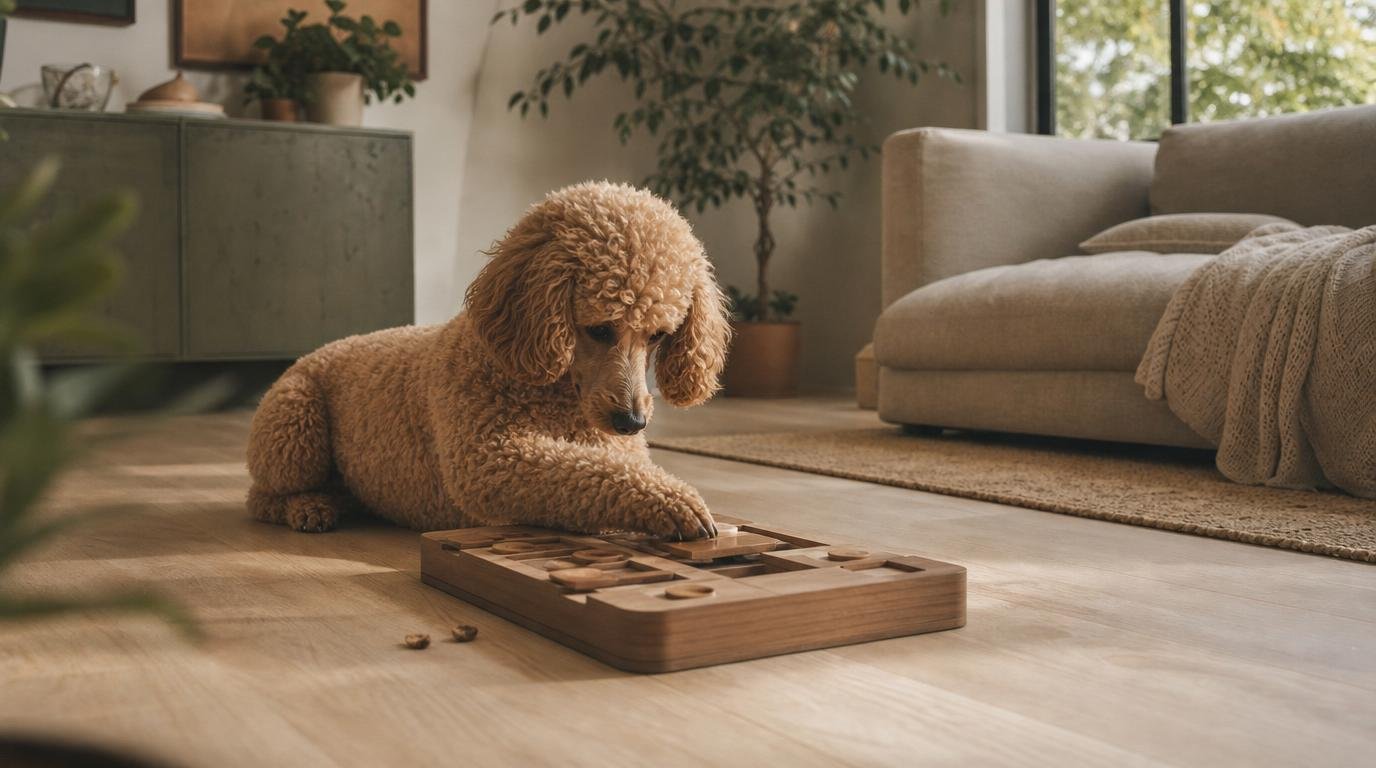 DOG
DOGBest Interactive Dog Toys in Australia: Your Ultimate Guide
Puzzles, dispensers and movers that make dogs think. We found the best interactive toys to beat boredom and burn mental energy.

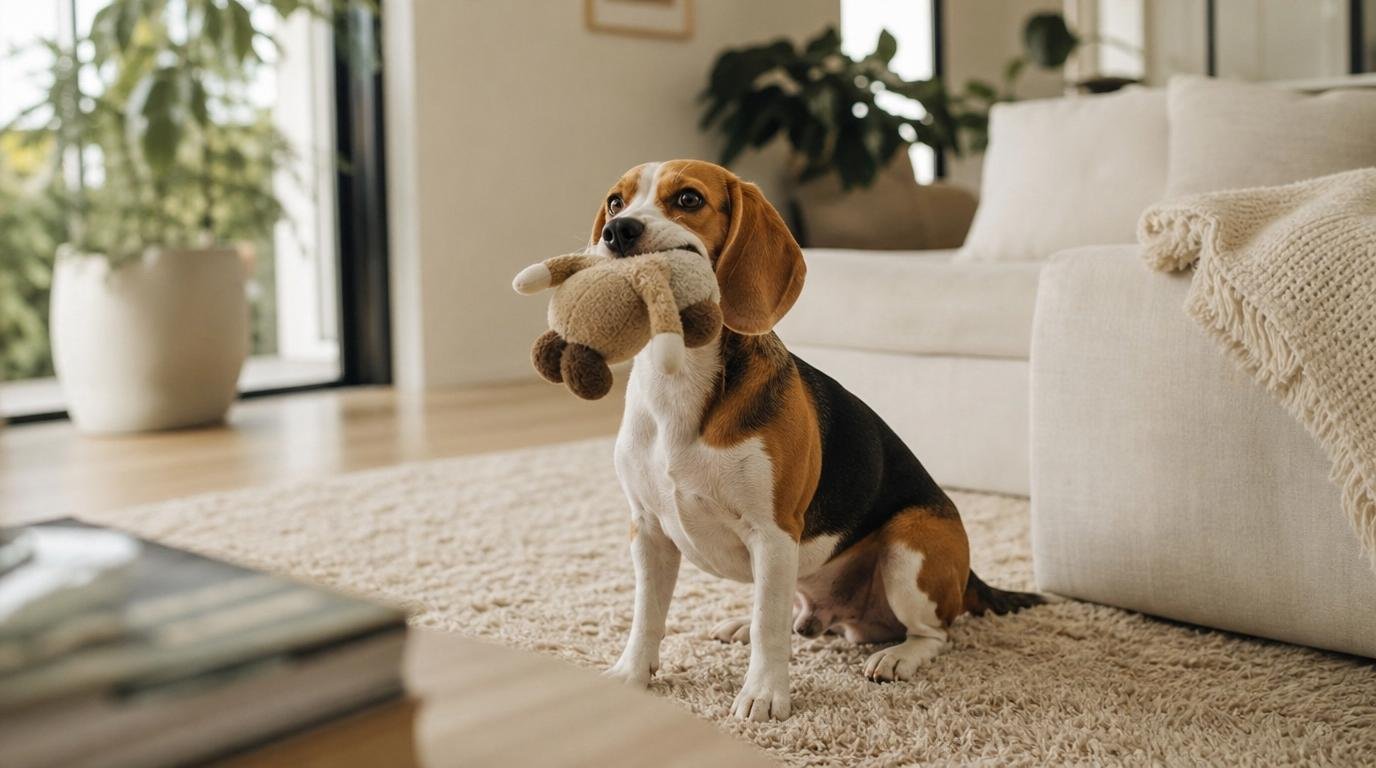 DOG
DOGBest Squeaky and Plush Dog Toys: Ultimate Guide
Soft, squeaky and endlessly loved — if they survive. We found the plush toys that last longer than five minutes.

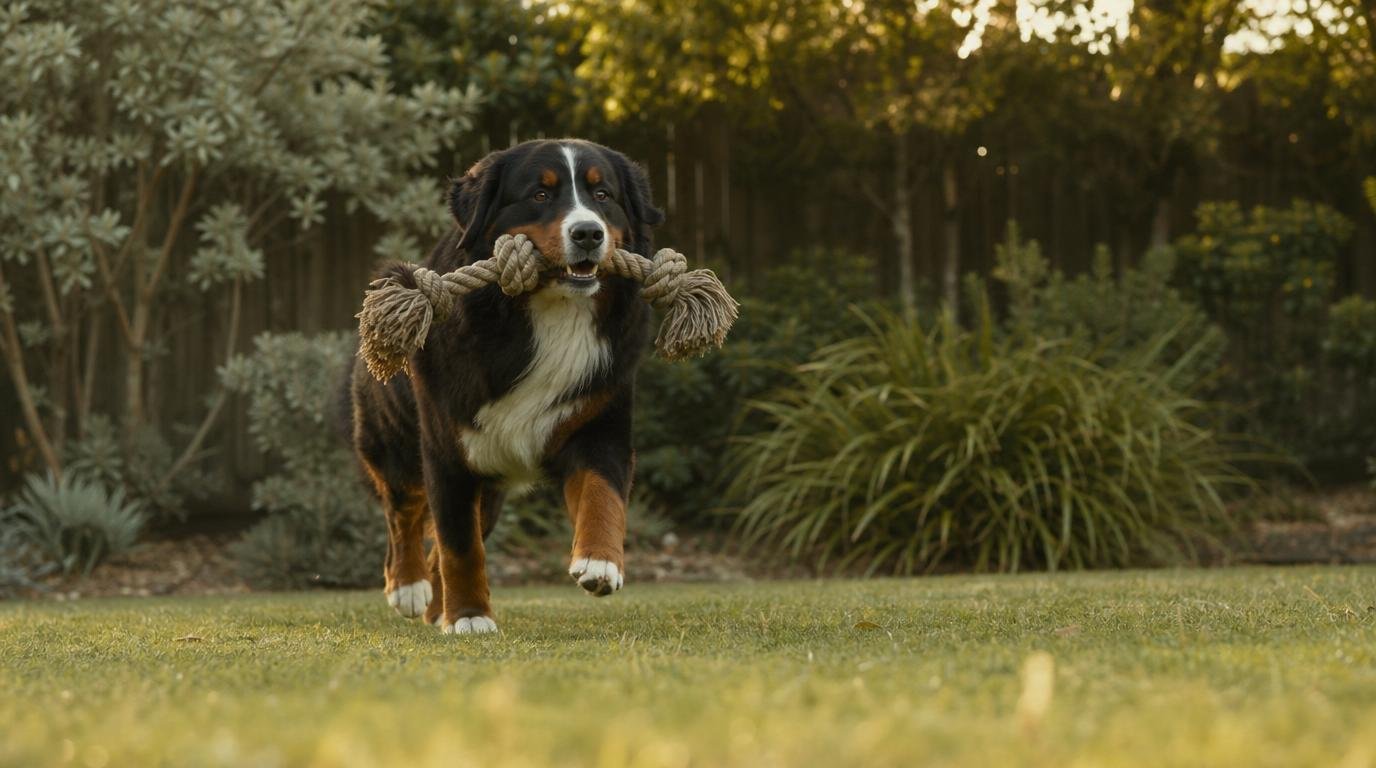 DOG
DOGBest Toys for Large Dogs in Australia: Your Ultimate Guide
Big dogs need big, tough toys that can take a beating. We found the best for power chewers and serious players.