Dogs | Accessories | Dog Training
Crate vs Playpen for Dogs: What’s Better for Aussie Owners?
If you’ve just welcomed a puppy, you’re probably tossing up whether a crate or a playpen will work best. With Australia’s hot summers and sudden storms, our dogs need a safe place to chill out — somewhere cool on a sticky arvo or cosy when the weather turns. A crate acts like a snug bedroom (Bruce the Golden Retriever is convinced his is a private penthouse), while a playpen gives pups room to bounce around without letting mayhem loose in the house. Both options are widely used across Aussie homes, and each can be handy in different situations.
The Upshot
Crate vs playpen isn’t an either/or — most Aussie pups need both, just at different times.
Use the crate for night sleep, car travel, and short focused settling. Use the playpen for daytime stretches when you can’t watch every paw. Connect the two and you’ve got a bedroom and a playroom — toilet training stays sharp, and your floors stay intact.
Best Premium Crate

Sherpa Travel Original Deluxe Pet Carrier
- Airline-cabin approved for travel
- Lightweight and easy to carry
- Soft-sided, small pets only
See the full Product Guide: Best Travel Crates: Airline Approved, Car Safe
Best Budget Crate
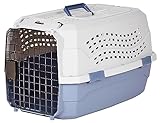
Amazon Basics 2-Door Top Load Hard-Sided Kennel
- Top-loading door for easy access
- Lightweight and compact
- Plastic latches, handle gently
See the full Product Guide: Best Travel Crates: Airline Approved, Car Safe

This guide will help you decide which option suits your pup and lifestyle. We’ll break down the pros and cons of crates vs playpens for dogs, including honest insights on costs and climate considerations. The RSPCA notes that crate training has many benefits (especially for toilet training) when done correctly.
By understanding how to use each tool safely and humanely, you’ll be equipped to make the best choice for your dog — and keep your household happy in the long run.
Quick Takeaways
The five things worth remembering. Scroll across to read all five.
Crate = snug den
Crates create a small, enclosed space that speeds up toilet training and gives your dog a secure spot to sleep or unwind. Most dogs naturally enjoy having a quiet retreat after busy play.
Playpen = play zone
Playpens offer more room to move, play, and include a potty area — great for short stints when you can’t supervise closely, but slower for quick house-training than a crate.
Neither is all-day
Crates are for short periods (a few hours max for adults). Playpens give a bit more room but still need regular check-ins and play breaks. Neither replaces walks and attention.
Mind the Aussie climate
Plenty of ventilation and water in hot weather, and keep crates or pens out of direct sun. A fan or covered patio can make a big difference on summer days.
Many Aussies use both
Crate at night or for the car, playpen during the day for safe play. You can even connect a crate to a pen for a bedroom-plus-playroom combo that gets the best of both.
Dog crates: pros, cons, and uses
A dog crate is essentially an indoor kennel — a secure, enclosed space just big enough for your pup to stand up, turn around, and lie down comfortably. Dogs are naturally den animals, so a crate (when introduced properly) feels like a safe little cave rather than a cage. In my experience, Bruce the Golden trots into his crate willingly for naps; it’s his own special retreat. Crates are fantastic for overnight sleeping and house training: most puppies won’t soil their sleeping area, which helps them learn to “hold it” until you take them outside. They’re also useful for containing chewing-happy pups when you can’t watch them for a short spell, and for travel — a crate keeps a dog secure in the car and gives them a familiar space in strange places.
However, crates do have downsides and must be used responsibly. A crate should never be a long-term babysitter — it’s cruel and unhealthy to leave a dog crated for hours on end regularly. Think of it as a toddler’s crib, not a jail cell. Your pup still needs plenty of exercise, play, and potty breaks; a crate is not a substitute for walks or attention.
Some dogs may initially whine or resist the crate, so patience and positive training are key (treats and praise go a long way). Also consider the climate: in hot Australian weather, ensure the crate is in a cool, ventilated spot. An open wire crate allows airflow — you can even point a fan toward it on a summer day. Always provide water inside (clip-on bowls are handy to avoid spills).
In short, used correctly, a crate can be a lifesaver for training and routine, but it comes with the responsibility to give your dog ample out-of-crate time and TLC.
Puppy playpens: pros, cons, and uses
A puppy playpen is like a child’s play yard — an enclosed area (often a portable fence or set of panels) that keeps your puppy in a defined space. It’s larger than a crate, so your pup can toddle around, play with toys, and even have separate zones for sleeping, eating, and toileting. For example, when Bruce was a mischievous pup, I set up a playpen in the lounge room with his bed, water bowl, and a few chew toys. This allowed me to cook dinner in peace, knowing he wasn’t off nibbling power cords or terrorising poor Luna.
The big advantage of a pen is freedom of movement: your puppy can stretch out and play safely without having free run of the house. If you need to duck out for a short errand or take a shower, a playpen offers peace of mind that your pup won’t be (for instance) digging into the couch or sprinting out the door.
On the flip side, a playpen doesn’t guarantee no mess or no escape. Because it has more space, a determined puppy might find a corner to pee in without too much fuss — meaning playpens can slow down toilet training compared to crates. You might end up using puppy pads or a patch of fake grass in one area of the pen, which is convenient but reinforces that pottying indoors is allowed.
Some clever (or acrobatic) pups figure out how to climb or push a pen, so you’ll need to choose a pen of appropriate height and sturdiness for your breed. Like crates, pens are not an all-day solution: your puppy shouldn’t be left alone for marathon stretches just because they have room to move. Supervision and interaction are still needed.
Also, consider the setup: if the pen is outdoors or on a porch, make sure it’s in shade and secure from hazards (I’ve heard of cheeky dingoes and goannas in rural areas eyeing little dogs, so always supervise outside!).
Cost-wise, playpens come in various sizes and materials — from lightweight plastic panels to heavy-duty metal gates — and you might invest in extensions or covers as your pup grows. Be prepared for a bit of ongoing expense if you’re buying puppy pads for pen use. Overall, a playpen is a wonderful tool to contain puppy mischief and give them space, but it works best in tandem with active training and human attention.
A well-used crate or pen isn’t a jail — it’s a comfort zone.
Crate vs playpen for dogs: which is right for you?
Choosing between a crate and a playpen really depends on your dog’s needs and your daily routine. Many Aussie dog owners actually use both, finding they serve different purposes. For instance, you might have your puppy sleep in a crate at night (to encourage a full night’s sleep without toilet accidents) but use a playpen during the day when you’re home but can’t watch the pup’s every move.
According to RSPCA Tasmania, if a crate isn’t your style, a puppy-proof pen with a little toilet area (like real or artificial grass) can be a good alternative — just bear in mind that training might take a little longer in that case. In other words, a crate tends to fast-track toilet training and keep a pup’s routine stricter, while a pen offers flexibility and space at the expense of a bit of training speed.
When deciding on a crate vs playpen for dogs, think about your living situation and your dog’s personality. If you’re in an apartment or unit, a crate might fit more easily in your space (and be less chaos if you have to contain pup overnight). For those with a backyard, a playpen could be set up outdoors under cover for fresh-air playtime — just remember to bring your pup inside if it gets too hot or too cold.
Travel is another factor: a crate is handy for car trips and visiting pet-friendly accommodation (many caravan parks or Airbnbs require dogs to be crated if left alone). On the other hand, a pen is great for giving a puppy a safe play zone at a BBQ or in the garden. Some owners even connect a crate to a pen, creating a “bedroom and playroom” combo that gives the best of both worlds. Ultimately, there’s no one-size-fits-all answer — you can absolutely do crate, playpen, or both. What’s most important is that your dog feels secure and you use these tools in a caring way. If used properly, either option (or a combination) will help your pup grow into a well-behaved, happy companion.
| Item | Details |
|---|---|
| House training | Crates encourage puppies to hold it and keep their sleeping area clean, which can speed up toilet training. Playpens allow a separate toilet spot (e.g. a pee pad or grass patch), so accidents are less disastrous — but this convenience can make training take a bit longer. |
| Space and comfort | A crate is snug and enclosed — ideal for rest and reducing stimulation. A playpen offers more room to play, with space for toys, food, and a bed. Dogs that like to sprawl or who get bored easily may appreciate the pen’s extra space. |
| Safety and security | A crate is very secure: once the door is latched, your pup can’t wander or chew things they shouldn’t. Playpens confine your puppy but are more open — a very determined pup could potentially climb out or knock the pen over if unsupervised. Both keep puppies out of trouble, but crates are escape-proof while pens require a bit more puppy-proofing vigilance. Have a look at our guides on daytime crate training for puppies and nighttime crate training for puppies for all your puppy crate-training needs. |
| Time alone | Crates are meant for short periods of alone time (a few hours at most for adult dogs, shorter for pups). A pen can allow slightly longer stints since your puppy can potty and move around — but even in a pen, a young dog shouldn’t be left alone all day. They still need social interaction and exercise. |
| Cost & upkeep | Crates and playpens have similar price ranges in Australia, starting around $50 and going up based on size and quality. You may need to upsize as your puppy grows (e.g. upgrading to a bigger crate or adding panels to a pen). Also factor in extras: crates need comfy bedding (and maybe a fan in summer), while pens might entail purchasing puppy pads or cleaning supplies for the toilet area. |
Key Insight
The most common Aussie setup isn’t “crate or pen” at all — it’s a crate at night or for travel, a playpen during the day, and the two physically connected so the pup gets a bedroom and a playroom in one footprint.
FAQ
Should I use both a crate and a playpen for my puppy?
It’s very common (and often smart) to use both. A crate and a playpen aren’t mutually exclusive — they serve different purposes, and together they can make life with a puppy much easier. For example, you might crate your puppy at night for sleeping, which helps establish a bedtime routine and keeps them from wandering or having accidents. During the day, you can set up a playpen in a busy area of the house so your pup can play safely while you’re cooking, working, or just unable to give full supervision. I did exactly this with Bruce: he slept in his crate each night, but during work-from-home days he romped in a pen by my desk with his toys. Using both allows you to tailor the confinement to the situation — crate for calm, quiet time and travel; pen for exercise and play when you need your hands free. Just be sure to introduce each one positively (with treats, toys, and praise) so your pup sees crate and playpen time as normal parts of their routine, not punishments.
How long can I leave my dog in a crate?
Only for short periods. A crate is not a day-care solution, and dogs shouldn’t be left crated too long. As a rule of thumb, adult dogs can handle a few hours in a crate (around 3–4 hours at most) during the day. Puppies need much more frequent breaks — think about 1–2 hours max in a crate, since they can’t hold their bladder as long and they get bored quickly and may cry in the crate. Overnight is a bit different: a healthy adult dog can sleep through the night in a crate (approximately 6–8 hours) as long as they’ve had a chance to toilet before bedtime, and you’re there in the morning to let them out. Young puppies will likely need a middle-of-the-night potty break even if crated. Always make sure your dog has water available (you can use a secure bowl or bottle that won’t tip) and remove any collar or harness for safety when crated. If you anticipate being away longer than a few hours, arrange for someone to let your dog out, or use a different confinement option like a pen or dog-proof room so they can relieve themselves.
Can I leave my puppy in a playpen while I’m at work?
Leaving a young puppy alone for a full workday (e.g. 8 hours) is generally not recommended, even in a playpen. While a playpen is safer than leaving a pup to roam the house, it’s still a long time for them to be alone. Puppies need social interaction, potty breaks, and mental stimulation throughout the day. The RSPCA suggests using a pen for when you have to step away for short periods, not all day. If you work full-time, consider alternatives: can you come home at lunch for a quick play and toilet break? Or maybe have a trusted friend, neighbour or dog sitter pop in halfway through the day. Doggy day care a few times a week is another option to give your pup playtime with supervision. If none of those are possible, you could set up a larger safe area (like sectioning off the laundry or kitchen with baby gates) with newspapers or pads, water, and toys — but be aware that a bored puppy might still find ways to cause mischief or develop anxiety. In short, a playpen is great for managing short absences, but for a full workday, it’s better to ensure your pup gets a break and human interaction.
How do I keep my dog comfortable in a crate or pen during hot weather?
Australian summers can be brutal, so keeping your dog cool in their crate or playpen is crucial. First, always place the crate or pen in a shaded, well-ventilated area — never in direct sun. If indoors, consider running a fan or air conditioning; if outdoors, ensure there’s plenty of shade and airflow (under a covered patio or a tree, for example). Provide lots of fresh water. For crates, a clip-on water bowl is handy so your dog can drink without spilling it. You can also put a cooling mat or a damp towel in part of the crate or pen for your dog to lie on if they get hot. Remove thick bedding from the crate on really warm days (dogs often prefer a cooler surface then). In a pen, make sure the flooring isn’t hot on their paws — move the pen onto grass or lay down a tarp if, say, the only option is hot concrete. Frozen treats like ice blocks with a bit of low-salt broth or a Kong stuffed with chilled peanut butter can help keep your pup refreshed and busy. And of course, keep an eye on your pet for signs of overheating (excessive panting, drooling, agitation) — if you see any, get them out of the crate/pen and cooled down immediately. With a bit of preparation, your dog can stay chill and comfy even when the mercury rises.
Final thoughts
Both crates and playpens can be wonderful tools for Aussie dog owners when used thoughtfully. The goal is to keep your pup safe, happy, and part of the family life — not to shut them away indefinitely. You might find a crate indispensable for bedtime and travel, while a playpen saves your sanity during those busy hours at home. Or maybe you’ll use one primarily and not the other, and that’s okay too. Every dog and household is different. Just remember that any form of confinement comes with responsibility: ensure your dog’s physical and emotional needs are met (exercise, toilet breaks, company, and yes, plenty of cuddles and play).
A well-used crate or pen isn’t a jail — it’s a comfort zone. By making an informed choice and using these tools with care and kindness, you’re setting yourself and your furry friend up for success. Happy training, and enjoy those puppy days — they grow up before you know it!
We Think You’ll Also Like These Guides
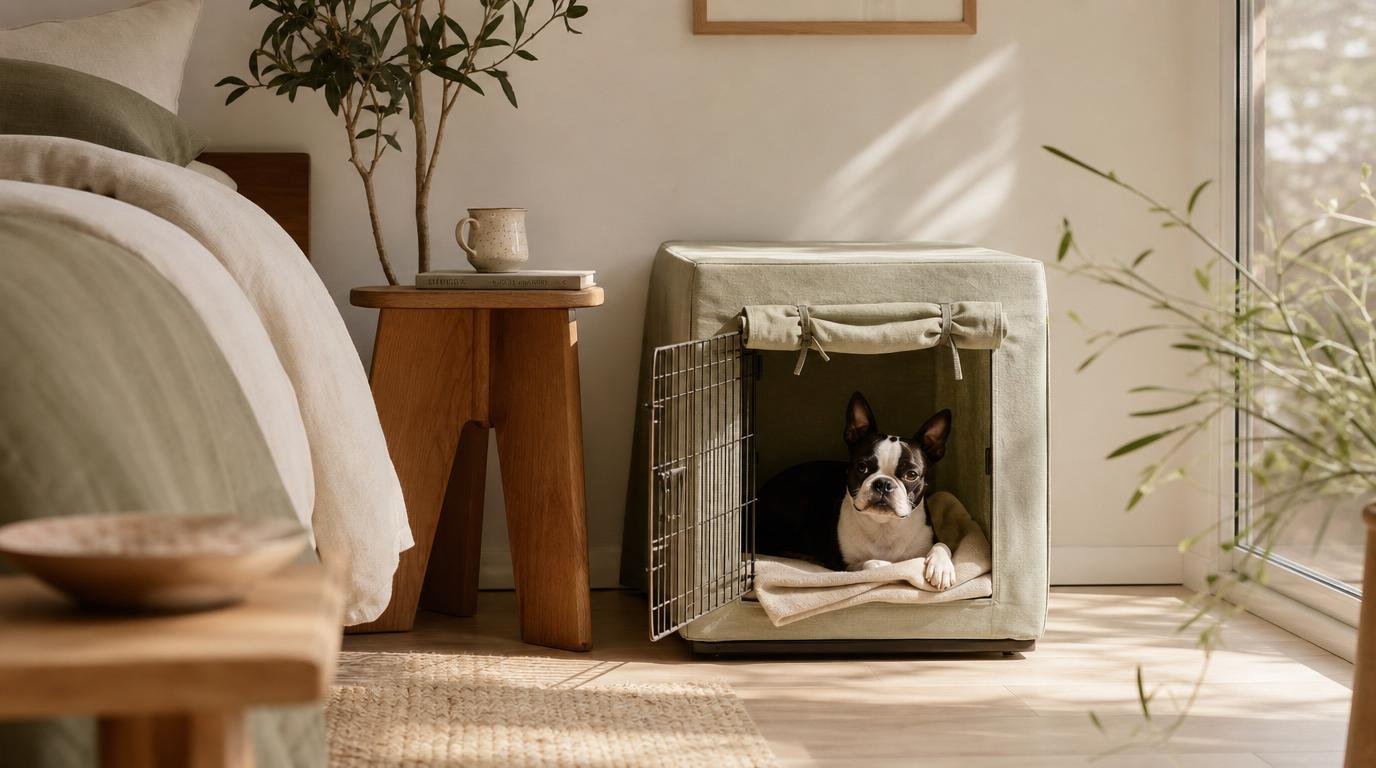 DOG
DOGUltimate Guide to the Best Dog Crate Covers in Australia
The right cover turns a crate into a calm, den-like retreat. We found the best for airflow, fit and a better night's sleep.

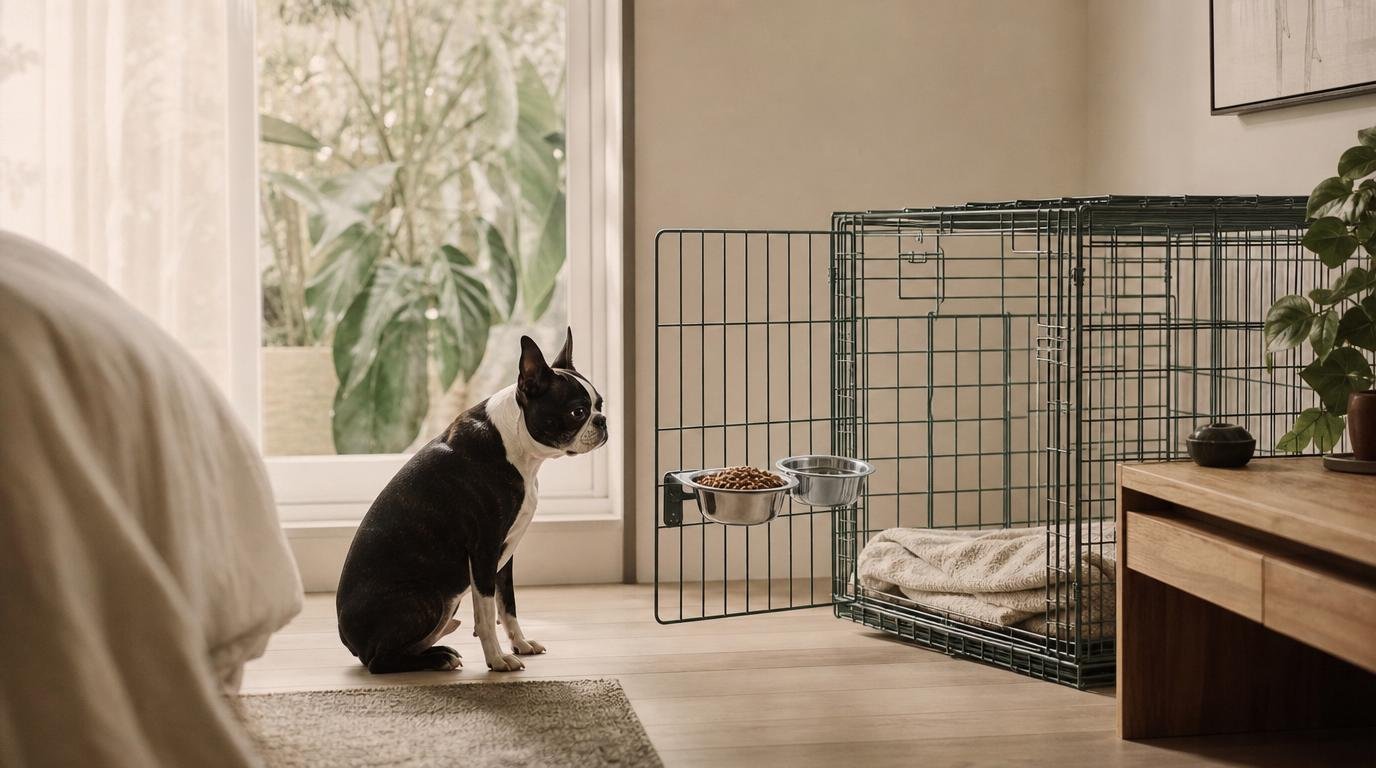 DOG
DOGUltimate Guide to the Best Dog Crate Food and Water Bowls in Australia
Spill-proof bowls that clip in and stay put. We found the best crate feeding and water options for travel and home.

 DOG
DOGHow to Manage a Puppy Crying in the Crate
Those first crate nights are tough on everyone. Here's how to settle a crying puppy and build calm, confident crate habits.