Dogs | Travel
Best Dog Travel Crates Australia – Airline Approved and Car Safe
My budgie Kiwi might be fine in a little carry cage, but when it comes to taking my staffy mix Pepper on a trip, a flimsy cardboard box won’t cut it. In Australia, with our scorching summers and long distances, you need a travel crate that’s tough, safe and comfy for your dog. The right crate will spare you a ton of trouble (and seatbelt scratches). We’ve sniffed out the best dog travel crates Australia has to offer, covering air and car travel options, as well as those for everyday use.
Best Airline Premium

SportPet Designs Plastic Travel Dog Crate (IATA Approved)
- IATA-approved for air travel
- Wheels for easy airport transit
- Heavy, doesn’t fold to store
Best Airline Budget

Petmate Vari Dog Kennel
- Rugged build with time-proven design
- Excellent ventilation all around
- No wheels or carry strap
Best Car Premium

PetSafe Portable Pet Crate (Aluminium Frame, Collapsible)
- Quick to set up or fold down
- Straps securely to car seat
- Soft-sided, not for chewers
Best Everyday Premium

Sherpa Travel Original Deluxe Pet Carrier
- Airline-cabin approved for travel
- Lightweight and easy to carry
- Soft-sided, small pets only

We compared dozens of models to find standouts for flying, driving and everyday travel use. Each winner earned its spot on safety, durability and practicality for Aussie conditions, with the airline crates meeting RSPCA travel advice on ventilation and security. We also weighed build quality, ease of cleaning, portability, and value — and our companion guides on crate covers and crate-specific bowls cover the add-ons worth pairing with whichever crate you land on.
What to look for in a dog travel crate
Five things that separate a crate built for the actual trip you take from a generic plastic box.
Measure and ventilate
Crate must let your dog stand, turn, and lie down comfortably. Add a few centimetres to the nose-to-tail and floor-to-ear measurements before checking spec sheets — and look for ventilation on all sides.
Material matches purpose
Hard plastic for air cargo (IATA-rated), aluminium-frame fabric for car travel, soft duffel-style for cabin flights and vet visits. The material decision dictates what trips the crate can actually handle.
Match the use case
Airline travel needs IATA-compliant locks and accessories. Car trips need seatbelt anchoring. Cabin flights need under-seat sizing. A general-purpose crate exists, but a purpose-built one is safer for the trip type you take most.
Mind the Aussie climate
Plastic crates can heat up fast in cargo bays — wire and mesh designs breathe better through Aussie summers. Always pack water bowls and avoid direct sun exposure on tarmac waits.
Crate-train first
Don’t introduce the crate on travel day. Set it up at home weeks in advance, toss treats inside, and build positive associations. A panicked dog in an unfamiliar crate is the worst time to learn.
At a glance
Our top four picks compared — specs, prices, and our one-line take on each.
| Rank | Product | Best for | Key feature | Approx. price | Check price link |
|---|---|---|---|---|---|
| Best Airline Premium |  | Flying medium to large dogs safely | IATA-approved with wheels, bowls and metal hardware included | ~$180–350 AUD (size dependent) | Check price |
| Best Airline Budget |  | No-frills airline-compliant crate for medium dogs | 360° ventilation, metal squeeze-latch, interior moat floor | ~$182–222 AUD (size dependent) | Check price |
| Best Car Premium |  | Frequent road-trippers with dogs up to 27 kg | Collapsible aluminium frame with seatbelt and headrest straps | ~$333–373 AUD | Check price |
| Best Everyday Premium |  | Small dogs and cats for cabin flights and daily use | Soft duffel-style with mesh, dual zip access, washable pad | ~$93–113 AUD | Check price |
Our picks in detail
What we love, what to watch out for, and who each pick really suits.
Best Airline Premium: SportPet Designs Plastic Travel Dog Crate (IATA Approved)
Bottom line — IATA-compliant tank built for big-dog air travel; bulky and pricey, but the peace of mind when your dog hits cargo is real.
If you’re flying a dog overseas or interstate, this SportPet is the closest thing to a first-class ticket. Thick plastic walls, a sturdy metal door, and proper metal nuts and bolts — no cheap plastic screws to snap off mid-trip. Snap-on wheels make airport transit a breeze, and you’ll get the IATA-required bowls, Live Animal stickers and metal hardware in the box.
Everything from the latch to the ventilation feels well thought out. Size-wise, a solid 20 kg pup has room to stand and turn — which is exactly what airlines and the RSPCA want. The honest tradeoffs: it’s heavy and bulky, doesn’t fold, and you’ll need real storage space for it when not in use. The price tag is the other catch — one of the more expensive crates we tested. But if you have a big dog and serious travel plans, the peace of mind is genuinely worth it.
| What we love | Areas for improvement |
|---|---|
|
|
Best Airline Budget: Petmate Vari Dog Kennel
Bottom line — classic no-frills airline crate at a third of the SportPet price; durable, airline-compliant, and missing the wheels and accessories you’d pay more for.
The Petmate Vari is the classic dog travel crate design — pretty sure it’s been around longer than some pet owners. It’s a no-frills, hard-plastic crate that just works. The plastic shell takes a beating in the cargo hold, and the metal door has a simple squeeze-latch that’s easy for humans to open but secure against nosy pups.
Ventilation holes along all sides handle Aussie heat. Little details like the interior moat in the floor mean an accident doesn’t leave your dog sloshing around in it. The Large 36-inch model suits medium dogs (border collie or small labrador size). The tradeoffs: no wheels (so be ready to drag or carry it), no included bowls or Live Animal decals (grab those separately for flights), and the plastic shell has a bit of flex compared to the heavier-duty SportPet. Sturdy, airline-approved, and a third of the price.
| What we love | Areas for improvement |
|---|---|
|
|
Best Car Premium: PetSafe Portable Pet Crate (Aluminium Frame, Collapsible)
Bottom line — pop-up aluminium crate that straps into your car seat in under a minute; premium-priced but perfect for frequent road-trippers with medium dogs.
This PetSafe is a pop-up cabin for your pooch in the back seat. It pops open and secures in place in under a minute thanks to a lightweight but sturdy aluminium frame, and fits cleanly on a single car seat. Loop the car’s seatbelt through the integrated straps and the headrest tether, and the crate doesn’t budge — no sliding or projectile-dog scenarios in sudden brakes.
Mesh panels everywhere deliver excellent airflow (handy for our humidity) and let your dog see you, which keeps them calmer. The included fleece pad is washable — muddy paws happen. One real warning: if your dog is a chewer or scratcher, they will test those mesh walls. This is for dogs already crate-trained and not determined to escape. Premium-priced for the convenience, but for frequent road-trippers and weekend dog-park drives, the setup speed makes it earn its keep.
| What we love | Areas for improvement |
|---|---|
|
|
Best Everyday Premium: Sherpa Travel Original Deluxe Pet Carrier
Bottom line — the benchmark soft carrier for small dogs and cats; duffel-style, airline-cabin-approved, and built well enough to justify the brand premium.
The Sherpa Original Deluxe is the go-to soft carrier for small dogs and cats, and it’s easy to see why. It’s essentially a stylish duffel that happens to safely contain your pet — the medium size holds up to about 7-8 kg, and the charcoal colour doesn’t scream “pet carrier” when you’re moving through the airport.
Sherpa pretty much set the standard for soft carriers. Mesh panels everywhere for airflow, top and side zips for easy loading (open the top, plop them in — done), and locking clips so your clever pup can’t paw the zippers open. A removable faux-fur pad rounds it out. The honest catches: it’s only for pets up to 7-8 kg (bigger dogs need a hard crate), soft sides offer minimal protection if jostled, and you’re paying for the Sherpa brand. For cabin flights and everyday errands with a small pet, brilliant quality.
| What we love | Areas for improvement |
|---|---|
|
|
FAQ
How do I choose the right size travel crate for my dog?
Do dogs need to be restrained in cars in Australia?
What does it mean if a crate is “IATA approved”?
How can I help my dog get used to a travel crate?
Are soft carriers or hard crates better for travel?
Final thoughts
At the end of the day, the best crate or carrier is one that keeps your dog safe and comfortable, and suits your lifestyle. Consider the typical trips you’ll be taking — whether it’s a flight to visit family or a weekly drive to the dog park — and choose a crate that meets those needs. Prioritise fit and safety features, and remember to account for the Aussie elements (heat, dust and all).
A bit of preparation and the right crate will ensure travelling with your furry mate is a stress-free experience rather than a drama. Happy travels and stay safe on the road (and in the air)!
We Think You’ll Also Like These Guides
 DOG
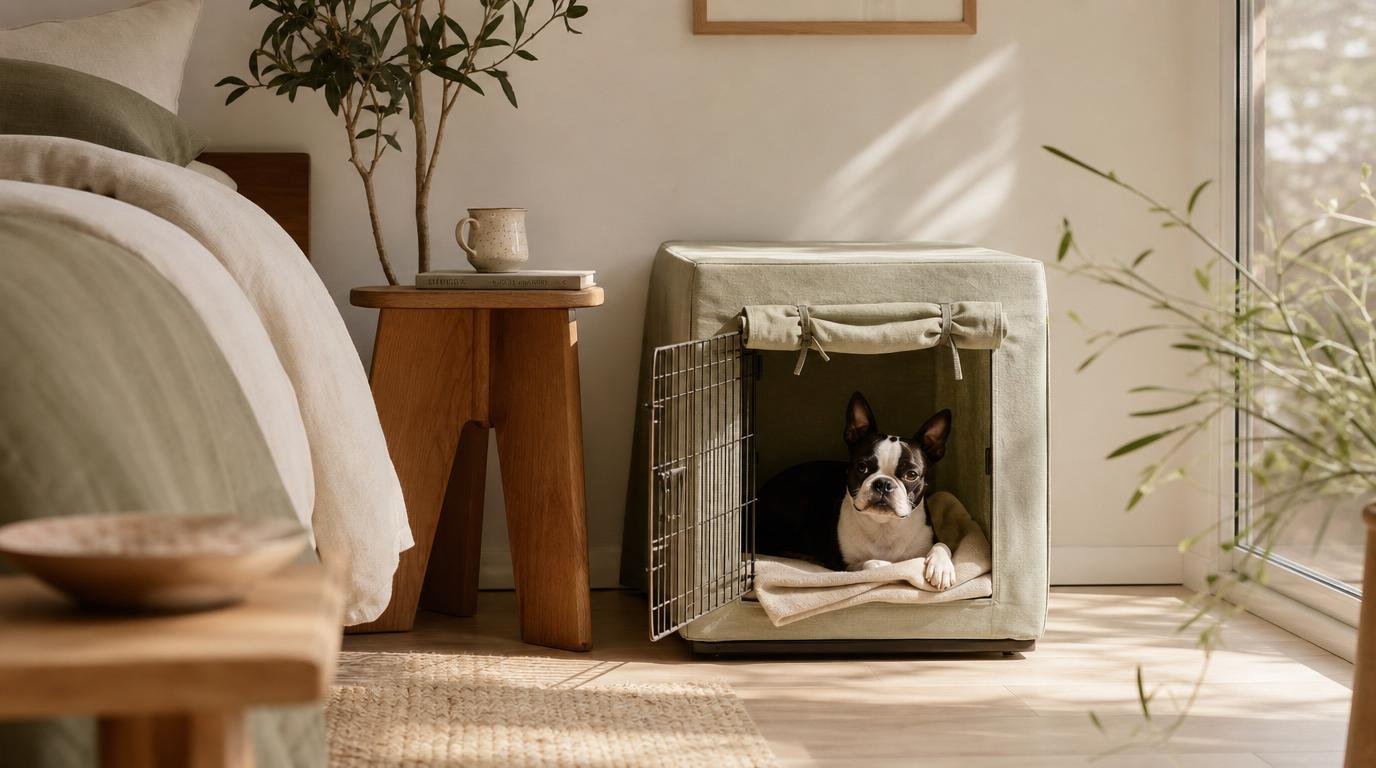
DOGUltimate Guide to the Best Dog Crate Covers in Australia
The right cover turns a crate into a calm, den-like retreat. We found the best for airflow, fit and a better night's sleep.

 DOG
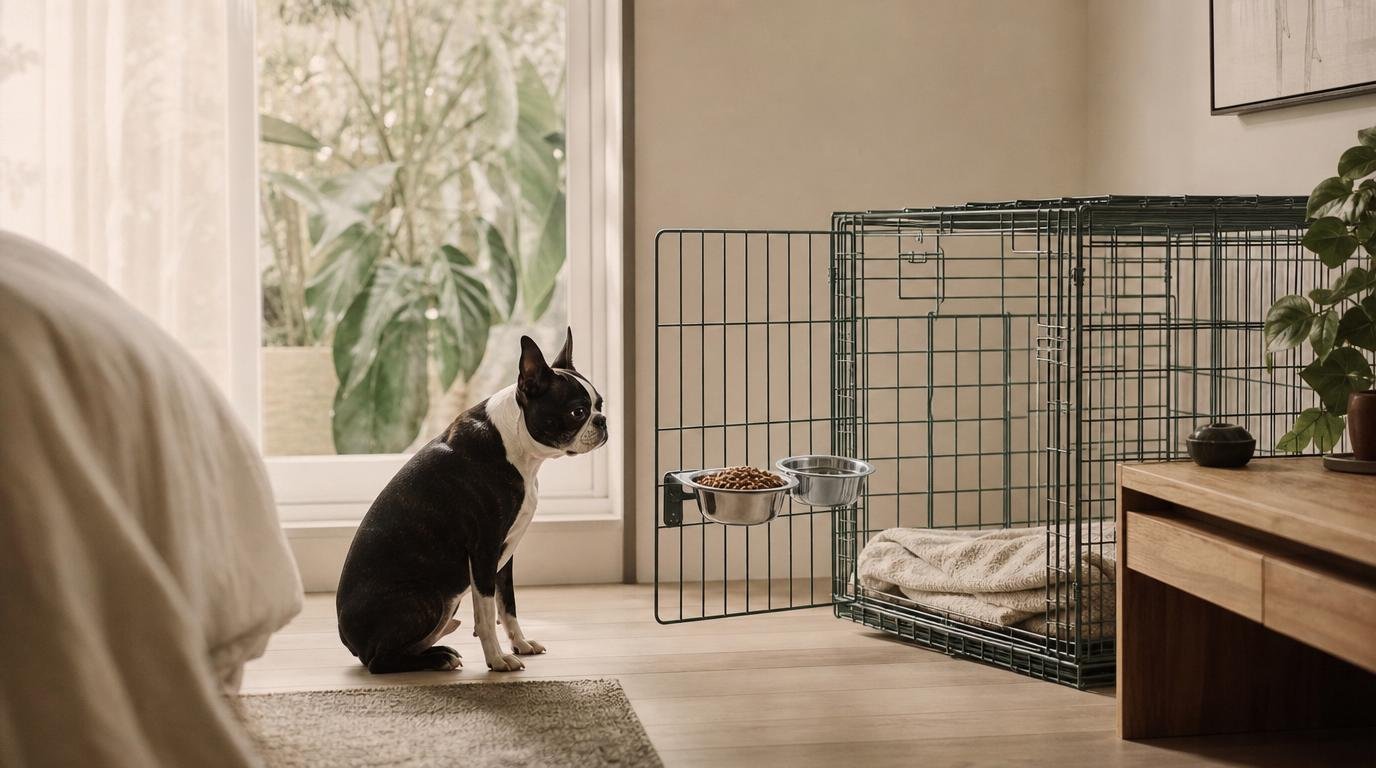
DOGUltimate Guide to the Best Dog Crate Food and Water Bowls in Australia
Spill-proof bowls that clip in and stay put. We found the best crate feeding and water options for travel and home.

 DOG
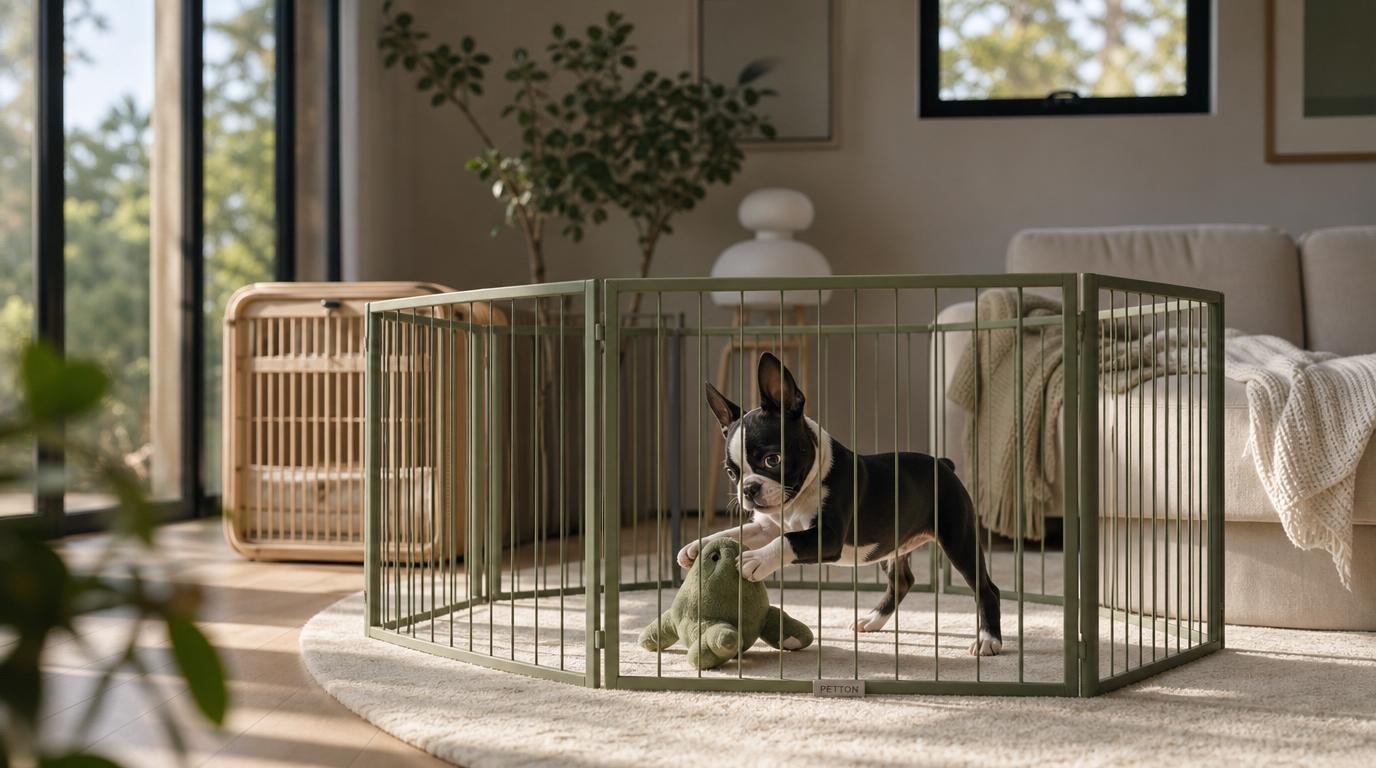
DOGCrate vs Playpen for Dogs: What’s Better for Aussie Owners?
Crate, playpen, or both? We compare the two so you choose the right safe space for your dog's age, size and temperament.