Dogs | Food | Health
Vet-Prescribed Dog Food in Australia: How to Choose the Right One for Your Pup
Here in Australia, where backyard barbies and weekend dog park catch-ups are part of life, our pups sometimes face health hiccups that a regular kibble just can’t fix. That’s when vet-prescribed dog food steps in — not just as a meal, but as medicine in a bowl. Designed to support everything from sensitive stomachs to serious conditions, these diets can genuinely change — and even save — a dog’s life.
The Upshot
If your vet prescribes a special diet, treat it like medicine — not optional kibble.
These therapeutic formulas exist because a regular bag of biscuits can’t manage kidney disease, allergies, or chronic obesity on its own. They cost more and you’ll buy them through your clinic, but for the right dog they often replace medication and add real years to a healthy life.
Best Hypoallergenic
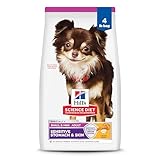
Hill’s Science Diet Sensitive Stomach and Skin
- Soothes itchy skin and coat
- Settles sensitive stomachs
- Not for poultry allergies
See the full Product Guide: Best Hypoallergenic Dog Foods in Australia
Best Anti-itch Treatment

PAW by Blackmores NutriDerm, Itchy Skin Duo Pack
- Oatmeal and ceramides soothe skin
- Restores skin’s protective barrier
- Best results need consistent use
See the related Guide: Dog Allergies in Australia

Why does this matter for Aussie pet owners? Our climate, lifestyle, and love for treating our pets mean nutrition matters more than we sometimes credit it. This guide breaks down when and why a vet might send you home with specialty dog food instead of your usual kibble — from tackling obesity and allergies to managing kidney trouble.
You’ll see what these diets actually are, the conditions they help, and the practical bits around cost and feeding in Australia. As the RSPCA feeding guide reminds us, every dog is unique — and sometimes their dinner really does need a doctor’s note.
Quick Takeaways
The five things worth remembering. Scroll across to read all five.
Therapeutic, not premium
Vet-prescribed diets are formulated to manage specific conditions — not a fancier label on the same biscuits. Think food therapy: ingredients chosen to support a real diagnosis, not chase a marketing claim.
Wide condition range
Obesity, allergies, kidney disease, urinary stones, diabetes — each has a diet built around it. Lower fat, novel proteins, controlled minerals, or added omega-3s do the heavy lifting once a vet identifies the issue.
Vet clinic only
You won’t find these bags at the supermarket. Australian clinics and pet pharmacies stock them, and most need vet approval before purchase, which keeps the right diet in front of the right dog.
Budget long-term
Prescription bags cost more than supermarket kibble, and if the condition is chronic you’ll be buying them for months or years. Factor the ongoing spend in alongside vet visits and any medications.
Quality of life
Done well, the right diet can replace or reduce medication and add years of comfortable living. Most owners notice the change within weeks — better energy, calmer skin, steadier weight.
What are vet-prescribed dog foods?
Vet-prescribed dog foods are specially formulated diets that you get on the recommendation of a veterinarian to address a particular health need. Think of them as “food therapy” for pets. Unlike standard retail dog food, these diets target specific problems — from renal (kidney) support to skin allergies. They’re developed by veterinary nutritionists and backed by research. Big-name examples include ranges like Hill’s Prescription Diet or Royal Canin Veterinary Diet, which have recipes you can only purchase through vets or with a vet’s guidance. In short, it’s not just marketing fluff: these foods are designed as part of a treatment plan, much like a supplement or medication, and are tailored to improve or manage medical conditions in dogs.
It’s important to note that “prescribed” doesn’t always mean you need a written script like you would for a drug — but it does mean a vet has identified a health issue that warrants a special diet. These products aren’t usually available off the shelf in your local pet store aisle. They’re often kept behind the counter at vet clinics or sold through specialised pet pharmacies. The goal is to ensure they’re used correctly. After all, feeding the wrong prescription diet (or one when it’s not needed) could do more harm than good. By sticking to vet-only sales, manufacturers help make sure Aussie dogs only get these powerful nosh when it’s truly necessary and overseen by a professional.
When do vets prescribe special dog food?
Many common canine health issues can be managed — or at least helped — by the right diet. Vets in Australia will suggest a prescription diet when plain kibble isn’t going to cut it for a dog’s condition. One of the biggest examples is weight management. With around 41% of Aussie dogs overweight, it’s no surprise that “Metabolic” or weight-control diets are frequently recommended to shed kilos safely. But that’s just the start. Here are some typical problems and why a vet-prescribed food can help:
| Health issue | Diet approach & purpose |
|---|---|
| Obesity or overweight | Low-calorie, high-fibre weight management formulas help dogs slim down while still feeling full. These diets are designed to reduce fat and calories but keep adequate protein and nutrients, so your pup loses fat not muscle. |
| Kidney disease | Therapeutic renal diets with restricted protein and phosphorus lighten the load on a dog’s kidneys. They often have extra omega-3 and controlled sodium to support kidney function, which can prolong quality of life for dogs with chronic kidney issues. |
| Urinary stones or UTIs | Urinary care diets alter urine pH and mineral balance to dissolve certain bladder stones and prevent new ones. They’re formulated to reduce substances like magnesium or calcium oxalate and often encourage water intake. |
| Food allergies or intolerances | Hypoallergenic diets use novel proteins (e.g. kangaroo, duck) or hydrolysed proteins (broken-down proteins) so the dog’s immune system won’t overreact. This helps calm skin itching, ear infections, or tummy problems caused by food allergies. You can also check out our Product Guide on the best (over the counter) hypoallergenic dog food in Australia. |
| Joint and mobility issues | Joint support diets are fortified with things like omega-3 fatty acids, glucosamine, and chondroitin (likewise for joint supplements, which can be a chew or mix-in powder). Along with controlled calories, these nutrients help reduce inflammation and support cartilage in dogs with arthritis or age-related joint pain. |
| Diabetes or pancreatitis | Special diabetic or gastrointestinal diets moderate blood sugar spikes with high fibre and complex carbs, and often have lower fat. For pancreatitis-prone dogs, ultra low-fat recipes can prevent flare-ups by easing strain on the pancreas during digestion. |
In each of these cases, the vet-prescribed food isn’t a magic cure on its own, but it becomes a crucial part of the treatment plan. For example, using a renal diet can significantly extend a dog’s life when their kidneys are failing, and a proper hypoallergenic diet can stop the miserable itch-scratch cycle in an allergic pup. Often, these diets reduce or replace the need for medications — a gentler long-term solution. Vets also lean on special diets for preventative care: if a dog has urinary crystals or had a bladder stone removed, a diet tweak can keep the problem from recurring. It’s all about using nutrition as a tool to improve health and comfort for our furry mates.
Feeding and affording a prescription diet
Let’s talk practicalities — because switching Bruce (or your dog) to vet-prescribed food isn’t just a medical decision, it’s a lifestyle change. First up, the cost. Specialty dog foods in Australia can be pricey. A small bag of renal support kibble or allergy-friendly food often costs noticeably more than a big sack of supermarket biscuits. And since you’ll likely be buying these diets continuously (often for months or even the rest of your dog’s life), the expenses add up. In fact, a recent survey of Australian pet owners found dog owners already spend around $1,858 a year on food on average — and prescription diets can push that higher. Some vets offer loyalty programs or bulk-buy discounts, but it’s wise to budget ahead. The good news is these diets are nutrient-dense, so you may feed slightly less volume than cheaper food, and they can save money by preventing costly health flare-ups down the track.
Getting your hands on the food requires a bit of planning too. Typically, you’ll buy it directly from your vet clinic or via a pet pharmacy that contacts your vet for approval. If you live rural or far from a clinic, ask your vet about delivery options — many clinics in Australia can post out refills, or you can order online through veterinary websites once your dog’s on file.
When it comes to feeding time, go slow and steady. Transitioning from regular food to a prescription diet should be done gradually over about a week to avoid upsetting your dog’s stomach. Mix a small amount of the new food into the old, and increase the new diet’s portion each day. Some dogs, like my Bruce, might be picky at first — after all, a low-fat metabolic formula probably smells less exciting than beef gravy canned food. Try warming the food slightly or adding a dash of water to enhance aroma, and offer it at routine meal times when your pup is hungriest. Most dogs adjust after a bit of encouragement. And remember, no sneaky treats that aren’t vet-approved! Feeding only the prescribed diet (with vet-sanctioned treats if allowed) is vital for it to work properly, whether it’s for weight loss or allergy control.
If you’re in a hot, humid area (looking at you, Darwin or Brissy summers), take care storing the food. Kibble should be kept in an airtight container to avoid going stale or getting invaded by ants or moisture. Wet prescription food, once open, needs refrigeration — don’t leave it out in the heat where it can spoil quickly. And always ensure plenty of fresh water is available, especially if the diet is high in fibre or meant to encourage hydration (like those urinary diets). The last thing we want is dehydration in our Queensland heat while trying to fix a bladder issue!
Finally, keep your vet in the loop. Regular weigh-ins or check-ups will let you and the vet know if the diet is doing its job. You might see improvements in a few weeks (e.g. weight trending down, coat clearing up, better blood test results), but sometimes adjustments are needed. Vets may tweak the feeding amount or even switch to a different formula if, say, your dog’s condition changes or they just refuse to eat a particular brand. Stay patient and communicate — managing a health condition through diet is a team effort between you, your vet, and one very lucky dog who’s getting top-notch meals served with love.
FAQ
Do I need a vet’s prescription to buy these special foods?
In Australia, you don’t need a formal paper prescription like you do for a medication, but you generally do need veterinary involvement. These diets are usually sold through vet clinics or approved pet pharmacies. When buying online, you’ll often have to provide your vet’s details so they can confirm the recommendation. Essentially, the system trusts the vet to decide if a particular food is appropriate. It’s highly recommended not to use a prescription diet without a vet’s guidance — feeding the wrong special diet (or one your dog doesn’t actually need) could fail to help or even cause imbalances. So while no one’s going to arrest you for purchasing kidney-support dog food, it’s best obtained with your vet’s say-so, to ensure it’s the right choice for your pup.
Can I feed a vet-prescribed diet to my other dogs at home?
It’s not ideal to share prescription dog food with dogs who don’t need it. These diets are formulated for specific conditions, so a healthy dog or a dog with a different issue could miss out on vital nutrients or get too much of something. For example, a renal diet has lower protein and phosphorus — fine for a dog with bad kidneys, but not enough protein long-term for a normal active dog. If your other dog sneaks a few bites from Bruce’s bowl once in a while, it shouldn’t cause harm; it’s mainly an issue if a healthy dog is exclusively eating the prescription food. To be safe, feed pets separately and stick to regular balanced dog food for the ones without special needs. And if coincidentally both your dogs have health issues (poor you!), only give each the diet meant for their specific condition unless your vet advises otherwise.
Are these veterinary diets actually effective or just a gimmick?
They’re effective when used for the right situation — not a gimmick at all. Vet-prescribed diets are grounded in science and tested extensively. In many cases, they’re considered part of the first-line treatment. Take chronic kidney disease: studies have shown that dogs on renal support diets live longer and with fewer symptoms than those on normal food. Or consider food allergies — a hypoallergenic diet can completely eliminate a dog’s itching and digestive problems if the trigger was food-related. These improvements aren’t by chance; the formulas are carefully adjusted (for example, the exact phosphorus levels for kidney health, or the use of hydrolysed proteins that the immune system won’t react to). That said, a diet is not a cure-all. It works in tandem with other vet care. If a dog has severe arthritis, a joint diet will help, but they may still need pain meds. And it’s true that not every pet responds the same — a small percentage might not improve as much as expected and need a different approach. Overall, vets in Australia wouldn’t be recommending these foods (often for years on end) if they didn’t consistently see good results in their patients.
Why is vet-prescribed dog food more expensive than regular food?
The higher price tag largely comes down to quality and scale. These therapeutic diets use high-grade ingredients and specific formulations that cost more to produce. They’re also developed with significant research — years of clinical trials, nutritional testing, and quality control go into making a food that can, say, dissolve bladder stones or manage diabetes. That R&D investment is built into the price. Additionally, the companies making vet diets (like Hill’s, Royal Canin, etc.) produce them in smaller quantities than big supermarket brands, and often import them to Australia, which increases cost. Vet clinics themselves have handling and storage costs, too (and yes, a small markup to keep the lights on). The silver lining is that these foods are densely nutritious, so a bag can last longer than you’d expect — you’re not paying for fillers. And as mentioned earlier, the right diet can prevent expensive health problems, which may save you money on vet bills over time. If cost is a concern, talk to your vet. They might have loyalty discounts, smaller bag options to try, or in some cases a nutritionist can help formulate a home-cooked plan as a last resort. Whatever you do, don’t switch off the prescribed diet without a plan — consistency is key for it to work.
How long will my dog need to stay on the special diet?
It depends on the condition and your vet’s advice. For chronic issues like kidney disease, diabetes, or severe allergies, be prepared that the prescription diet is often for life. These illnesses don’t usually “go away,” so the food becomes a long-term part of keeping your dog stable and comfortable. In other cases, the diet might be temporary. For example, a vet may prescribe a strict hypoallergenic diet for 8–12 weeks as an elimination trial to identify an allergy — after that, you might transition to a less restrictive food that avoids the confirmed allergens. Or if your dog needed a weight-loss diet, once they reach the target weight, the vet might shift them to a balanced maintenance food (with careful portion control) to prevent rebound weight gain. Always follow your vet’s timeline; don’t be tempted to cut it short because you see improvement. Stopping a urinary diet too soon, for instance, could make stones come right back. Generally, the vet will recheck your dog periodically and can tell you if and when it’s safe to try regular food again. Until then, stick with it — the consistency will pay off in your dog’s health.
Final thoughts
Making the switch to vet-prescribed dog food can feel like a big deal. But seeing your once-lethargic, chubby mate start to slim down and chase the ball again, or watching an allergy-prone pup snooze peacefully instead of scratching, really drives home why these diets exist. It’s about giving our dogs their best, healthiest life, even if that means saying no to BBQ scraps and yes to the pricey stuff from the vet.
Remember, there’s no one-size-fits-all: always work with your vet to adjust the plan as needed. And don’t forget the love and patience on the side — that’s something you can’t buy in a bag. In the end, the wagging tail and improved vet check-ups are worth it. Here’s to keeping our furry family members happy and healthy, one bowl at a time.
We Think You’ll Also Like These Guides
 DOG
DOGBest Dry Dog Food in Australia 2026: Ultimate Vet-approved, Pet-loved Picks
With a hundred bags on the shelf, choosing is hard. We cut through the marketing to the dry foods worth feeding, vet-approved.

 DOG
DOGDog Food Ingredient Red Flags You Need To Avoid
That premium label can hide some nasty fillers. Learn the ingredient red flags to spot — and skip — on any dog food.
 DOG
DOGHow Much To Feed Your Dog: The Ultimate Guide
Overfeeding is the most common mistake owners make. Here's how to work out the right amount for your dog's size, age and activity.