Dogs | Food
Best Hypoallergenic Dog Foods in Australia – Top Picks Dogs Love
Australian pet parents will try everything to keep their itchy dogs happy — from vet visits to high-tech helpers. Still, nothing beats finding the right chow for a pup with a sensitive tummy or skin. Feeding a diet that doesn’t trigger reactions can be a game-changer for dogs prone to rashes or upset bellies (and a relief for us worried fur-parents!), so let’s get to the best hypoallergenic dog foods in Australia.
Best Overall
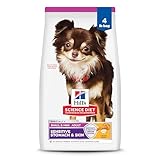
Hill’s Science Diet Sensitive Stomach and Skin
- Settles sensitive digestion
- Soothes itchy skin, restores coat
- Not for poultry allergies
Best Australian-made

MFM Meals for Mutts Grain Free Salmon & Sardine
- Aussie-made, omega-rich fish recipe
- Probiotics for gut health
- Strong fish smell, store sealed
Best Sensitive Stomach

Black Hawk Adult Grain Free Kangaroo Dry Dog Food
- Lean novel kangaroo protein
- Aussie-made with local ingredients
- Not single-protein recipe
Best for Puppies

Wellness CORE Puppy Grain-Free Chicken & Turkey
- Grain-free, 49% protein
- DHA for brain development
- Made in USA, not Australia

In this roundup, we’ve compared a range of popular hypoallergenic dog foods to see which ones actually help Aussie dogs with allergies. We looked at ingredients, nutrient profiles, and how suitable they are for our climate and lifestyles — and where a complementary probiotic or sensitive-skin shampoo might be worth pairing alongside the food. Always seek veterinary advice for serious reactions before changing the bowl.
What to look for in a hypoallergenic dog food
Five things that separate a genuine allergy-friendly recipe from one that just claims to be.
Find the trigger
Work with your vet to pin down what’s actually causing the reactions. Common culprits are proteins like beef or chicken, and occasionally grain or dairy — guessing wastes weeks, while a quick test cuts to the answer.
Novel or hydrolysed protein
Look for diets built around kangaroo, fish, duck or turkey — proteins your dog hasn’t met yet. Hydrolysed-protein formulas break the molecules down so the immune system stops reacting altogether.
Skip the fillers
Quality hypoallergenic recipes drop cheap fillers and rely on digestible carbs like sweet potato or rice. Get comfortable reading ingredient labels and watch for the red flags worth dodging.
Mind the climate
Fish-oil-rich foods and brands without artificial preservatives need cool, dry storage. Don’t leave kibble in a hot car or garage over summer — rancid oil cancels out the omega benefits.
Buy small first
Grab the smallest bag to test palatability for a fortnight before committing. Then transition gradually over about a week — even hypoallergenic tucker needs an adjustment period for the gut.
At a glance
Our top four picks compared — specs, prices, and our one-line take on each.
| Rank | Product | Best for | Key feature | Approx. price | Check price link |
|---|---|---|---|---|---|
| Best Overall |  | Severe or chronic skin allergies | Beet-pulp prebiotic, omega-6 and Vitamin E | ~$128 AUD (6.8 kg) | Check price |
| Best Australian-made |  | Locally-made natural diet for itchy skin | Salmon and sardine with probiotics and turmeric | ~$42 AUD (2.5 kg) | Check price |
| Best for Sensitive Stomachs |  | Adult dogs with mixed sensitivities | Novel kangaroo protein, chicory and emu oil | ~$40 AUD (2.5 kg) | Check price |
| Best for Puppies |  | Puppies with sensitive digestion or grain intolerance | 49% protein, grain-free, DHA and chicory root | ~$29–$39 AUD (1.8 kg) | Check price |
Our picks in detail
What we love, what to watch out for, and who each pick really suits.
Best Overall: Hill’s Science Diet Sensitive Stomach and Skin
Bottom line — a reliable vet-recommended diet that genuinely settles sensitive tummies and quietens itchy skin within weeks; premium price, but the results back it up.
Hill’s makes this for small dogs that struggle with both sensitive stomachs and itchy skin. It uses chicken and barley as the protein-carb base, beet-pulp prebiotic fibre for digestion, and adds omega-6 fatty acids plus Vitamin E for coat support. The recipe skips artificial colours, flavours and preservatives — the baseline expected of any vet-recommended sensitive formula sold in Australia today, and the brand most Aussie clinics reach for first when a dog needs a sensitive diet.
There’s also a version for larger breeds if you’ve got a big dog. Most dogs settle into less scratching, flaking and inconsistent stools within a few weeks of switching, and the smaller-jaw kibble works well for picky eaters. The 6.8 kg bag at around $128 AUD is the value sweet spot for ongoing feeding. The catch is the chicken protein — it won’t suit dogs with poultry allergies, in which case the kangaroo or fish formulas later in this guide are the better starting point.
| What we love | Areas for improvement |
|---|---|
|
|
Best Australian-made: MFM Meals for Mutts Grain Free Salmon & Sardine
Bottom line — an Aussie-made salmon and sardine formula that’s omega-rich and probiotic-loaded, perfect for itchy-skin dogs whose owners want to support a local brand.
Meals for Mutts is an Aussie brand that focuses on holistic, locally-made nutrition, and the salmon and sardine grain-free formula targets dogs with sensitive skin. It’s packed with omega fatty acids from the fish, plus flaxseed and coconut oil — a strong combination for coat condition. Being made here means it’s also formulated with Australian conditions in mind, including the warmer months.
The recipe uses sweet potato and chickpeas instead of grains, so it tends to agree with dogs that have grain intolerances or yeast issues. The added probiotics help maintain gut flora — useful if your dog has had stomach upsets on other brands. Two things to plan for: the strong sardine smell will linger on your dog’s breath and around the kibble container, and the fish oils need cool storage or they’ll go rancid in a hot garage over summer. The bags top out at 2.5 kg, so larger dogs will burn through them quickly.
| What we love | Areas for improvement |
|---|---|
|
|
Best for Sensitive Stomachs: Black Hawk Adult Grain Free Kangaroo Dry Dog Food
Bottom line — lean kangaroo plus a high-fibre, prebiotic-loaded recipe makes this the calmest pick for dogs with mixed sensitivities and the gurgliest of tummies.
Black Hawk is a familiar name in Aussie pet shops, and the grain-free kangaroo formula leans hard on its novel protein angle. The kangaroo meat is lean and rich in iron and zinc — useful baseline nutrients for energetic adult dogs. The rest of the recipe lifts the digestive load: high-fibre sweet potato, chicory root prebiotic, kelp, carrots and a hit of emu oil for skin and joint support.
Dogs with gurgly tummies often firm up on this recipe, mostly thanks to the prebiotic chicory and the sweet potato fibre. The catch: it’s not strictly single-protein — the formula includes a bit of chicken and fish, so it won’t work as a true elimination diet if your dog has confirmed poultry or fish allergies. It’s also a rich recipe, so transition over a week to avoid the irony of an upset stomach. Bag sizes start at 2.5 kg, which suits small-to-medium dogs better than larger households.
| What we love | Areas for improvement |
|---|---|
|
|
Best for Puppies: Wellness CORE Puppy Grain-Free Chicken & Turkey
Bottom line — a grain-free puppy starter at 49% protein with DHA and chicory root prebiotic, built for sensitive pups from day one.
Wellness CORE Puppy goes grain-free from day one, building the recipe around deboned chicken and turkey meal as the first ingredients. At 49% high-quality protein, it’s designed to fuel the rapid growth phase, and it skips corn, wheat and soy entirely. For pups that have shown early signs of food sensitivity, or owners who simply want to start clean, it’s a credible starting point.
The standout extras are the prebiotic chicory root, which actively nourishes gut microbiome from the first meal, and salmon-oil-derived DHA for brain and eye development through the neurological growth phase. The grain-free carbs come from potatoes, lentils and peas — well-tolerated by most pups but a no-go for the rare legume-sensitive dog. It’s also USA-made rather than Australian, and the 1.8 kg bag is best treated as a trial size: enough to see how your puppy responds before committing to the larger Wellness CORE adult range.
| What we love | Areas for improvement |
|---|---|
|
|
FAQ
What does hypoallergenic dog food mean?
What are the signs of food allergies in dogs?
Is grain-free the same as hypoallergenic dog food?
Do I need a prescription for hypoallergenic dog food?
How long does it take to see results on a hypoallergenic diet?
Final thoughts
That’s a wrap on the best hypoallergenic dog foods in Australia. Helping your dog with food allergies is all about finding what works for their unique system. It might take a bit of trial and error — and yes, some of these specialty foods can be on the pricey side — but seeing your pup comfortable in their own skin is worth it.
Remember that “hypoallergenic” doesn’t mean a magical cure-all; it means fewer troublemakers in the recipe. Always introduce a new diet gradually and keep an eye on your dog’s reaction (good or bad). For the broader picture, our guide to dog allergies in Australia walks through environmental triggers, vet diagnosis, and complementary treatments — diet is one lever, not the only one. If you’re ever unsure, have a chat with your vet, especially before making a big switch. In the end, the best dog food is one that keeps your Aussie four-legged friend happy, healthy, and symptom-free, whether it’s chasing balls at the park or snoozing under the fan on a hot arvo. Here’s to many itch-free days ahead!
We Think You’ll Also Like These Guides
 DOG
DOGBest Dry Dog Food in Australia 2026: Ultimate Vet-approved, Pet-loved Picks
With a hundred bags on the shelf, choosing is hard. We cut through the marketing to the dry foods worth feeding, vet-approved.

 DOG
DOGBest Elevated Dog Bowls in Australia: Ultimate 4 Picks
Raised bowls can ease strain for older or larger dogs. We found the best for comfortable, tidier mealtimes.
 DOG
DOGBest Greyhound Dog Food in Australia – Guide for Your 70 kph Couch Potato
Lean, fast and surprisingly sensitive — greyhounds eat differently. We found the best foods for their build and easily-upset gut.