Dogs | Health
Best Joint Supplements for Dogs in Australia
Every old cattle dog and ageing labrador deserves to stay active without wincing at every step. That’s where joint supplements for dogs earn their place. As a lifelong dog dad and long-time foster carer, I’ve seen plenty of creaky hips and stiff morning walks, and joint care has become part of how I think about whole-body health — alongside daily multivitamins, omega-3 oils and a decent probiotic. The four supplements below have all been on the bowl with at least one of my fosters, and each earns its spot for a different reason.
Best Overall

Rose-Hip Vital Canine
- Pure rosehip, no additives
- Natural anti-inflammatory action
- Takes ~3 weeks to show effect
Best Value

Petz Park Glucosamine for Dogs Chondroitin MSM
- Glucosamine, chondroitin and MSM
- Grain-free, Australian made
- Powder needs careful mixing
Best Chewable
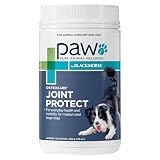
PAW by Blackmores Osteocare Joint Protect Chews
- Soft, treat-like chew format
- Glucosamine and chondroitin blend
- Contains fish and chickpea
Best Premium

4Cyte Canine Epiitalis Forte Joint Support Gel
- Patented Epiitalis, research-backed
- Palatable gel, no mixing
- Premium price, ongoing spend

We tested a stack of joint supplements across senior fosters and our own dogs to find four that genuinely earn their place in an arthritis-management plan. Each takes a distinct approach — natural anti-inflammatory, budget glucosamine blend, treat-format chew, and vet-grade gel — so the right pick depends on how advanced your dog’s joint trouble is and how they actually take their medicine. Below: what to look for, the four compared side-by-side, and the full notes on each.
What to look for in a dog joint supplement
The five things that decide whether a joint supplement actually helps your dog. Scroll across to read all five.
Active ingredients
Look for the ingredients with the strongest evidence: glucosamine, chondroitin, MSM, green-lipped mussel, and rosehip extract. Vague “joint blend” labels with no doses listed are usually marketing — check the per-serve amount before you buy.
Form factor
Powders mix into food and cost less per dose, but a fussy eater will sniff out clumps. Chews are treat-like and easy, but pricier per serve. Gels and liquids handle picky dogs but need refrigeration after opening.
Allergy check
Many joint supplements use fish, shellfish (green-lipped mussel), chickpea or grain bases. If your dog has known food sensitivities, read the ingredient list — not just the front of the pack — before committing to a 60-day supply.
Time to effect
Most joint supplements take 4-8 weeks to show meaningful change, with rosehip and glucosamine needing the full three weeks to build up. Give any new product a fair 8-12 week trial before deciding it isn’t working.
When it isn’t enough
Supplements help; they don’t replace a vet plan for established arthritis. If your dog is reluctant to rise, dropping weight, or showing pain after rest, book a vet exam. Weight management and prescribed pain relief do the heavy lifting alongside supplements.
At a glance
Our top four picks compared — what they’re best at, the active ingredients, prices and where to check.
| Rank | Product | Best for | Key feature | Approx. price | Check price link |
|---|---|---|---|---|---|
| Best Overall |  | Senior dogs needing natural anti-inflammatory support | Pure ground rosehip — antioxidant and anti-inflammatory action. | ~$58–78 AUD (500 g) | Check price |
| Best Value |  | Cost-conscious daily joint maintenance | Glucosamine, chondroitin and MSM in a roast-beef-flavoured powder. | ~$45-60 AUD (250 g) | Check price |
| Best Chewable |  | Dogs that refuse powders or hate pills | Soft meaty chews with glucosamine and chondroitin. | ~$30-40 AUD (60 chews) | Check price |
| Best Premium |  | Established arthritis, advanced mobility loss | Patented Epiitalis plant-oil extract in a palatable gel. | ~$102-122 AUD (200 mL) | Check price |
Our picks in detail
What we love, what to watch out for, and who each pick really suits.
Best Overall: Rose-Hip Vital Canine
Bottom line — the first joint product to reach for on a senior dog: natural, well-studied, and stacks safely with existing vet medications.
I’ve fostered enough senior dogs to fill a footy team, and Rose-Hip Vital has become a staple in my house. The orange powder is made from pure ground rosehips — that’s it. It’s a natural anti-inflammatory loaded with antioxidants, and the published canine studies on it stack up better than most natural joint blends marketed in Australia. Pepper’s older foster brother (the one I kept too long) noticed within a fortnight.
It’s gentle on the stomach and safe to use alongside any vet meds your dog is already on, so it can slot into an existing arthritis plan without complications. Three honest caveats: it’s not an overnight fix (give it three solid weeks for the anti-inflammatory effect to build), you still need to mix the powder into food, and it doesn’t replace glucosamine and chondroitin if your dog is on those — it’s a complementary anti-inflammatory, not a cartilage-builder. For senior dogs that need to keep moving, it’s the first one I reach for.
| What we love | Areas for improvement |
|---|---|
|
|
Best Value: Petz Park Glucosamine for Dogs Chondroitin MSM
Bottom line — the right buy when budget matters: the same three actives as vet brands at a fraction of the price.
For dogs that need the classic glucosamine, chondroitin and MSM blend without the premium price tag, Petz Park is the easy pick. It’s an Australian-made powder that hits the same three actives you’d find in vet brands — just at a fraction of the cost per dose. The roast-beef flavour does most of the work: even fussy eaters will lick the bowl clean if it’s mixed properly through the kibble.
Being grain-free and lactose-free is a real bonus for dogs on sensitive diets, and the powder format makes it easy to dose by weight rather than committing to a fixed treat count. The one practical wrinkle is the mixing itself: clumps form if you tip it on dry, so stir it into a small amount of wet food or warm broth first. Petz Park has effectively taken the same actives as the pricier vet brands and made them cheaper and more palatable. For dogs in early or moderate joint discomfort, this is the cost-conscious starting point.
| What we love | Areas for improvement |
|---|---|
|
|
Best Chewable: PAW by Blackmores Osteocare Joint Protect Chews
Bottom line — the right pick when your dog refuses powders or pills: convenient treat format, costs a bit more per dose.
Blackmores isn’t just for the humans — they’ve brought their know-how to dogs with these Osteocare Joint Protect chews. Picture a soft, meaty treat that’s secretly packed with glucosamine, chondroitin and a handful of joint-friendly nutrients. For owners with dogs that turn their nose up at powders or refuse pills, this is the hassle-free workaround: one chew a day for an average-sized dog and you’re done — just remember to factor those chews into how much you feed your dog overall.
The blend is aimed at maintaining joint cartilage and easing early stiffness rather than treating advanced arthritis. A couple of honest notes: the chews contain fish and chickpea, so they’re not suitable for dogs on grain-free or fish-free diets, and the per-dose cost is higher than a powder because you’re paying for the treat format. The trade-off is convenience — for a dog who’ll eat a powder-mixed dinner with no fuss, Petz Park is cheaper; for one who refuses to touch supplements in food, this is the easier life.
| What we love | Areas for improvement |
|---|---|
|
|
Best Premium: 4Cyte Canine Epiitalis Forte Joint Support Gel
Bottom line — the high-end pick for dogs with established arthritis: backed by published research, but the spend is ongoing.
This is the high-end pick in the joint supplement category. Instead of relying on glucosamine, 4Cyte uses a patented plant-oil extract called Epiitalis that’s been shown in published trials to support cartilage repair and reduce inflammation in dogs with established joint disease. The format is a thick, palatable gel — most dogs lick it straight off a spoon without the powder-on-kibble negotiation that plagues every other product on this list.
The obvious downside is cost — it’s the priciest option on this list and you’ll be reordering it long-term to maintain the effect. The other small wrinkle is daily dosing: skip a few days and the benefits taper. That said, it can be used alongside pain medication and other supplements safely, so it can slot into whatever arthritis plan your vet already has running. When a dog’s mobility is declining and the cheaper options aren’t cutting it, 4Cyte is the one I’d put my own money on.
| What we love | Areas for improvement |
|---|---|
|
|
FAQ
Do joint supplements really work for dogs?
How long does it take to see results from a joint supplement?
When should I start giving my dog joint supplements?
Can I give my dog human glucosamine or other supplements?
Are joint supplements safe for dogs, and can they be taken with other meds?
Final thoughts
Pick the supplement that fits your dog’s stage and your routine. For a younger or active dog in their prime, start with Petz Park as a preventative — same actives as the expensive stuff, much cheaper to commit to for years. For a senior dog who’s already showing stiffness, Rose-Hip Vital is the one I reach for first. If your dog refuses powders or pills, Blackmores Osteocare’s chew format makes the daily ritual a non-event. And when arthritis is genuinely advanced — limping after rest, struggling to rise — 4Cyte is where the spend pays for itself.
One thing I’ve learned across years of fostering older dogs: supplements help, but they’re not a substitute for the basics. Keep weight off, keep movement gentle and consistent, and get a vet exam if anything changes suddenly. Pepper is still on Rose-Hip every morning, mixed into her breakfast — three weeks in, the difference in her stiff back legs was obvious. That’s the bar.
We Think You’ll Also Like These Guides
 DOG
DOGBest Flea and Tick Treatment for Dogs in Australia: Ultimate Guide
Paralysis ticks make this no place to cut corners. We compared the most effective flea and tick treatments for Aussie conditions.

 DOG
DOGBest Multivitamins for Dogs in Australia: Ultimate Picks
The right multivitamin fills the gaps a bowl can miss. We picked the best for coat, joints, gut and all-round health.
 DOG
DOGBest Omega 3 Supplements for Dogs in Australia: Ultimate Picks
From itchy skin to stiff joints, omega-3 earns its place. We found the cleanest, most potent fish oils for dogs.
