Dogs | Health | Lifestyle
Dog Allergies in Australia: How to Spot Symptoms and Choose the Right Treatment in 2026
Allergies in dogs are more than an annoyance — left unchecked, they can lead to raw skin, infections and a very unhappy fur friend. It’s a common issue for Australian pet owners, partly because our climate keeps fleas, pollens and grasses active for much of the year. This guide walks through how to spot the symptoms, sort out the most likely trigger, and pull the right treatment options together — from simple at-home fixes to vet help. With guidance from the RSPCA on pet allergies and the RSPCA Queensland’s guide to itchy pets you’ll be well-equipped to help your best mate feel better.
The Upshot
Dog allergies almost always show up as itchy skin — not sneezes.
In Australian dogs the most common triggers are fleas, environmental allergens like grass and pollen, and a smaller number of food ingredients. Treatment is a layered routine of strict flea control, soothing baths, vet-prescribed medications when needed, and a careful elimination diet if food is the suspect. Expect to manage rather than cure.
Best Hypoallergenic Food
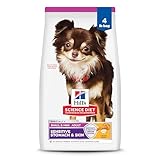
Hill’s Science Diet Sensitive Stomach and Skin
- Sensitive skin and stomach formula
- Omega-6 and vitamin E for coat
- Not for poultry allergies
See the full Product Guide: Best Hypoallergenic Dog Foods in Australia
Best Anti-itch Treatment

PAW by Blackmores NutriDerm, Itchy Skin Duo Pack
- Oatmeal and ceramides soothe skin
- Restores skin’s protective barrier
- Best results need consistent use

As an Australian pet owner, you know the struggle: one minute your dog’s happily zooming around the backyard, and the next they’re scratching like there’s no tomorrow. Australian dog allergies are a real nuisance — itchy skin, the occasional sneeze, and the chewed-up paws that drive both pups and owners a bit bonkers. Our warm climate and diverse flora mean everything from spring pollen to pesky fleas can set them off.
Bruce has had his moments with grass-itch over the years, and the routine that finally settled him isn’t a single product — it’s a layered plan. The good news: once you work out the trigger, the day-to-day management is mostly small habits and a few well-chosen products. The rest of this guide walks you through what to spot, what causes it in Australia, and what to actually do.
Quick Takeaways
The five things worth remembering. Scroll across to read all five.
What Triggers Allergies
Most Australian dog allergies trace back to fleas, pollens, grasses, dust mites or food ingredients. They almost always show up as skin and ear problems rather than the sneezing you’d expect from a human.
Spot the Signs
Persistent scratching or licking, red or inflamed skin, hair loss, recurring ear infections and hot spots are the classic clues. Watch the paws, belly and ears — that’s where it usually shows up first.
Year-Round Flea Cover
Flea allergy is the single biggest cause of itching. Even two or three bites can trigger weeks of inflammation in an allergic dog. Australia’s mild winters mean prevention is a 12-month commitment, not a summer one.
Diagnosis Takes Time
There’s no quick test for food allergies. Diagnosis usually means an 8-week elimination diet with a single novel protein, followed by careful reintroduction. Environmental allergies need a vet’s skin or blood workup.
Mix of Tools
Allergy management is rarely one product. Expect a layered routine: strict flea control, soothing baths, antihistamines or vet meds where needed, plus environmental tidying. Allergies are managed long-term, not cured.
Signs your dog might have allergies
How can you tell if your dog is having an allergic reaction or just an occasional itch? Allergies in dogs almost always show up through the skin. Unlike humans, who get the runny nose and sneezing fits of hay fever, dogs experience skin and ear issues. The classic signs to watch for: persistent scratching or licking (especially paws, belly and armpits), red or inflamed skin patches, hair loss in patchy areas, recurring ear infections, and hot spots — those raised, moist sores that flare up where a dog has been chewing.
These symptoms tend to be chronic or recurring rather than one-off. An allergic dog might scratch and lick their paws every spring when certain grasses bloom, or constantly have irritated ears if dust mites are the issue. Don’t overlook the early signs — if you catch them quickly, you can start managing the allergy before it spirals into a skin infection that needs antibiotics. Watch for changes in coat condition too: a dull coat, dandruff, or sudden bald patches can all be allergy-driven.
Common triggers for dog allergies in Australia
What exactly is setting off your dog’s itchy woes? In Australia our environment presents a buffet of potential allergens. Knowing the trigger is half the battle, because it guides you to the right treatment. The usual suspects, in rough order of frequency: flea allergy dermatitis (a reaction to flea saliva, where even a few bites can cause weeks of itching), environmental allergens (pollen from grasses, trees and weeds; dust mites; mould spores), food allergies (most commonly to chicken, beef, dairy or wheat), and contact allergies (specific shampoos, cleaning products, or even certain plants).
Fleas and environmental factors top the list for most itchy Australian dogs. Airborne particles like pollens and grasses are among the most common triggers for canine atopic dermatitis. Food allergies get a lot of attention online but are actually less common than flea or environmental allergies. As flea allergy is one of the top causes of itching, a single flea bite can trigger weeks of inflammation in an allergic dog — which is why year-round flea prevention matters more than seasonal treatment in our climate. A monthly chew like NexGard Spectra handles fleas, ticks, mites, heartworm and most intestinal worms in one dose; that consistency is what keeps flea-allergic dogs comfortable.
Figuring out the culprit can take detective work. Sometimes it’s obvious — if your dog explodes in scratches right after romping through long grass, environmental allergens are the likely cause. Other times you’ll need a vet’s help to do skin testing or run an elimination trial, especially for suspected food allergies.
Treatment options for dog allergies
Treating dog allergies isn’t usually a one-and-done deal — it takes a combination of approaches and ongoing management. The goal is to relieve current discomfort and prevent future flare-ups. Let’s break it down.
Vet diagnosis and medications
If you suspect your dog has allergies, a trip to the vet is the smart first step. Vets can rule out other issues that look similar (like skin parasites or infections) and confirm if it’s actually an allergy. They may do skin scrapings or ear swabs to check for mites or yeast. For suspected food allergies, your vet will guide you through an elimination diet rather than a lab test — there’s currently no definitive blood test to identify food allergies in dogs. It takes patience and dedication, but it’s worth it to pinpoint what (if any) food is causing trouble.
When it comes to medications, vets have several options. Antihistamines (cetirizine, loratadine) help some dogs. For more stubborn cases, prescription drugs like Apoquel (an oral tablet that targets the itch signal directly) or Cytopoint (a monthly injection that works on the antibodies driving the itch) can be life-changing for atopic dogs. Corticosteroids are also used short-term for severe flare-ups. Each option has a different trade-off in cost, side effects and how fast they work — your vet will help you pick a starting plan.
Managing allergies at home
Treatment isn’t just what happens at the vet clinic — a lot of it continues at home. Small changes to your dog’s routine and environment can make a big difference in preventing flare-ups. Wipe paws and belly down after walks to remove pollen and grass allergens. Wash bedding weekly in unscented detergent. Bathe regularly with a gentle, oatmeal-based or medicated shampoo to soothe inflamed skin and rinse off allergens — twice a month is enough for most dogs, more often during flare-ups. On peak-pollen days, swap the long lawn walk for an indoor game — our pick of the best interactive dog toys covers puzzle feeders and chase toys that burn energy without exposure.
For seriously itchy dogs, a vet-grade calming shampoo like Douxo S3 Calm is worth the spend — the ophytrium ingredient helps restore the skin barrier and dial back the inflammation. If your dog reacts to commercial cleansers, our pick of the gentlest soothing shampoos walks through dermatologist-friendly options. Vacuum more often if dust mites are the trigger, and keep an eye on the garden — some dogs are set off by specific lawn varieties or weeds. The combination of consistent flea control, a soothing bath routine, and avoiding known triggers does most of the heavy lifting between vet visits.
When to see a vet
Most allergy management can be handled at home once you’ve got a plan, but there are clear signals that mean it’s time to stop trying to manage it solo.
Allergies left to run rampant can become secondary bacterial or yeast infections of the skin, which need antibiotics or antifungals to resolve. Catching it early keeps the management plan simpler — and your dog more comfortable.
FAQ
How can I soothe my dog’s itchy skin at home?
For mild itchiness or while you’re awaiting a vet appointment, there are a few home remedies you can try to give your dog some relief. First, a cool bath can work wonders — use a gentle, fragrance-free shampoo (an oatmeal-based dog shampoo is ideal if you have it). The cool water will calm inflamed skin and wash away allergens like pollen or dust. Do not use tea tree oil or any strong essential oils on your dog’s skin, as these can irritate or even be toxic to pets. If a specific area is driving them mad, a cool damp cloth or even a wrapped ice pack on that spot for a few minutes can take the edge off the itch. Keep their bedding freshly washed in unscented detergent, wipe paws down after walks to remove pollen and grass, and stick to lukewarm water rather than hot baths — heat amplifies itching. These steps soothe the symptom but they’re not a substitute for vet care if the itching is persistent.
Can I give my dog antihistamines like I would take for allergies?
Often, yes — certain human antihistamines can be used for dogs, but you must use the correct type and dosage. Common ones vets recommend include cetirizine (the active ingredient in Zyrtec) or loratadine (in Claratyne). These tend to have fewer side effects for dogs. Always use plain antihistamine tablets (no decongestants or combo cold/flu ingredients, as those can be dangerous for pets). The dose for dogs is different than for humans and usually depends on your dog’s weight, so always consult your vet before giving any human medication. Antihistamines also don’t work for every dog — some respond well, others see no change. If you’re going to try one, your vet can give you the right dose for your dog and tell you what to watch for. If symptoms don’t improve within a week or two, it’s time to escalate to a prescription option like Apoquel or Cytopoint.
How do vets test for allergies in dogs?
Diagnosing allergies in dogs can be a bit of a puzzle and there’s unfortunately no one-size-fits-all test. For food allergies, there isn’t a simple blood or skin test that gives a straight answer. Instead, veterinarians use elimination diets. This means feeding a strict diet with novel ingredients (or a prescription hydrolysed food) for at least 6 weeks, and seeing if the symptoms improve. If they do, you then slowly reintroduce old food items one by one to confirm which ingredient was causing the reaction. It’s patient detective work but the most reliable method available. For environmental allergies (atopy), vets can refer you to a dermatology specialist who can run intradermal skin testing — small amounts of common allergens are injected into the skin to see which ones trigger a reaction. Blood tests for environmental allergens exist too but are less accurate than skin testing. The diagnosis then guides what treatment makes sense: avoidance, immunotherapy injections, prescription medications, or a combination. Don’t expect a quick answer; allergy diagnosis in dogs is usually a months-long process rather than a single appointment.
Can dogs be allergic to grass or pollen (like hay fever)?
Absolutely, and it’s very common. Many dogs in Australia have what’s essentially “hay fever” — though in dogs it usually shows up as skin problems rather than sneezing. Grass, tree, and weed pollens are frequent triggers for canine atopic dermatitis. You might notice your dog’s itching flares up during spring and summer when everything is blooming. A classic sign is red, itchy paws and tummy from running around on grass (some dogs even get a rash where their body contacts the ground). They can also lick their paws constantly after walks, develop ear infections, or get hot spots on areas with thin fur. The good news is environmental allergies are very manageable: wiping paws and tummy with a damp cloth after walks removes most pollen, regular gentle bathing helps wash allergens off the coat, and vet-prescribed medications like Apoquel or Cytopoint can dramatically reduce the itch response. If your dog’s symptoms follow a seasonal pattern, talk to your vet about an atopy workup.
Will my dog always have allergies, or can they be cured?
This depends on the type of allergy, but in many cases, allergies are a lifelong condition that we manage rather than completely cure. If it’s a food allergy, once you identify the offending ingredient (say, chicken), you can eliminate it from your dog’s diet entirely — in essence, that “cures” the problem, as long as the dog never eats that food again. The key is strict avoidance, and your dog should stay symptom-free. For flea allergies, it’s similar: you can’t make your dog stop being allergic to flea saliva, but consistent year-round flea prevention means the dog never gets bitten in the first place, so the allergy never flares. Environmental allergies (to pollen, dust mites, grass) are the trickier ones — those can’t be avoided entirely, so management is the realistic goal. Immunotherapy (allergy shots) can desensitise some dogs over years of treatment, but it doesn’t work for every dog. The honest answer is most allergic dogs need ongoing management for life. The good news: with the right plan, they can live happy, comfortable, itch-free lives.
Final thoughts
Caring for an allergic dog can feel daunting at first, but with some knowledge and a steady routine it becomes just another part of pet parenthood. The key is to be observant and proactive — catch the signs early, work with your vet, and don’t be afraid to adjust the plan as you learn what helps your furry mate most.
While there may not be a magic cure, most allergies can be managed well enough that your dog still gets to enjoy zoomies on the lawn or trips to the beach without misery afterwards. And remember the upsides: those extra baths and pampering grooming sessions can double as bonding time — Bruce thinks spa day is just part of his weekly attention quota. Seeing your best friend comfortable in their own skin is hugely rewarding. Here’s to many itch-free days ahead for you and your pup.
We Think You’ll Also Like These Guides
 DOG
DOGBest Flea and Tick Treatment for Dogs in Australia: Ultimate Guide
Paralysis ticks make this no place to cut corners. We compared the most effective flea and tick treatments for Aussie conditions.

 DOG
DOGIs my Dog Depressed? Complete Owners Guide to Understanding Dog Depression in 2026
Flat, withdrawn, off their food — dogs feel low too. Learn the signs of canine depression and how to help your dog bounce back.

 DOG
DOGBest Joint Supplements for Dogs in Australia: Ultimate Guide
Stiff mornings and slowing down aren't just old age. We found the joint supplements with the evidence to keep dogs moving.