Dogs | Health | Toys
How to Choose the Best Dog Toys: Keeping Your Pup Safe and Happy
Choosing the right toy for your dog can feel overwhelming. There are no mandatory pet-toy safety standards in Australia — which means the responsibility for picking a safe toy sits entirely with us, the owners. Bruce, my Golden Retriever, was once happily chewing a stray coconut he found in the backyard, which gives you a sense of what dogs will improvise with if you don’t give them better options. This guide walks through the two safety rules that cover most situations, how to match the toy to your dog’s life stage and chew style, and a quick framework for building a properly varied basket — without burning through cheap toys every fortnight.
The Upshot
Pick toys that match your dog’s size, chew style and safety — not your aesthetic.
With no enforced pet-toy safety standards in Australia, the responsibility sits with owners. The two rules: anything that fits entirely in your dog’s mouth is too small, and anything you can’t dent with your thumbnail is too hard for teeth. Variety helps too — chew, fetch, puzzle and comfort each meet different needs.
Best Interactive Toy

Outward Hound Dog Brick Interactive Treat Puzzle
- Three treat puzzles in one
- Easy to rinse clean
- Small parts need supervision
See the full Product Guide: Best Interactive Dog Toys in Australia
Best for Tough Chewers

KONG Extreme Dog Toy
- Tough rubber, stuffable with treats
- Lasts months with heavy chewers
- Black rubber can mark walls
See the full Product Guide: Toughest Dog Toys for Aggressive Chewers

For Australian pet owners, picking dog toys is about more than fun — it’s about safety, especially since there are no pet toy safety standards set by law here. The good news: most of the right calls come down to a few simple rules and a willingness to actually look at the toy before handing it to your dog. This guide breaks down what to look for, including a quick “thumbnail test” for hardness, how to match toys to your dog’s age and play style, and a 5-step framework you can use in any pet shop.
The other thing worth saying upfront: the right toy basket isn’t one toy on rotation, it’s three or four different categories that meet different needs. A snuffle mat doesn’t replace a chew toy, and a fetch ball doesn’t replace a treat puzzle. Build the basket, rotate weekly, and watch for damage — that’s the whole game.
Quick Takeaways
The five things worth remembering. Scroll across to read all five.
Size to the Mouth
If the whole toy fits inside your dog’s mouth, it’s too small. The single most common cause of toy-related vet emergencies is a choking incident from an undersized ball or toy chunk.
Pet-Safe Materials
Stick to non-toxic rubber, quality nylon and proper rope. Avoid anything with detachable small parts — buttons, plastic eyes, ribbons. Cheap dollar-shop plastic is almost always a false economy with a chew-prone dog.
Thumbnail Test
Press your thumbnail into the toy. If you can’t make a slight dent, it’s hard enough to crack a tooth — risky for aggressive chewers and unsafe for puppies and seniors. Rubber chews pass, hard nylons don’t.
Mix the Categories
A good basket has at least one of each: a chew toy for self-soothing, a fetch ball for active play, a puzzle for mental work, and a soft comfort toy. Each category meets a different need.
Inspect and Retire
Check toys weekly for cracks, frays, exposed stuffing or missing chunks. Retire anything damaged immediately — a swallowed toy fragment is a vet emergency that costs far more than a replacement toy ever would.
Safety first: size, material and durability
Size matters more than anything. Always pick a toy that’s large enough so your dog can’t swallow or choke on it. As a rule of thumb, the toy should not fit entirely inside your dog’s mouth. A bulky chew toy that sticks out the sides of their jaws is far safer than a tiny ball that could get lodged in the throat. When in doubt, size up — most brands offer small/medium/large variants for a reason, and the cost of going one size too big is zero.
Safe construction is on us. Because there are no mandatory pet-toy safety standards in Australia, it’s on owners to be the quality check. Look for toys made from non-toxic materials (rubber, high-quality nylon, sturdy rope) from reputable brands. Steer clear of toys with easy-to-remove small parts — buttons, plastic eyes, bells, ribbons — that could be chewed off and swallowed. If a toy is made of thin plastic you could snap in your own hands, it won’t survive your dog. Cheap dollar-shop plush or plastic toys almost always end up costing more in the long run, either in replacements or in vet bills.
Key Insight
The “thumbnail-dent test” is a quick rule vets use: if you can’t dent the toy with your thumbnail, the toy is hard enough to crack a tooth. Veterinarians warn that chewing hard items can break teeth, so hard nylon and antlers fail this test — risky for power chewers, unsafe for puppies or seniors. Rubber chews pass it. Always check before buying.
Durability vs chew strength. Be honest about your dog’s chewing habits. A gentle Cavoodle may be fine with soft plushies for months; an aggressive Staffy will turn the same toy into confetti before lunchtime. For power chewers, choose heavy-duty toys specifically designed to handle aggressive chewing (we have a full guide to those here). For gentle chewers, the basket can be more varied without worrying about durability.
Supervision and regular checks. No toy is truly indestructible, so always keep an eye on your dog during play, especially with anything new. This way you can step in if the toy starts to split or if your dog manages to chew off a chunk. Get in the habit of inspecting toys weekly — squeeze rubber to check for hidden splits, look at rope toys for unravelling threads, and check plush for exposed stuffing. Bin damaged toys immediately; what looks like a small tear today can be a swallowed squeaker by tomorrow.
Choosing the right toy for your dog
Every dog is unique, and the basket should fit their size, age and play style. A toy that delights one pup might do nothing for another. Consider your dog’s breed, personality and life stage when shopping for toys — a retriever who lives to fetch needs different things from a senior Greyhound who’s happiest snuffling for treats on a mat. Here’s the framework I run through whenever I’m picking a new toy:
-
Identify the dog’s life stage
Puppy, adult, senior. Puppies need soft, rubbery chew toys made for teething puppies to soothe their gums; adult dogs handle the full range; plush toys or softer rubber toys can be great for seniors to carry around or gently chew, alongside low-impact enrichment (snuffle mats, treat dispensers) rather than high-energy fetch.
-
Be honest about chew style
Gentle, moderate or aggressive chewer? A gentle dog can have plush. A moderate chewer needs rubber or reinforced plush. An aggressive chewer needs serious-grade KONG Extreme or Benebone-class toys — anything less and you’re buying disposable toys.
-
Match size to the dog
Always pick the size that doesn’t fit fully in your dog’s mouth. Most brands offer small/medium/large/XL — when in doubt, size up. A too-big toy is awkward; a too-small toy is a choking hazard. Avoid giving large breeds toys designed for small dogs, and use plus-sized toys made for big breeds like XXL chew bones and oversized tug ropes.
-
Apply the thumbnail-dent test
Press your thumbnail into the toy. Can you make a small indentation? Then it’s safe for teeth. Can’t? It’s too hard — skip the toy for any puppy, senior, or dog with worn teeth, and supervise close even for healthy adults.
-
Fill the gap in your basket
What’s already in the toy basket? If you’ve got chews and balls covered, add a puzzle or comfort toy next. Variety meets different needs and stops your dog from getting bored with any single thing.
Keep in mind these are general rules — individual dogs have their own quirks. A huge Mastiff might lovingly nurse a tiny stuffed lamb, while a small Terrier might fancy itself a shredder of supposedly “indestructible” toys. Always observe your dog with a new toy and see what they actually do with it. Over time you’ll build a clear picture of what suits them.
The five main types of dog toys
Dog toys come in many varieties, each designed to appeal to different canine instincts. Mixing up categories keeps your dog engaged and prevents boredom (variety is the spice of a pup’s life). Here’s how the major categories compare and when each one earns its place:
| Category | What it’s for & what to look for |
|---|---|
| Chew toys (rubber, nylon) |
For self-soothing, teething relief, and redirecting destructive chewing. Match toughness to your dog’s chew style — the toy should pass the thumbnail-dent test for the dog’s age and dental condition. |
| Fetch toys (balls, frisbees) |
For active outdoor play, energy burning, and recall practice. Use dog-specific balls or frisbees — pick a size that can’t be swallowed, rubber over plastic, and something that floats if your dog is a water-lover. |
| Puzzle toys (treat dispensers, hide-and-find) |
For mental enrichment, slow feeding, and separation-anxiety distraction. Match the difficulty to your dog’s experience, stick to food-safe materials, and only use multi-part puzzles under supervision. |
| Tug toys (ropes, rubber rings) |
For interactive play with you, energy burning, and training games. Long enough to keep hands well away from teeth, tightly woven construction, and retire the moment loose strings appear. |
| Comfort toys (plush, squeaky) |
For cuddling, security, gentle indoor play, and separation anxiety. Reinforced plush for moderate chewers, supervise with destroyers, and wash in a laundry bag every couple of weeks. |
Whatever types of toys you offer, rotate them every so often. Dogs can get bored seeing the same old toys lying around. By swapping in “new” toys from a stash, you’ll spark your dog’s interest again without constantly buying replacements. Bruce has a toy basket and he’ll actually dig around looking for whichever one I rotated out a week ago — old toys feel new again when they’ve been away for a while.
When to retire a toy (and when to see a vet)
Even the best toy has a lifespan. The earlier you retire a damaged toy, the cheaper that decision is — both for you and for your dog. Run a quick inspection weekly along with the rest of the household tidy-up. Anything with damage goes in the bin straight away, no exceptions.
For dental damage specifically — a chipped or broken tooth from a too-hard chew — book an exam even if your dog isn’t in obvious pain. Dental issues progress fast in dogs and a broken tooth can lead to a root infection if it isn’t addressed. The cost of a vet check is always smaller than the cost of an extraction down the track.
FAQ
What toys are best for teething puppies?
Teething puppies (around 3 to 6 months old) need soft, rubbery toys that they can safely chew on to relieve gum pain. Look for puppy-specific chew toys — these are usually made of a gentler rubber or silicone that massages the gums without harming baby teeth. For example, pliable chew rings or KONG toys designed for puppies are great. You can even chill some toys in the fridge to soothe their gums. Avoid giving puppies very hard chews or bones, as these can damage their incoming teeth. And always supervise teething pups with new toys — according to the RSPCA, appropriate chew toys can alleviate teething issues and keep your pup from gnawing on your furniture instead.
How often should I replace my dog’s toys?
Regularly inspect your dog’s toys for wear and tear. A good rule is: if it’s damaged to the point where pieces could break off, it’s time to replace it. Some dogs will gradually erode a chew toy or put holes in a plush toy over weeks or months — others might destroy a toy in a single afternoon. Replace rubber or plastic toys once they start cracking, splitting, or if bits are missing (they could be in your dog’s stomach). For plush toys, once the seams rip or stuffing/squeakers come out, retire them. For rope toys, retire once long loose strings appear — ingested rope strands can cause serious gut emergencies. Build a habit of checking toys every weekend along with the rest of the household tidy-up.
Are tennis balls safe for dogs to play with?
Tennis balls are a bit of a double-edged sword. Many dogs adore them for fetching, and they’re fine under supervision for a game of throw-and-retrieve. However, standard tennis balls are not designed for canine teeth — the fuzzy surface is abrasive and can wear down a dog’s teeth enamel over time (imagine it like a scouring pad on their teeth). Also, strong chewers can split a tennis ball and potentially choke on or swallow the pieces. If you have a large dog, a whole tennis ball can even lodge in their throat. The safer alternative for daily fetch is a purpose-made rubber fetch ball (like the Chuckit! Ultra Ball) — bigger, tougher, no abrasive felt. Save tennis balls for the occasional supervised game.
Which toy materials should I avoid?
Generally, avoid toys that feel cheaply made or flimsy, as they tend to break apart easily. Stay away from toys with small plastic attachments or decorations (bells, eyes, ribbons) — these bits can be chewed off and swallowed. If a toy is made of thin plastic that you could snap in your hands, it won’t survive your dog. Some stuffed toys for children can be unsafe for dogs because of foam fillings or polystyrene beads that can spill out if torn — stick to purpose-made dog plush. Also avoid antlers, real bones (especially cooked) and very hard nylons for dogs with worn or fragile teeth. When in doubt, the thumbnail-dent test (described above) is the single best guide.
How much should I spend on dog toys?
Budget honestly based on your dog’s chew style. For a gentle dog, a basket of $10-20 plush toys lasts months and is great value. For a moderate chewer, $20-40 mid-range rubber or nylon options last a few months each. For an aggressive chewer, you’ll save money long-term spending $30-60 on a properly tough KONG Extreme or Benebone that lasts a year, rather than burning through a $5 supermarket toy every fortnight. The math works out: one $40 toy lasting 12 months is cheaper per day than a $5 toy lasting two weeks. Combine that with the smaller-bin-of-waste argument, and quality starts looking like the obvious choice.
Final thoughts
The best dog toys are the ones that keep your pup engaged AND keep them safe. A little research and care in choosing toys goes a long way — it can save you money (and vet heartache) in the long run. Toys are there to enhance the bond you share with your dog, not replace your attention; the best play sessions are the ones you’re part of.
Pick a small basket of high-quality toys across the five categories, keep them clean, rotate them weekly, and inspect them religiously. Whether it’s a game of fetch at the beach with a sturdy rubber ball, a slow puzzle feeder during dinner, or a snuffle mat on a rainy arvo, you’ll be giving your dog the mental and physical stimulation they crave — without the constant cycle of cheap-toy-to-bin. Stay safe, have fun, and give your good boy or girl an extra pat from me. Bruce (and Luna the cat, watching from the windowsill) are cheering you on.
We Think You’ll Also Like These Guides
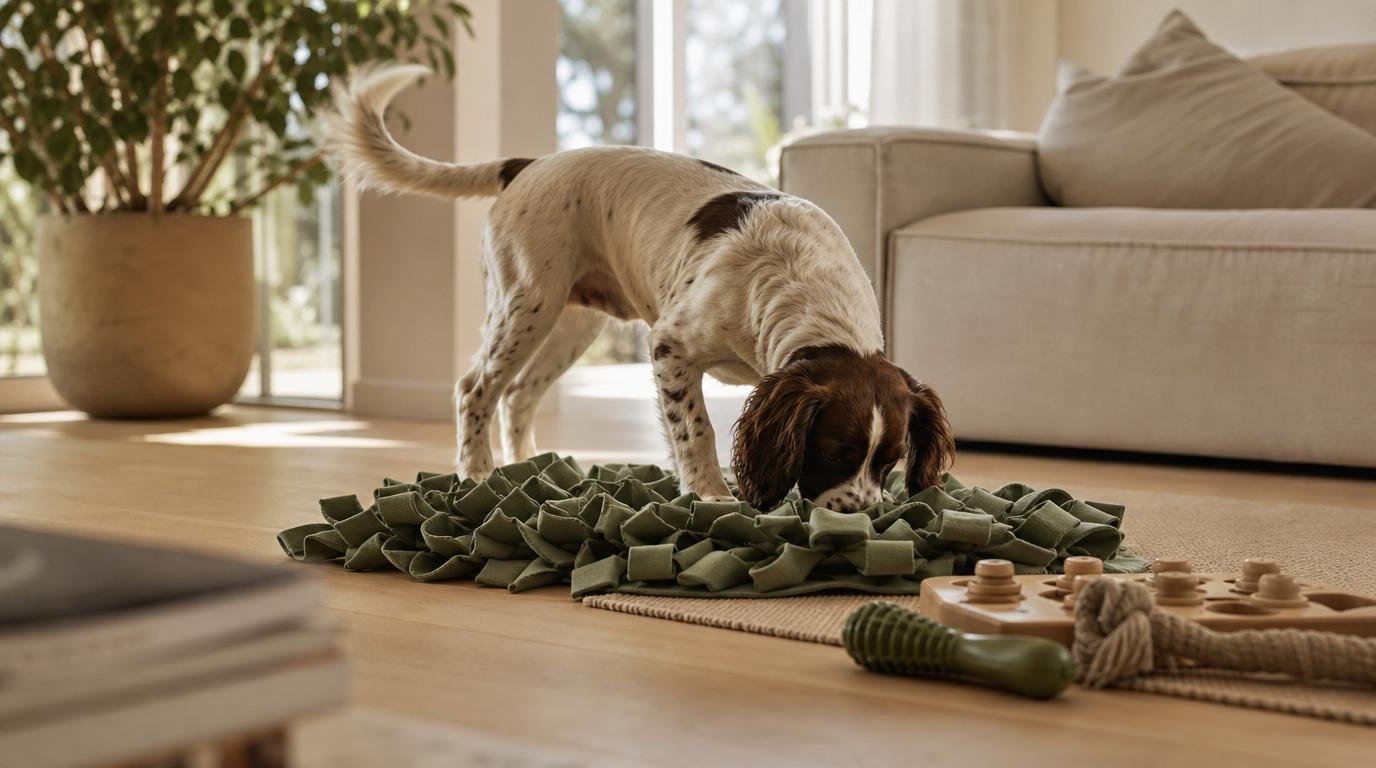 DOG
DOGBest Dog Toys for Bored Dogs: Ultimate Australian Picks to Keep Dogs Busy
A bored dog finds its own fun — usually your shoes. These toys keep busy minds engaged and out of trouble.

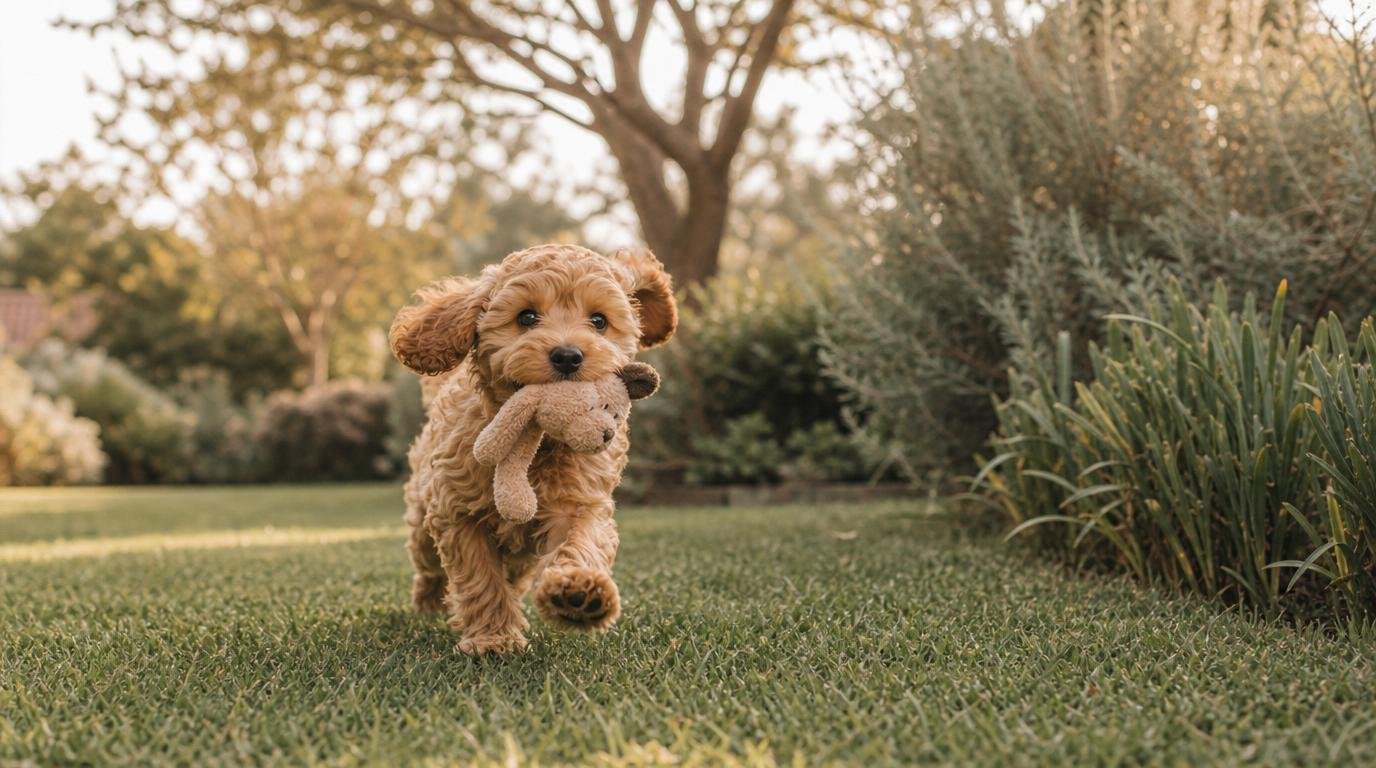 DOG
DOGBest Dog Toys for Puppies in Australia – Ultimate Guide
Teething, chewing, learning — puppies need the right toys for each. We picked safe, durable favourites that grow with them.

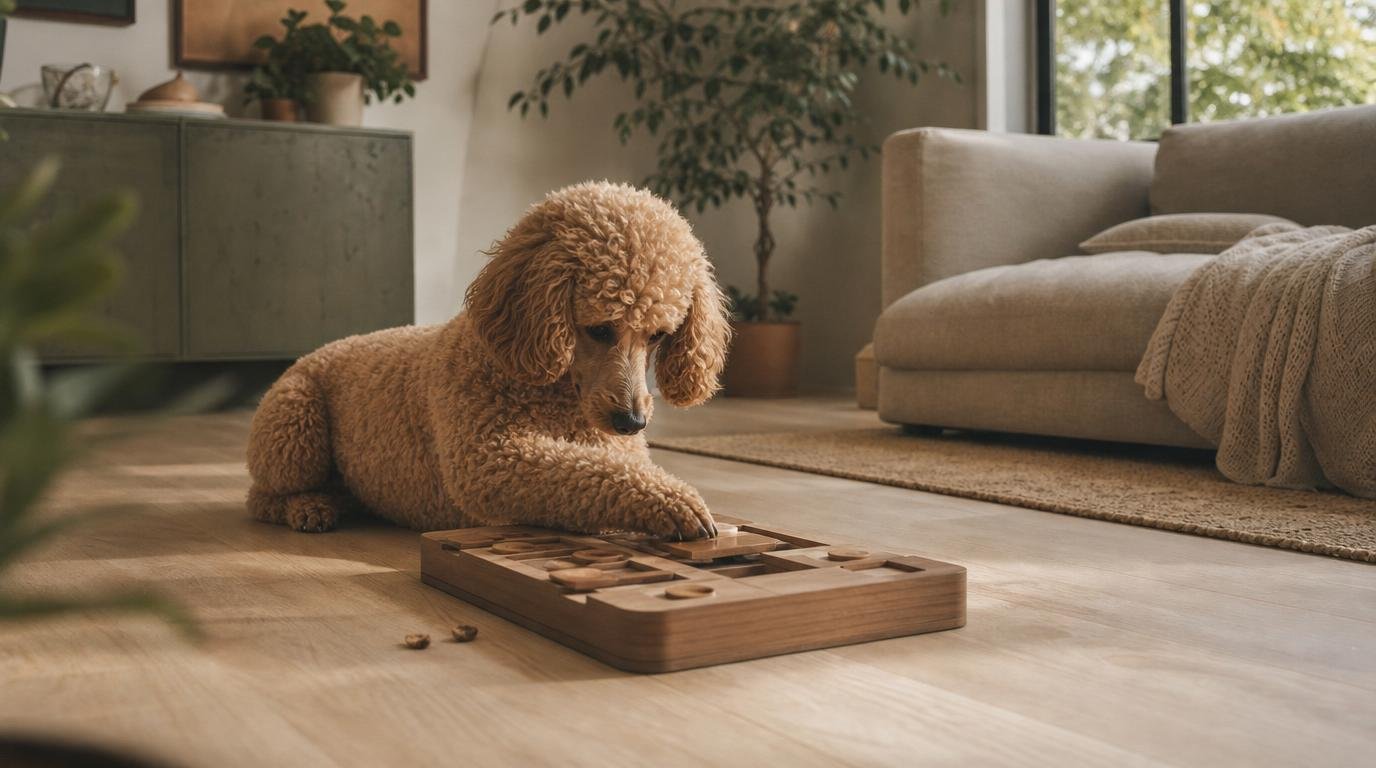 DOG
DOGBest Interactive Dog Toys in Australia: Your Ultimate Guide
Puzzles, dispensers and movers that make dogs think. We found the best interactive toys to beat boredom and burn mental energy.