Dogs | Toys
Why Do Dogs Destroy Their Toys? Chewers, Boredom and Safe Picks
Few things land in the bin faster than a brand-new dog toy that didn’t survive the afternoon. If you’ve stood over a confetti of stuffing wondering what just happened, you’re not alone — destructive chewing is one of the most common things Aussie owners deal with, and it almost always means something is going on under the surface. Sometimes it’s mechanical chewing power (think Staffies, Labradors, working breeds). Sometimes it’s boredom or stress. The good news: once you know which one you’re dealing with, the fix is usually clear, and the right toys make a real difference.
The Upshot
Most dogs destroy toys for one of three reasons: boredom, anxiety, or sheer chewing power.
Each cause calls for different toys and different routines. Match the toy to the cause — not the marketing — and pair it with supervision and rotation. The right pick saves your shoes, your sanity and, in the worst case, an emergency vet bill.
Best for Heavy Chewers

KONG Extreme Dog Toy
- Toughest KONG for heavy chewers
- Freezable for long mental work
- Black rubber can mark walls
See the full Product Guide: Toughest Dog Toys for Aggressive Chewers in Australia
Best Low-Risk Plush

Outward Hound Hide A Squirrel Plush Puzzle
- Three squirrels for hunt-and-find
- Soft plush, gentle on mouths
- Not built for hard chewing
See the full Product Guide: Best Squeaky and Plush Dog Toys

Bruce, our Golden Retriever, has been responsible for the early retirement of more squeaky toys than we care to count. For a long time we assumed he was just being a dog. It turns out that’s only half the story — destructive chewing usually has a reason, and once you know what to look for, you can stop replacing the same toy month after month.
In this guide we’ll work through the three main reasons dogs destroy toys, what each one actually looks like in the lounge room, and how to pick toys that match. We’ll also flag the safety stuff that quietly matters most — supervision, what to do when a toy starts to fall apart, and when a chewed toy stops being a cleanup job and becomes a vet problem.
Quick Takeaways
The five things worth remembering. Scroll across to read all five.
Find the reason
Destructive chewing is rarely random. It usually traces back to boredom, anxiety, or a chewer whose jaws need an outlet. Match the toy to the cause, not the packaging.
Match jaw to toy
A determined Staffy will shred plush in minutes. Strong chewers need natural rubber or rubber-blend toys built for it; sensitive mouths do better with softer puzzle toys.
Rotate, don’t replace
Five toys in rotation feel like twenty. Pack three away, leave two out, and swap them weekly. Novelty does most of the work that boredom-based chewing is trying to do.
Supervise, always
Even tough toys fail eventually. Watch playtime for the first few sessions, and pull anything with cracks, exposed stuffing or loose squeakers before it heads down the wrong way.
Watch for warnings
Sudden destruction in an older dog can signal stress, pain or a change at home. If the chewing comes with pacing, escape attempts or accidents, it’s worth a vet check.
The three reasons dogs destroy toys
Before you blame the toy or the dog, work out what’s actually driving the destruction. Almost every case lands in one of three buckets: a brain that isn’t getting enough work, a nervous system in low-grade panic, or a jaw built for serious chewing with nowhere to direct it. The fix changes completely depending on which one you’re dealing with, so it’s worth a minute of honest assessment before you head to the pet aisle.
Boredom and under-stimulation
This is the most common cause, and the easiest to fix. Dogs are built to sniff, search, problem-solve and chew their way through the day. A dog left with the same two toys and no other stimulation will get to the bottom of them very quickly — not because the toys are bad, but because nothing else is happening. The RSPCA’s playtime guidance is blunt about this: rotating toys and adding puzzle-style feeders is what keeps interest up. A bored dog will always find their own entertainment — and it won’t be the entertainment you’d choose.
You can usually tell when boredom is the driver. The destruction tends to happen when the house is quiet — mid-morning while you’re working, late afternoon before the walk — and the targets are anything within reach. Toys, yes, but also shoes, remote controls and the corner of the couch. The fix isn’t a tougher toy. It’s more variety, more mental work and more sniffing packed into the day. A frozen, food-stuffed rubber toy can buy you a peaceful twenty minutes that a tennis ball never will.
Anxiety and stress
Anxiety-driven destruction looks different. It’s usually concentrated around triggers — being left alone, storms, fireworks, or a recent change at home (new baby, renovation, a flatmate moving out). The dog isn’t bored, they’re trying to cope. The RSPCA lists destructiveness alongside pacing, excessive barking, unexpected toileting and escape attempts as the classic signs that a dog is anxious when you’re not home. If the chewing happens in clusters around those moments rather than spread through the day, you’re probably looking at stress, not boredom.
Toys help, but they don’t fix anxiety on their own. A stuffed rubber toy frozen and handed over at the door can soften the bite of a quick departure, and that’s worth doing. For genuine separation anxiety, though, the toy is a comfort blanket — the real work is desensitisation, environmental enrichment and, often, a chat with your vet or a behaviourist about the dog’s overall stress load. Don’t expect a chew toy to solve a chemistry problem.
Genuine chew drive
Some dogs just chew. It’s not pathology, it’s wiring. Staffies, Labradors, working-line Kelpies, Bull Arabs and any dog with strong jaw muscles and a working background will mouth, mouth, mouth — and a soft plush toy will not survive that no matter how clever the squeaker. This isn’t a behaviour you train out (and you shouldn’t try to). Chewing is good for them. The job is to give them something appropriate to direct it at.
Puppies sit in their own category here. The RSPCA notes that gnawing is normal canine behaviour and that the urge to chew is most intense during the teething window — roughly three to seven months — when adult teeth are pushing through sore gums. Puppy-specific chew toys, ideally chilled in the freezer, give them something to push back against that isn’t your dining chair leg.
How to tell which reason is yours
Some dogs sit cleanly in one of the three buckets above. Most are a mix. The quickest way to work out the dominant driver is to pay attention to when the destruction happens and what gets destroyed. Don’t try to diagnose it from a single chewed toy — watch the pattern for three or four days first.
Boredom-driven chewing tends to spread across the day, peaks when nothing is happening, and goes for whatever is closest — including non-toys. Anxiety chewing clusters tightly around triggers (the front door closing, the storm warning, the suitcase coming out of the cupboard). Pure chew-drive destruction is matter-of-fact and consistent: the dog isn’t agitated, they just methodically reduce a tennis ball to its component parts because that’s what their jaws are built for. Once the pattern is clear, the buying decision usually makes itself.
Key Insight
Boredom destroys at random. Anxiety destroys around triggers. Pure chew drive destroys with focus. Knowing the pattern is half the fix.
Matching the toy to the chewer
Once you know the driver, the buying decision gets simpler. Toys aren’t graded by “good” or “bad” — they’re graded by who they’re for. A toy that’s perfect for a gentle Cavoodle is a vet bill waiting to happen for a determined Staffy, and vice versa. Two broad categories cover most needs.
For strong chewers
If your dog can power through plush in under ten minutes, you’ve got a strong chewer. Look for thick natural rubber (KONG is the benchmark for a reason), rubber-and-nylon blends rated for aggressive chewers, and toys that are stuffable and freezable — the freezing both stretches play time and gives sore gums something to push against. Avoid hard plastics, cooked bones, antlers and anything that doesn’t give a little under your thumbnail; they crack teeth. The general rule from most vet dentists is that if you wouldn’t want to be hit in the kneecap with it, it’s too hard for the dog’s teeth too.
For sensitive mouths and gentler players
Not every dog needs a toy that could double as a doorstop. Younger puppies, smaller breeds, seniors with dental wear and dogs who chew calmly all do better with softer puzzle toys, snuffle mats and plush toys with hidden squeakers or treats. Hide-and-seek style toys (the squirrels-in-a-tree-trunk format is the obvious one) are particularly clever because the destruction is built into the play — the dog is supposed to pull the pieces out — without the toy itself coming apart. The catch: supervise, and replace the soft components once they start looking ragged.
The safety stuff that actually matters
The biggest risk with destructive chewing isn’t the shredded toy on the carpet — it’s what happens when a piece of toy ends up where it shouldn’t. Foreign-body ingestion is one of the more common emergencies vets see, and most cases trace back to stuffing, squeakers, plastic eyes, rope strands or chunks of rubber that the dog swallowed mid-game. The fix isn’t to avoid toys; it’s to be choosy about which toys you allow unsupervised, and to know when a toy has earned a one-way trip to the bin.
The RSPCA’s blanket rule is to always supervise dogs with toys, especially new ones, and to remove anything that starts to fall apart. That’s the headline. The details look like the table below.
| Toy stays in | Toy goes out |
|---|---|
| Intact rubber, no cracks or tears | Visible cracks, gouges or chunks missing |
| Stuffing fully sealed inside fabric | Stuffing leaking or chewed open |
| Squeakers and eyes firmly attached | Loose squeakers, missing eyes, frayed seams |
| Rope ends still tightly bound | Loose threads coming apart at the ends |
None of these are subtle once you know what you’re looking for, and none of them should wait until morning. Foreign bodies that get into the small intestine often need surgery to remove, and the window between “the dog seems off” and “the dog needs theatre” can be shorter than people expect. When in doubt, ring the vet — they’d rather a phone call that turns out to be nothing than a delayed presentation.
Building a smarter toy rotation
Buying more toys rarely fixes destruction. Rotating the ones you already have, almost always, will. Most dogs need a handful of well-chosen toys cycled through the week — not a basket of forgotten plush slumping in the corner. The system below is what works for us at home, and it’s the easiest single change you can make for a boredom-driven chewer.
-
Audit what you’ve got
Pull every toy out and group them by what they’re for: fetch, chew, puzzle, comfort. You’ll usually find you’ve over-bought in one category and ignored another.
-
Pick a working five
Choose five toys that cover the four categories above (plus a backup chew). The rest go into a sealed tub in a cupboard, out of sight and out of scent.
-
Swap weekly, not daily
Once a week, return two toys to the tub and pull two fresh ones out. The dog treats them as new even after a few rotations — novelty does the heavy lifting.
-
Retire and replace honestly
Anything that doesn’t pass the safety check from the section above gets binned, not “saved for later”. Don’t let a half-destroyed toy hang around because the dog still loves it.
Done well, a five-toy rotation feels infinite to the dog and costs less than buying a new toy every fortnight. Combine it with a tougher base toy for the strong chewers and one or two puzzle feeders for the boredom-prone, and most owners stop having the “why did you destroy this” conversation within a month.
FAQ
Is it bad for my dog to destroy toys?
Not on its own, no. Tearing toys apart is normal canine behaviour — many dogs are wired to dismantle prey, and a destructible toy gives them a safe outlet for it. It becomes a problem only when the dog is swallowing the bits, when the destruction is happening because they’re anxious or under-stimulated rather than satisfied, or when the cost of replacing toys is getting out of hand. If the chewing itself is calm and the pieces stay on the floor rather than in the dog, you’ve usually got nothing to worry about beyond a vacuum cleaner.
My dog destroys every toy in under an hour — what do I actually buy?
For a serious chewer, the only toys that reliably hold up are thick natural rubber (the classic black KONG Extreme being the best-known example) and rubber-and-nylon hybrids specifically rated for aggressive chewers. Skip plush, skip rope, skip anything that looks fluffy and friendly — those aren’t built for that job. Stuffable rubber toys are the bonus pick because you can freeze peanut butter, wet kibble or yoghurt inside them and turn ten minutes of mindless chewing into thirty minutes of focused work. That’s usually enough to take the edge off.
Could destructive chewing mean my dog is anxious?
Sometimes, yes. Destruction is one of the classic signs of separation anxiety the RSPCA lists, alongside pacing, excessive barking, unexpected toileting and escape attempts. The tell is timing. If the destruction is concentrated around your departures, storms, fireworks or any obvious trigger — and especially if it comes with other anxious behaviours — it’s worth treating it as a stress signal, not a toy problem. A chat with your vet or a qualified behaviourist is a sensible next step.
Is it safe to leave my dog alone with their toys?
It depends on the toy and the dog. A solid, intact rubber toy with no loose parts is generally fine to leave with a calm chewer. Anything with squeakers, stuffing, plastic eyes, rope ends or visible damage is not — those are the pieces that end up swallowed when there’s no one watching. As a rule, plush and rope toys are supervised play only, and rubber toys can be left out once you’ve watched the dog with that specific toy enough times to know how they treat it.
How long does puppy teething destruction last?
The intense phase usually runs from around three months to seven months, when adult teeth are erupting through sore gums. You’ll see a chewing spike in that window — frozen, puppy-rated chew toys are the best thing for it, both for the dog’s comfort and for the survival of your furniture. After about seven months most pups settle, though some breeds (Labs especially) keep a strong chew drive well into adulthood. If the chewing doesn’t ease at all once the adult teeth are in, that’s the point to start looking at the boredom-versus-anxiety question instead.
Final thoughts
If Bruce has taught me anything, it’s that the toys you’ve already got at home are usually doing less work than they could. He destroyed the same style of plush squeaky toy on a fortnightly cycle for the better part of a year before I worked out he wasn’t bored — he just needed something he could actually sink his teeth into. A switch to a rubber chew and a proper weekly rotation cut my toy spend in half and gave him something far more satisfying. If your dog is doing the same, start by watching when the destruction happens before you head to the pet store. The pattern almost always points you to the answer, and the right toy follows from there. And when in doubt — supervise, retire damaged toys early, and don’t be shy about calling the vet if something has gone down the throat that shouldn’t have.
We Think You’ll Also Like These Guides
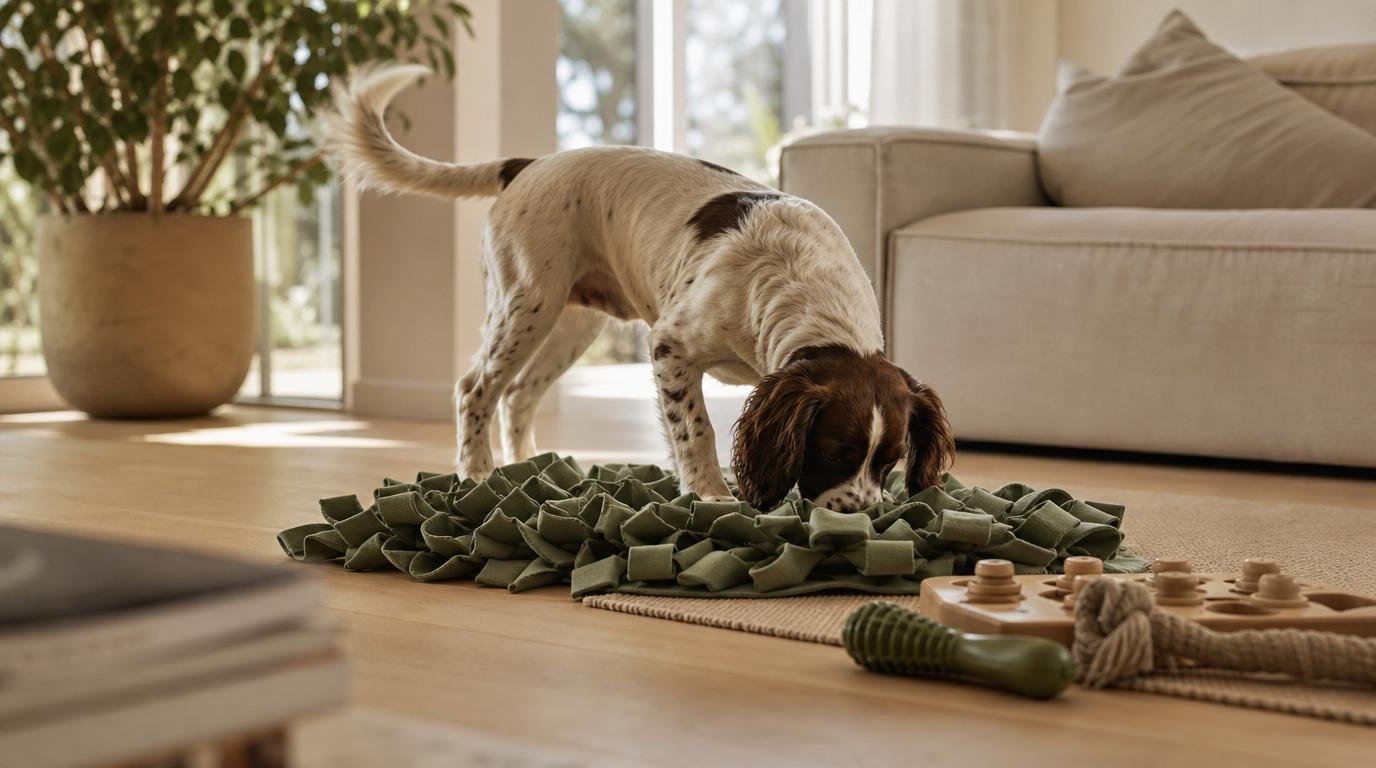 DOG
DOGBest Dog Toys for Bored Dogs: Ultimate Australian Picks to Keep Dogs Busy
A bored dog finds its own fun — usually your shoes. These toys keep busy minds engaged and out of trouble.

 DOG
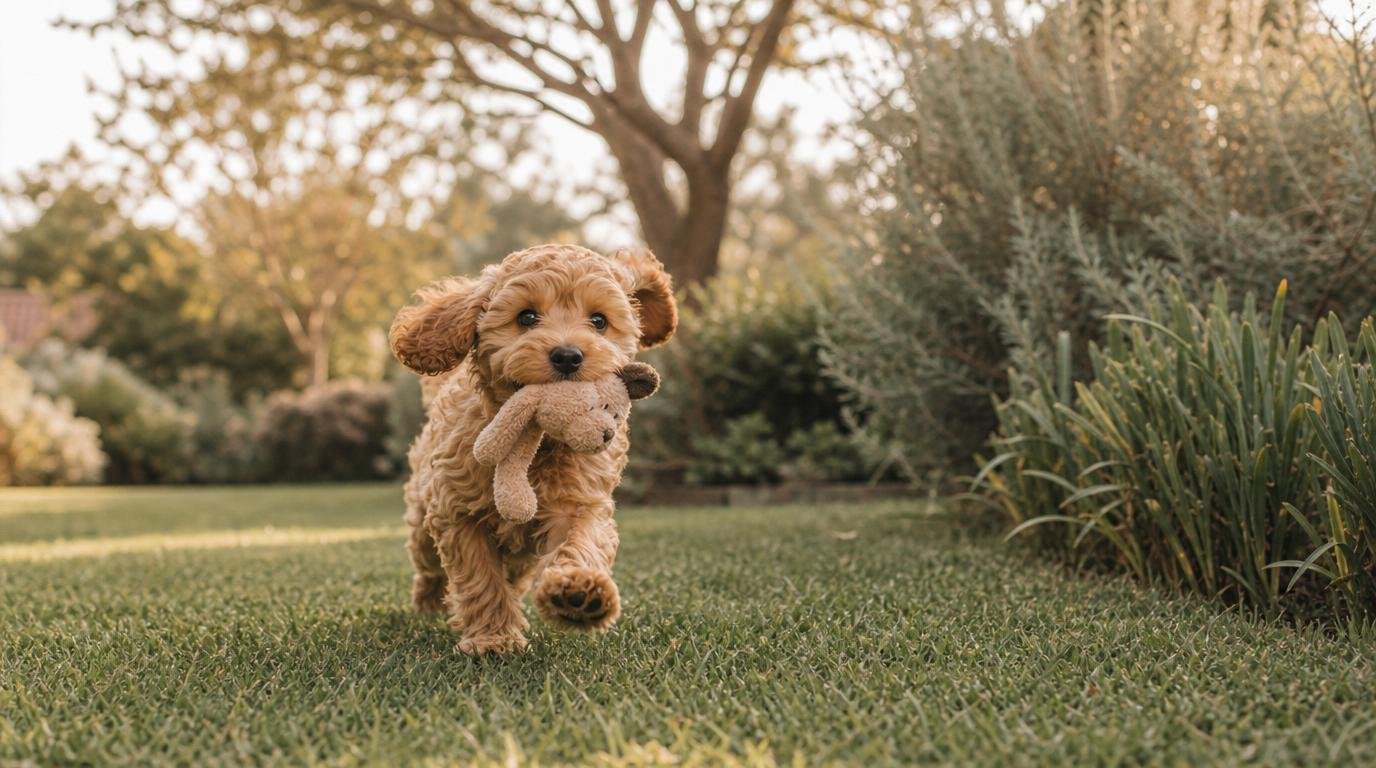
DOGBest Dog Toys for Puppies in Australia – Ultimate Guide
Teething, chewing, learning — puppies need the right toys for each. We picked safe, durable favourites that grow with them.

 DOG
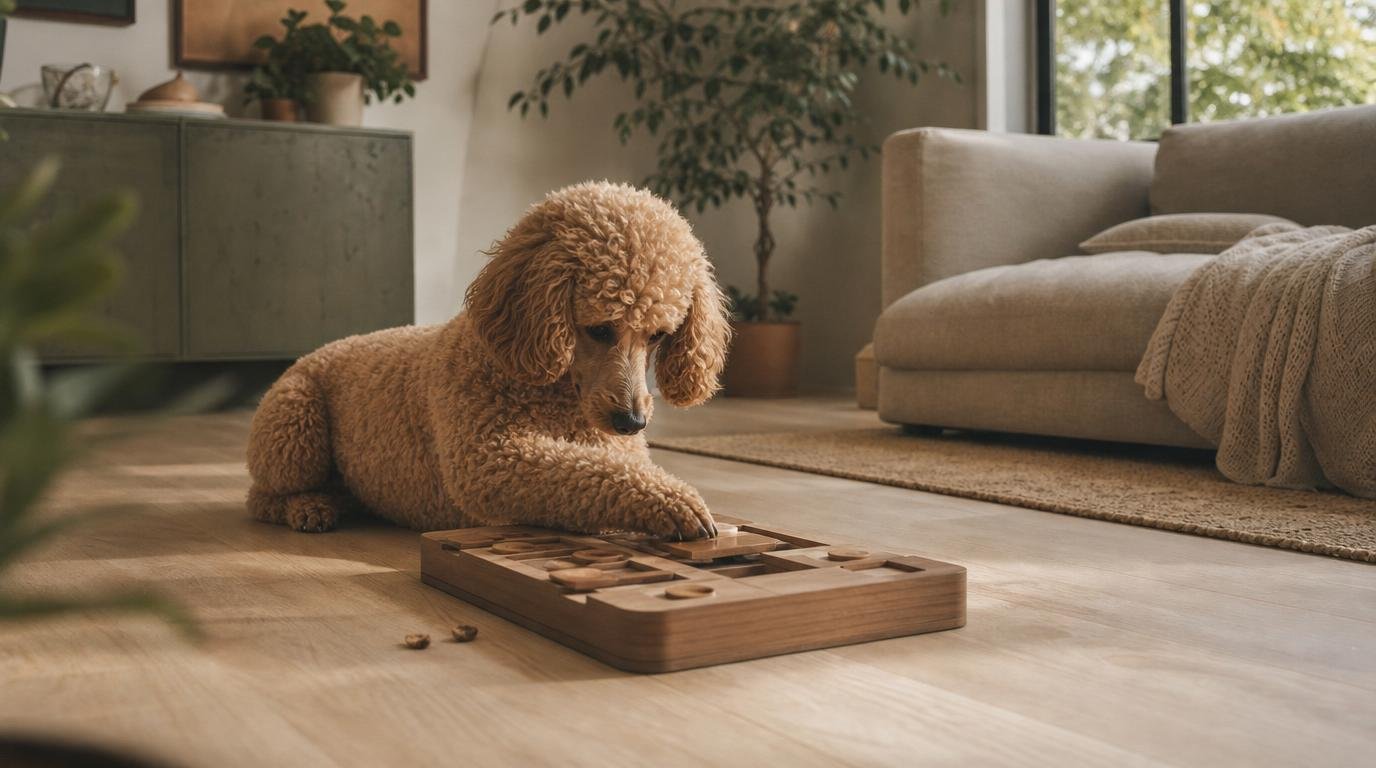
DOGBest Interactive Dog Toys in Australia: Your Ultimate Guide
Puzzles, dispensers and movers that make dogs think. We found the best interactive toys to beat boredom and burn mental energy.