Dogs | Enrichment | Toys
Best Toys for Small Dogs in Australia: Your Ultimate Guide
Keeping our little canine mates entertained can be a real challenge — especially in the Aussie heat, when long park sessions aren’t always on the cards. The best small-dog toys make indoor play on a rainy arvo or a romp at the park equally fun, and they’re sized for jaws and paws that aren’t built for a Kelpie’s tug rope. We’ve rounded up a mix of chew toys, puzzle toys and fetch balls that genuinely work for Australian conditions and small-breed personalities — durable enough to last, gentle enough for indoor use, and varied enough to keep a small dog properly engaged.
Best Overall
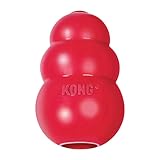
KONG Classic Dog Toy
- Ultra-durable natural rubber
- Can be stuffed with treats
- Heavy chewers need KONG Extreme
Best Puzzle Toy

Outward Hound Hide A Squirrel Plush Puzzle, Small
- Engaging hide-and-seek design
- Gentle, snuggly materials
- Not chew-proof; supervise play
Best Chew Toy

Benebone Wishbone Durable Dog Chew Toy
- Tough nylon for heavy chewers
- Real bacon flavour throughout
- Very hard, supervise older dogs
Best Fetch Toy

Chuckit! Ultra Ball, Small
- Erratic bounce and rebound
- Floats and easy to spot
- Not built as a chew toy

We tried a stack of small-dog toys across our own dogs and a long string of fosters to land on four that genuinely earn their place in a small-breed basket. Each fills a different need — a versatile rubber all-rounder, a brain-busy puzzle for rainy days, a hardy chew for the gnaw-happy ones, and a fetch ball for the dogs that won’t stop. Below: what to weigh up before buying, how the four compare side-by-side, and the full notes on each.
What to look for in a small-dog toy
The five things that decide whether a toy survives the week and keeps your dog interested. Scroll across to read all five.
Size to the dog
Toy size matters more for small breeds than for big ones. Too small and it’s a choking hazard; too big and your dog can’t carry or grip it. Aim for a toy that fills their mouth without disappearing into their throat — when in doubt, size up.
Match the chew level
Small jaws aren’t always small power. A Jack Russell can shred a soft plush in minutes, while a Maltese might happily cuddle the same toy for years. Pick durability that suits your dog’s actual chewing style, not their size.
Variety in the basket
One toy gets boring fast. A small dog’s basket works best with three or four different types — a chew, a fetch ball, a puzzle, and something soft to cuddle. Rotate them weekly and even old toys feel new again.
Cleaning and storage
Toys that can’t be cleaned end up in the bin sooner. Rubber and nylon take a soapy scrub or the top rack of the dishwasher. Plush goes in a laundry bag on delicate, then air-dry fully — Aussie humidity will grow mould in damp toys quickly.
Retire when worn
Cracked rubber, ripped plush, exposed stuffing or a chunk missing means bin time. Small dogs ingest broken pieces just as easily as big ones — bowel obstructions from swallowed toy fragments are a real (and expensive) vet trip.
At a glance
Our top four picks compared — what they’re best at, key features, prices and where to check.
| Rank | Product | Best for | Key feature | Approx. price | Check price link |
|---|---|---|---|---|---|
| Best Overall |  | Most small dogs; versatile basket staple | Durable rubber with hollow centre for treat-stuffing or freezing. | ~$15-20 AUD (Small) | Check price |
| Best Puzzle Toy |  | Indoor enrichment, rainy-day play | Plush tree-stump with three squeaky squirrels that hide in pockets. | ~$20-30 AUD | Check price |
| Best Chew Toy |  | Heavy chewers, teething puppies | Y-shaped nylon chew with real bacon flavour throughout. | ~$20-25 AUD (Small) | Check price |
| Best Fetch Toy |  | Fetch-obsessed dogs; beach and park | High-vis rubber ball that bounces erratically and floats. | ~$10-15 AUD (2-pack) | Check price |
Our picks in detail
What we love, what to watch out for, and who each pick really suits.
Best Overall: KONG Classic Dog Toy
Bottom line — the first toy we’d put in a small dog’s basket: durable, versatile, and doubles as a frozen-treat puzzle.
The KONG Classic is a fixture in dog parks and vet clinics across Australia — and for good reason. The small red rubber model is built for little dogs with surprisingly big jaws. The natural rubber compound stands up to most chewers, the unpredictable bounce keeps them mentally engaged for longer than a regular ball, and the hollow centre opens up a whole second use case as a treat dispenser.
Stuff it with kibble or a little peanut butter (xylitol-free), or freeze a wet-food filled one for a hot afternoon — Bruce’s smaller foster siblings would happily work on a frozen KONG for half an hour straight. A well-chosen toy not only survives rough play but also keeps your dog mentally engaged when you can’t sit down to play with them. Cleaning is simple: warm soapy water and a bottle brush, or top rack of the dishwasher. If a heavy chewer eventually starts wearing it down, the KONG Extreme (black) is the same shape in a tougher compound. For most small dogs, though, the Classic does the full job year after year.
| What we love | Areas for improvement |
|---|---|
|
|
Best Puzzle Toy: Outward Hound Hide A Squirrel Plush Puzzle, Small
Bottom line — the right buy for indoor enrichment on a rainy day: engages the hunting instinct without the mess of a real puzzle.
We might not have squirrels in Australia, but try telling that to your dog. The Hide A Squirrel puzzle brings out the natural hunt-and-find instinct in a safe, no-mess way. The set comes with a soft plush tree-stump and three small squeaky squirrels that tuck into pockets in the stump — your dog has to nose, paw and yank to extract them. Once they’ve worked it out, you can hide the squirrels around the house for a longer game.
The small size is ideal for terriers, Pomeranians, Shih Tzus, Cavoodles and similar breeds. The plush material is snuggly enough that some dogs end up cuddling the squirrels they’ve caught — Luna the cat eyes them suspiciously from a distance. Aside from the squeaks of victory, it’s a relatively quiet toy, which is a small mercy in a household. The honest downside: if you have a determined chewer, they’ll treat the squirrels like chew toys and de-fuzz them within a week. Supervise the first few sessions to see how your dog approaches it.
| What we love | Areas for improvement |
|---|---|
|
|
Best Chew Toy: Benebone Wishbone Durable Dog Chew Toy
Bottom line — the right chew toy for serious small-dog chewers: durable nylon, bacon-flavoured, and shaped so little jaws can hold it steady.
If your small dog is a serious chewer, the Benebone Wishbone earns its place in the basket. It’s a tough nylon chew shaped like a wishbone with three curved prongs — small dogs can grip one prong in their paws and gnaw the other end without the toy rolling away. The Y-shape is the actual innovation here: most hard chews are awkward for a small dog to hold steady, but the Benebone solves that with shape alone.
Real bacon flavour is infused right through the nylon, not just sprayed on top, so the toy stays interesting as your dog chews down through the layers. For a teething puppy or a gnaw-happy adult Jack Russell or Cavoodle, it’s a relief — it saves your skirting boards and dining chairs by giving them a sanctioned outlet. If you have a puppy, remember to size up as they grow — what fits a 12-week-old won’t be safe at six months. Two cautions: the nylon is very hard, so older dogs or dogs with dental issues might find it too much. And supervise occasionally; once a Benebone is worn down enough that small pieces could come off, retire it.
| What we love | Areas for improvement |
|---|---|
|
|
Best Fetch Toy: Chuckit! Ultra Ball, Small
Bottom line — the fetch ball worth packing for the beach: bright, bouncy, and tough enough for repeated park sessions.
For small dogs that go bananas for fetch, the Chuckit! Ultra Ball is the obvious pick. The orange-and-blue colourway is high visibility against grass, sand and water — important when your dog launches it into the bushes. The rubber compound is much sturdier than a standard tennis ball, with a satisfying bounce that ricochets unpredictably off pavement or hard dirt, which keeps the chase interesting after the first few throws.
Because it floats, it’s brilliant for water-loving pups — we’ve taken it to the beach and Bruce’s siblings’ favourite creek, and it bobs on the surface for easy retrieval. The small size fits perfectly in a mini Chuckit launcher (sold separately), which spares your shoulder on long fetch sessions. The honest caveats: it’s not a chew toy, and a determined chewer can punch through the rubber after a few sittings. Stick to using it as a fetch ball, store it out of reach between sessions, and it’ll last most small dogs the whole summer.
| What we love | Areas for improvement |
|---|---|
|
|
FAQ
How do I choose the right size toy for my small dog?
Are toys for large dogs safe for small dogs?
What is the best way to clean my dog’s toys?
Should I supervise my small dog when playing with toys?
When should I replace my dog’s toys?
Final thoughts
At the end of the day, the best toy for your small dog is the one that keeps them happy, engaged and safe. Every pup is different — some love a snuggly squeaker, others go wild for a bouncy ball. Don’t be afraid to try a few different types and see what gets the most tail wags. The basket really does benefit from variety: a chew, a fetch ball, a puzzle, and something soft means there’s always something fresh on rotation.
A little care goes a long way — check toys for wear and tear, give them a clean every couple of weeks, and supervise during playtime, especially with anything new. There are no mandatory pet-toy safety standards here in Australia, so stick with quality gear (see the RSPCA toy safety guide) to keep your furry friend happy and healthy. Bruce is convinced these “small dog” toys would also be perfect for him, just slightly larger, but the Cavoodle next door begs to differ. Play safe, keep things varied, and give your little one an extra cuddle for us.
We Think You’ll Also Like These Guides
 DOG
DOGBest Dog Toys for Puppies in Australia – Ultimate Guide
Teething, chewing, learning — puppies need the right toys for each. We picked safe, durable favourites that grow with them.

 DOG
DOGBest Interactive Dog Toys in Australia: Your Ultimate Guide
Puzzles, dispensers and movers that make dogs think. We found the best interactive toys to beat boredom and burn mental energy.
 DOG
DOGBest Squeaky and Plush Dog Toys: Ultimate Guide
Soft, squeaky and endlessly loved — if they survive. We found the plush toys that last longer than five minutes.
