Dogs | Accessories | Dog Training
Do Dog GPS Trackers Actually Work? Pros, Cons & Limitations for 2026 (Ultimate Aussie Guide)
There’s a real anxiety in being an Aussie dog owner who loves the outdoors — bush walks, arvo beach runs, and the nagging worry that today might be the day your dog decides to do a runner. Modern dog GPS trackers promise to take the edge off that worry, but they’re not a free lunch: every one costs money, demands battery management, and depends on coverage that doesn’t always exist in remote parts of the country. Whether they actually deliver on the promise is the question worth answering before you spend.
The Upshot
GPS trackers do work — if you charge them and don’t expect coverage in the bush.
Mainstream pet trackers ping your phone in real time, often within a few metres, anywhere there’s mobile signal. The catches are real: charging every few days, a monthly subscription on most models, and reception that drops in remote country. Treat one as a safety net — not a substitute for microchipping and good fencing.
Best for Mobile Coverage

PitPat GPS Tracker for Dogs
- True GPS with unlimited range
- No monthly fees, lifetime SIM
- Higher upfront cost
See the full Product Guide: Dog GPS Trackers with No Subscription
Best for Remote Areas

Aorkuler Outdoor GPS Dog Tracker
- Works with zero phone signal
- Real-time GPS up to ~5.6 km
- Must carry handheld receiver
See the full Product Guide: Dog GPS Trackers with No Subscription

For Aussie pet owners, this topic hits close to home. With so many of us sharing life with a canine mate, losing track of one is a heart-stopper. Microchipping is mandatory in most states, and it makes you far more likely to be reunited if your dog gets lost. But a microchip only helps after someone finds your pup — a GPS tracker aims to help you find them yourself in real time.
Pepper, our staffy-mix rescue and resident Houdini of backyards, is the reason we ended up running this experiment in the first place. In this article we’ll break down how dog GPS trackers work, the pros and cons (including a few quirks specific to Aussie conditions), and whether they’re worth it for keeping your own four-legged escape artist safe.
Quick Takeaways
The five things worth remembering. Scroll across to read all five.
How they work
A GPS chip on the collar pulls your dog’s coordinates from satellites, then a SIM card sends them to an app on your phone. Tracking is live, often accurate within a few metres.
Not foolproof
Two things will kill the live signal: a flat battery, or a black spot with no mobile coverage. Both are real-world Australian problems, especially out bush or on long camping trips.
What they’re good at
Live updates and geofence alerts mean you find an escape-artist dog in minutes, not hours. Worth the most in big backyards, off-leash parks, and bushland where ground search is slow.
The ongoing cost
Most mainstream trackers come with a monthly SIM subscription on top of the upfront device cost. Budget for it as a recurring line item, the same way you’d budget for pet insurance.
Not a replacement
A tracker is a safety net, not a substitute for permanent ID. Microchipping is required by law in most states, and a collar tag is still the fastest path to reunion.
How do dog GPS trackers work?
GPS dog trackers are small devices that clip onto your dog’s collar. Inside is a GPS receiver, which listens to satellites to figure out your dog’s coordinates. On its own, that GPS chip can’t tell you anything — it just calculates location. To send that info to you, most trackers also include a SIM card and mobile modem that uses the 4G network. In plain English: the satellites tell the tracker where your dog is, then the tracker uses the mobile network to upload that location to an app on your phone. You open the app, and there’s your pup’s dot on the map.
The good news is that these mainstream trackers really can work when your dog decides the grass is greener two streets over. They’re usually accurate within a few metres, and as long as there’s mobile reception, you’ll get real-time updates. Many also let you set “safe zones” (geofences) — if your dog wanders outside, you’ll get an alert. The range isn’t limited by Bluetooth; it’s only limited by whether the device has mobile coverage and enough battery.
There are also specialised satellite trackers (more common for hunting dogs or wildlife collars). Instead of relying on the mobile network, these use satellite communication systems or long-range radio to send data. They work even off-grid, but they’re pricey and not what most Aussie pet owners will buy at the local pet store.
What about Bluetooth trackers?
Bluetooth tags like Apple AirTags, Samsung SmartTag2, or Tile work differently. They don’t use GPS at all — they just ping nearby smartphones via Bluetooth. In dense urban areas with lots of phones around, they can sometimes help locate a pet, but the effective range is short (tens of metres) and updates aren’t truly live. Out in the suburbs or bush, they’re often useless. In short: Bluetooth tags are cheap backups, but they’re not a substitute for a proper GPS tracker. For a full comparison, see our GPS vs Bluetooth dog collars guide.
Benefits of using a GPS tracker for your dog
When used right, a GPS tracker can be a game-changer for worried dog owners. The biggest pro is peace of mind. If you’ve got an escape artist, a tracker means you can locate them quickly rather than scouring the streets for hours. Some Australian councils are even on board with the tech, noting that GPS collar devices allow real-time tracking so you can recover your dog swiftly if they wander. In practical terms, if your dog bolts during a thunderstorm or chases a kangaroo into the bush, you can grab your phone and see exactly where they’ve gone. That can save precious time and possibly your dog’s life, especially in areas with hazards like busy roads or snake-infested scrub.
Another perk is the instant alert feature many trackers offer. For example, you can set a virtual fence around your property; if your dog ever breaches it, your phone will ding. It’s like having a nosy neighbour keeping tabs, but nicer. This early warning can stop a roaming dog from getting too far afield. Also, many trackers double as activity monitors — a bonus if you’re curious about how far your pup runs each day. In a country as vast as Australia, it’s reassuring to know you have a bit of extra technology on your side to keep your mate safe. And frankly, it can make adventures more relaxing — letting Pepper run free on the beach feels better when I know I have a way to find her if she disappears behind the dunes.
Limitations and downsides of GPS trackers
Alright, now for the reality check — GPS trackers are good, but they’re not magic. First off, that little device needs power. Most have rechargeable batteries that last anywhere from a couple of days to a week, tops, on a full charge. Even if you’re diligent, if your dog goes missing for a long time or you’re on a multi-day camping trip, there’s the nagging worry the battery could die right when you need it. I carry a power bank on remote trips to top up the tracker, which is a bit of extra hassle but worth it for the insurance.
Key Insight
If you forget to charge it, a GPS tracker is as useful as a chocolate teapot. Plan the charging routine before you commit to the device.
The next big limitation is coverage. GPS itself works pretty much anywhere under open sky — you can be trekking across the Nullarbor and still talk to satellites — but without mobile reception, the tracker can’t send the location back to you. Out in the Aussie outback or even certain country pockets with dodgy reception, that fancy tracker might drop off the grid. Some high-end devices use satellite messengers or special radio frequencies to work beyond mobile range, but those are a different (and pricier) breed. For most of us using mainstream trackers, no mobile signal means no live tracking. I’ve learned to not fully rely on the gadget when we’re way out bush; it’s an aid, not a guarantee.
Cost is another downside. The tracker unit itself isn’t usually cheap, and on top of that, nearly all GPS trackers slug you with a monthly subscription for the SIM card data. It might be a modest fee, but it’s an ongoing cost — yet another direct debit alongside Netflix and Spotify. I’m happy to invest in Pepper’s safety, but it’s something to budget for. And speaking of investment, be prepared for a bit of fiddling and learning when you first get one of these devices. The apps can be a tad clunky, and getting the settings right (like how often it updates location versus saving battery) takes some tweaking. Don’t expect plug-and-play perfection on day one.
Finally, let’s address the elephant in the room: a GPS tracker is not a substitute for responsible pet ownership. It doesn’t replace good fencing, training, or identification. If your dog escapes because a gate was left open, the tracker helps you chase them down, but it would’ve been better to prevent the escape in the first place. And crucially, trackers don’t replace microchips or ID tags. A microchip is permanent ID required by law, whereas a tracker can fall off or die. In fact, a microchip won’t help you live-track your pet at all — a microchip is not a GPS device that can pinpoint your dog’s location (a common misconception). Only someone with a scanner can read it once your pet is found. So you still need to keep that microchip info up to date and have a collar tag on your dog. The GPS tracker is just an extra layer on top.
Think of a GPS tracker as a safety net, not a licence to slack off.
| Factor | What to consider |
|---|---|
| Battery life | Most pet GPS trackers need charging every few days. Plan for regular top-ups, especially before trips. A dead tracker won’t do you any good. |
| Mobile coverage | Trackers usually rely on mobile signals. In remote areas with poor reception (common in rural Australia), tracking may be unreliable or unavailable. |
| Cost & fees | Beyond the upfront device cost, expect a monthly subscription for data. Consider this ongoing expense before committing to a tracker. |
| Size & fit | Ensure the device is comfortable for your dog. Most are lightweight, but a big unit on a small dog could bother them or snag on things. |
| Durability | Choose a tracker that’s waterproof and robust. It should handle rain, mud, and the occasional swim. Check the IP rating — Pepper’s tracker gets a rinse after beach adventures. |
| Microchip & ID | Remember, a tracker is a backup, not your dog’s primary ID. Keep their microchip info updated and use a collar tag. These basics are vital in Australia (and required by law in most states). |
FAQ
Is a microchip the same as a GPS tracker?
No. A microchip and a GPS tracker serve completely different purposes. A microchip is a tiny ID implant — it stores your pet’s ID number, which is linked to your contact details in a database. It has no GPS capability or power source, so it is not a GPS device and cannot actively track your dog’s location. A GPS tracker, on the other hand, is an external device with a battery that actively transmits your dog’s location in real time. In short: the microchip helps someone identify your dog once he’s found, whereas a GPS tracker helps you find your dog in the first place. For best safety, you should use both — the microchip as legal ID and the GPS tracker as an optional extra tool.
Do GPS dog trackers require a subscription?
Almost always, yes. The majority of GPS dog trackers on the market require a monthly or annual subscription. This fee covers the SIM card’s data usage on the mobile network (so the tracker can send location info to your phone). Think of it like a tiny mobile phone on your dog — it needs a data plan to work. There are a few models that let you use your own SIM or claim to have no fees, but you’ll usually end up paying in some form (either a shorter service range, or the cost of a prepaid SIM you manage yourself). Be wary of any tracker advertised as “no subscription” — often those are Bluetooth-only or radio-based and don’t provide true GPS-to-phone real-time tracking over long distances. Bottom line: factor the ongoing subscription cost into your decision before buying a tracker.
Will a GPS tracker work in remote areas or off-grid?
Not reliably, unless you have a specialty satellite-based tracker. Standard pet GPS trackers depend on mobile network coverage. In remote areas of Australia — outback stations, national parks, or even certain highway stretches — mobile reception can be spotty or non-existent. In those situations, a normal tracker won’t be able to transmit your dog’s location in real time. The GPS chip might still log the location, but without connectivity, you won’t see updates until the dog (and device) wanders back into coverage. There are niche products with satellite communication or long-range radio (used more for wildlife or hunting dogs) that can work off-grid, but they are expensive and more complex. For most of us, if you’re going truly off-grid with your dog, a GPS tracker should not be your sole safety plan. Always combine it with other precautions (like a strong recall training, keeping your dog leashed or within sight, and maybe a radio beeper device if you’re really remote). It’s also wise to download offline maps and know the area, so you have a fighting chance of tracking Pepper down the old-fashioned way if technology fails.
How long does the battery last on a dog tracker?
Battery life varies by device and usage. Generally, you’re looking at anywhere from 2-3 days up to about a week on a full charge for most popular GPS trackers. If the tracker is actively used (your dog is very active or escapes and you’re live-tracking them for hours), expect the battery to drain closer to the lower end of that range. Some brands advertise longer battery life (even a few weeks), but that’s usually under ideal conditions or when the tracker isn’t moving much (for example, when your dog is home within a Wi-Fi safe zone or the device goes into a sleep mode). In real-world Aussie conditions — say, a weekend camping with lots of roaming — I usually plan to recharge Pepper’s tracker every couple of days to be safe. Always check the battery level before your dog heads out on an adventure. And if you’re travelling, pack that charging cable or a portable charger. A tracker that goes flat won’t help anyone, so regular charging has to become part of the routine.
Can I use a Bluetooth tag (like an AirTag) instead of a GPS tracker?
Bluetooth tags (such as Apple AirTag or Tile) are sometimes used by pet owners, but they work very differently from GPS trackers and have significant limitations. A Bluetooth tag doesn’t have a GPS chip or a SIM card. Instead, it relies on Bluetooth range and nearby smartphones to detect the tag and report its location. In a dense urban area, this can help you locate a lost pet within a few streets, because there are plenty of phones around to pick up the tag’s signal. However, in the suburbs or out in the country, if your dog wanders off, there might be no nearby devices to detect the Bluetooth tag. The effective range could be only up to 50–100 metres in open air (often much less if there are houses, trees, or terrain). By contrast, a GPS tracker can send you location updates from kilometres away (basically anywhere with mobile coverage). Another issue is update speed — Bluetooth tags don’t give continuous live location; you only get a ping when someone’s phone happens to come within range. They also don’t usually alert you the moment your dog leaves the yard (no real-time geofence alerts like a GPS tracker). In short, an AirTag on your dog is better than nothing for a backup, but it’s not nearly as effective as a true GPS pet tracker for actively recovering a lost dog. If you do use one, treat it as a supplement to, not a replacement for, a proper GPS tracker and a microchip.
Final thoughts
Dog GPS trackers are a solid tool with the right expectations. In everyday Aussie life — whether you’re in a suburban neighbourhood or exploring the great outdoors — they can add an extra layer of security for keeping your canine companion safe. Pepper still wears her tracker on hikes and trips to the beach, and it’s saved me from a fair few heart attacks when she’s decided to play hide and seek. But I’ve also learned not to get lazy: I still reinforce her training, secure the yard (as much as my little escape artist allows), and ensure her microchip details are current.
A tracker is not a get-out-of-jail-free card, but it is like having a bit of Aussie ingenuity on your side — some tech backup to go along with good old common sense. In the end, nothing beats the feeling of seeing that dot on your phone moving back toward home. Use these devices wisely, keep realistic expectations, and they’re absolutely worth it for the peace of mind they provide.
We Think You’ll Also Like These Guides
 DOG
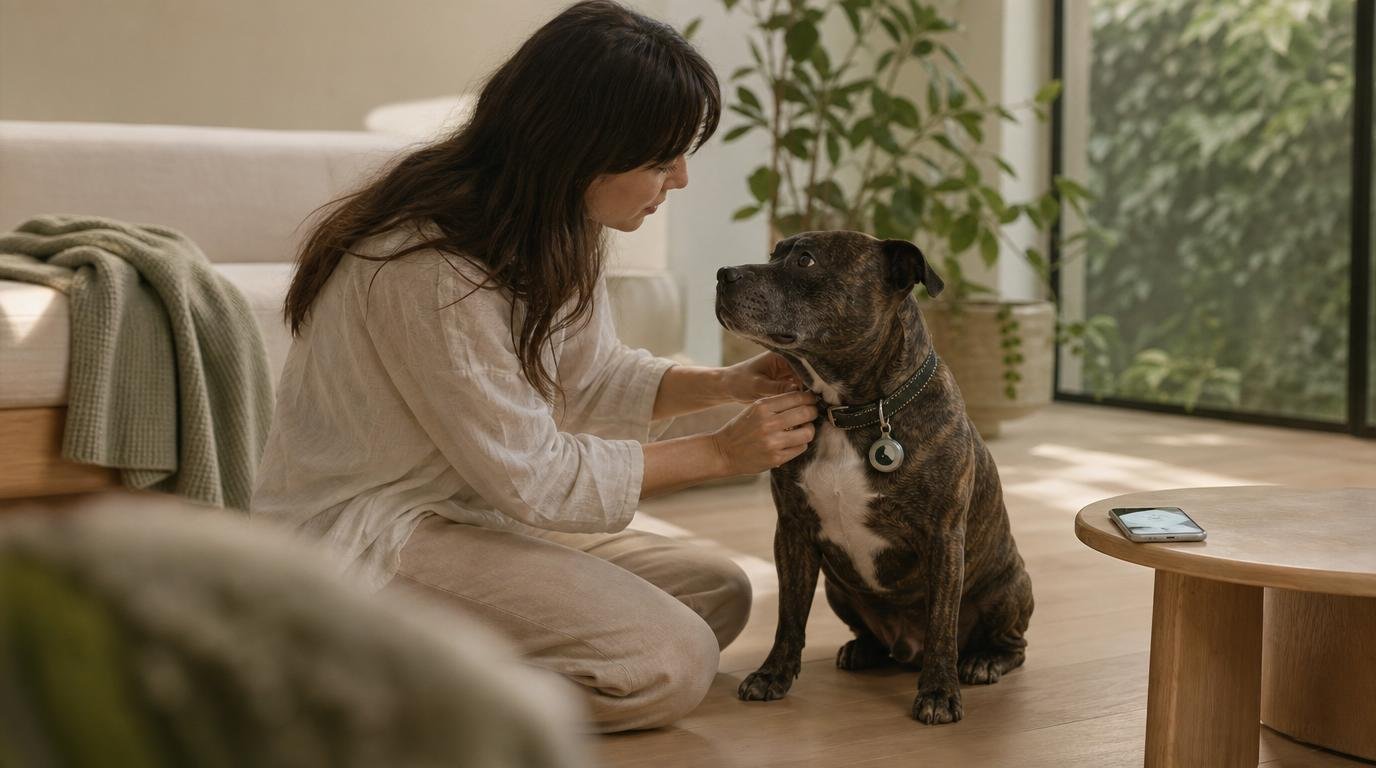
DOGCan I Use Apple AirTags as a GPS Collar for My Dog? Ultimate Guide for Australians
AirTags are cheap and clever, but they're not a real GPS collar. Here's where they help, where they fall short, and what to use instead.

 DOG
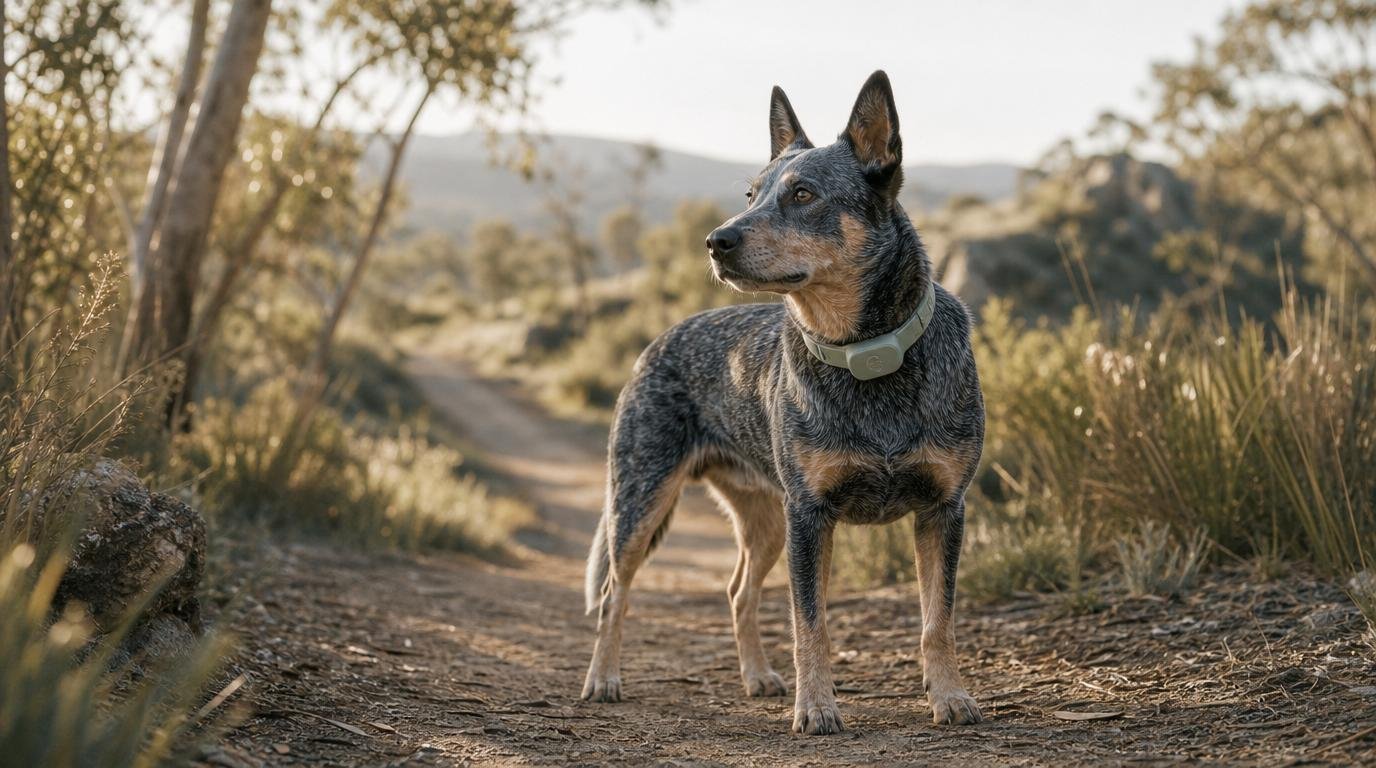
DOGUltimate Guide to the Best Dog GPS Collars in Australia with a Subscription
Live tracking that follows your dog anywhere — for a monthly fee. We found the most accurate, reliable subscription GPS collars.
 DOG
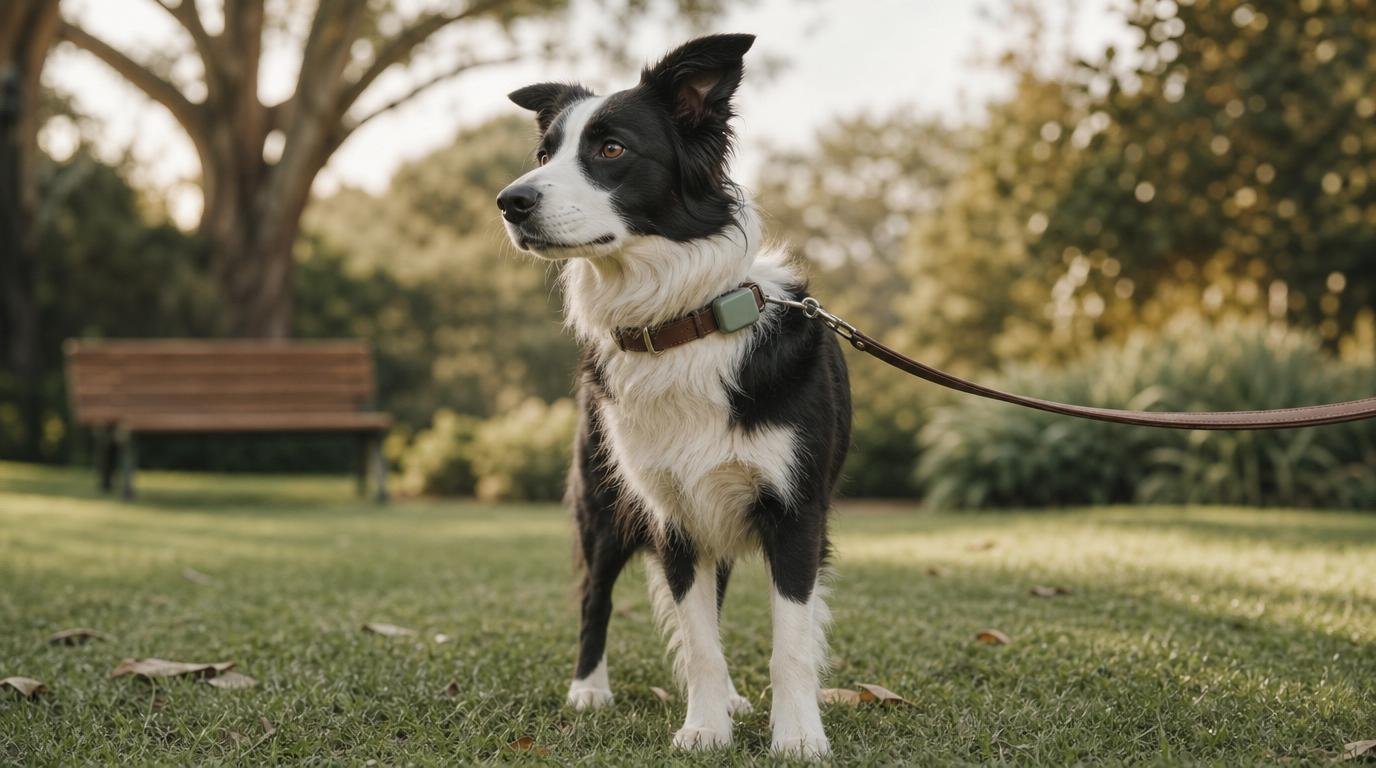
DOGYour Guide to the Best Dog GPS Trackers with No Subscription in Australia
Tracking without the monthly fee is possible — with trade-offs. We found the best no-subscription options and their limits.
