Dogs | Health
Best Probiotics for Dogs in Australia – Ultimate Guide and How-to
Whether it’s the summer heat or sneaky snacks from the barbie, Aussie dogs can end up with upset tummies. Probiotics help balance your dog’s gut bacteria — supporting healthy digestion, firmer stools, reduced gas, stronger immunity, and even better skin condition. They’re not a magic fix, but for dogs with chronic mild digestive issues or post-antibiotic recovery, the right probiotic can make a real difference within weeks. After reviewing a wide range of powders, chews, and local formulations, we’ve highlighted the four picks worth your money for Australian dogs.
Best Overall

PAW by Blackmores DigestiCare Probiotic Powder
- Vet-formulated, multi-strain blend
- Australian-made, trusted vet brand
- Premium price for the tub size
Best for Puppies
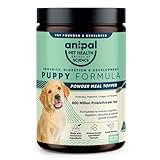
Anipal Puppy Formula
- Vet-developed Australian formula
- Probiotics plus omega-3 included
- Powder only, no chew format
Best Chewable

Zesty Paws Probiotics for Dogs
- Soft chews dogs love at treat time
- Clinically tested probiotic strain
- Larger dogs need 2-3 chews daily
Best for Allergies

Petz Park Probiotics for Dogs
- Reduces paw chewing, yeasty ears
- Grain-free, made in Australia
- Needs weeks of use to work

Probiotics introduce beneficial bacteria into your dog’s gut; a healthy gut flora improves digestion, firms stools, calms gas, and supports the immune system. The four below cover the main use cases — everyday all-rounder, puppy life stage, chewable for fussy eaters, and allergy-related skin and gut issues — each tested against the things that matter: palatability, dosing convenience, and Australian availability.
What to look for in a dog probiotic
The five things that decide whether a probiotic actually delivers. Scroll across to read all five.
Match issue to product
Loose stools call for a basic multi-strain. Yeast-allergy itching needs a gut-skin axis formula. Puppies do best on a life-stage product. Match the supplement to what’s actually going wrong, not the brand with the loudest marketing.
Strains and prebiotics
Look for specific named strains known to benefit dogs (Bacillus, Enterococcus, Lactobacillus). Multiple strains plus a prebiotic fibre to feed them is the gold standard. A generic “probiotic blend” without strain names is a red flag.
Format and feeding
Powders are typically the most potent and easiest to dose precisely, but require mixing into food. Chews are easier for fussy dogs but add calories. Pick the format you’ll actually use consistently.
Storage and freshness
Some high-strength powders need refrigeration, which matters if you camp off-grid or have limited fridge space. Check the label before you commit — and look at the expiry date when you receive an imported tub.
Brand reliability
Australia’s pet supplement market isn’t tightly regulated, so brand matters more than usual. Stick to vet-recommended names or products with strong local reviews. For persistent issues or any medications, chat to your vet first.
At a glance
Our top four picks compared — specs, prices, and our one-line take on each.
| Rank | Product | Best for | Key feature | Approx. price | Check price link |
|---|---|---|---|---|---|
| Best Overall |  | Vet-grade everyday support for most dogs | Multi-strain probiotic plus prebiotic and enzymes, made in Australia. | ~$45–50 AUD (150g) | Check price |
| Best for Puppies |  | Puppies from weaning to adulthood | Probiotics, prebiotics and omega-3 in one daily scoop. | ~$24 AUD (135g) | Check price |
| Best Chewable |  | Fussy dogs who refuse powders | Pumpkin-flavoured soft chews with a clinically tested strain. | ~$76–96 AUD (90 chews) | Check price |
| Best for Allergies |  | Dogs with yeast issues, itchy skin, or ear gunk | Targets the gut-skin axis with a grain-free formula. | ~$35–55 AUD (76g) | Check price |
Our picks in detail
What we love, what to watch out for, and who each pick really suits.
Best Overall: PAW by Blackmores DigestiCare Probiotic Powder
Bottom line — the dependable, vet-approved everyday probiotic for most Australian dogs, with a multi-strain formula that earns its mid-range price.
PAW DigestiCare is a probiotic that earns its hype. This Blackmores-developed powder — same brand Aussies know for human vitamins — was tailored specifically for pets. It packs multiple probiotic strains plus fermented wholefoods, with the confidence of vet backing on the formulation. The powder itself is mild-smelling, bran-like in texture, and most dogs barely notice it mixed into dinner.
It’s on the pricier side for the tub size, but the formula’s quality earns the spend, and the small tub means you’re never sitting on a year-old supplement. The fermented wholefood base and multi-strain mix are the real differentiators — most generic probiotics use one or two strains and skip the prebiotic entirely. For dogs with day-in, day-out sensitive tummies, this is the dependable baseline. Just budget accordingly if you’ve got a big dog: you’ll go through the tub faster. The powder mixes cleanly into wet or dry food, though a wet-food topper helps if your dog is fussy about anything new in the bowl.
| What we love | Areas for improvement |
|---|---|
|
|
Best for Puppies: Anipal Puppy Formula
Bottom line — Australian vet-developed formula combining probiotics and omega-3 in one scoop, at one of the lowest price points in the category.
Anipal Puppy Formula is an Australian, vet-developed powder meal topper built specifically for growing pups. It combines probiotics, prebiotics, omega-3 fatty acids and flaxseed in one daily scoop — covering digestion, immunity and development at once, rather than patching those needs with separate supplements. At 800 million probiotics per teaspoon and species-appropriate ingredients, it supports the developing microbiome without overloading it.
The powder is light and mixes easily into wet or dry food — the kind of practical detail that matters when you’re feeding a puppy on a schedule. At around $24 AUD per tub it’s one of the most affordable puppy-specific options in this guide, and a single 135g tub covers a good stretch of daily serves for one pup. The all-in-one design — probiotics, prebiotics, omega-3 and flaxseed in a single scoop — is rare at this price; most comparable products force you to buy three separate supplements. The vet credentials and ingredient quality make it a standout choice for pups from weaning through to adulthood.
| What we love | Areas for improvement |
|---|---|
|
|
Best Chewable: Zesty Paws Probiotics for Dogs
Bottom line — the right call for fussy dogs who refuse powders, with a clinically tested probiotic strain hidden inside a treat-shaped chew.
If your dog gives you the stink-eye when you pull out a powder or pill, Zesty Paws Probiotic chews are a godsend. These are treat bites that sneak in a solid dose of probiotics and enzymes. What sets Zesty Paws apart is the specific probiotic strain that’s been tested in dogs, not just a random human-research strain repackaged for pets. The chews are pumpkin-flavoured and soft enough to break for half doses.
On the practical side, no refrigeration, no powder mixing — grab and go. The downsides: they’re not cheap, and a German Shepherd will burn through a few chews a day, so a tub of 90 can vanish in a month. The added calories from a treat-shaped supplement also accumulate — worth counting these little chews into your dog’s daily food budget; see our guide to how much to feed your dog for context. For convenience and palatability, though, Zesty Paws is hard to beat among daily probiotic treats.
| What we love | Areas for improvement |
|---|---|
|
|
Best for Allergies: Petz Park Probiotics for Dogs
Bottom line — built specifically for dogs whose tummy troubles trace back to allergies, targeting the gut-skin axis where most generic probiotics don’t.
Petz Park is a home-grown Aussie brand, and their probiotic powder is the top pick if your dog’s tummy troubles trace back to allergies. The supplement targets the gut-skin axis specifically — formulated to sort the internal imbalances that cause itchy skin, gunked-up ears, and other yeast-related grief. The powder is fine, blends well into food, and is grain-free with no strong odour.
Because it’s an Australian product, ingredients and quality feel fresh — no waiting weeks for shipping, and customer support is local if you need it. The price is reasonable, especially if you commit to the larger tub. For more allergy management, your dog may also benefit from hypoallergenic food and sensitive-skin shampoos. The catch with allergies is that probiotics aren’t a quick fix — improvements typically take four to six weeks of consistent daily use before any difference shows. For an Aussie dog with itchy bits, though, this one is well worth a month-long trial.
| What we love | Areas for improvement |
|---|---|
|
|
FAQ
Why give my dog a probiotic?
Can I give my dog yogurt or human probiotics instead?
Are probiotics safe for puppies and senior dogs?
How long does it take for dog probiotics to work?
Can a probiotic replace a vet visit for digestive issues?
Final thoughts
At the end of the day, the “best” probiotic for your dog is one you can give consistently and that addresses your dog’s unique needs. Make sure it fits with your routine — no point buying a powder if you know you’ll forget to mix it in.
Always introduce any new supplement gradually and keep an eye on how your furry mate responds. The right probiotic can help your dog weather dietary indiscretions (we all know a greedy guts or two), reduce vet visits for tummy upsets, and even improve their overall pep. Just remember, probiotics are a piece of the puzzle: good diet, exercise, and regular vet check-ups are key to a happy, healthy Aussie doggo.
We Think You’ll Also Like These Guides
 DOG
DOGBest Flea and Tick Treatment for Dogs in Australia: Ultimate Guide
Paralysis ticks make this no place to cut corners. We compared the most effective flea and tick treatments for Aussie conditions.

 DOG
DOGBest Joint Supplements for Dogs in Australia: Ultimate Guide
Stiff mornings and slowing down aren't just old age. We found the joint supplements with the evidence to keep dogs moving.
 DOG
DOGBest Multivitamins for Dogs in Australia: Ultimate Picks
The right multivitamin fills the gaps a bowl can miss. We picked the best for coat, joints, gut and all-round health.