Dogs | Health
Best Omega 3 Supplements for Dogs in Australia: Ultimate Picks for Healthier Skin, Hearts and Joints
If your dog’s scratching nonstop, shedding like it’s spring all year, or just seems a bit… creakier than they should be, omega-3s are usually part of the conversation for good reason. These fatty acids support skin, coat, brain, eye and joint health — which matters when Aussie dogs are dealing with heat, dry air, beach swims, grass allergies, and plenty of high-impact zoomies. Bruce, my Golden, gets more itching, a duller coat, and the odd stiff morning every summer that makes you wonder what’s really going on under the fur. Omega-3s can work brilliantly on their own, and may also be paired with joint supplements for inflammation support. Choosing the wrong type, dose, or format can quietly backfire — the tricky part isn’t whether omega-3s help, it’s figuring out which ones actually make a difference for your dog.
Best Overall

Nordic Naturals Omega-3 Pet, Unflavored
- Pure fish oil for skin and coat
- Tidy soft-gel dosing
- Capsules tricky for fussy dogs
Best Aussie-Made
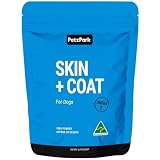
Petz Park Omega 3 Skin and Coat Supplement
- Powder mixes easily into food
- Good for dogs who refuse oils
- Powder toppers can be messy
Best Salmon Blend

Zesty Paws Omega Boost Salmon Oil
- Salmon-oil base for fishy fans
- Great for dull coats, shedding
- Strong smell indoors
Best Budget Oil

Natural Animal Solutions Omega Oil
- Easy to add to any meal
- Solid for coat shine, daily use
- Bottle pump can leak

For this guide, we lined up omega-style supplements that Australian pet owners can actually buy and live with, and compared them on ingredient quality, omega sources, dosing accuracy, and how each format holds up under summer heat, open bottles on the bench, and dogs that don’t politely swallow capsules. We also weighed how well each option supports common goals like itchy skin, seasonal shedding, brain health, and everyday wellness, while keeping a very real eye on ongoing costs for larger dogs. The general feeding principles here align with established pet nutrition advice (see the WSAVA nutrition guidance).
What to look for in an omega-3 supplement
Five things that change whether a daily omega routine actually sticks — and works.
Format fit
Capsules suit dogs who’ll swallow them, powders suit owners who want clean bench tops, and liquid oils suit dogs who need a bit more meal appeal. Match the format to how your dog actually eats.
Goal match
Itchy skin and seasonal shedding respond best to a steady daily routine. Brain and eye support is a long game. If your dog has a sensitive gut, go slowly and keep ingredients simple.
Weight-based dosing
Look for products with clear per-kilogram scoop, gel or pump guidance. Vague “one to two” instructions make consistency harder and lead to either under-dosing or unwanted calorie creep.
Ongoing cost
Big dogs eat through bottles and tubs faster than you’d think. Check the cost per day for your dog’s weight before buying — a “cheap” pick can outprice a premium one over a few months.
Storage in Aussie heat
Oils oxidise quickly in heat and light, and humid weather clumps powders. Keep everything cool, dark and sealed — freshness matters for both safety and palatability, especially in summer.
At a glance
Our top four picks compared — specs, prices, and our one-line take on each.
| Rank | Product | Best for | Key feature | Approx. price | Check price link |
|---|---|---|---|---|---|
| Best Overall |  | Dogs whose owners want a tidy fish-oil routine. | Consistent per-soft-gel omega dosing with a simple ingredient list. | ~$40–60 | Check price |
| Best Aussie-Made |  | Dogs who refuse oily food and need a scoop-and-mix routine. | Australian-made powder with weight-based scoop guidance. | ~$60–75 | Check price |
| Best Salmon Blend |  | Dogs with dull coats or heavy seasonal shedding who like fishy toppers. | Salmon-oil base with clear pet-weight feeding chart. | ~$65–85 | Check price |
| Best Budget Oil |  | Households wanting a friendly-priced everyday oil topper. | 500 mL omega 3, 6 and 9 blend with teaspoon-based dosing. | ~$25–35 | Check price |
Our picks in detail
What we love, what to watch out for, and who each pick really suits.
Best Overall: Nordic Naturals Omega-3 Pet, Unflavored
Bottom line — the easiest set-and-forget omega routine for most Aussie dogs: clean dosing, tidy storage, and a short ingredient list.
If you want a “set it and forget it” omega routine, this soft-gel option is one of the simplest ways to do it — especially if powders make your dog suspicious and oils turn dinner into a slip ‘n slide. The label makes the omega amount per soft gel easy to understand, which helps you keep dosing consistent (and consistency is the boring secret sauce for coat changes). From a quality angle, a short ingredient list is a plus for dogs that don’t need extra add-ons, and the capsule format keeps fish oil contained until it hits the food — less chance of that lingering fish smell floating around your kitchen.
Where it really fits Aussie life is practicality: you can stash it in a cupboard, pack it for trips, and avoid the “oil bottle leaked in the pantry” drama. For smaller dogs, the capsule format can be easy to hide in food; for picky dogs, you may need to puncture and squeeze onto a meal (yes, it’s as glamorous as it sounds — Luna the tabby would absolutely judge the process). Ongoing costs depend on your dog’s size and daily needs, so large breeds on a long-term plan will go through tubs faster than you’d expect.
| What we love | Areas for improvement |
|---|---|
|
|
Best Aussie-Made: Petz Park Omega 3 Skin and Coat Supplement
Bottom line — a tidy, scoop-and-mix powder for households who don’t want oily bowls, with sensible weight-based dosing.
This is the “easy scoop” option for people who want an omega topper without the slickness of oil. Powder toppers can be brilliant when your dog turns their nose up at fishy smells, because you can blend them into wet food or mix through kibble with a tiny splash of warm water to help it cling.
The practical standout here is the weight-based scoop guidance: it’s simple enough to follow without overthinking, and it helps you avoid that common mistake of going too hard too fast (which can upset sensitive tummies).
From an Aussie household perspective, powders are also easier to store than oils — but humidity matters. If you’re coastal (hello, sticky February), keep the lid on tight and avoid leaving the tub open on the bench while you get distracted yelling “leave it!” at the dog. In terms of real-world fit, this style of supplement suits dogs with mild skin dryness, seasonal shedding, or “I’m itchy but otherwise fine” vibes. Ongoing cost depends on how many scoops you use per day, so bigger dogs move through the tub much quicker than small dogs.
| What we love | Areas for improvement |
|---|---|
|
|
Best Salmon Blend: Zesty Paws Omega Boost Salmon Oil
Bottom line — the salmon-oil pick for fussy dogs and dull-coat seasons: palatable, easy to dose, with strong smell to manage.
Salmon oil blends are a classic for coat shine and “my dog’s shedding enough to knit a second dog” seasons, and this one is positioned exactly that way: skin and coat support in an easy-to-add oil format.
The biggest win is that salmon-based toppers tend to be very appealing to pets, which can make your daily routine easier when your dog is fussy about powders or capsules. The feeding guidance by weight is also helpful, because oils are one of those things people accidentally overdo (and then wonder why their dog’s tummy is unimpressed).
Like any oil, storage is the make-or-break in Australia. Keep it out of heat, away from direct sun, and sealed well. The smell is also real — if you live in a small apartment, you’ll notice it more, and Luna the tabby will almost certainly try to “help” with quality control by sniffing the bowl like she pays rent. Ongoing cost is the other big factor: larger dogs using daily weight-based amounts can get through 500mL faster than expected, so it’s best for owners who’ll actually stick to the plan and budget for regular repurchasing.
| What we love | Areas for improvement |
|---|---|
|
|
Best Budget Oil: Natural Animal Solutions Omega Oil
Bottom line — a friendly-priced everyday oil for households happy to manage storage carefully and scale dosing with dog size.
This is the straightforward liquid option: an oil topper you add to meals, with an omega blend positioning that’s meant to support skin, coat, and general wellbeing.
The biggest strength here is practicality for households that already do “add-ons” — you’re just measuring a small amount and mixing it through food. Oils can be especially handy for dogs that eat dry kibble and need a little extra palatability, and they can help support coat softness when the weather swings between aircon dryness and sticky humidity.
But oils have one non-negotiable rule in Australia: storage. Heat and sunlight are not your friend, and rancid oil is a hard no — it smells awful and you don’t want your dog eating it. Keep it in a cool cupboard, cap it tightly, and don’t leave it sitting on a windowsill. The directions also matter: start small if your dog has a sensitive stomach, then work up. In terms of ongoing cost, oil dosing scales up quickly for large dogs, so a “cheap bottle” can become less cheap when you’re using bigger daily volumes.
| What we love | Areas for improvement |
|---|---|
|
|
FAQ
How long does it take to see coat or skin changes from omega-style supplements?
Can I give omega oils year-round in Australia, or only during shedding seasons?
What’s the main difference between capsules, powders, and liquid oils for dogs?
Is there a risk of giving “too much” omega-style oil or topper?
Do omega supplements replace a good-quality diet for brain, eye, and coat health?
Final thoughts
If you want the simplest, least-mess daily routine, capsules are hard to beat. They’re easy to dose, easy to store, and easy to stick with — and consistency is what makes omega supplements worth bothering with in the first place. If you prefer a scoop-and-mix approach (and don’t love oily bowls sliding around the sink), powders are a tidy everyday option, while salmon-oil toppers can be a winner for fussy dogs that respond to a fishier smell. Liquid oils can be great for adding meal appeal, but they need to be treated like a safety step, not an afterthought, because Aussie heat is unforgiving and oxidised oil helps no one. And a gentle reality check before you buy: big dogs can turn “one bottle” into “why am I reordering this already?” surprisingly fast, so factor ongoing costs into the decision now, not after your third refill.
We Think You’ll Also Like These Guides
 DOG
DOGBest Flea and Tick Treatment for Dogs in Australia: Ultimate Guide
Paralysis ticks make this no place to cut corners. We compared the most effective flea and tick treatments for Aussie conditions.

 DOG
DOGBest Joint Supplements for Dogs in Australia: Ultimate Guide
Stiff mornings and slowing down aren't just old age. We found the joint supplements with the evidence to keep dogs moving.
 DOG
DOGBest Multivitamins for Dogs in Australia: Ultimate Picks
The right multivitamin fills the gaps a bowl can miss. We picked the best for coat, joints, gut and all-round health.