Dogs | Accessories | Health
How to Protect Dogs’ Paws in Summer in Australia and Avoid Blisters and Cracks
Aussie summers don’t muck around — the ground gets so hot you can fry an egg on it, and any dog that’s tried to cross a sunbaked footpath has done the panicked “nope-nope-nope” shuffle back to the grass. Keeping dogs’ paws safe in summer isn’t optional. If you want your mate to enjoy walks without burnt pads or painful cracks, you’ve got to plan for the heat properly. Below: the things that actually matter, how the gear stacks up, and what to do if you get it wrong.
The Upshot
Hot pavement burns paws within minutes — timing your walks beats any boot or balm.
On a 32°C day, asphalt can push past 60°C and blister pads almost instantly. The simplest fix is early-morning or late-evening walks on grass or shade. Boots and balms add a layer of protection but don’t replace common-sense timing. The five-second rule decides it.
Best Cooling Mat

Vagascape Dog Cooling Mat
- Self-cooling, no gels or power
- Machine washable for easy cleaning
- Spot clean only, not waterproof
See the full Product Guide: Best Cooling Mats for Dogs in Australia
Best Paw and Nose Balm

PawSono Lick-Safe Paw & Nose Balm
- Keeps pads supple and protected
- Lick-safe coconut oil formula
- Not a substitute for cool walks

When the mercury soars, dogs rely on us to keep them safe. With nearly half of Australian households sharing life with a dog, that’s a lot of paws potentially on searing pavement — and a lot of vet bills that didn’t need to happen. Pepper, our staffy mix, learned about hot bitumen the hard way one January arvo: bolted across a noon car park, froze, then trotted gingerly back to the grass on singed pads.
In this guide we’ll cover how to avoid burnt paw pads (and the vet bills that come with them) with simple strategies, smart gear, and a dose of honest, experience-backed advice. Let’s keep those canine paws happy and healthy all summer long.
Quick Takeaways
The five things worth remembering. Scroll across to read all five.
Surfaces that burn
Asphalt, sand, and metal ute trays heat up far faster than air temperature suggests. On a 32°C day, dark bitumen can push past 60°C — enough to blister pads in seconds.
Timing beats gear
Early morning or late evening walks on grass or shaded paths solve most of the problem. The 10am-4pm window is the danger zone — surfaces are still cooking even after the air cools.
The five-second rule
Hold the back of your hand on the pavement for five seconds. If you can’t keep it there comfortably, it’s too hot for your dog. Quick, free, and it works on every surface.
Boots and balms
Boots and paw balm add real protection for short exposure, but neither cools your dog overall. Use them as a backup for timing, not a permission slip to walk at noon.
Post-walk paw checks
After any summer walk, run your hand over the pads. Watch for redness, peeling, or blisters. Cool (not iced) water flushes mild burns; anything worse needs vet attention sooner rather than later.
Why summer heat is tough on paws
Everyone loves a sunny day, but your dog’s paws might disagree. In Australia’s summer, surfaces like asphalt, concrete and beach sand can heat up to outrageous temperatures. We’re talking hot enough to fry an egg — literally. Dogs’ paw pads are tough, but they’re not heatproof. Pepper once bolted across a bitumen car park at noon and promptly started limping; the poor girl’s pads were singed from the short dash. If a surface is too hot for you to touch or walk barefoot on, it can absolutely injure your dog’s feet.
Unlike humans, dogs don’t wear shoes (lucky them, until days like these). Their bodies are also closer to the ground, meaning they soak up more radiant heat. A 30°C air temperature can translate to footpaths well above 50°C under the Aussie sun. Those sensitive paws can suffer burns, blisters, and peeling skin from such extreme ground heat. Signs of trouble might include your dog hopping from foot to foot, whining, or refusing to move forward on a walk. It’s heart-breaking to see — and completely preventable.
Key Insight
On a 32°C day, asphalt can climb past 60°C — hot enough to blister a paw pad in the time it takes to cross a car park.
Plan walks to beat the heat
The golden rule for summer dog walks: timing is everything. Taking the dog out at dawn or dusk during summer months is much kinder on paws (and on us — no one enjoys melting in the midday sun). Avoid the 10am–4pm window, when surfaces are hottest. If you touch the footpath at noon, you’ll find it’s like a hotplate. Stick to grassy parks or bush tracks on hot days where you can, as dirt and grass stay cooler than asphalt.
Always check the ground before your dog sets foot (or paw) on it. Use the five-second rule — place the back of your hand on the pavement for five seconds. If you struggle to keep it there, it’s too hot for your dog. It’s a simple move that can save your pup a lot of pain. Remember that different surfaces have different risks: concrete and bitumen get blazing hot, dark asphalt is especially brutal, and beach sand can scorch too. Even artificial turf can heat up more than you’d expect. If in doubt, find shade or wait for cooler times.
If you wouldn’t walk on it barefoot, your dog shouldn’t either.
One more thing — watch out for metal. Ute trays, boat ramps, metal grates, and the like can burn a pup’s pads in seconds. Never let your dog jump onto the back of the ute on a summer afternoon unless you’ve laid down a thick rubber mat first. The same goes for any metal surface that’s been baking in the sun. A bit of planning (like parking in the shade or covering surfaces) goes a long way.
If the weather’s a real scorcher, it’s perfectly fine to skip the long walk and opt for a splash in the kiddie pool or some indoor interactive playtime instead. Smart timing and surface awareness will spare your dog’s paws on most days.
Gear to protect your dog’s paws
Beyond changing your schedule, a couple of products can give your dog’s paws extra protection. Dog boots (yes, canine footwear is a thing) shield those pads from hot ground. You can find booties made of heat-resistant materials with rubber soles — getting your dog used to their boots will be hilarious at first; they may prance around like a drunken kangaroo. Over time, most dogs tolerate them for short walks on hot days. Good boots create a barrier between the paw and the pavement and offer bonus protection against sharp objects or hot sand.
Boots do come with downsides. You’ll want durable ones that can handle Aussie terrain — cheap booties fall apart or get tossed off by a determined dog. Importantly, boots only protect the feet; they don’t cool your dog down. If it’s roasting outside, your pup can still overheat even with moon boots on. Use them as a supplement to, not a replacement for, avoiding peak heat. Make sure you’re fully across the risks and signs of overheating in dogs.
The other tool is paw balm or wax — a moisturising protective layer applied to the pads before walks on warm days. It helps keep them supple and adds a bit of heat resistance. Wax wears off and needs reapplying, and any product going on a paw needs to be pet-safe since dogs do lick their feet. Think of boots and balms as tools in your arsenal — helpful in moderation, but not magic. You still need common sense about when and where you walk.
| Item | Details |
|---|---|
| Walk during cooler hours | The simplest and most effective method. Avoid the midday heat by scheduling walks in the early morning or late evening. This costs nothing and drastically reduces the risk of burnt paws. During the day, provide cooling essentials like cooling mats and cooling vests. |
| Dog boots | Durable booties that act as a barrier between paws and hot ground. Great for short exposures if your dog tolerates them. On the downside, they require training and can be an ongoing expense (and no, they don’t make a dog heatproof). |
| Paw balm/wax | A waxy balm applied to paw pads to provide a temporary protective layer and keep pads moisturised. Easy to use and affordable, but it wears off with time and isn’t sufficient by itself in extreme heat. Reapply as needed. |
Caring for your dog’s paws after a hot walk
Prevention is ideal, but life happens — maybe the pavement was hotter than you thought, or your pup snuck out onto the patio. If you suspect your dog’s paws got a bit too toasty, act quickly. Gently guide them off the hot surface and onto cool grass or indoors. Flush their paw pads with cool (not ice-cold) water. You can also press a cool, wet cloth against the pads to soothe them. Avoid using ice or very cold water directly on burnt paws — it can further damage the skin.
After any summer outing, it’s good practice to check your dog’s feet. Give those pads a look and a gentle feel. Healthy pads are supple and maybe a bit rough; watch for unusual redness, blisters, or pieces of pad skin peeling off. Some dogs hide their discomfort, so make it a habit to inspect their paws when you get home. If your dog is licking their feet a lot or limping after a walk, that’s a red flag.
For minor pad irritation, a pet-safe antiseptic or aloe vera gel can cool and protect the area — but for anything more serious (open blisters, significant pain, or any of the signs above), get your dog to the vet. Veterinarians can provide proper care, pain relief, and prevent infection if a burn is bad. In the meantime, keep your dog off hot surfaces until they heal and consider a loose doggy sock or bandage to cover the paw while it’s tender.
A little routine care goes a long way too: keeping nails trimmed and fur between the pads clipped can help prevent issues, since long nails change how paws touch the ground. Stay vigilant on those feet and your dog will be back to zoomies in no time — safely, of course.
FAQ
How can I tell if the ground is too hot for my dog’s paws?
The best way is to use the “back of hand” test — place the back of your hand on the pavement or sand for about five seconds. If you can’t comfortably keep it there for the full time, it’s too hot for your dog. Basically, if you wouldn’t walk on it barefoot, your dog shouldn’t either. Dogs rely on us to judge the environment, so when in doubt, err on the side of caution and find a cooler surface or a cooler time of day for that walk.
What are the signs of burnt paw pads in dogs?
Common signs include limping or favouring a foot, refusing to continue walking, or flinching when their feet touch the ground. You might notice your dog licking or chewing at their paws excessively after a walk — that can mean they’re trying to soothe a burn or irritation. Visually, check for pads that look darker than normal, red, or have blisters or peeling skin. In severe cases, your dog might whine or yelp when you touch their feet. If you see any of these signs, treat it as a paw injury: move them to a cool area and get veterinary advice if it looks serious.
Should my dog wear boots on hot days?
Dog boots can be helpful, but they’re not a must for everyone. If your dog is willing to wear booties, they can protect against hot pavement for short periods. Many dogs, however, find them weird at first and some never get used to the feeling. Importantly, boots don’t mean you can take your dog out in extreme heat safely — dogs can still overheat overall. In fact, experts warn that a dog’s body (and paws) can sustain burns or injuries on hot days even with precautions, so it’s better to avoid the situation rather than rely solely on boots. Use them for added protection when needed, but still stick to cooler times as your primary strategy.
How do I treat my dog’s burnt paws?
If you suspect a paw pad burn, get your dog to a cool, safe area immediately. Flush the paws with cool (not ice-cold) water to gently remove heat and dirt — you can do this by pouring water over the feet or having your dog stand in a shallow tub of cool water. Pat the paws dry with a clean cloth and don’t apply ice or butter or any home remedy that isn’t vet-approved. You can loosely wrap the paw in a clean damp cloth on the way to the vet to keep it cool and clean. For minor burns (if the pads are just a bit red and your dog is only slightly uncomfortable), you might use an antibacterial wash or a little aloe vera gel to soothe the area. However, it’s always best to consult a vet for any burn — paw injuries can be very painful and can get infected easily. Follow your vet’s guidance on bandaging, ointments, and keeping the wound clean. And of course, keep your dog off hot surfaces while those paws heal up.
Final thoughts
Australian summers will always be scorchers, but with a bit of planning and care, we can make them paw-friendly for our dogs. The key is to think ahead: choose the right time and place for walks, use a bit of protective gear if needed, and always keep an eye on those feet. Our dogs give us nothing but love and trust (and maybe a bit of sass when we hold off their beach trip until sunset).
It’s up to us to keep our canine companions safe from burning pavement and other summer hazards. Stay cool, stay sensible, and you and your pup will cruise through summer with tails wagging.
We Think You’ll Also Like These Guides
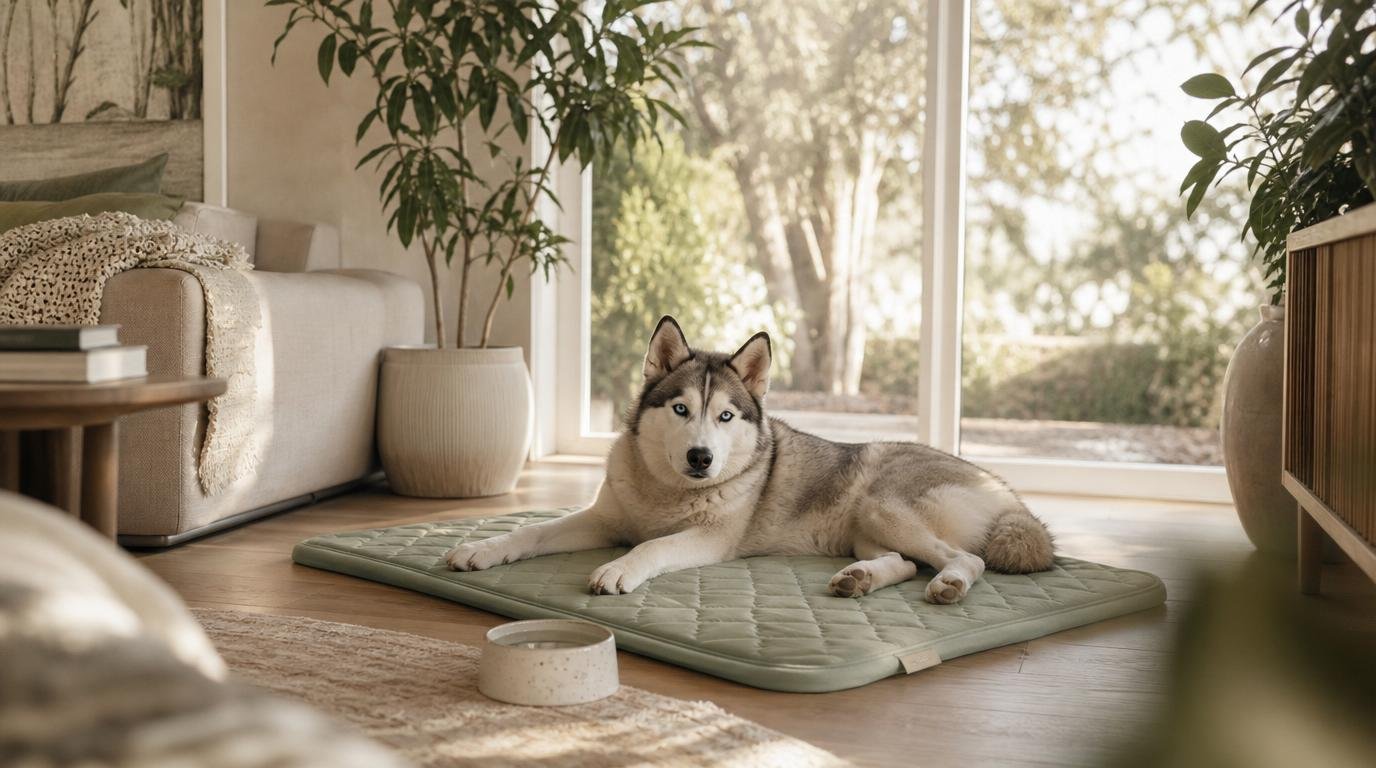 DOG
DOGBest Cooling Mats for Dogs in Australia: Ultimate Guide
When the heat hits, a cooling mat gives your dog a place to chill. We found the best for safe, lasting relief through summer.

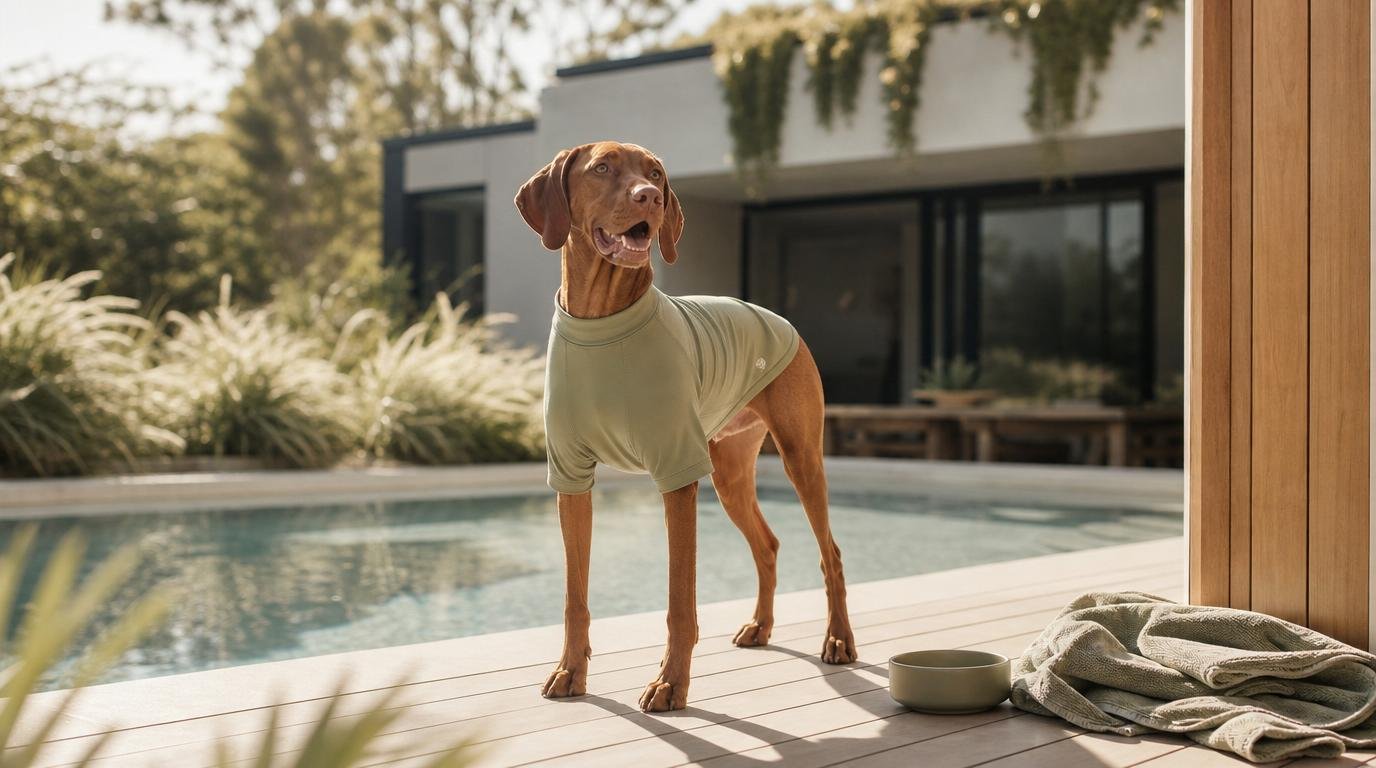 DOG
DOGYour Ultimate Guide to the Best Rashies for Dogs in Australia 2026
Sun, sand and saltwater are tough on dogs. A good rashie shields sensitive skin — we found the best fit and protection.

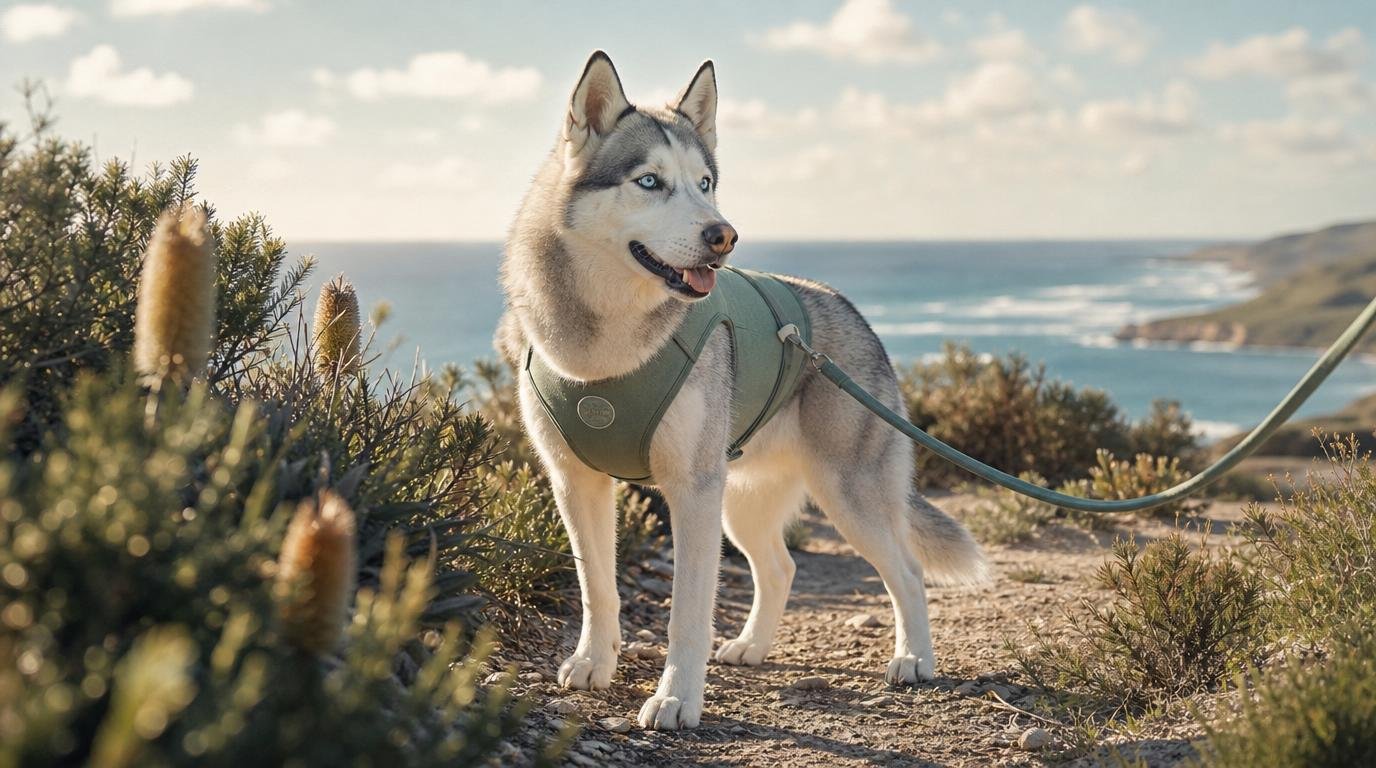 DOG
DOGBest Cooling Vests for Dogs in Australia: Your Ultimate Guide
On scorching days, a cooling vest helps your dog stay active and safe. We compared the best for fit, cooling power and Aussie heat.