Dogs | Health | Lifestyle
Dog Sunburns: How to Protect Dogs Under the Aussie Sun in 2026
When the Aussie summer hits full tilt, even Bruce the Golden Retriever can’t resist a good sunbake on the back lawn. But beneath that lush golden coat, there’s skin that’s more vulnerable than it looks. Dog sunburns are surprisingly common under our fierce UV rays — and no, fur doesn’t offer full protection. If your pup has a pink nose, patchy fur, or just loves lounging belly-up in the heat, they could be copping silent sun damage. Whether you’re camping with your dog or simply enjoying a play in the yard, here’s what every Aussie dog owner needs to know before the next scorcher rolls in.
The Upshot
Aussie UV burns dog skin — pink noses, white bellies and shaved patches go first.
Fur isn’t sunscreen. Dogs with light coats, thin coats, or pink skin can burn in fifteen minutes of full midday sun. Walk early or late, set up shade in the yard, and slop a zinc-free dog sunscreen on the bits fur doesn’t cover — nose, ear tips, belly, and any shaved areas after surgery.
Best Dog-safe Sunscreen
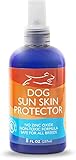
EBPP Dog Sun Skin Protector Spray
- Zinc-free, dog-safe formula
- Easy spray for broad coverage
- Not water-resistant
See the full Product Guide: Best Dog Sunscreen in Australia
Best Dog Rashie

Fitwarm Ice Lemon UPF 50+ Dog Shirt
- UPF 50+ fabric blocks UV rays
- Quick-dry mesh for beach or bush
- Too snug for broad breeds
See the full Product Guide: Best Rashies for Dogs in Australia

Why does this matter? Australia has some of the highest UV levels in the world, and it’s not just people who need protection. In fact, the RSPCA warns that sunburn can lead to skin cancer in pets over time. In this guide, we’ll share practical tips to keep your dog safe from the sun — from understanding how UV affects dogs, to prevention strategies like pet sunscreen and shade. A bit of sun smarts will help your best mate stay happy and healthy under the Aussie sun.
Quick Takeaways
The five things worth remembering. Scroll across to read all five.
Fur isn’t enough
Dogs with white fur, thin coats, or pink skin burn fastest under Aussie UV. Even dark-coated dogs aren’t safe on the nose, ear tips and belly, where fur is sparse and the skin is exposed to direct sun.
Burns hurt and linger
Sunburn shows up as red, tender skin on the nose, ears and belly, and it’s properly painful. Repeated UV damage can also lead to skin cancers like squamous cell carcinoma down the track.
Avoid 10am–4pm
Australian UV is fierce. Even a short midday outing can burn light-skinned dogs. Provide shade in the yard and time walks for early morning or late afternoon — your dog’s paw pads will thank you too.
Dog-safe sunscreen only
Apply pet-safe sunscreen to vulnerable areas: nose, ear tips, belly, inner thighs. Never use human sunscreen with zinc oxide or fragrance — it’s toxic if licked, and dogs always lick.
Prevent, don’t treat
Shade and a tube of dog sunscreen cost a fraction of a vet bill for a severe burn — let alone the surgery if repeated damage turns into skin cancer. Build sun-smart habits in early.
Why dogs get sunburnt (and who’s at risk)
Just like us, dogs can absolutely get sunburnt. A canine coat might block some sunlight, but UV rays still penetrate, especially if a dog has light or thin fur. White or cream-coloured dogs often have fair, pink skin underneath — meaning less melanin to protect them from the sun. Hairless breeds and those with sparse coats (think Chinese Crested or a shaved-down pup) have virtually no barrier at all.
Even dogs with dark fur aren’t completely safe: their dense coats may shield the skin a bit, but areas like the belly, nose, and ears (where fur is scant) can burn quickly. In fact, veterinary experts note that a dog’s skin can start to sunburn in just 15 minutes of intense sun exposure on a high UV day. Aussie sun lovers beware — if your dog has any white patches or a pink snout, they’ll be extra sensitive because white skin doesn’t tan, it just burns.
Key Insight
Sydney University researchers note that a dog’s skin can start to burn in just 15 minutes of intense midday Australian sun. That’s quicker than it takes to brew a coffee — and the damage compounds quietly across summers.
So, who’s most at risk? Fair-haired and light-skinned dogs top the list. Breeds like Bull Terriers, Dalmatians, Staffies with white markings, or any pup with a thin coat can get sun damage before you realise. Our mate Bruce, for example, has a golden coat but a pale pink nose — a recipe for a sunburnt snoot if he spends too long belly-up in the sun.
And it’s not just the usual suspects: any dog that loves sunbathing or lies exposing its belly can end up with a red tummy. Don’t forget, older dogs or those with shaved spots (after surgery or grooming) have vulnerable skin too. The takeaway is simple: fur helps, but it’s not full-body sunscreen. Every dog has some exposed bits that need protection under the Aussie sun.
Signs and dangers of dog sunburns
You might not notice your dog’s sunburn until a little later — after all, they can’t turn as lobster-red as we do all over. But there are tell-tale signs. Red or pinkish skin is the big one (look at the insides of the ears, nose, and belly). The skin may feel warm or even hot to touch, and your dog might flinch or whimper if you pet those tender areas.
Often the edges of a sunburnt dog’s ears get dry or start to curl from the damage. You might see your pup scratching or licking at certain spots more than usual — a sign those spots are sore. In more severe cases, the skin can get scaly or form blisters, and your dog could become a bit lethargic or feverish from the burn.
| Sunburn severity | What to do |
|---|---|
| Mild sunburn | Skin is slightly red or pink, warm to touch. Your dog seems a bit uncomfortable if you touch it. Cool the area with clean water or a cold, damp cloth and keep your dog out of the sun. Soothe with a pet-safe aloe vera gel if available. |
| Moderate sunburn | Bright red skin, tenderness, maybe small blisters or peeling. Dog may whine when the area is touched and could be restless. Apply a cool compress to reduce heat. Prevent your dog from licking the area (a light cotton shirt can help cover it). It’s best to consult a vet — they might prescribe a soothing ointment or pain relief for comfort. |
| Severe sunburn | Deep red or purplish skin, raw or widespread blistered areas. Dog is in obvious pain, may be lethargic, not eating, or running a slight fever. This is an emergency — seek veterinary care immediately. The vet can provide proper wound treatment, fluids for dehydration and medication to manage pain and prevent infection. |
A bad sunburn is more than just a day of discomfort — it can have serious long-term effects on your dog’s health. Repeated UV damage on a dog’s skin can lead to skin cancers over time, just as it does in humans. In fair-skinned animals, vets often see tumours like squamous cell carcinoma (a nasty skin cancer) developing on sun-exposed areas such as the ear tips, nose, and belly. For example, white-faced dogs who spend years sunbaking may end up with ulcerated sores on their ears or snout that turn out to be cancerous. Treatment can involve surgery to remove parts of the ears or other affected tissue — a heartbreaking outcome that could be avoided with prevention.
Even if cancer doesn’t occur, severe sunburn can cause infections (if the skin breaks) or permanent skin damage. In short, sunburn isn’t just a superficial issue for dogs: it’s pain now and potential health woes later. Keeping an eye out for early signs and protecting your pup from burns will save them a lot of suffering down the road (and save you some hefty vet bills too).
Preventing sunburn in dogs
Prevention is far better than treating a sunburnt pooch. Luckily, it mostly comes down to common sense and a few extra pet-care steps. We have a saying here: just as you “Slip-Slop-Slap” for yourself, do the same for your dog (with a few tweaks). Here’s how to keep your canine companion safe from the sun.
Provide shade and avoid peak sun
Slip on that shade. Always make sure your dog has a cool, shaded spot to retreat to when outside. Whether it’s under a big tree, a patio awning, or a beach umbrella, shade can reduce UV exposure significantly. At home in the yard, consider setting up a shaded kennel or a sunshade sail — something to give your pup a break from direct sun. Also, plan outdoor time wisely.
In the height of the Aussie summer, the sun between late morning and mid-afternoon is fierce. I walk Bruce either early morning or after dinner in summer, when the sun is low. It’s not only cooler (paw-friendly for hot footpaths) but it also spares him from the strongest UV rays. Timing games and walks outside of 10am–4pm is one of the simplest ways to prevent sunburn and overheating.
Use pet-safe sunscreen on vulnerable spots
Next comes the “slop” — slop on that doggy sunscreen. Yes, they do make sunscreen especially for pets. You’ll want a pet-safe sunscreen (available from vets or pet stores) that is zinc-free and fragrance-free. Never use regular human sunscreen on your dog, as many contain zinc oxide or salicylates which can be toxic if your dog licks it off.
A good pet sunscreen isn’t cheap, but it’s a must for fair-skinned pups. Apply it generously to the vulnerable areas: typically the nose and snout, the tips of the ears, the belly and inner thighs (especially if your dog loves sunbaking belly-up), and anywhere your dog’s coat is thin or hairless.
Put sunscreen on 20 minutes before sun exposure if you can, and reapply every few hours or after your dog gets wet. It’s a bit of extra work (and yes, an extra expense each summer), but slopping on sunscreen can save your dog from a world of hurt. Pro tip: if your dog hates sprays or creams, try pet sunscreen wipes — some brands make wipe-on sunscreen that Bruce tolerates much better than the squirty stuff.
Protective clothing and other gear
Now for the “slap” — as in slap on a hat or shirt. It might sound silly, but dog UV protection clothing is a thing. You can find lightweight dog shirts or suits with UPF (like a rashie for dogs) that block sunlight. These are especially useful for those nearly hairless breeds or dogs with skin conditions. Throwing a cute t-shirt on your Staffy might protect that vulnerable back and sides. The downside? Not all dogs appreciate the new fashion statement. Some will tug clothes off or overheat if the fabric isn’t breathable.
If you try UV gear, introduce it slowly and make sure your pup stays cool (choose light colours and cotton or Lycra blends designed for sun). And what about doggy sunglasses or hats? There are caps and visors for dogs, which can shield the face and eyes. Honestly, I tried a little cap on Bruce — he shook it off in five seconds flat and gave me a “you’ve got to be kidding me” look. So, gear is optional and very much dependent on your individual dog. Don’t force it if it stresses them out.
A lightweight shirt that covers the back can be great for sun-sensitive dogs, but always supervise to prevent overheating. And remember, even with a shirt or hat, you still need sunscreen on the exposed bits. Protective gear can cost a bit up front, but it’s reusable each summer. Consider it an investment in your dog’s skin health, especially if you’re down at the beach or out bushwalking regularly.
One more thing: never shave your dog’s coat completely in summer unless advised by a vet. A trim for long-haired breeds can help them stay cool, but leaving some length actually protects against sunburn. A dog’s coat has evolved to regulate temperature and shield from UV to some degree. If you shave them bald, you’re exposing “virgin” skin that’s not used to sunlight — it can burn in a flash. So, keep that in mind before giving your golden oldie a buzz-cut. Opt for a lighter trim and use the other protective measures above to keep them comfy and safe.
Treating a sunburnt dog
Sometimes, despite all precautions, your pup might end up a bit sunburnt. Don’t beat yourself up — it happens. The key is to care for the sunburn properly. For a mild pink burn, you can manage it at home in five short steps before deciding whether the vet needs a look-in.
- Get them out of the sun. Move into shade or indoors with a fan immediately — any further UV exposure makes the burn worse and the recovery longer.
- Cool the burn gently. Soak a soft cloth in cool (not icy) water and lay it over the burn for a few minutes at a time. Repeat in short intervals to draw out heat without irritating the skin.
- Apply a pet-safe aloe. A vet-recommended aloe vera gel or after-sun spray made for pets soothes the area. Skip anything with fragrance, lidocaine, or alcohol — dogs lick everything off.
- Stop the licking. If your dog won’t leave the spot alone, a soft cotton t-shirt or an e-collar for a day or two protects the skin while it heals.
- Monitor for 48 hours. Watch for blisters, swelling, discharge, or your dog going off their food. Any of those, ring the vet — anything beyond mild pinkness needs a professional look.
Most importantly, keep your dog out of direct sun until they’ve fully recovered, as the last thing we want is to aggravate the burn. Healing can take several days to a couple of weeks depending on severity. Follow your vet’s instructions on wound care and medication if given. With prompt treatment and a lot of TLC, most sunburns will heal up fine. And you can bet you’ll be extra careful next time — sunburn is a lesson neither of you want to repeat.
FAQ
Can only white or light-coloured dogs get sunburnt?
No, dogs of any colour can get sunburnt, though fair and light-coloured dogs are at higher risk. While white or pale-coated dogs with pink skin (e.g. many bull terriers, white staffies) are notorious for sunburn issues, even black or brown dogs can burn on areas where their fur is thin. Sunlight doesn’t care about fur colour when skin is exposed. A black Lab with a big white patch on his belly can burn there if he’s laying in the sun. Dark fur and pigmented (black or brown) skin do offer a bit more natural protection — they absorb some UV and don’t get red like pink skin does. However, every dog has vulnerable spots like the nose, ear edges, and belly. So regardless of coat colour, you should still provide sun protection for your pup. Think of it this way: a thick fur coat is like a loose T-shirt — it helps, but it’s not full coverage, especially once that Aussie sun is beaming down.
Is human sunscreen safe for dogs?
It’s best to avoid using human sunscreen on your dog. Many human sunscreens contain ingredients that can harm dogs if licked or absorbed. The biggest culprit is zinc oxide — great for us, but toxic to dogs if ingested (and dogs inevitably lick their fur and skin). Also, sunscreens with PABA or other chemical UV filters can upset a pup’s tummy or worse. Instead, use a sunscreen that’s specifically formulated for pets. These pet-safe sunscreens use dog-friendly ingredients (some use titanium dioxide as the physical blocker instead of zinc, for example). They are designed to be lick-safe and fragrance-free. You can find pet sunscreens at your vet clinic or pet shops in Australia — often in cream, spray, or wipe form. If you’re ever in a bind without pet sunscreen, some sources suggest that a baby sunscreen with no zinc and no fragrance can be used very sparingly, but honestly, I would just keep the dog out of sun rather than risk it. It’s worth the extra effort to get a proper dog sunscreen. Always read the label: when in doubt, ask your vet for a recommendation. And remember, even with pet sunscreen on, you should reapply it as directed and still use shade and timing to limit sun exposure.
How do I treat my dog’s sunburn at home?
If you notice your dog has a mild sunburn (slight redness, maybe a bit tender but your pup is otherwise okay), you can manage it at home with care. Move your dog into shade or indoors right away to prevent further damage. Cool the burned area gently — you can pat it with a cold wet cloth or rinse with cool water. Do this in short intervals (a few minutes at a time) to avoid irritating the skin. If you have a pet-safe aloe vera gel or an after-sun spray from the vet, apply a thin layer to soothe the skin. Monitor your dog for any signs of pain or discomfort — if they’re acting normally aside from avoiding a few pats, it’s a good sign the burn is mild. Keep them out of the sun until the skin heals up, and make sure they don’t scratch or lick the area too much (you might need to use a soft dog shirt or even an e-collar for a day or two if licking is an issue). Over the next few days, watch for any swelling, discharge, or worsening redness — those could indicate infection or a more serious burn, needing a vet’s attention. For anything beyond a minor burn (for instance, if your dog seems distressed, in pain, or you see blisters), it’s safest to get a vet involved rather than solely home-treat. But for a small pink spot, prompt first aid and lots of cuddles in a cool room can do the trick.
Should I shave my dog in summer to keep them cool (and prevent sunburn)?
In most cases, no — you shouldn’t shave your dog right down in summer, especially not to prevent sunburn. It might seem counter-intuitive, but a dog’s coat actually helps regulate their body temperature and can protect against the sun. When you shave a long-haired dog to the skin, you remove that natural insulation and expose sensitive skin that’s never seen daylight. That skin can burn far worse because it’s suddenly getting full UV exposure. Instead of shaving, you can give your dog a lighter trim if they have a very thick coat (many groomers do a “summer cut” that thins the fur without going bald). Focus on other cooling methods: provide lots of water, shade, and maybe a kiddie pool or cooling mat for them to lounge on. For sun protection, use the sunscreen and clothing tips we discussed rather than shaving as a solution. Some breeds (like Huskies or Shepherds) should never be shaved because their double coat protects them from heat and sun naturally — shaving can actually make them hotter and at risk of sunburn. So, save yourself the trouble (and the dog a potential sunburn or skin irritation) and keep that coat on. Brush them regularly to get rid of excess undercoat, which helps with cooling, but leave a protective layer of fur in place.
Final thoughts
Living in Australia means enjoying plenty of sunshine — and our dogs love it just as much as we do. The good news is that with a bit of awareness and a few extra steps, we can let them enjoy the outdoors safely. Whether it’s putting up a sunshade in the backyard or packing the doggy sunscreen for a day at the beach, protecting your fair-skinned friend from sunburn is all part of being a responsible pet owner here.
It’s like having slip-slop-slap as a natural part of your dog-care routine. The effort is absolutely worth it when you know your best mate won’t be coming home from an outing with a red belly or sore ears. So throw on your thongs, grab your pup’s sun protection gear, and have a blast under the Aussie sun — just do it safely. Bruce and I will see you down at the dog park (we’ll be the ones in the shade, with a big bottle of water and a very happy, sun-safe pooch).
We Think You’ll Also Like These Guides
 DOG
DOGSummer Camping with Dogs: How to Manage Heat, Wildlife, Food, and Fire Hazards
Camping with your dog means heat, wildlife and fire risk. Here's how to plan a safe, fun trip in the Aussie bush.

 DOG
DOGBest Cooling Mats for Dogs in Australia: Ultimate Guide
When the heat hits, a cooling mat gives your dog a place to chill. We found the best for safe, lasting relief through summer.
 DOG
DOGYour Ultimate Guide to the Best Dog Sunscreen in Australia for 2026
Pink noses and thin coats burn fast under the Aussie sun. We found the safest dog-friendly sunscreens to keep them protected.
