Dogs | Health
Why Does My Dog Lick Me So Much? What to Know and When to Worry
For Australian pet owners, understanding this quirky habit matters more than you might think. A dog’s licking is usually normal, but sometimes it can signal something more — from seeking attention to feeling anxious or depressed, or even a health issue. In this Knowledge Guide, we’ll explore why dogs love licking us, how to tell affectionate licks from problematic ones, and ways to gently curb excess slobbering. And if you’re ever worried it’s out of the ordinary, it’s best to speak to your vet for guidance.
The Upshot
Most dog licking is affection or salt-on-skin — only worry when it tips into compulsion.
Dogs learn early that licking gets a reaction, and your hands and feet taste interesting in a hot Aussie summer. A few daily licks are harmless — but if it ramps into nonstop, no-trigger licking, your dog may be anxious, bored, or unwell. Redirect with calm consistency, not scolding.
Best Dog Multivitamin

Petz Park Multivitamin for Dogs
- Easy-to-mix powder made in Aus
- Prebiotic supports digestion
- Daily dosing required
See the full Product Guide: Best Multivitamins for Dogs in Australia
Best Dog Toothpaste

Virbac CET Enzymatic Toothpaste
- Backed by clinical evidence
- No foaming agents, safe to swallow
- Flavour can divide picky dogs
See the full Guide: Should I Brush My Dog’s Teeth Daily?

Many Aussie dog owners know the feeling of a big, slobbery welcome home. My own pooch, Bruce the Golden Retriever, will happily smother me with licks the moment I walk in the door. In the steamy Queensland summer, I’m basically a walking salt lick to him, and he just can’t resist. Even our cat, Luna, looks on with utter disbelief. It’s mostly adorable (if a tad soggy), but we’ve all found ourselves wondering, at one time or another: why does my dog lick me?
Quick Takeaways
The five things worth remembering. Scroll across to read all five.
Affection, plain and simple
Dogs lick us as a way of showing affection — it’s their version of a kiss and a nuzzle rolled into one. It’s a bonding thing, pure and simple, especially from puppies onwards.
Licking gets attention
Many dogs learn that licking earns a laugh, a pat or your eye contact. Slobbery as it is, they figure out it works — and they’ll repeat it during dinner, calls, or anywhere else you’re distracted.
You might taste good
After a hot walk or barefoot gardening, your skin gets salty and picks up tasty scents. Crumbs, sunscreen, or a splash of BBQ sauce can turn you into a buffet your dog can’t resist.
Watch for obsession
Constant licking with no clear trigger can signal anxiety, boredom, or a physical issue like nausea or itchiness. Note the pattern — if it shifted suddenly or feels compulsive, it’s worth a vet chat.
Redirect, don’t scold
If your dog overdoes the licks, the fix isn’t punishment — it’s calm, consistent redirection. Reward the calm behaviours you want (lying quietly, fetching a toy) and gently break contact when the slobber starts.
Why dogs lick: natural instinct
Licking comes naturally to dogs. From the moment they’re born, puppies get licked clean by their mum — it’s a form of grooming, comfort and bonding all in one. In a wild pack, dogs lick each other to reinforce social hierarchies and say “we’re friends”. So when your dog licks you, they’re treating you as part of the family.
Congratulations — you’ve been accepted into the pack.
Dogs also quickly learn that licking gets a reaction from us. For example, when Bruce was a pup, every time he licked my nose I’d laugh and give him a cuddle — no wonder he kept at it. Licking releases feel-good endorphins in a dog’s brain, so it actually makes them feel happy and calm. In short, a lot of the time your dog is licking you because it feels good for them and usually earns them some love in return.
Common reasons dogs lick you
Your pup could be licking you for a mix of reasons. Here are some of the most common motives behind that constant tongue:
| Reason | Details |
|---|---|
| Affection & bonding | Dogs often lick to show love and strengthen their bond with you. It’s the canine equivalent of a kiss — a habit rooted in how mother dogs groom and comfort their puppies. |
| Attention or communication | Your dog might lick to get your attention or tell you something. They learn pretty quickly that a slobbery lick often makes you look, laugh or react, which reinforces their behaviour. |
| Taste (salt or food) | Human skin can be delicious. Dogs love the salty taste of our skin — especially if you’re sweaty from the Aussie heat. They may also lick if they smell food residues or yummy lotion on you. |
| Submission or appeasement | Licking can be a dog’s way of saying “you’re the boss” or “please be kind.” In dog language, a lower-ranked or apologetic pup might lick a dominant or upset individual to show respect and smooth things over. |
| Comfort or habit | Some dogs lick simply because it’s comforting. Licking releases endorphins, so it can soothe them if they’re a bit anxious or just help them relax (kind of like us biting our nails or humming out of habit). |
When licking becomes too much
Generally, an affectionate lick here or there is perfectly normal. But if your dog is licking you non-stop or seems obsessed with licking, it might be time to take note. Excessive licking can be a sign of underlying stress or anxiety — some dogs lick compulsively to comfort themselves, similar to a child sucking their thumb. In other cases, a dog that suddenly starts licking much more than before could be trying to tell you something isn’t right (for instance, older dogs with dementia or dogs feeling nauseous might lick more).
Think about the context and your dog’s body language. If they’re licking you during specific moments — like when you come home or when you’re giving out dinner — it’s likely just excitement or asking for attention. But if they’re licking you (and maybe everything else) relentlessly even when you’re not engaging with them, they could be feeling uneasy or bored. In such cases, it’s worth checking in on their mental and physical health.
A chat with your vet can help rule out any medical issues (like skin irritations or allergies that might drive licking), and a qualified trainer or behaviourist can help if anxiety is at play. For dogs licking out of boredom rather than illness, the simplest fix is giving them something better to lick. A lick mat smeared with dog-safe peanut butter or wet food can keep them occupied for ten or fifteen minutes — long enough to redirect the habit and tire out that hunting brain.
There’s also a practical side to consider: for our own health and theirs, you might need to set some boundaries on licking. As sweet as “dog kisses” are, remember that dogs’ mouths carry bacteria and parasites — it’s best to avoid letting them lick your face or any open cuts to prevent potential infections. Likewise, if you’ve got any medicated creams or lotions on your skin, you don’t want your dog ingesting that. (Many human creams, like pain relief gels or prescription ointments, can be harmful if licked off.) In short, occasional licks are fine — but if it’s all day, every day, or in unsafe places, you’ll want to intervene kindly.
How to discourage unwanted licking
If you love your dog but not the constant licks, there are gentle ways to teach better habits. The key is consistency and positive reinforcement, not punishment. Try these tips:
- Ignore the licking: When your dog starts licking you, calmly break contact and turn away or walk out of the room. Only give them attention or affection when the licking stops. They’ll learn that licking makes you briefly vanish, but staying calm gets your attention.
- Be consistent: Make sure everyone in your household is on the same page. If you’re discouraging licking but someone else in the family is giggling and letting the dog slobber on them, your pup will get mixed messages.
- Offer alternatives: Often dogs lick because they’re a bit bored or seeking sensory fun. Provide a distraction like a chew toy or a dog-safe lick mat smeared with a little dog-friendly peanut butter. This gives them a licking outlet that isn’t your arm.
- Teach a cue: You can train a simple command like “Enough” or use a gentle “ah-ah” sound when the licking starts. As soon as your dog pauses licking, reward them — this way they associate stopping licking with praise or a treat.
- Use positive reinforcement, not punishment: Never yell at or physically punish your dog for licking — that can create stress (and potentially more licking). Instead, stick to gentle reward-based training methods — with healthy everyday dog treats — so your pup learns that not licking earns good things, while licking gets them nothing.
FAQ
Is it safe to let my dog lick my face?
It’s generally not a great idea. While most of the bacteria in a dog’s mouth are specific to dogs, there are still germs and parasites that can transfer to you. For example, dogs may carry bacteria like Salmonella or E. coli from scavenging or licking things outside. There’s also a risk of worms — if your dog isn’t up to date on worming and they lick near your mouth, you could ingest parasite eggs. Australian health guidelines say don’t let pets lick your face or any broken skin. So, enjoy pats and cuddles, but it’s smart to keep those licks away from your face (and definitely not in your mouth or eyes!).
How can I train my dog to stop licking me so much?
Start by consistently ignoring the licking — whenever the tongue comes out, calmly remove your attention. Only reward your dog (with praise or patting) when they’re NOT licking. You can also use a cue like “Enough” and reinforce it: say it when they start to lick, then as soon as they pause, reward them. Make sure everyone who interacts with your dog follows the same plan. It can take a little time, but dogs are smart and will learn that staying calm gets affection, whereas licking makes the fun stop. Remember to stay patient and positive; you want to teach them that not licking is more rewarding.
Why does my dog lick my hands and feet so much?
Hands and feet are prime targets because they’re often the tastiest or most available parts of you. Your hands typically smell like whatever you’ve been handling (food scents, interesting smells from outside, etc.), so dogs are naturally drawn to investigate and lick them. Feet, on the other hand, are usually a bit salty and covered in your personal scent from being in socks and shoes all day — to a dog, that’s a flavourful treat! Also, we tend to inadvertently reward hand licking (by using our hands to pet them) or foot licking (maybe we laugh because it tickles, which the dog sees as positive attention). If it bothers you, apply the same training approach: gently discourage it by moving away and rewarding the behaviour you prefer (like sitting calmly without licking).
Why does my dog lick me more than anyone else?
Dogs often choose a favourite person, and if that’s you, you might get the most licks. It could be because you spend the most time with them or you’re the primary source of food and fun — so they’re showing you extra love. You might also taste or smell especially interesting to your dog (everyone has a unique skin scent; maybe your lotion or natural smell is appealing). Another factor is reinforcement: if you’ve always responded to your dog’s licks with affection or laughter, you’ve taught them that licking you is rewarding. Meanwhile, they might not bother licking someone who doesn’t give them much reaction. Essentially, you’re their special human, and they’ve learned that giving you kisses is a great way to connect with you.
Can it harm my dog if they lick certain things off my skin?
Yes — if you have substances on your skin, it could be dangerous for your dog to ingest them. A common example is medicated creams or ointments (like prescription skin creams, anti-fungal ointments, or hormone creams). These often contain drugs that are fine for humans on the outside but can be toxic to a pet if licked and swallowed. Even some soothing natural products (like tea tree oil or eucalyptus oil in a cream) can make dogs sick. Sunscreen, insect repellent, or chlorine from pool water on your skin might also give them an upset tummy. Basically, if it’s not something you’d feed your dog, you don’t want them licking it off you. The RSPCA warns that topical creams can harm pets when ingested. So if you’ve applied something to your skin, play it safe: wait until it’s fully absorbed or cover it up, and keep your dog’s tongue away. And of course, store any medicines or lotions out of paws’ reach — curious pups might lick or chew a tube if they find one.
Final thoughts
Dog licking is one of those funny little quirks of being a pet parent — it’s usually just a sign that your furry friend adores you. Understanding why they do it (and when it might be too much) can help you keep the affection while setting gentle boundaries as needed.
At the end of the day, a few slobbery kisses are nothing to worry about as long as everyone’s healthy and happy. So embrace the love (maybe keep a towel handy!), and keep an eye out for any changes. With a bit of training and care, you and your dog can find the perfect balance — licks and all.
We Think You’ll Also Like These Guides
 DOG
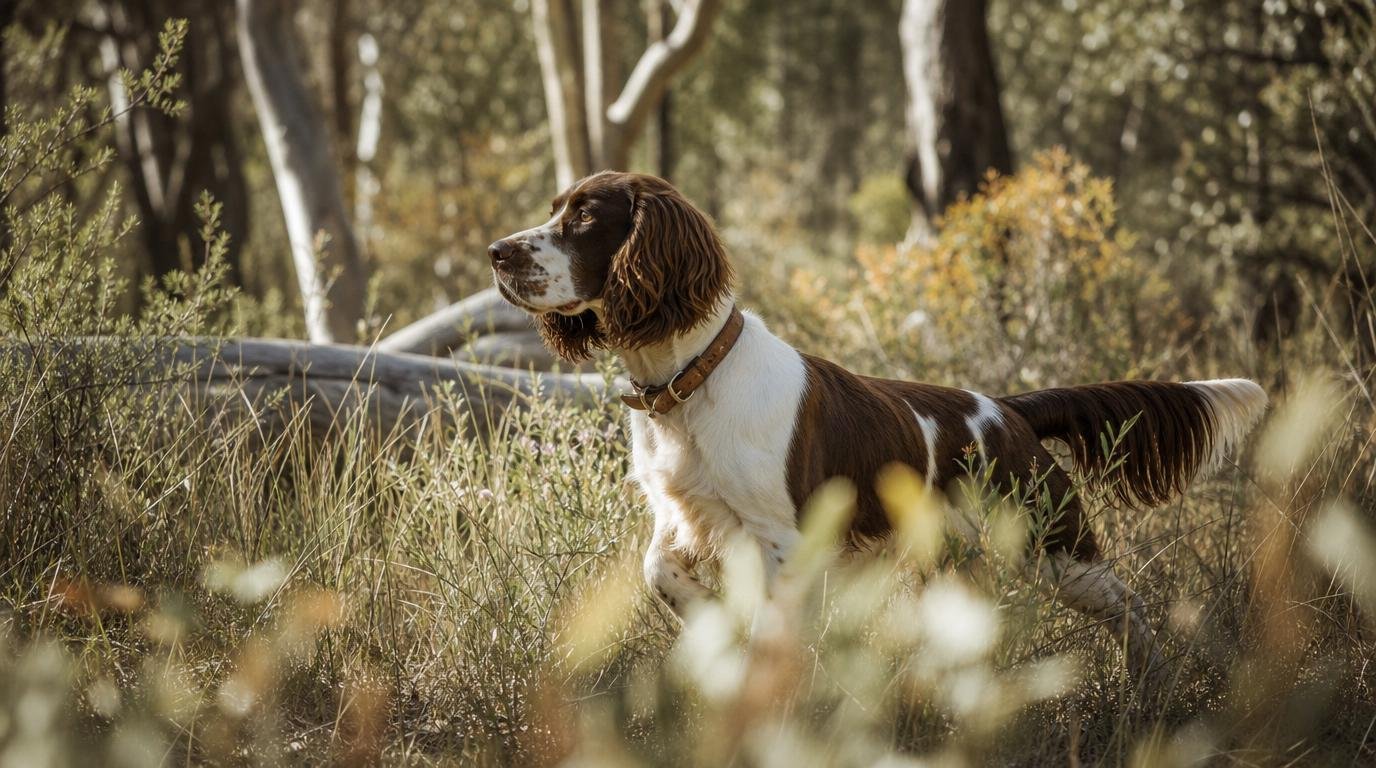
DOGBest Flea and Tick Treatment for Dogs in Australia: Ultimate Guide
Paralysis ticks make this no place to cut corners. We compared the most effective flea and tick treatments for Aussie conditions.

 DOG
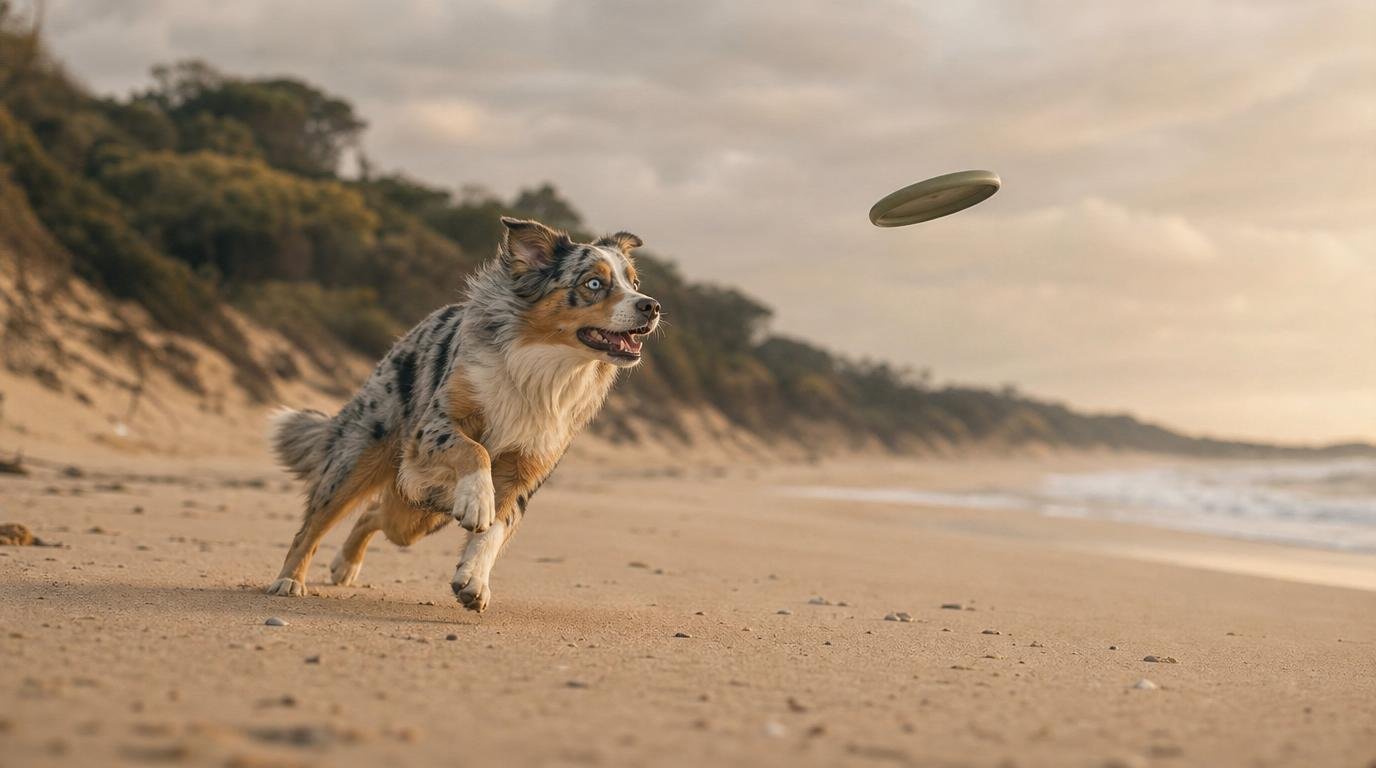
DOGBest Joint Supplements for Dogs in Australia: Ultimate Guide
Stiff mornings and slowing down aren't just old age. We found the joint supplements with the evidence to keep dogs moving.
 DOG
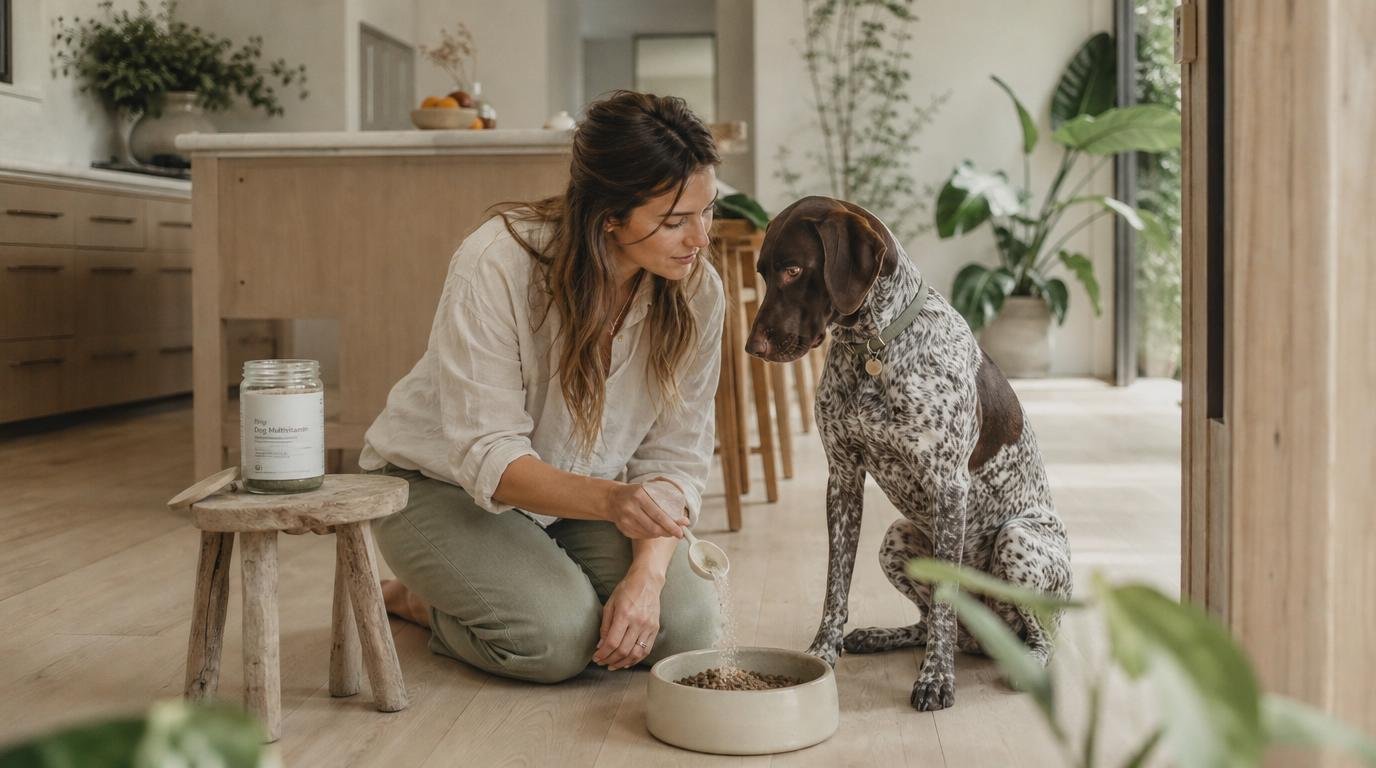
DOGBest Multivitamins for Dogs in Australia: Ultimate Picks
The right multivitamin fills the gaps a bowl can miss. We picked the best for coat, joints, gut and all-round health.