Dogs | Accessories | Grooming | Health
Should I brush my Dog’s Teeth Daily? How to Keep Your Dog’s Teeth Clean
Dental disease is one of the most common (and often missed) problems in Aussie dogs, with around 80% of dogs showing signs by age 3 — yep, even the cheeky ones still hooning around the yard. If left untreated, it can lead to sore gums, stinky breath, and some pretty eye-watering vet bills. But here’s the good news: it’s also one of the easiest things to manage at home. In this guide we’ll cover how to keep your dog’s teeth clean with less fuss, what products actually help, and how to make it part of your routine. And if you’re getting into good hygiene habits, don’t forget the ears — those flappy things need attention too, especially after swims or bushwalks.
The Upshot
Daily brushing is the single best dental defence you can give your dog at home.
Plaque hardens into tartar in just a few days, and once it’s set, only a vet under anaesthetic can scrape it off. A soft brush, a pea of dog-safe paste, and two minutes a night keep the gum line clean and the bills small. Chews and dental diets help, but won’t replace the brush.
Best Dog Toothpaste

Virbac CET Enzymatic Toothpaste
- Vet-recommended, clinically backed
- Foam-free, safe to swallow
- Best results need daily use
Best Dog Toothbrush

360º Pet Finger Toothbrush & Gum Massager
- 360° nubs clean all tooth surfaces
- Finger fit gives precise control
- Less reach on large back molars

As an Aussie dog owner, you might be wondering: should I brush my dog’s teeth daily? It sounds a bit extra, but dogs need dental care just like we do. On our sunny beach days, it’s easy to forget about those canine chompers. Bruce, my Golden Retriever, gives me the side-eye when the toothbrush comes out, but a healthy mouth is worth it. Let’s dive in.
Most dogs won’t show they’re in dental pain until it’s really bad — by which point a clean under anaesthetic, or even extractions, can be the only fix. A few minutes a night is a tiny cost compared to that, and once it’s a habit, neither you nor your dog really notices.
Quick Takeaways
The five things worth remembering. Scroll across to read all five.
Brush Daily
Regular brushing — ideally daily — is the most effective way to stop plaque hardening into tartar and prevent gum disease. Two minutes a night beats a vet clean under anaesthetic any day.
Pet-Safe Products
Always use dog toothpaste, ideally chicken or beef flavour, and a soft brush or finger brush. Human toothpaste contains fluoride and sometimes xylitol, both of which are toxic to dogs.
Chews Aren’t Enough
Dental chews, toys and special diets can knock off some plaque, but they can’t reach the gum line. Treat them as a useful supplement, not a substitute for the brush.
Watch the Warning Signs
Bad breath, red or bleeding gums, and any reluctance to eat hard food are clear flags. Catching dental trouble early saves your dog real pain and saves you a serious bill.
Annual Vet Check
Book a dental check at the yearly vet visit, and a professional clean when your vet recommends one. Some hardened tartar simply can’t be removed at home, no matter how diligent you are.
Why daily brushing matters
Brushing your dog’s teeth isn’t just a gimmick — it’s crucial for their health. You should aim to brush your dog’s teeth at least weekly, but ideally daily. Regular brushing removes plaque before it hardens into tartar. Tartar not only causes smelly breath, but it can lead to infected gums and wobbly teeth if left unchecked.
Key Insight
Around 80% of dogs show signs of dental disease by age three. That makes it more common than allergies, ear infections, or arthritis — and far easier to prevent.
Most dogs won’t show they’re in dental pain until it’s really bad. By then, they might need teeth pulled or a deep clean under anaesthetic — which can cost hundreds of dollars at the vet, and may not be suitable for every dog. I learned that the hard way with my old cattle dog years ago. Now I brush Bruce’s teeth religiously, because a few minutes of effort could save him from pain (and save me a hefty vet bill). Good dental care can even add years to your dog’s life, keeping them healthy and happy for longer.
How to brush your dog’s teeth
Getting your pup used to toothbrushing takes patience. It’s best to start when they’re young, but older dogs can learn too. The key is to go slow and use the right tools. Here’s how I manage with Bruce, even though he’d rather be chewing a footy ball than sitting for a brush.
-
Introduce mouth handling gradually
Start by getting your dog comfortable with you handling their mouth. Keep initial sessions very short — just lift the lip or touch a tooth — and reward with praise or a small treat. Do this for a few days so they aren’t nervous.
-
Use your finger first
Before using a brush, put some dog toothpaste (chicken or beef flavour is great) on your finger. Gently rub along your dog’s gums and teeth so they get used to the taste and the feeling. Make it fun and stop if they get upset.
-
Try a gauze or finger brush
Wrap gauze around your finger or use a rubber finger toothbrush. Gently scrub your dog’s teeth in a circular motion. Focus on the gum line where plaque builds up. Keep praising them — Luna the cat is watching and judging, but Bruce gets an extra pat for cooperation.
-
Introduce a pet toothbrush
Now bring in the dog toothbrush with pet-safe toothpaste. Use a soft, angled brush and small circular strokes on each tooth. Take your time and do what you can — you don’t have to get every tooth in one go. If your dog gets fidgety, take a break and try again later. Consistency is more important than perfection.
Always use toothpaste made for dogs — never human toothpaste (our fluoride and additives can make dogs sick). Pick a time when your dog is calm, like after a walk. For example, I brush Bruce’s teeth in the evening when he’s tuckered out from a play at the park. Aim for daily brushing, but if you miss a day, that’s okay. Even a few times a week is far better than nothing. The main goal is to make it a routine your dog accepts without fear.
Other ways to keep your dog’s teeth clean
Brushing is the gold standard, but there are other tools to help keep those canine teeth shiny.
Dental chews and toys: Chewing can scrape off some plaque. There are Aussie-made dental treats and chew toys that help clean teeth (and keep your dog occupied). Just remember, they’re a supplement — they might freshen breath a bit, but as vets often say they will not prevent gum disease entirely. Still, giving your dog a vet-approved dental chew a few times a week can support their oral health.
Dry food and dental diets: Good crunchy kibble can help (it’s less likely to stick to teeth than soft food). There are also special dental diets designed to reduce tartar. These kibble pieces are formulated to scrub the teeth as the dog chews. Ask your vet if a dental diet might help your pup, especially if brushing isn’t going well.
Water additives and gels: Your vet might suggest a chlorhexidine-based oral rinse or gel to reduce mouth bacteria. You add these to your dog’s water or apply to their gums. They can improve breath and help fight plaque in between brushings. It’s an easy upgrade to the daily water bowl — just follow your vet’s instructions.
Raw bones (with caution): Some Australian vets still recommend raw meaty bones occasionally, as chewing on raw bones can massage gums and reduce tartar. If you go this route, only use raw (never cooked) bones that are large enough not to swallow, and supervise closely. Be aware, bones carry risks — they can crack teeth or cause choking or tummy upsets. Always ask your vet before giving bones. If in doubt, stick to safer chews or toys instead, and carefully consider the pros and cons of putting your dog on a raw diet.
None of these alternatives truly replace brushing, but used alongside brushing they can make a difference. A combination of daily brushing and a couple of these extras will give your dog the best chance at fresh breath and healthy gnashers. And don’t forget to factor in a professional vet dental clean every now and then if needed — prevention is best, but sometimes a thorough clean under anaesthetic is the only way to remove hardened tartar.
When to see a vet
Most dental care is something you handle at home, but there are clear signals that mean it’s time to stop trying to fix it yourself and book an exam.
Annual dental check-ups are also worth the visit even when nothing looks wrong — vets can see and feel things behind the back molars that you simply can’t.
FAQ
What if my dog hates getting their teeth brushed?
Not all dogs take to brushing straight away. The trick is to train gradually and make it positive. Start by letting your dog lick dog toothpaste off your finger as a treat. Over several days, work up to touching their teeth and gums, then introduce the toothbrush gently. Keep sessions very short and end with praise or a reward (so they think, “toothbrushing = treat time!”). If your dog absolutely refuses, don’t force it and talk to your vet. In the meantime, use dental chews, wipes, or water additives to help maintain their teeth. Patience is key — even Bruce was a wriggler at first, but now he sits (somewhat) calmly knowing a belly rub comes after.
Can I use human toothpaste on my dog?
No. Human toothpaste contains fluoride, foaming agents, and often xylitol (a sweetener) which are toxic to dogs. Our toothpaste is meant to be spat out, but dogs will swallow whatever you put in their mouth. Always use a toothpaste made for dogs — they usually come in dog-friendly flavours like chicken or beef, which makes the experience more enjoyable for your pup. Dog toothpaste is safe to swallow and will do the job of cleaning without upsetting your dog’s tummy.
Are dental chews as good as brushing?
Dental chews are helpful, but they’re not as effective as brushing. Chews and dental sticks can knock off some plaque and freshen breath, especially if used daily, but they can’t reach all the nooks around the gums. Vets recommend using chews as a bonus, not a replacement. For example, giving a chew after dinner can help, but it won’t completely stop tartar buildup. Brushing actually scrubs the plaque away, whereas a chew is more like a “tooth exercise.” So, use them if your dog enjoys them — they do provide benefits — but try to brush as well for best results. Remember, even the best dental treat will not prevent gum disease on its own.
How often should my dog get a professional dental cleaning?
Your vet will check your dog’s teeth during their annual check-up and can tell you if a cleaning is needed. Many dogs need a proper dental clean by the vet every few years, depending on their breed, age, and how well their teeth are cared for at home. Small breeds and older dogs might need more frequent cleanings. It’s best to have an annual visit to the vet where the vet examines the teeth. If they see lots of tartar or gum issues, they’ll recommend a professional clean under anaesthetic. Regular brushing at home can extend the time between these pricey cleanings, but don’t skip the vet dental checks — some things you just can’t see or clean at home.
Final thoughts
Keeping your dog’s teeth clean is an ongoing part of being a responsible pet owner — a little effort each day really pays off. With patience and the right approach, toothbrushing can even become a routine that your dog tolerates (or maybe even enjoys, if chicken toothpaste is involved!).
In Australia’s laid-back lifestyle, it’s easy to forget the small stuff, but your furry mate’s smile is worth the attention. In the end, a healthy mouth means a happier, healthier dog — and far fewer stinky kisses. So grab that toothbrush, give it a go, and remember to end on a positive note (Bruce highly recommends an ear scratch and a treat as a reward).
We Think You’ll Also Like These Guides
 DOG
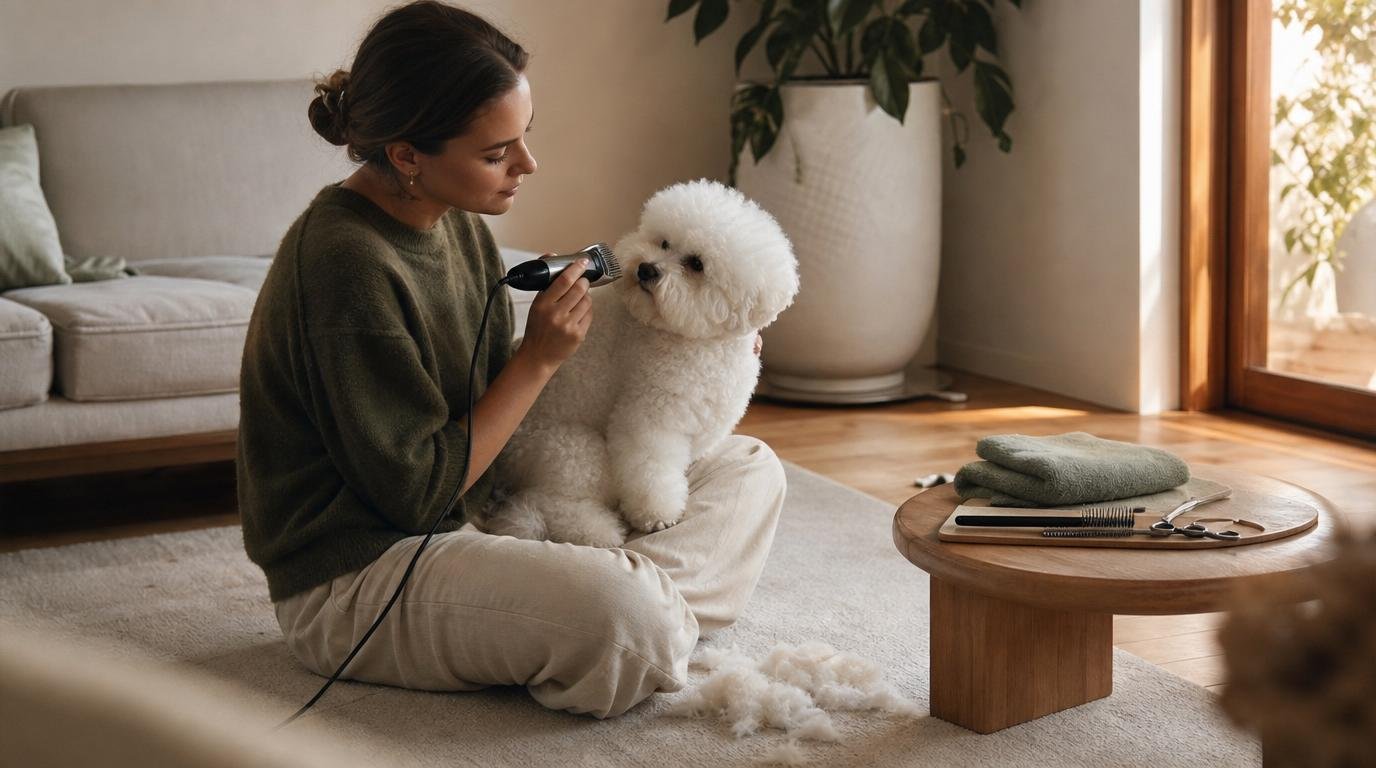
DOGBest Dog Grooming Clippers Reviewed: Ultimate Australian Owners Guide
At-home clipping saves money and stress — with the right tool. We tested the best clippers for quiet power and every coat type.

 DOG
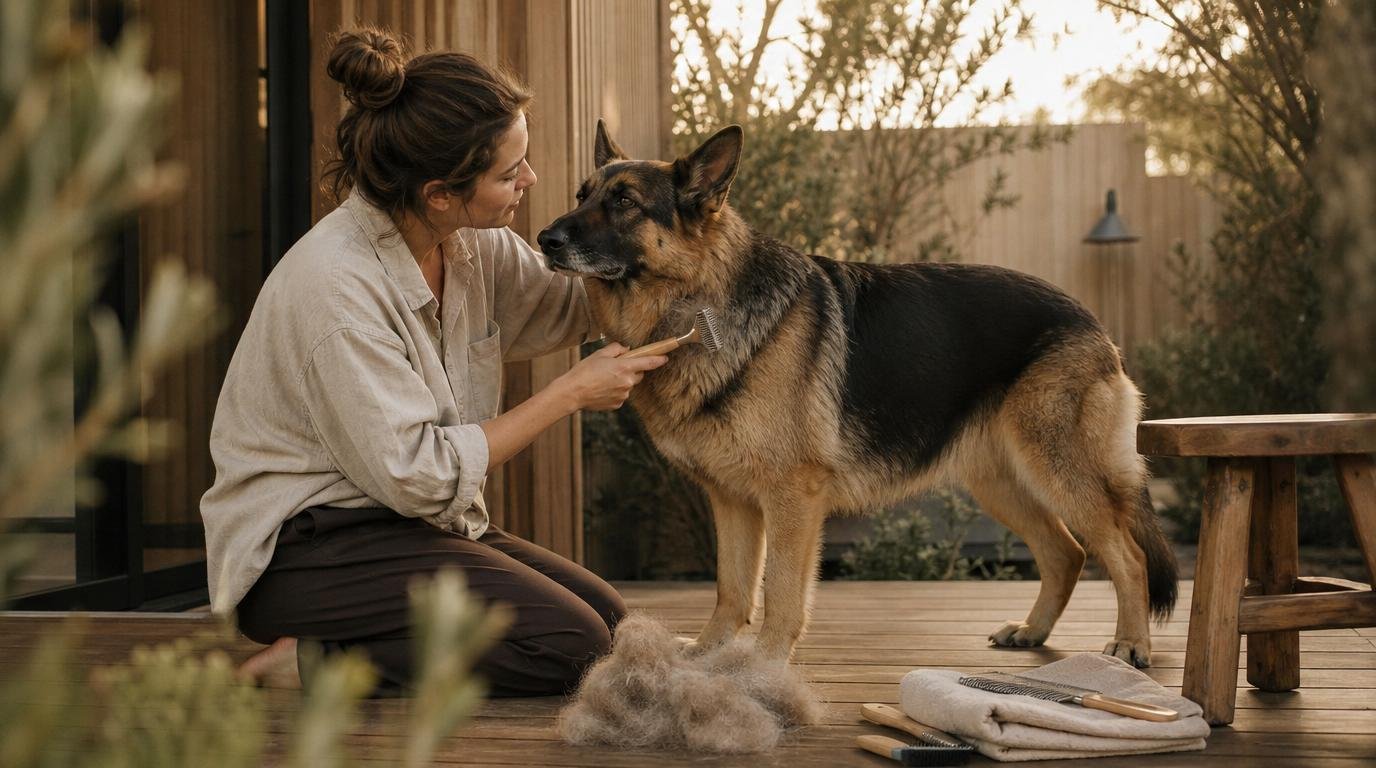
DOGBest Dog Grooming Rakes in Australia: Ultimate Aussie Guide
For thick or double coats, a good rake clears loose undercoat fast. We found the best for less shedding and a healthier coat.
 DOG
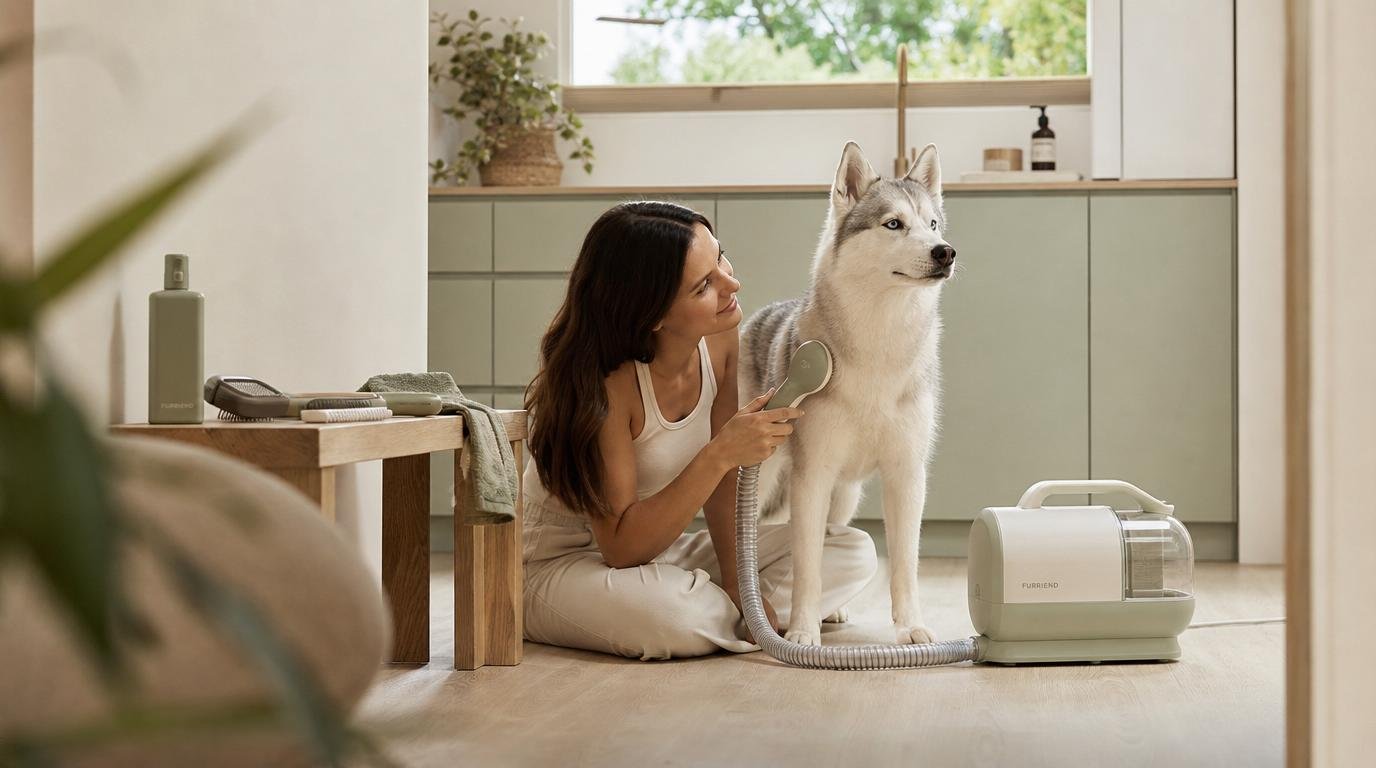
DOGBest Dog Grooming Vacuums in Australia: Ultimate 2026 Owners Guide
Catch the fur before it hits the floor. We tested the quietest, most powerful grooming vacuums for tidy at-home sessions.