Cats | Food | Health
My Cat Eats Too Fast Then Vomits: Ultimate Fixes That Don’t Involve Changing Food
If your cat eats too fast then vomits soon after, you’re not alone — and no, it doesn’t automatically mean the food is wrong. In homes across Australia (mine included), dinner can turn into a five-second sprint followed by an unpleasant clean-up on the tiles. Fast eating is incredibly common in cats, especially indoor ones, and it usually comes down to instinct, stress, or feeding routine — not the brand in the bowl. Simple tools like puzzle feeders and slow feeder bowls can dramatically change the pace of a meal without changing what’s on the menu, along with some other strategies. The good news? There are practical, low-stress fixes that work.
The Upshot
Fast eating then vomiting is about pace and routine, not the food in the bowl.
Cats are wired to graze across the day, not inhale one big meal — so a frantic eater is usually responding to long gaps, competition, or boredom. The fix is friction (slow-feeders, puzzle bowls, scatter feeding) and structure (smaller portions, more often). A new food brand rarely changes anything.
Best Puzzle Feeder

Catit Food Tree
- Adjustable difficulty levels
- Very stable, hard to tip over
- Dry kibble only
See the full Product Guide: Best Cat Puzzle Feeders for Indoor Cat Enrichment
Best Raised Cat Bowl

Necoichi Raised Cat Food Bowl
- Elevated tilt reduces neck strain
- Lead-free porcelain, durable
- Porcelain can chip or break
See the full Product Guide: Best Cat Bowls for Safety and Comfort

Slowing your cat down at mealtime can make a huge difference — especially in Australia, where hot days and dry air mean hydration and digestion really matter. The fixes are mostly free or one-off purchases, and they almost always work better than a new bag of food.
We’ll cover practical, realistic fixes you can start tonight — zero-cost routine tweaks alongside smart tools like puzzle feeders and slow bowls that genuinely change the pace of a meal. The focus isn’t fancy diets or expensive swaps; it’s feeding the way cats are built to eat: smaller, calmer, more often. You’ll also learn when fast eating crosses the line into something that needs a vet check.
Quick Takeaways
The five things worth remembering. Scroll across to read all five.
Cats are grazers
In the wild cats eat multiple small prey across the day. Four to five smaller meals reduces the extreme hunger that turns dinner into a panicked inhale-then-vomit episode.
Use friction
Slow-feed bowls, puzzle feeders, lick mats, and scatter feeding all force pauses between bites and reduce air swallowing. Slower eating means calmer digestion and far fewer post-dinner clean-ups.
Calm mealtimes
Feed pets separately in a quiet spot, away from foot traffic and competition. Cats who don’t feel pressured to defend their food slow down naturally — often more than any gadget achieves.
Affordable fixes
Most slow-feed solutions are a one-off $20–30 spend, and plenty of effective options (scattered kibble, cardboard tubes, lick mats) cost nothing at all. Don’t pay monthly for what a kitchen hack solves.
Know the line
An occasional scarf-and-spew is common. But repeated vomiting, lethargy, weight loss, or blood means stop guessing and book a vet — particularly in Aussie heat where dehydration sneaks up fast.
Why is my cat racing through dinner?
Luna gets fed twice a day — sounds reasonable, right? But if she’s genuinely hungry between meals, dinner can feel urgent. Some cats treat the bowl like it’s the last meal before a cyclone. Cats are wired to eat small prey throughout the day, not sit politely for breakfast and dinner like little furry humans.
There’s often more going on than just appetite. Indoor cats can gulp food out of boredom, frustration, or mild anxiety — especially during long, hot Aussie afternoons when there’s not much else happening. Rescue cats or kittens who’ve experienced food scarcity may develop a “eat it before it’s gone” mindset. And while medical issues like worms or thyroid problems can increase hunger, most fast eaters are simply responding to routine, stress, or competition — not a broken stomach.
Fix #1 — Use tools to slow down eating
The idea is simple: make your cat work (and wait) for each bite. There are lots of gadgets and DIY tricks to help. A slow-feeder bowl — basically a dish with ridges or obstacles — forces Luna to pick out her food instead of swallowing it whole. Puzzle feeders and treat-dispensing toys can stretch a meal into a game. Even scattering kibble on the floor or hiding it in a rolled-up towel turns dinner into a small hunt. These tools require a small upfront cost (many are around $15–$30) but no ongoing fees, and they turn tucker time into playtime.
| Tool | Details |
|---|---|
| Slow feeder bowl | A dish with ridges or obstacles that force your cat to pick out each bite. One-off cost around $15–$30 and easy to wash up. |
| Puzzle feeder / toy | Interactive toy or food puzzle — your cat must bat or paw to release kibble. Many can be bought for around $20 or made DIY from household objects. |
Puzzle feeders and food enrichment make meals last longer and better reflect a cat’s natural hunting behaviour. When you lean into those instincts instead of fighting them, you usually see slower eating, better digestion, and fewer dramatic post-dinner clean-ups.
Fix #2 — Smaller, more frequent meals
Adult cats are biologically wired to eat multiple small meals across the day and night, not one or two oversized servings. In the wild, they hunt and consume small prey repeatedly, which keeps energy levels steady and digestion manageable. Offering four to five smaller feeds better reflects that natural rhythm and prevents the extreme hunger that can lead to frantic, fast eating. When a cat isn’t starving by the time the bowl hits the floor, they’re far less likely to inhale food and bring it straight back up.
Spreading meals out also supports steadier digestion and hydration, particularly in Australia’s warmer climate where dehydration can sneak up quickly. Smaller portions are easier on the stomach, reduce air swallowing, and help maintain a healthier body weight over time. You don’t necessarily need to increase total calories — just divide the daily allowance into more frequent servings. For many cats, that simple shift in structure makes a noticeable difference in both eating speed and post-meal comfort.
Fix #3 — Calm, distraction-free meals
Mealtime shouldn’t feel chaotic. Pick a quiet, low-traffic spot so your cat isn’t startled by noise, movement, or other pets wandering past.
In multi-pet homes, feed animals separately so no one feels pressured to rush or guard their food. If food stealing is a real issue, RFID or microchip feeders can be a game-changer — they only open for the correct cat, which removes competition completely (they’re pricey upfront, but brilliant for shared households). Even small changes — like moving the bowl away from doorways or slightly elevating it — can create a calmer eating rhythm. And always keep fresh water nearby, especially in Aussie heat, so thirst isn’t driving frantic gulping.
A short play session before dinner can also take the edge off. Five minutes with a wand toy helps burn nervous energy and makes food feel like the “reward” after the hunt. Scatter kibble, use a lick mat, or hide small portions around the room to encourage natural foraging. When meals become an activity instead of a race, most cats slow themselves down — and that alone can reduce those post-dinner clean-ups dramatically.
When to seek veterinary help
How much vomiting is too much? An occasional scarf-and-spew after a rushed meal isn’t unusual. But if it’s happening several times a week, after most meals, or your cat seems flat, hiding, or off their food, that’s not something to brush off. Repeated vomiting can lead to dehydration quickly — especially in Australian heat — and that alone can make a cat feel miserable.
A vet will look beyond “fast eating” and rule out things like parasites, infections, food intolerance, dental pain, or underlying conditions that increase appetite. The goal isn’t to panic — it’s to make sure you’re not missing something more serious. Catching an issue early is almost always cheaper, and far kinder, than dealing with an emergency after things escalate.
FAQ
Why does my cat vomit after eating so quickly?
When a cat inhales food, the stomach doesn’t get time to process it properly. Large chunks and swallowed air can trigger regurgitation within minutes — especially if the meal was eaten at lightning speed. This isn’t usually true “vomiting” from illness; it’s more of a mechanical overload. Hunger, competition, routine changes, or mild anxiety are the usual drivers. Slow the pace, and in many cases, the problem settles down.
How can I slow down my cat’s eating without changing their food?
You don’t need a new brand of kibble — you need friction. Slow-feeder bowls, puzzle feeders, lick mats, and simple scatter feeding force pauses between bites. Splitting the daily portion into 3–5 smaller meals also reduces that frantic “I must eat everything now” urgency. Even DIY options — like hiding kibble in cardboard tubes or around a room — can turn dinner into a controlled hunt instead of a speed contest.
How often should I feed my cat?
Cats are built to graze. Rather than one or two oversized meals, they naturally eat multiple small portions across the day and night. Australian guidelines note that adult cats should be fed at least daily, and dividing food into smaller portions better reflects their natural feeding pattern. Many owners find 3–5 smaller feeds reduce panic eating dramatically. Consistency matters more than perfection — regular timing helps your cat feel secure around food. For hydration, see our Knowledge Guide on how much water cats require per day.
Should I see a vet if my cat vomits?
An occasional post-gobble upchuck isn’t unusual. But repeated vomiting, weight loss, lethargy, diarrhoea, or blood in vomit are not normal cat behaviour. If it’s happening several times a week or your cat seems off in any way, book the consult. Persistent vomiting can lead to dehydration quickly — particularly in warm climates — and early checks are always easier and cheaper than late emergencies.
Do slow-feed bowls actually work for all cats?
Most cats slow down meaningfully with a slow-feed bowl or puzzle feeder, but a small percentage figure out the design within a week or two and start eating just as fast around the obstacles. If that happens, switching format — from a ridged bowl to a puzzle ball, or to scatter feeding — usually solves it. The bowl isn’t the magic; the friction is. Once your cat masters one obstacle, the answer is a different obstacle, not abandoning the approach altogether.
Final thoughts
Slow, steady meals are kinder on your cat’s stomach — and far kinder on your floors. With a few small tweaks and a bit of practical Aussie problem-solving, dinner can shift from frantic to relaxed surprisingly quickly. Most fast eaters don’t need new food; they just need a better rhythm. When mealtimes feel calm and predictable, you’ll usually see fewer clean-ups and a much more content cat.
We Think You’ll Also Like These Guides
 CAT
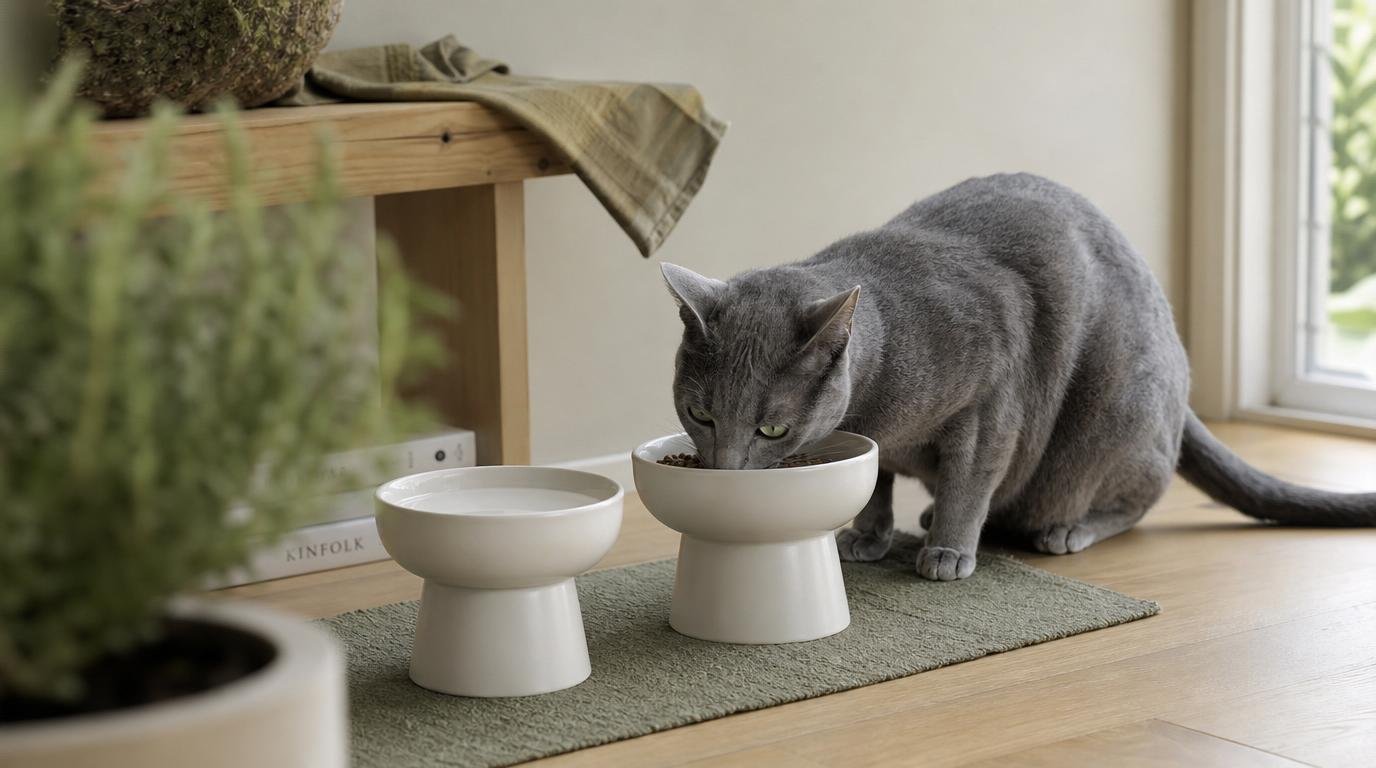
CATBest Cat Bowls for Safety and Comfort: Ultimate Australian Guide
The wrong bowl can trigger whisker stress and tummy upsets. We picked the safest, most comfortable cat bowls for everyday meals.

 CAT
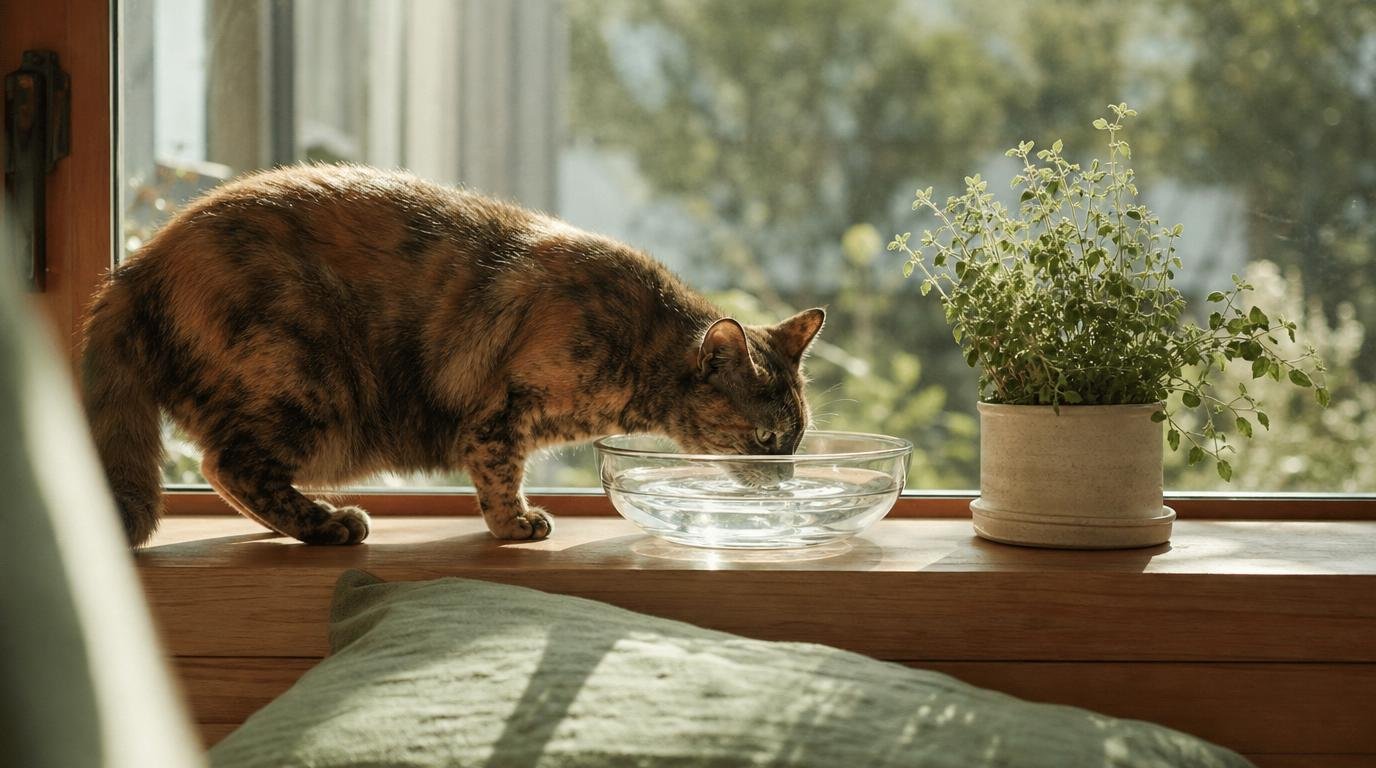
CATHow Much Water Should a Cat Drink per Day? Ultimate Guide
Cats are famously bad drinkers, and dehydration creeps up. Here's how much water your cat needs — and how to get them sipping.

 CAT
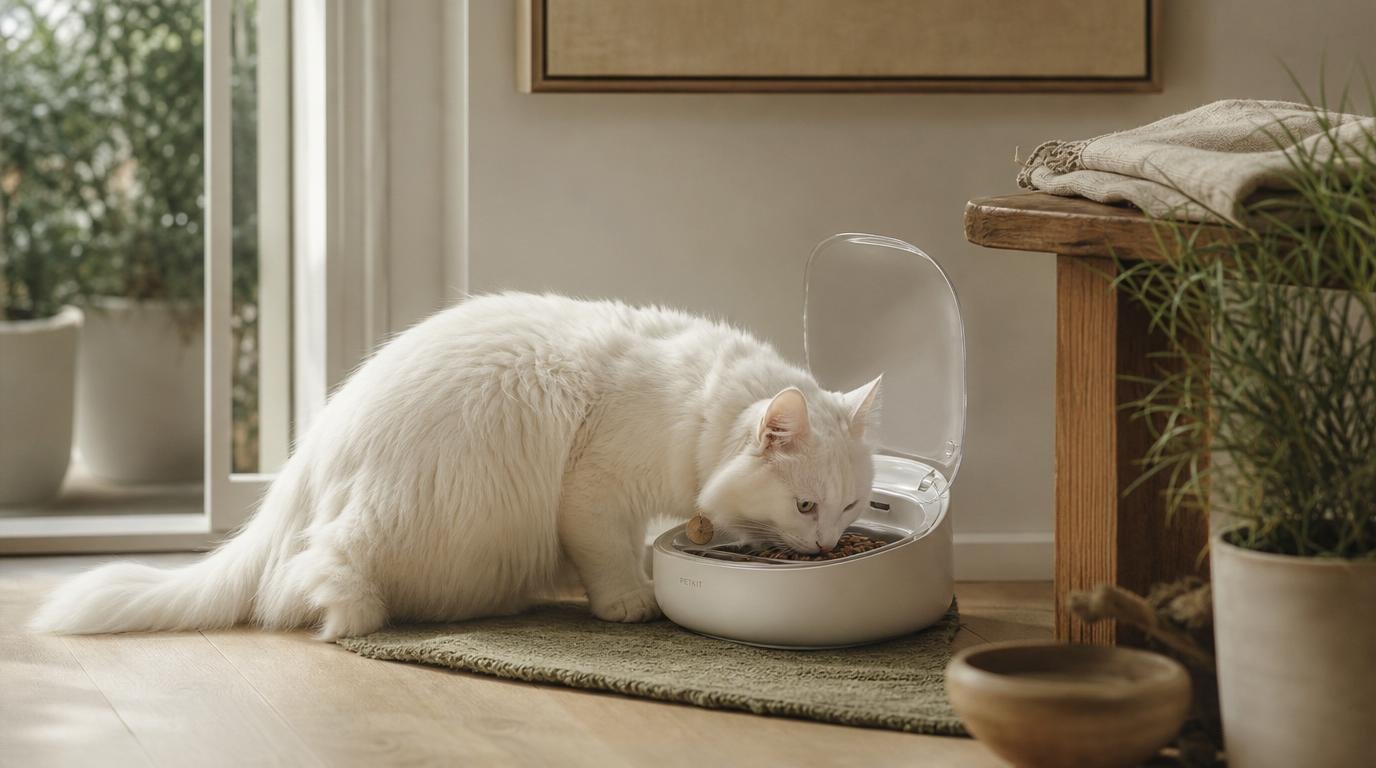
CATBest RFID / Microchip Cat Feeders: Ultimate Australian Guide
In a multi-cat home, the wrong cat raids the bowl. Microchip feeders open only for their owner — we found the most reliable.