Cats | Enrichment | Food
Best Cat Puzzle Feeders for Indoor Cat Enrichment — Ultimate 2026 Picks
I live in an apartment with a cheeky black cat named Pixel, and keeping her entertained indoors is a daily mission. One of the best upgrades I’ve made? Swapping boring bowls for cat puzzle feeders — clever little contraptions that turn meals or treats into mini challenges. They tap into your cat’s natural instincts to forage and problem-solve, which helps slow down fast eaters, reduce boredom, and boost mental stimulation (especially for indoor cats like Pixel). If your feline needs more enrichment or you’re just tired of the 3 AM zoomies, incessant sandpaper-tongue licking, or the classic scarf-and-spew, these feeders are seriously worth a look.
Best Overall

Nina Ottosson Buggin’ Out Puzzle & Play
- 16 hidden treat compartments
- No removable pieces, cat-safe
- Hand-wash only
Best Beginner Puzzle
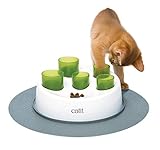
Catit Food Digger
- Simple to use and clean
- Slows down fast eaters
- Dry food only
Best Large Capacity

Catstages Kitty Lickin’ Layers Cat Fun Feeder
- Engaging triple-layer design
- Holds wet or dry food
- Many parts to clean
Best Slow Feeder

Catit Food Tree
- Effective slow feeder
- Stable, hard to tip over
- Dry kibble only

We compared a variety of popular puzzle toys to find which ones meet key criteria like safety (no sharp bits, non-toxic materials), durability, and overall cat appeal. The four winners below stood out for their sturdy build, engaging design, and suitability for Australia’s indoor cats — they’re all available locally with solid owner reviews.
Each pick aligns with expert guidance that using food puzzles can enrich a cat’s life by tapping into natural foraging instincts — RSPCA cat enrichment advice notes that you should use your cat’s food as a source of enrichment by using food toys and puzzle feeders, as these encourage cats to engage in important foraging and predatory behaviours which are mentally and physically stimulating.
What to look for in a cat puzzle feeder
The five details that matter most. Scroll across to read all five.
Match the difficulty
New cats need a gentle start — visible treats, simple paw-out designs. Once they crack the basics, ramp up to multi-layer feeders and sliding-cover puzzles that actually make them think for their dinner.
Safe materials
Look for non-toxic, food-safe plastics or composite wood-plastic that handles daily pawing without cracking. Avoid anything with small loose pieces a determined cat could chew off and accidentally swallow during a frustrated session.
Stay-put stability
Weighted bases and non-slip feet matter more than they sound — a tipping feeder turns dinner into a frustrating chase across the kitchen and quietly trains your cat to give up on the puzzle entirely.
Cleaning ease
Aussie humidity turns food residue into ant magnets fast. Pick a feeder that wipes down quickly or has parts that pop out for a rinse — the more steps to clean, the less often it actually happens.
Rotate for novelty
Cats lose interest in any single puzzle once they crack it. Owning two or three different feeders lets you rotate them weekly, keeping the foraging behaviour fresh and the enrichment value high over time.
At a glance
Our top four picks compared — specs, prices, and our one-line take on each.
| Rank | Product | Best for | Key feature | Approx. price | Check price |
|---|---|---|---|---|---|
| Best Overall |  | Cats of all skill levels exploring for treats | 16 hidden compartments, adjustable difficulty, no removable parts. | ~$40–50 AUD | Check price |
| Best Beginner Puzzle |  | Cat owners looking for an easy starter slow feeder | Five varied-length digging cups with a stable catch tray. | ~$30–40 AUD | Check price |
| Best Large Capacity |  | Food-motivated cats needing a complex challenge | Three spinning layers with 80+ compartments. | ~$33–$43 AUD | Check price |
| Best Slow Feeder |  | Cats that eat too fast and need portion control | Vertical tower with three adjustable difficulty settings. | ~$35–45 AUD | Check price |
Our picks in detail
What we love, what to watch out for, and who each pick really suits.
Best Overall: Petstages Nina Ottosson Buggin’ Out Puzzle & Play
Bottom line — the cleanest all-rounder, with a sturdy build, adjustable difficulty, and a safe one-piece design that handles both starter and intermediate cats without loose bits to worry about.
This flat-board puzzle from Petstages has become Pixel’s go-to brain game. With 16 treat wells hidden under swivelling leaves and sliding pegs, it keeps her busy and curious without frustration. The wood–plastic build feels sturdy and has a nice weight to it — no slipping on tile floors. Bonus: there are no loose bits that cats can yank out or choke on, and it’s BPA-free, which we really appreciate. We also love how easy it is to dial the difficulty up or down. When you start, you can leave some cups open. When your cat advances, you can arrange full leaf-and-peg mode, and watch them paw their way to dinner like a little puzzle master.
It holds about ¼ cup of kibble, so it’s great for slowing down meals too. It’s held up beautifully and wipes clean with a bit of soapy water — just don’t soak it, since it’s part wood. A bit bulky to store, but honestly, totally worth it.
| What we love | Areas for improvement |
|---|---|
|
|
Best Beginner Puzzle: Catit Food Digger
Bottom line — the right first puzzle for cats new to foraging — intuitive, affordable and easy to clean, with a gentle challenge that turns ordinary kibble into a slow-feed game.
The Catit Food Digger is a brilliant first step into the world of puzzle feeders. It’s built around five upright cups of different heights and widths, designed to encourage your cat to paw out pieces of kibble or treats. The challenge is gentle and intuitive, which is why it’s ideal for beginners — especially cats that haven’t used any kind of food puzzle before. The wide lip around the base helps catch stray bits, and the whole setup is made of smooth, food-safe plastic that’s easy to clean (the cups pop out for a quick rinse).
Because there are no moving parts or tricky mechanisms, there’s not much that can break or go wrong — a plus for both cats and owners just starting out. It’s best for dry food, as anything wet would just smear inside the tubes. And while it is quite lightweight, placing it on a grippy mat or up against a wall helps keep it steady. Overall, this feeder turns ordinary mealtime into something a bit more enriching, helping fast eaters slow down and making snack time more mentally stimulating. It’s simple, affordable, and thoughtfully designed for cats new to puzzle feeding.
| What we love | Areas for improvement |
|---|---|
|
|
Best Large Capacity: Catstages Kitty Lickin’ Layers Multilayered Cat Fun Feeder
Bottom line — the pick for food-motivated cats who need a meal-sized challenge — three rotating layers and 80-plus compartments stretch dinner into a sustained foraging session.
This triple-layered puzzle from Catstages is a standout for cats who need a serious food challenge. Each rotating disc has multiple compartments for hiding kibble or treats — in fact, there are over 80 spots across the layers. It’s built from thick, durable plastic and has rubber feet to keep it from sliding across the floor. The low-profile design means it won’t tip easily, even with a bit of enthusiastic pawing. It’s also compact enough to store easily, which is handy for small homes. What makes it shine is its versatility. The smooth plastic wells can hold dry or soft food — even lickable treats on warm days.
With a total capacity of around half a cup, it can easily replace a meal bowl while slowing down speedy eaters. It’s a great fit for high-energy or food-driven cats that benefit from a bit of mental work before every bite. Cleaning takes a few extra minutes (you’ll need to rinse each layer), but for pets that need more stimulation at mealtimes, this one delivers excellent bang for buck.
| What we love | Areas for improvement |
|---|---|
|
|
Best Slow Feeder: Catit Food Tree
Bottom line — the right call for fast-eating cats — a vertical tower that forces piece-by-piece foraging, with an adjustable difficulty disc and a tip-resistant weighted base.
The Catit Food Tree is a staple in the slow-feeder world — the 2.0 version has a few smart upgrades that fix some clever-cat loopholes from earlier models. It’s a vertical, tree-shaped tower with three internal levels where dry food tumbles down, and cats have to fish it out through side openings. The narrow top entry prevents paw-straight-down cheating, while the wide, weighted base keeps it stable even with enthusiastic eaters. It’s made entirely from plastic, but feels solid, and the whole unit dismantles easily for a weekly wash.
What makes it great is how effectively it slows down fast eaters. Instead of hoovering up a bowl in seconds, cats have to work for each piece, which can stretch dinner into a 10-minute game. It holds up to half a day’s dry food and has a sliding insert that lets you adjust the difficulty across three levels. It’s not designed for wet food, but for dry kibble it’s fuss-free — just rinse, dry, and reset. In humid Aussie weather, cleaning it more often is wise to keep bugs away. For food-motivated cats that eat too fast (and then regret it), this feeder is a practical and enriching fix.
| What we love | Areas for improvement |
|---|---|
|
|
FAQ
How do I introduce my cat to a puzzle feeder?
Can puzzle feeders help my cat lose weight?
Should I supervise my cat when they use a puzzle feeder?
Do I still need a regular food bowl?
Final thoughts
Indoor cats like Pixel thrive when given opportunities to “hunt” for their food, and puzzle feeders are an easy, fun way to provide that enrichment. The best choice will depend on your cat’s temperament — whether they need a simple starter or a mind-bending challenge — but all the products are safe, engaging, and beneficial for Aussie felines.
Remember to consider practical factors like cleaning (especially in our warm climate — nobody wants ants in the kitchen!), and keep an eye on your cat’s enthusiasm and waistline as you incorporate these feeders. In my experience, a good puzzle feeder turns meal time into play time, and a busy, stimulated cat is a happy cat. Here’s to many clever paws and whiskers at work!
We Think You’ll Also Like These Guides
 CAT
CATBest Cat Wand Toys in Australia: Ultimate Aussie Picks for 2026
Nothing unlocks the inner hunter like a good wand. We found the most durable, engaging wand toys to get your cat leaping again.

 CAT
CATHow Much Play Do Cats Need? Full 2026 Guide for Aussie Cat Owners
Too little play breeds boredom and mischief. Here's how much your cat really needs each day, and how to make it count.
 CAT
CATFrom Bored to Bouncing: How to Get Your Cat Playing Again
Lost their spark? Cats can fall out of the play habit. Here's how to coax a bored or older cat back into bouncing again.