Cats | Accessories | Food
Best Cat Bowls for Safety and Comfort: Ultimate 2026 Australian Guide
Hot Aussie summers are tough on cats, and even something as simple as a food or water bowl can make a bigger difference than you’d think. When it’s humid and nudging 30°C+, water evaporates faster, bacteria builds up quicker, and some cats simply don’t drink enough. Choosing among the best cat bowls isn’t about aesthetics; it’s about whisker comfort, safe non-toxic materials, stability on tiled floors, and how easy the bowl is to keep properly hygienic and clean in warm weather — especially if you’ve paired your feeding setup with an automatic cat feeder that runs the routine for you.
Best Overall

Necoichi Raised Cat Food Bowl
- Elevated tilt reduces neck strain
- Lead-free porcelain, durable
- Porcelain can chip or break
Best Budget Pack

AHX Ceramic Wide Shallow Cat Food Bowl 6-pack
- Shallow, whisker-friendly shape
- Bright geometric/boho patterns
- Smaller capacity, suits kittens
Best for Messy Eaters
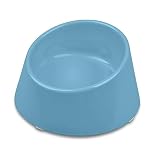
Van Ness Ecoware Raised, No Tip Cat Bowl
- Raised base improves posture
- Slip-resistant silicone base
- Smaller capacity (227 g)
Best Raised Water Bowl

Necoichi Raised Cat Water Bowl
- Raised pedestal eases drinking
- Internal markings track intake
- Only 1 cup capacity

We focused on safety (lead-free, non-toxic materials, stable no-skid bases), comfort (whisker clearance and heights that don’t force awkward neck angles), and durability (daily washing, tiled floors, and the occasional clumsy knock). The four picks below range from sturdy porcelain to eco-friendly bamboo composites, all readily available locally and suited to real Australian homes.
What to look for in a cat bowl
Five things worth weighing up before you click buy. Scroll across for the full set.
Whisker comfort
Cats have sensitive whiskers, and brushing them against a deep bowl can cause real stress at every meal. A wide, shallow design lets them eat without the contact — often the cheapest single upgrade you can make.
Eating height
Bowls that sit around chest level reduce neck strain — especially for senior cats, arthritic cats, and flat-faced breeds. A gentle 10–15 cm elevation is usually enough; too high and the cat has to brace awkwardly.
Material matters
Choose lead-free ceramic, porcelain, or stainless steel. Skip cheap plastics — they can scratch, harbour bacteria, and leach in Aussie heat. Lead-free glazes and a clear safety standard on the label aren’t optional.
Stability and cleaning
Tile floors and enthusiastic eaters don’t mix. Look for non-slip silicone bases or weighty designs that won’t shift. Dishwasher-safe is genuinely useful in Aussie summers when bacteria builds up fast.
Multiple water points
Animal Welfare Victoria recommends one water source per cat plus one extra. Multiple bowls in different spots reduce competition, encourage drinking, and matter even more during heatwaves when dehydration sneaks up.
At a glance
Our top four picks compared — specs, prices, and our one-line take on each.
| Rank | Product | Best for | Key feature | Approx. price | Check price link |
|---|---|---|---|---|---|
| Best Overall |  | Indoor adults and seniors with whisker fatigue | Wide porcelain bowl with ergonomic tilt and removable non-slip ring. | ~$40–50 | Check price |
| Best Budget Pack |  | Multi-cat homes and kitten feeding on a budget | Set of six food-safe ceramic shallow bowls with bright patterns. | ~$60–70 | Check price |
| Best for Messy Eaters |  | Eco-conscious owners and aggressive eaters | Bamboo-fibre composite with raised base and non-slip silicone bottom. | ~$23–33 | Check price |
| Best Raised Water Bowl |  | Cats with arthritis or flat faces, tracking intake | Porcelain elevated water bowl with internal mL markings. | ~$40–50 | Check price |
Our picks in detail
What we love, what to watch out for, and who each pick really suits.
Best Overall: Necoichi Raised Cat Food Bowl
Bottom line — the most ergonomically-thoughtful food bowl in the lineup, with lead-free porcelain and a wide whisker-friendly profile.
The Necoichi Raised Cat Food Bowl earns its Best Overall spot because it gets the fundamentals right: safe materials, proper height, and genuinely thoughtful design. It’s made from high-grade porcelain that meets strict US, EU, and Japanese safety standards, meaning it’s free from lead and cadmium — something we’re very particular about when food is involved. The bowl sits about 13.5 cm high, which brings food closer to mouth level and reduces the need for awkward neck bending.
The wide, shallow eating surface (around 15 cm across) gives cats plenty of whisker clearance, and the subtle inner lip helps keep food centred instead of pushed over the edge. The removable silicone ring underneath adds grip on tiled floors, which is a must in Australian homes. It holds roughly 470 mL (about 16 fluid ounces), which comfortably suits a single adult cat’s meal portion.
The porcelain is non-porous, so it doesn’t absorb odours, and it’s safe for both the dishwasher and microwave — practical for daily use, especially in humid conditions where hygiene matters. There are no ongoing costs beyond standard cleaning, though like all ceramic, it can chip if dropped on hard surfaces. The trade-off is the higher upfront price compared to basic plastic bowls, but the durability and ergonomic comfort make it a long-term option rather than a disposable one. For older cats, flat-faced breeds, or anyone wanting a bowl that genuinely supports posture and whisker comfort, this one stands out for the right reasons.
| What we love | Areas for improvement |
|---|---|
|
|
Best Budget Pack: AHX Ceramic Wide Shallow Cat Food Bowl 6-pack
Bottom line — the most economical option for multi-cat homes, with six shallow bowls covering rotation and spares.
If you’re feeding multiple cats — or just want enough bowls to rotate through the dishwasher — the AHX 5.5″ Wide Shallow Ceramic Cat Food Bowl (6-Pack) earns its Best Budget Pack title. Each bowl measures about 14 cm across and 3.3 cm high, with a wide, shallow design that protects whiskers and suits kittens and small to medium cats.
The ceramic is finished with a 100% food-safe, lead-free glaze, so safety isn’t compromised for price, and the smooth surface makes daily cleaning simple in humid Aussie kitchens. They’re lightweight and stackable, and while there’s no non-slip base, the broad footprint offers decent everyday stability — plus having six bowls on hand makes hygiene and rotation much easier in busy homes.
Each bowl holds around 241 g, making them ideal for kittens, small to medium cats, or portion-controlled meals. They’re stackable and easy to wash — no ongoing costs, no replacement parts, just standard cleaning (which matters in humid Aussie kitchens). The trade-off? They’re not elevated, so they don’t offer posture support, and there’s no non-slip base — an enthusiastic eater on slick tiles could shift them around. The ceramic is also thinner than premium porcelain, so a hard drop could mean a chip. But for households that need volume, value, and whisker-friendly design without overspending, this pack delivers solid practicality.
| What we love | Areas for improvement |
|---|---|
|
|
Best for Messy Eaters: Van Ness Ecoware Raised, No Tip Cat Bowl
Bottom line — the pick for cats who treat dinner as a contact sport, with heavy silicone base, raised posture, and no slide.
If you’ve got a cat who treats dinner like a contact sport, the Van Ness Ecoware Raised, No Tip, High Back Cat Bowl is built for that chaos. The raised 3.2 cm base supports a more natural eating posture, but the real strength for messy eaters is the high back wall and grippy silicone base. The curved rear edge helps keep food contained and moving forward instead of scattered across the floor, and the non-slip bottom holds firmly on tiles — even during enthusiastic shoving.
The wide footprint adds extra stability compared to lightweight plastic bowls, which makes a noticeable difference with pushy eaters. Made from a bamboo-based composite that’s BPA-free and free from heavy metals, it balances practical mess control with everyday feeding safety in humid Australian kitchens.
It’s lighter than ceramic, but the wide base and rubberised ring keep it steady during enthusiastic eating. The 227 g capacity suits small to medium cats for a standard serve, though larger cats will need a refill. There are no ongoing costs — no filters, no replacement parts — just regular washing. Care instructions lean toward handwashing, and like most composites, it’s not indestructible if dropped hard. But if your cat pushes, paws, or scatters food, this design noticeably reduces mess — and that alone can save your floors (and your sanity).
| What we love | Areas for improvement |
|---|---|
|
|
Best Raised Water Bowl: Necoichi Raised Cat Water Bowl
Bottom line — the most thoughtful water bowl design for arthritic cats and anyone monitoring daily intake.
This porcelain water bowl elevates drinking to a natural level (about 15 cm high), bringing the rim closer to mouth height so cats don’t have to hunch forward to sip. It’s especially helpful for cats with stiff joints or flat faces, making drinking more comfortable and less strained.
Inside, clear 100 mL, 200 mL, and 300 mL markers make it easy to keep an eye on daily water intake — which matters in Australian heat, where dehydration can creep up quickly. The smooth, non-porous porcelain resists odours and is free from harmful heavy metals, so hygiene and safety are covered. It also has a reassuring weight (around 0.4 kg), giving it stability on tiled floors while still looking clean and understated in any room.
With only a 1-cup capacity, this bowl needs a refill or two daily in summer. It’s essentially plug-and-play — no power or filters, so no ongoing costs beyond fresh water. The silicone ring usually stays put, although extreme knocks can shift it. It’s very easy to clean by hand or dishwasher. On the downside, if your cat has big furry paws or loves splashing, the lower sides may spill. Overall though, it scores high for quality and ease of use, providing safe, elevated hydration for thirsty pets.
| What we love | Areas for improvement |
|---|---|
|
|
FAQ
Why do cats need shallow, wide bowls?
Should I give my cats separate water and food bowls?
Are elevated bowls better for cats?
How often should I change my cat’s water?
Are plastic cat bowls safe?
Final thoughts
When it comes down to it, the right cat bowl isn’t about trends or aesthetics — it’s about making everyday feeding safer, cleaner, and more comfortable for your cat. In Australian homes where heat, tiles, and humidity are part of life, stability, easy cleaning, and safe materials matter far more than flashy designs. Whether you need something elevated for older joints, wide for whisker comfort, sturdy for messy eaters, or simply affordable for a multi-cat household, the best option is the one that fits your cat’s habits and your routine. Get that balance right, and mealtimes become calmer, hydration improves, and you spend less time cleaning up and more time enjoying your cat’s company.
We Think You’ll Also Like These Guides
 CAT
CATBest RFID / Microchip Cat Feeders: Ultimate Australian Guide
In a multi-cat home, the wrong cat raids the bowl. Microchip feeders open only for their owner — we found the most reliable.

 CAT
CATUltimate Guide to the Best Cat Water Fountains in Australia
Many cats won't drink enough from a bowl. A fountain tempts them to sip more — we found the quietest, easiest to clean.

 CAT
CATMy Cat Eats Too Fast Then Vomits: Ultimate Fixes That Don’t Involve Changing Food
Scarf, then bring it back up — sound familiar? Here's why cats do it, and the simple fixes that don't mean changing food.