Cats | Accessories
Best RFID / Microchip Cat Feeders: Ultimate Australian Guide for 2026
Nearly 1 in 3 Aussie cats are overweight or obese, and prescription diets are becoming more common — which means feeding time actually matters. Add summer humidity, ants, and one cat pinching another’s expensive vet food, and it can turn chaotic fast. Standard automatic cat feeders dispense food on a timer; they don’t care who eats it. Microchip/RFID feeders are different: they read your pet’s chip (or tag) and only open for the right animal, shutting out greedy siblings and opportunistic dogs (yes, Bruce, I’m looking at you). It’s smarter portion control, less food oxidising in the heat, and fewer kitchen standoffs — but not all of them are built the same.
Best Overall
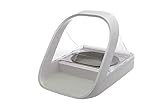
SureFeed Microchip Pet Feeder
- Reads microchips and RFID tags
- Includes single + split bowls
- Runs on batteries
Best Budget Pick

Advwin RFID Automatic Cat Feeder
- Cheap entry to selective feeding
- Four feeding modes
- Tag-only, no chip reading
Best App Scheduling

PETLIBRO One RFID Automatic Cat Feeder
- App control with feeding logs
- Large 3 L capacity
- Collar-tag only
Best Premium Smart

PawsPik Automatic Microchip RFID Pet Feeder
- ISO microchip plus RFID tag
- Closed/open mode plus auto-close
- Premium price; dry food only

We compared access control (implanted microchip vs RFID tag), safety and durability (pinch protection, stable build, food-contact materials), comfort and ease of use (collars, training modes, cleaning), plus Aussie practicalities like humidity, outages, and ongoing costs. Our framing leans on the kind of feeding principles vets discuss — consistent routines and appropriate portions — summarised well in the WSAVA nutrition guidelines.
What to look for in a microchip or RFID feeder
Five things worth weighing up before you click buy. Scroll across for the full set.
Access type
Microchip readers work with your cat’s existing implanted chip, which means no collar fuss. Tag-only systems need a snap-release collar your cat will tolerate long-term. Pick based on temperament.
Wet vs dry food
Wet food needs more frequent cleaning and is less forgiving in summer. Dry-food hoppers benefit from desiccant in humid coastal areas. Check the model is actually designed for the food your cat eats.
Safety features
Look for anti-pinch sensors (the door stops if a paw is in the way), a stable base that won’t tip, and dishwasher-safe food-contact parts. Wipe-only bases are workable but slow daily cleaning.
Ongoing costs
Batteries, replacement RFID tags, and humidity desiccant all add up. Calculate the real annual cost — not just the sticker. A $220 feeder with $80/year batteries is $1,500 over a cat’s lifetime.
Placement and Wi-Fi
Multiple RFID feeders must sit at least 25 cm apart or they’ll interfere with each other. App-controlled units need stable Wi-Fi where the feeder lives — test the signal before committing to placement.
At a glance
Our top four picks compared — specs, prices, and our one-line take on each.
| Rank | Product | Best for | Key feature | Approx. price | Check price link |
|---|---|---|---|---|---|
| Best Overall |  | Multi-pet homes managing separate diets | Reads microchip or RFID tag; sealed lid; 400 mL bowl. | ~$220–240 | Check price |
| Best Budget Pick |  | Budget-focused households happy with collars | RFID collar tag, 4 modes, dual USB or battery power. | ~$100–120 | Check price |
| Best App Scheduling |  | Indoor cats needing scheduled portions and app logs | Collar-tag access with Wi-Fi app scheduling and logs. | ~$240–260 | Check price |
| Best Premium Smart |  | Multi-pet households wanting capacity and microchip access | Microchip plus RFID tag, 16-cup hopper, app schedule. | ~$481–521 | Check price |
Our picks in detail
What we love, what to watch out for, and who each pick really suits.
Best Overall: SureFeed Microchip Pet Feeder
Bottom line — the fits-most-homes microchip feeder, with easy training, a sealed lid, and a 3-year warranty behind it.
The SureFeed Microchip Pet Feeder is the best “fits most homes” option because it can read implanted microchips and also comes with a collar tag as backup. For accessories like this, comfort and fit matter: microchip reading means many cats don’t need collars at all (big win if your cat does the dramatic “I can’t walk” routine). Safety and hygiene are handled sensibly too — the food is covered between meals and the bowl area seals with a neoprene lip, which helps retain moisture and keeps pest access lower in warm, humid conditions.
It’s also designed to be easy to live with: one-button programming, and a training mode where the lid closes in stages so timid cats can adjust. The included single bowl and split bowl let you match feeding style (one meal vs “this side wet, this side dry”), and it’s commonly used for diet separation — prescription food, weight management, or simply stopping a greedy sibling.
Ongoing costs are real: batteries aren’t included, and optional extras (extra tags, bowls, mats) can raise the total. Finally, if the lid ever acts up, expect to do the occasional clean-and-reset rather than a flawless forever experience.
| What we love | Areas for improvement |
|---|---|
|
|
Best Budget Pick: Advwin RFID Automatic Cat Feeder
Bottom line — the cheapest way into selective feeding, with the trade-off being tag-only access and no microchip reading.
The Advwin RFID Automatic Cat Feeder is a budget-friendly way to get selective feeding, as long as you accept the trade-offs of a tag-only system. It’s collar-sensor activated, supports up to three collar IDs, and offers a surprisingly detailed schedule setup: four feeding modes, up to nine feeding times, and adjustable door-open duration (useful if your cat eats slowly or takes breaks).
The enclosed design is aimed at freshness and cleanliness, and the anti-pinch feature is a safety plus for curious paws hovering near a closing door. The downsides mostly come from the “ecosystem” limitation: it doesn’t read implanted microchips and it doesn’t support tags from other brands, so you’re committed to its tags and to a collar your cat will tolerate.
In Aussie homes, the dual power setup is genuinely practical — USB for everyday use, and 4×AA batteries for portable use or outages — but batteries become a recurring cost if that’s your main mode. It’s suitable for wet and dry food, but in summer you’ll still want strict hygiene and short wet-food exposure times. Overall, I’d treat it as a budget punt rather than the “buy it once for a decade” option.
| What we love | Areas for improvement |
|---|---|
|
|
Best App Scheduling: PETLIBRO One RFID Automatic Cat Feeder
Bottom line — the pick when you want app schedules, feeding logs, and real-time data on every meal.
The PETLIBRO One RFID Automatic Cat Feeder is the “I want a plan and proof” pick. It uses an RFID collar tag for access (not an implanted microchip), then backs that up with app scheduling, feeding logs, real-time tracking, and dual-band Wi-Fi (2.4GHz and 5GHz). You can schedule up to 10 meals per day, which is useful for controlled portions, grazers, or households managing a medical diet.
From a comfort and ease-of-use perspective, the adjustable lid speed is a standout — it helps timid cats get used to movement without a sudden “clunk” that scares them off. It’s also built with Australian practicality in mind: it comes with an SAA-certified AU adapter and can use 3×D-cell batteries as backup power during outages.
Cleaning is mostly straightforward — the stainless bowl is dishwasher-safe — but the base must not get wet, so you’ll wipe rather than soak. Ongoing costs include replacing the desiccant bag (helpful in humidity) and buying extra RFID tags if more than one pet needs access. Be sure to keep multiple RFID or microchip feeders at least 25 cm apart to avoid interference, which matters in smaller kitchens where feeders are often lined up.
| What we love | Areas for improvement |
|---|---|
|
|
Best Premium Smart: PawsPik Automatic Microchip RFID Pet Feeder
Bottom line — the premium option for capacity, microchip access, and app scheduling — at twice the price of the rest.
The PawsPik Automatic Microchip RFID Pet Feeder is the premium, high-capacity, app-controlled option designed for dry-food routines and multi-pet families. It’s ISO 15-digit microchip compatible and also includes an RFID tag, which gives flexibility if one pet isn’t chipped or if you want tag access for another critter.
Capacity is a big draw here: 16 cups, plus portion control can run from small serves (as little as 1/8 cup) up to larger serves (1/2 cup), with scheduling up to 10 meals per day. The door closes automatically when the pet walks away, which supports diet separation and helps keep kibble protected.
Two practical realities: it’s the most expensive option here, and it’s not intended for wet food. In Australia that dry-only limitation can actually make hygiene easier in summer (less spoilage risk), but it won’t suit wet-food-only cats. A desiccant bag helps maintain kibble freshness; in humid coastal areas, desiccant tends to become a recurring consumable. It also lists mains power with a backup battery function, which is useful in outage-prone regions, but any batteries used for backup are ongoing costs too. This feeder scores strongly for secure access and a more refined mechanism than older designs, but at this price you’ll want to be confident the app features and capacity genuinely match your household needs.
| What we love | Areas for improvement |
|---|---|
|
|
FAQ
Will my cat’s microchip work with these feeders?
Do RFID collar tags bother cats?
Can I use wet food in a selective feeder in summer?
What if the door closes too quickly or scares my cat?
How long does a battery-powered feeder last on one set of batteries?
Final thoughts
At the end of the day, the “best” option is the one that actually solves your feeding drama. If you’re juggling different diets, managing weight, or protecting pricey prescription food, a selective feeder can remove the daily stress and give each cat exactly what they need. It’s not about flashy features — it’s about fairness, hygiene, and a calmer kitchen. Choose the model that fits your home, your budget, and your cat’s personality, and feeding time stops being a battleground… and starts feeling blissfully boring again.
We Think You’ll Also Like These Guides
 CAT
CATBest Cat Bowls for Safety and Comfort: Ultimate Australian Guide
The wrong bowl can trigger whisker stress and tummy upsets. We picked the safest, most comfortable cat bowls for everyday meals.

 CAT
CATUltimate Guide to the Best Cat Water Fountains in Australia
Many cats won't drink enough from a bowl. A fountain tempts them to sip more — we found the quietest, easiest to clean.

 CAT
CATHow Much Water Should a Cat Drink per Day? Ultimate Guide
Cats are famously bad drinkers, and dehydration creeps up. Here's how much water your cat needs — and how to get them sipping.