Dogs | Grooming
How to Groom a Labrador at Home: A Complete Australian Guide
Labradors are the easiest Aussie family dog to live with — until you realise the hair never stops. Their double coat works hard year-round, then sheds itself twice over in spring and autumn. Most owners get told they need a groomer; most don’t. With a brush you’ll actually use, somewhere to dry them off, and a quiet five minutes to check their ears, the whole routine fits into a Sunday afternoon. We’ll walk through how to build that routine, what tools earn their keep, and the bits that really do warrant a vet.
The Upshot
Labradors don’t need haircuts, but they do need a routine you’ll actually keep up with.
Their double coat sheds year-round and blows out heavily twice a year, so the work is mostly brushing, drying and checking ears — not clipping. Build a weekly rhythm with the right tools, and you’ll skip the salon while keeping the coat working the way it’s meant to.
Best for Thick Coats
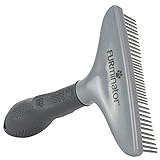
FURminator Grooming Rake for Dogs
- Glides through dense double coats
- Built for thick fur and undercoats
- Overuse can thin sensitive coats
See the full Product Guide: Best Dog Grooming Rakes in Australia
Best Dog Hair Dryer

Memows 2800W Dog Dryer
- Blasts out a heavy undercoat fast
- 50-70 dB keeps anxious dogs calmer
- Bulky — needs its own storage
See the full Product Guide: Best Dog Hair Dryers in Australia

A Labrador’s coat does most of the work itself — but only if you keep up your end. That’s a Lab in a nutshell: low-maintenance by design, never no-maintenance. Skip a week of brushing and the undercoat starts piling up. Skip a whole season and you’ll be vacuuming yellow drifts off the lounge for months. Stay on top of it, though, and the coat looks after itself — water-resistant, self-regulating, and a lot less work than most owners are told they’re in for.
The good news is that grooming a Labrador at home is a workable habit, not a project. They don’t need clipping, they don’t need expensive scissor work, and most of what they need is brushing in the right order with the right tools. We’ll cover the routine end to end — brushing, bathing, blow-drying when the coat is blowing, plus ears, nails and the bits that warrant a vet check. By the end, you’ll know what to buy once, what to do weekly, and what to leave alone.
Quick Takeaways
The five things worth remembering. Scroll across to read all five.
Brush often, bathe rarely
Lab coats stay healthier with weekly brushing and a bath every six to eight weeks. Over-bathing strips the natural oils that keep the double coat water-resistant and the skin from getting itchy.
Never shave the coat
Trimming the double coat short doesn’t cool a Labrador down. It removes the insulating layer that keeps heat out in summer, and the coat often grows back patchy and rougher than before.
The shed has seasons
Labs lose hair year-round, but spring and autumn bring two heavy blow-outs as the coat changes for the season. Plan daily brushing and a proper blow-dry during those windows.
Ears need a routine
Floppy ears trap moisture, and Labs are prone to ear infections — especially the chocolate ones, and especially the swimmers. Add an ear check to every brushing session and dry thoroughly after water.
Tools beat effort
A good undercoat rake and a quiet high-velocity dryer will halve your grooming time during shedding season. The right tools don’t replace the routine — they make it tolerable.
Why Labrador grooming is different
Labradors carry a short double coat — a soft, dense undercoat sitting beneath a coarse, oily outer layer of guard hairs. That outer layer is water-resistant by design (it’s why they shake dry instead of soaking through), and the undercoat traps a thin layer of air that does double duty as insulation. The coat keeps heat in during a Tasmanian winter and keeps it out during a Brisbane summer, but only if you let it work properly. That’s the whole rationale behind not clipping it. Compare that to a single-coated short-haired breed like a French Bulldog, where the grooming priority is skin folds and surface oils, not coat management — Labs sit at the opposite end of the spectrum and need their coat largely left alone.
The shedding cycle, simply
Like most double-coated breeds, Labs shed a low background amount every day and then blow their coat twice a year — once in spring, once in autumn. The trigger is daylight, not temperature, which is why even a Lab kept indoors at the same temperature year-round still goes through the same two heavy moults. During those windows the undercoat sheds in tufts and clumps. The rest of the year, the loose hair is finer and ends up on your couch one strand at a time. The RSPCA’s grooming guidance is worth a read: regular brushing removes dead hair and skin, redistributes the coat’s natural oils, and prevents the matting that builds up in neglected undercoats.
Key Insight
In a 2018 UK primary-care study of 2,074 Labradors, ear inflammation sat among the breed’s most-recorded disorders — 10.4% of the sample overall, rising to 23.4% in chocolate Labs. Grooming doesn’t cure it, but it spots it early.
The home grooming routine, week by week
Most weeks, the goal is short and sustainable: ten to fifteen minutes of brushing, a quick ear check, a paw-and-nail look-over, done. The point isn’t a salon finish — it’s keeping loose hair under control, oils moving through the coat, and any niggles caught before they turn into vet bills. The bath comes around every six to eight weeks, the proper blow-dry sits alongside it, and the seasonal blow-out gets its own ramp-up. Build the rhythm into a Sunday afternoon and a Lab is one of the lowest-maintenance dogs you’ll live with.
Brushing in the right order
Brushing a double coat in the wrong order is half the reason people give up on the routine. Start with the undercoat rake in long, slow strokes along the lay of the coat — neck, shoulders, back, flanks, then the tail and the trousers. The rake reaches through the guard hairs to lift the dead undercoat out without damaging the topcoat. Follow with a slicker brush to smooth the outer coat and pick up the last of the loose hair, then a quick pass with a bristle brush to even out the oils. A de-shedding glove is fine for daily quick passes, but it doesn’t replace the rake during a blow-out.
| Tool | Where it earns its keep |
|---|---|
| Undercoat rake | The single highest-impact tool — strips out the soft undercoat that drives most Lab shedding. |
| Slicker brush | Smooths the outer coat after raking and lifts the last of the loose hair. |
| High-velocity dryer | Blows water and detached undercoat out after a bath — much faster, drier and cleaner than towels. |
| De-shedding glove | Handy for daily quick passes and for kids who want to help. Not a substitute for the rake. |
| Bristle brush | A finishing pass that distributes the coat’s natural oils evenly along the topcoat. |
Bathing without overdoing it
Labs handle a bath better than most breeds — their oily outer coat repels water reasonably well, and they generally don’t object to the hose — but they don’t actually need them very often. Every six to eight weeks is the right cadence for a typical Aussie family Lab, with extra baths reserved for salt-water swims, sandy beach days, and the inevitable rolls in something unmentionable. Bathing more often than that strips the protective oils and tips the skin towards dry and flaky. Use a dog-specific shampoo (the pH on human shampoo is wrong for them), rinse twice as long as you think you need to, and don’t forget under the belly and behind the ears.
Drying the right way
Towels don’t dry a Lab. They mat the undercoat against the topcoat, trap moisture against the skin, and set the dog up for a wet-dog smell that lingers for days. A high-velocity dryer is what changes the routine — designed to push water and loose undercoat out of the coat at high airflow, rather than slowly evaporating it with heat. Start at low speed, work along the lay of the coat, and keep the nozzle moving so it doesn’t sit too long on one spot. The first time you use one on a Lab, you’ll see how much undercoat was hiding in there.
Ears, paws and nails
The grooming routine isn’t just brushing. The high-priority maintenance jobs on a Lab are the bits people skip — ears in particular. Labs’ floppy ear flaps cover the canal, restrict airflow, and trap moisture from swims and baths, which is the perfect setup for the yeast and bacteria that cause otitis externa. Add a quick ear check to every brushing session: pull the flap back, look inside, sniff for a yeasty or sour smell. If you swim with your dog, dry the inside of the flap with a soft cloth straight after — and read our step-by-step guide to cleaning a dog’s ears if you’ve never done it before.
Paws need a weekly look-over too, especially after walks through long grass — grass seeds love the fur between the toes and can work their way through the skin in days. Run a finger between each pad, check for cracks or burrs, and trim the long hair between the pads if it’s matting up. In summer, test the pavement with the back of your hand before a walk: if you can’t hold it there for five seconds, it’s too hot for paws.
Nails are the easiest job to leave too long. A Lab whose nails click on tiles is overdue. Whether you prefer a guillotine clipper or a rotary grinder is personal preference — grinders are quieter on most dogs and harder to take too much off with, clippers are faster once you’re confident. Either way, take small amounts and stop before you hit the quick (the pink inside black nails is harder to see — better to do a little, often). If a vet or groomer has done it before and your Lab tolerates it, you’ve got the option of having them keep on top of it.
Riding out the coat blow
Twice a year, usually in spring and autumn, a Lab’s coat goes into overdrive. The undercoat releases in tufts as the body resets for the season ahead, and a normally tidy dog turns into a low-grade hair factory for two or three weeks. There’s no shortcut through it. The volume is the point — the coat is doing its job. What you can do is make it manageable: brush daily instead of weekly, take the rake-and-slicker pass outside if you can, and run the high-velocity dryer after every bath through the blow-out window. Brushing outdoors is the difference between mowing up tufts in the garden and vacuuming them off the couch.
A coat blow isn’t a problem. It’s the coat doing exactly what it’s supposed to do — twice a year, with enthusiasm.
Expect to brush out a small bin’s worth of undercoat across each season. That’s normal, not a sign of nutrition trouble or a skin condition (unless the shedding is patchy, the skin underneath looks irritated, or the coat looks dull and thin rather than just thick on the floor). Once the worst of it passes — usually two to three weeks — you can drop back to the weekly routine.
When a professional groomer earns their fee
Most home owners don’t need to book a Labrador in with a groomer regularly, and groomers themselves will usually be honest about that. The breed doesn’t need scissoring, shaping or styling. Where a pro genuinely earns the fee is at the edges: a thorough deshed and high-velocity blow-out at the start of a heavy shedding season, nails for an older or arthritic dog who hates having paws handled, or a medicated bath when a vet has prescribed one for a skin issue. If you’ve inherited a Lab whose coat has been left to its own devices for years, a one-off pro session can reset things in a way that’s hard to do at home.
If you’re picking a groomer, ask whether they’re set up for double-coated breeds — specifically, whether they use a high-velocity dryer rather than a stand dryer or cage dryer. The right equipment matters more than the salon’s marketing. Avoid anyone who suggests shaving a Lab “for summer” or trimming the coat short to reduce shedding — that’s the single clearest signal they don’t understand double coats, and the recovery from a bad shave can take twelve months or more. A good Lab groomer charges less than most, because the work is mostly bath, blow-out and tidy — not creative grooming.
FAQ
How often should I brush a Labrador?
A solid weekly brush is the baseline for a Labrador — enough to keep loose hair moving and the natural oils distributed. During the two heavy shed windows in spring and autumn, step that up to daily for two to three weeks. Double coats reward consistency more than long sessions; ten minutes most days beats a marathon every fortnight.
Do Labradors need to be bathed often?
Not really. Every six to eight weeks is plenty for most Aussie family Labs, with the odd extra after a salt-water swim or a roll in something unmentionable. Bathing more often than that strips the oils that keep the coat water-resistant and the skin from getting itchy and flaky.
Should I ever shave a Labrador in summer?
No. The double coat keeps heat out, not in — the undercoat traps a thin layer of air that insulates against the sun. Shaving removes that buffer, exposes the skin to UV, and the coat often grows back patchy or wrong-textured. Keep them brushed, give them shade and water, and skip the clippers.
How can I tell if my Labrador has an ear infection?
Common signs are head-shaking, scratching at one ear, a yeasty or sour smell, dark waxy discharge, or visible redness inside the ear flap. Labs are predisposed to ear problems thanks to their floppy ears and their love of water — chocolate Labs especially. If any of those signs last more than a day or two, it’s a vet visit, not a home job.
What grooming tools do I need for a Labrador?
Start with an undercoat rake and a basic slicker brush — those two handle most routine work. Add a high-velocity dryer if you bath at home and want the undercoat blown out properly. A de-shedding glove is handy for the in-between days, and nail grinders or clippers cover the obvious. Quality tools last years; cheap ones get binned by the second blow-out.
Final thoughts
Living with a Labrador (or a Golden Retriever, in our case) is mostly about making peace with the hair. I’ve stopped trying to keep the floors completely fur-free during a blow-out — it’s a losing battle, and Bruce isn’t sorry about any of it. What I can do is keep the coat working: brushed weekly, dried properly after swims, ears checked, nails sensible. Most weeks that’s twenty minutes. During a blow-out it might be twenty minutes a day. Either way, it’s the difference between a coat that does its job and a coat you fight with.
If you’ve never groomed a double-coated breed before, the first time you switch on a high-velocity dryer is a small revelation — there’s so much more undercoat in there than you realised. Buy the tools once, build the rhythm, and your Lab will be one of the easiest dogs you’ll ever live with. Their coat is built to do most of the work. Your job is just to help it along.
We Think You’ll Also Like These Guides
 DOG
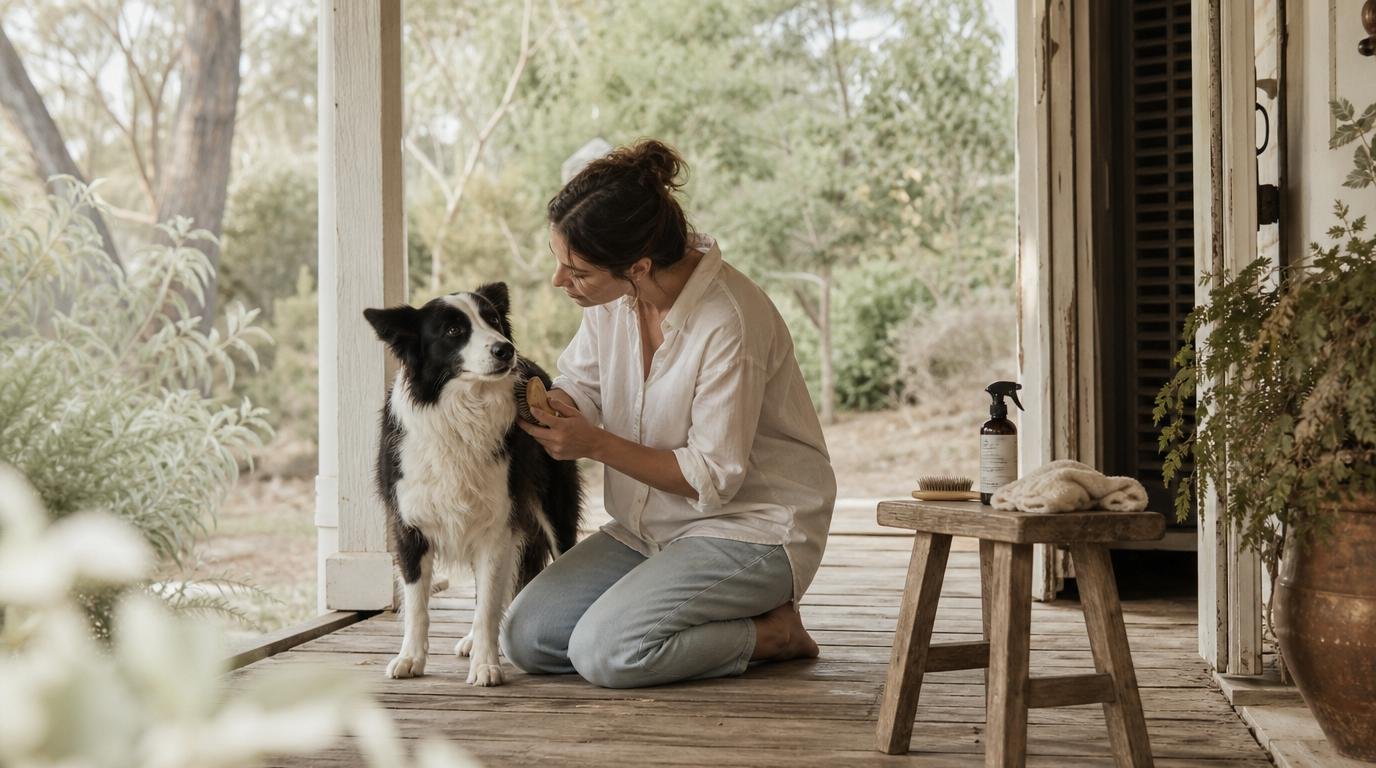
DOGHow to Groom a Border Collie at Home: Step-by-Step Guide
That double coat needs the right routine. Here's how to groom a Border Collie at home and keep the shedding under control.

 DOG
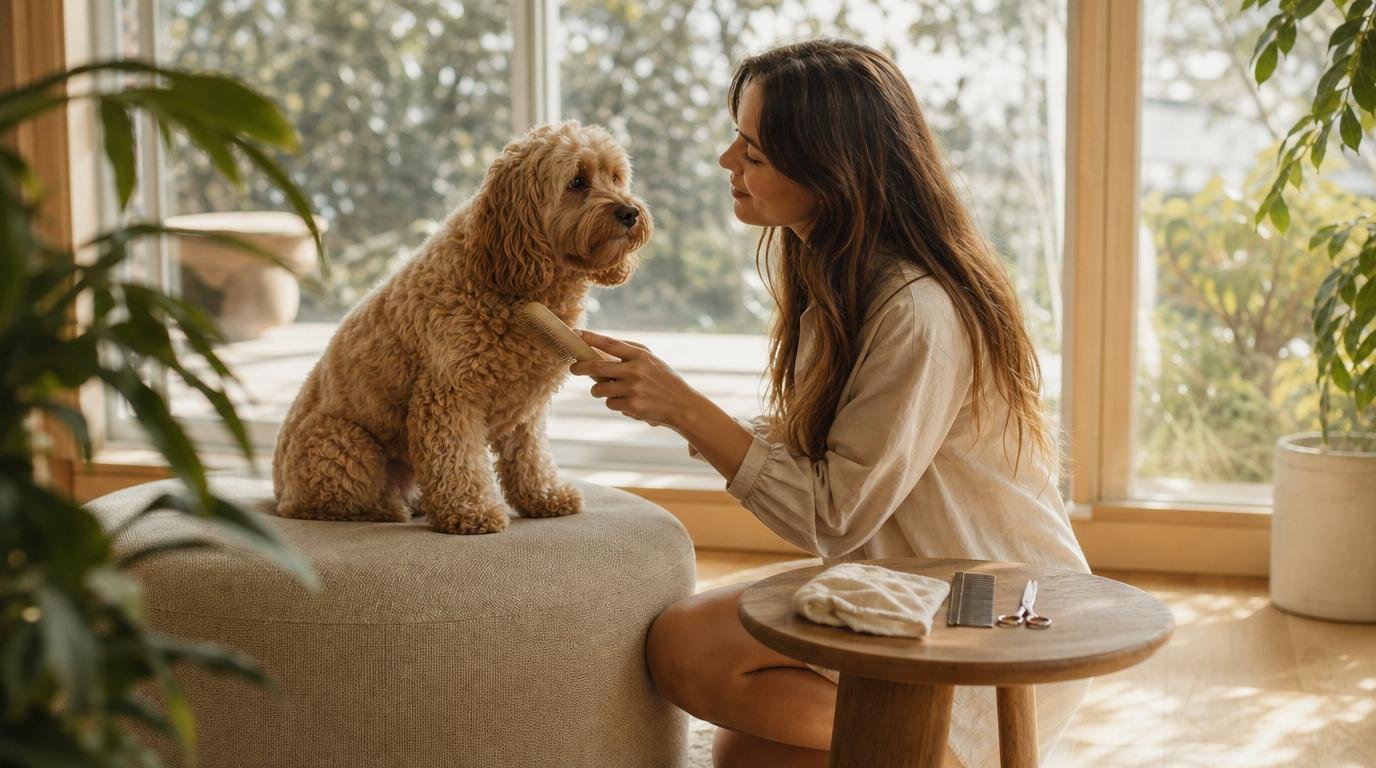
DOGHow to Groom a Cavoodle at Home: The Definitive Owners Guide
Cavoodle coats mat fast without regular care. Here's the step-by-step routine to keep yours soft, tidy and tangle-free at home.
 DOG
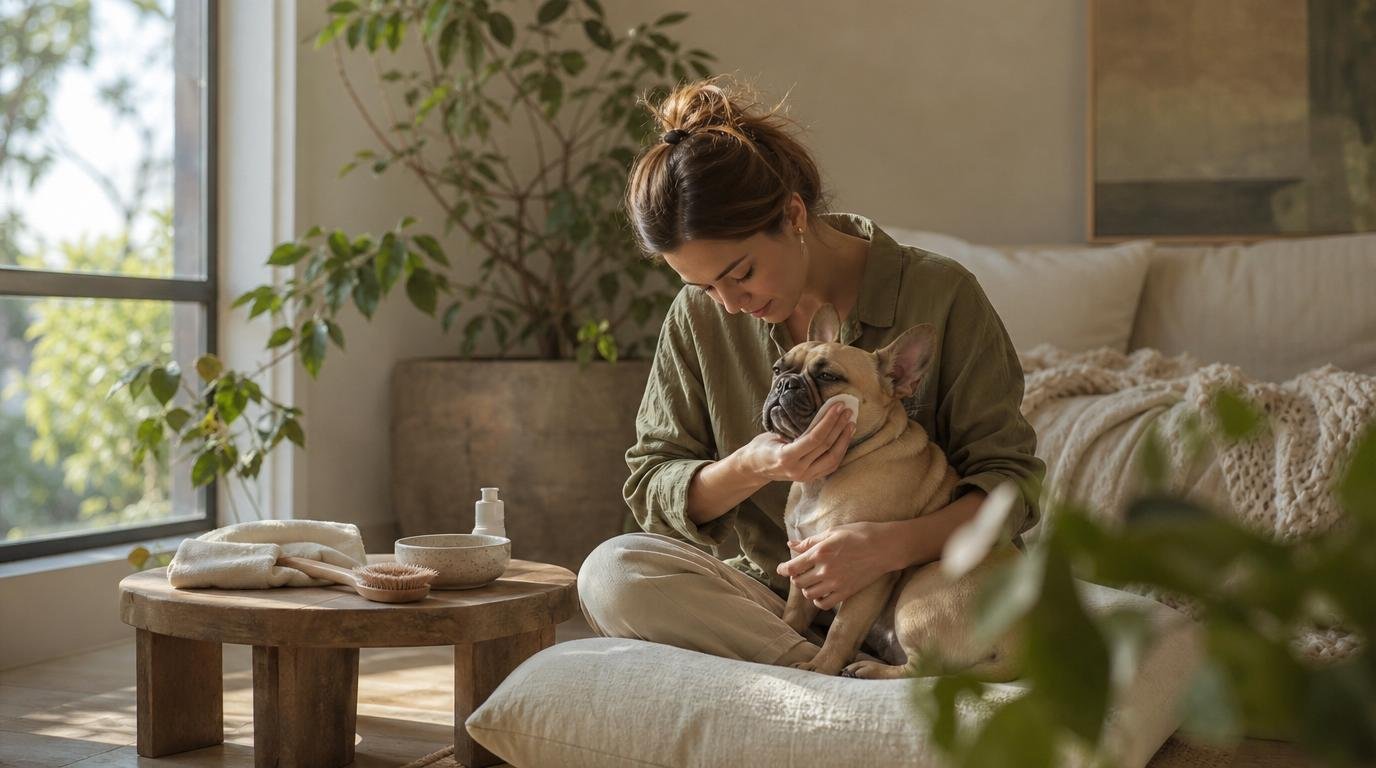
DOGHow to Groom a French Bulldog at Home: How-to Aussie Guide
Frenchies are low-coat but high-maintenance in the folds. Here's how to groom one at home — skin, wrinkles, ears and all.