Dogs | Grooming
How to Groom a French Bulldog at Home: 2026 Aussie How-to Guide
French Bulldogs might look low-maintenance, but here’s the reality: they’re one of the most skin-sensitive breeds in Australia, and our heat and humidity make that worse fast. Short coats don’t protect against sweat trapped in skin folds, blocked ears, or irritation from dust, sand, and hot pavements. Knowing how to groom a French bulldog at home isn’t about vanity — it’s about preventing infections, keeping them cool, and avoiding those “why is my dog itchy again?” vet visits. Frenchies sit in that tricky middle ground where a little neglect causes big problems.
The Upshot
Frenchie grooming is mostly skin maintenance — folds, ears, and nails — not coat care.
Their short coat hides the problems that actually matter. Damp wrinkles turn yeasty, ears trap moisture, nails strain joints — and Australian humidity speeds all of it up. Get the high-priority routines right (weekly fold checks, sensible bathing, regular nail trims) and the rest looks after itself.
Best Dog Nail Grinder

LuckyTail Electric Dog Nail Grinder
- Ultra-quiet, low-vibration design
- Two speeds + three nail ports
- Pricier than basic grinders
See the full Product Guide: Best Dog Nail Grinders in Australia
Best Skin-Issue Shampoo

DOUXO S3 PYO Shampoo
- Chlorhexidine antibacterial action
- Vet-style formulation
- Higher cost per wash
See the full Product Guide: Best Dog Shampoo in Australia

Grooming matters for French Bulldogs because little things go wrong fast with this breed. A slightly damp wrinkle can turn yeasty, a “we’ll clean the ears later” moment can become an infection, and Aussie heat doesn’t give you much grace.
This guide walks you through what actually needs doing, how often it’s worth bothering, and what it realistically costs to manage at home — without turning grooming into a full-time job. And if you like sanity-checking advice against a trusted source, the RSPCA grooming guidance is a good benchmark for what’s genuinely important.
Quick Takeaways
The five things worth remembering. Scroll across to read all five.
Short coat, big needs
Frenchies look low-maintenance, but their skin works harder than most. Heat, dust, and Australian humidity put real strain on it, so consistent grooming is what keeps them comfortable year-round.
Folds, ears, nails
Wrinkle care, ear checks, and nail trims matter far more than how often you brush. Most Frenchie problems start in these hidden areas, well before the coat ever looks messy.
Bathing pitfalls
Too many baths strip natural oils and leave sensitive skin itchy, inflamed, and prone to yeast. Every four to six weeks with a gentle dog shampoo works better than constant washing.
Seasons matter
Australian weather changes the rules through the year. Summer humidity raises the risk of skin and ear issues; winter dryness can cause flaking if routines aren’t adjusted to suit the season.
Costs add up
Home grooming saves real money compared to a regular groomer, but it isn’t free. Gentle shampoo, wipes, nail tools, and parasite prevention all add up over time.
What grooming actually means for a French Bulldog
French Bulldogs don’t need haircuts, but they absolutely need consistent, targeted grooming. With this breed, grooming is about skin health and day-to-day comfort, not coat styling or making them look fancy. Their short coat sheds lightly all year, their deep skin folds hold onto moisture, and their ears don’t get much airflow — which is a perfect setup for irritation if you’re not paying attention. Skip the basics and you’re often not far from yeast flare-ups, sore ears, or yet another vet visit.
Frenchies groom a little differently to double-coated breeds, and that catches a lot of owners out. They don’t have big seasonal coat blowouts, but they do shed more in warmer months as their skin works harder to regulate temperature. Regular brushing helps manage loose hair, but its real value is in giving you regular eyes and hands on your dog’s skin, which is where most Frenchie issues actually start.
As you brush or wipe them down, you’ll start to notice small changes — a bit of redness that wasn’t there last week, tiny bumps under the coat, scabs from scratching, flaky patches, or that slightly musty smell that signals yeast starting to flare. Catching these early usually means simple fixes at home or a quick vet chat, rather than full-blown infections.
Tools you actually need at home
You don’t need a professional grooming kit to look after a French Bulldog properly, but the basics really do matter. A soft-bristle brush or rubber grooming mitt is ideal for short coats and helps lift loose hair without irritating the skin. Skip anything stiff or scratchy — Frenchie skin is sensitive and marks easily, even if it doesn’t show straight away. Brushes aren’t a forever purchase either; rubber mitts especially need replacing once they harden or crack, which usually happens about once a year.
A gentle, dog-specific shampoo is another must-have. Frenchies are prone to itchy skin, so sensitive or hypoallergenic formulas are worth the small extra cost if your dog has ever had redness or flare-ups. Human shampoos strip natural oils and often leave skin dry and flaky, which only creates more problems later. Shampoo isn’t a frequent buy, but it is an ongoing one — how often you replace it depends on how messy your dog gets and how sensibly you space out baths.
Nail clippers or a grinder are non-negotiable, even if nail trims make everyone a bit tense. Long nails affect posture, put strain on joints, and can change how your Frenchie walks over time. A basic clipper is affordable and does the job, while grinders cost more but can feel gentler for nervous dogs if introduced slowly. Add cotton pads, a vet-approved ear cleaner, unscented wipes for wrinkles, and a few old towels you don’t mind sacrificing, and you’ve got everything you need to handle Frenchie grooming comfortably at home.
Brushing and bathing: how often is too often?
Brushing once a week is usually plenty for a French Bulldog and does more than just tidy up loose hair. It helps spread natural oils through the coat, keeps skin healthier, and gives you a regular chance to check for irritation or bumps. During warmer months or heavier shedding periods, a second brush each week can help keep things under control. The upside is that brushing is quick, low-stress, and something most Frenchies genuinely enjoy once it becomes routine.
Bathing is where many well-meaning owners accidentally cause problems. French Bulldogs don’t need weekly baths unless there’s a medical reason, and too much washing strips the skin’s natural oils. That often leads to dryness, itchiness, and flare-ups that look like allergies but are really grooming-related. For most Frenchies, bathing every four to six weeks works well, with spot cleaning in between to deal with muddy paws or a grubby chin.
When you do bathe your dog, lukewarm water and thorough rinsing are essential. Any shampoo left behind can irritate the skin and trigger itching or redness. Drying properly matters just as much as washing, especially around skin folds, the neck, and under collars. Leaving those areas even slightly damp in warm or humid weather is one of the fastest ways to encourage yeast to take hold.
| Item | Details |
|---|---|
| Brushing | Once weekly with a soft brush; twice weekly during shedding or warmer months. |
| Bathing | Every 4–6 weeks using gentle dog shampoo; avoid over-washing. |
| Drying | Always dry thoroughly, especially skin folds and neck area. |
Wrinkles, ears and eyes: the high-priority areas
Facial wrinkles are easily the highest-priority grooming task for French Bulldogs, and they’re also the one most likely to be underestimated. Dirt, saliva, food residue and moisture build up quickly in those folds, especially around the nose and mouth. Left alone, that damp environment becomes a perfect breeding ground for yeast and bacterial infections. Gently wipe between the folds several times a week using a damp cloth or unscented pet wipe, taking your time to get right into the creases. Just as important as cleaning is drying — always pat the area dry afterwards, because lingering moisture is what causes most problems.
Ears should be checked weekly, even if they look fine at a glance. Frenchies have relatively open ears, but that doesn’t stop wax, dust and moisture from building up, particularly after swims or humid days. Clean only what you can see using cotton pads and a vet-approved ear cleaner, and never push cotton buds down into the ear canal. If you notice redness, swelling, discharge, or a strong smell, stop cleaning and book a vet visit — ear issues escalate quickly and are far easier to treat early.
Eyes are another area worth keeping an eye on, especially after windy walks, beach trips, or dusty days. French Bulldogs often collect a bit of discharge in the inner corners, which is usually harmless if cleared regularly. A soft, damp cloth wiped gently outward from the eye is usually all that’s needed. However, ongoing discharge, squinting, redness, or signs of discomfort aren’t normal and should always be checked by a vet rather than brushed off as “just a Frenchie thing.”
Nail trimming and paw checks
Nails should be trimmed every two to four weeks for most French Bulldogs, and the easiest way to tell they’re overdue is the clicking sound on hard floors. Long nails don’t just look untidy — they change how your dog stands and walks, which can strain joints over time. Trim small amounts at a time to avoid hitting the quick, especially if the nails are dark. For anxious dogs, short, frequent trims work far better than trying to do everything in one stressful session.
Dewclaws are easy to forget, but they’re important. Because they don’t touch the ground, they don’t wear down naturally and can curl back into the skin if left too long. While you’re down there, take a moment to check paw pads for cracks, grass seeds, or small cuts, particularly after bush walks or trips to the park. In summer, hot pavements are a real risk for burns, so walking early in the morning or later in the evening makes a noticeable difference to paw health and overall comfort.
Seasonal grooming considerations in Australia
Summer grooming is all about heat management and skin care. Brushing a little more often helps remove loose hair and improves airflow over the skin, which matters more than people realise with brachy breeds. Wrinkles need extra attention in warm weather, because moisture builds up faster and yeast loves it. Try to avoid bathing in the middle of the day — wet skin can actually trap heat — and never shave your Frenchie. Their coat provides insulation and protection from sunburn, even if it looks minimal.
Winter grooming shifts toward managing dryness rather than moisture. Indoor heating and cooler air can dry out skin, so baths are often better spaced further apart. Brushing still plays an important role in keeping skin healthy and spotting issues early, even if shedding slows down. If you notice cracking on paw pads or a dry nose, a simple dog-safe moisturising balm can help keep skin comfortable through colder months.
Parasite control, however, isn’t seasonal in much of Australia. Fleas and ticks thrive in warm, humid environments and can hang around year-round depending on where you live. Staying consistent with prevention is far easier than dealing with an infestation once it takes hold.
The Animal Medicines Australia parasite guidance explains why ongoing protection matters for dogs, particularly in climates where parasites never really take a break.
At-home grooming vs professional grooming
Most French Bulldog grooming can — and really should — be done at home. Professional grooming usually isn’t necessary unless your dog has ongoing medical skin issues or you’re genuinely uncomfortable trimming nails. Doing it yourself builds familiarity, makes grooming less stressful over time, and gives you regular chances to spot small problems before they turn into bigger ones. Frenchies tend to cope better when grooming is part of normal life rather than a big, unfamiliar event.
The trade-off is time and consistency. Wrinkle care, ear checks, and nail trims only work if they’re done regularly, and skipping a few weeks can let issues build surprisingly fast. While grooming at home is far cheaper than regular groomer visits, it’s not completely free — ongoing costs like gentle shampoo, wipes, nail tools, parasite prevention, and replacements all add up. The upside is that you stay in control, both of your budget and your dog’s day-to-day comfort.
FAQ
How often should I groom my French Bulldog?
Most Frenchies do best with light grooming spread across the week rather than one big session. Brushing once a week, wrinkle checks several times a week, weekly ear checks, and nail trims every two to four weeks keep things under control without turning grooming into a chore.
Why does my French Bulldog smell even after a bath?
That musty smell is often yeast, not dirt. Moisture trapped in skin folds, ears, or under collars can cause odour quickly, especially in warm or humid weather. Bathing alone won’t fix it — proper drying and regular fold care are what make the difference.
Is it safe to shave a French Bulldog in summer?
No. Shaving removes their natural protection against sunburn and doesn’t help them cool down safely. Keeping them brushed, clean, dry, and out of the midday heat is far more effective than removing their coat.
What’s the biggest grooming mistake French Bulldog owners make?
Over-bathing and under-drying. Too many baths strip natural oils, and leaving folds or ears damp creates the perfect environment for skin and ear infections. Less washing and better drying usually leads to healthier skin.
When should I stop home grooming and see a vet instead?
If you notice persistent redness, swelling, discharge, strong odours, hair loss, or your dog seems uncomfortable or in pain, it’s time to involve a vet. Grooming supports skin health, but ongoing or worsening issues need medical treatment, not just better cleaning.
Final thoughts
French Bulldogs might look low-maintenance, but their care tells a different story. Consistent, sensible grooming keeps them comfortable, supports healthy skin, and reduces the chance of small issues turning into vet visits. Keep grooming sessions short, calm, and part of your regular routine, rather than something you only do when there’s a problem. You don’t need perfection — just consistency.
We Think You’ll Also Like These Guides
 DOG
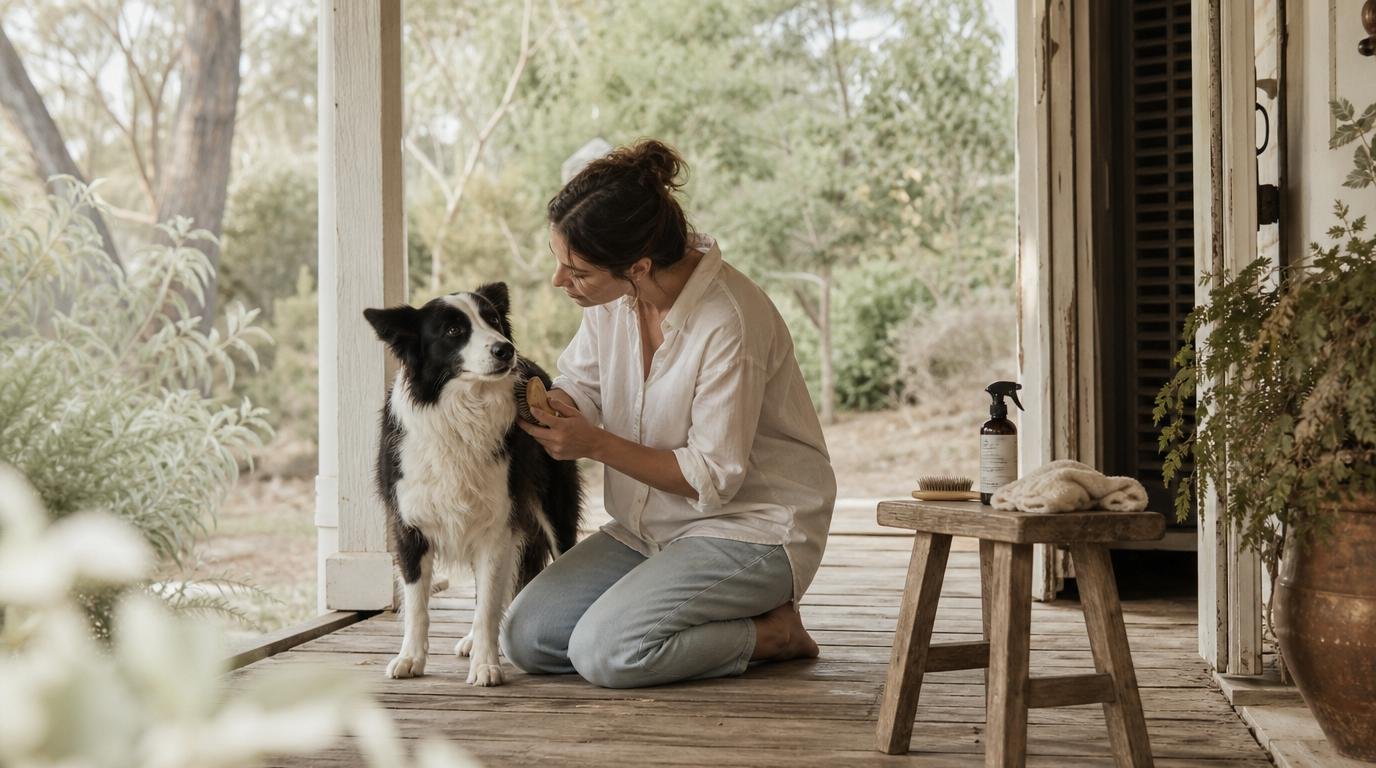
DOGHow to Groom a Border Collie at Home: Step-by-Step Guide
That double coat needs the right routine. Here's how to groom a Border Collie at home and keep the shedding under control.

 DOG
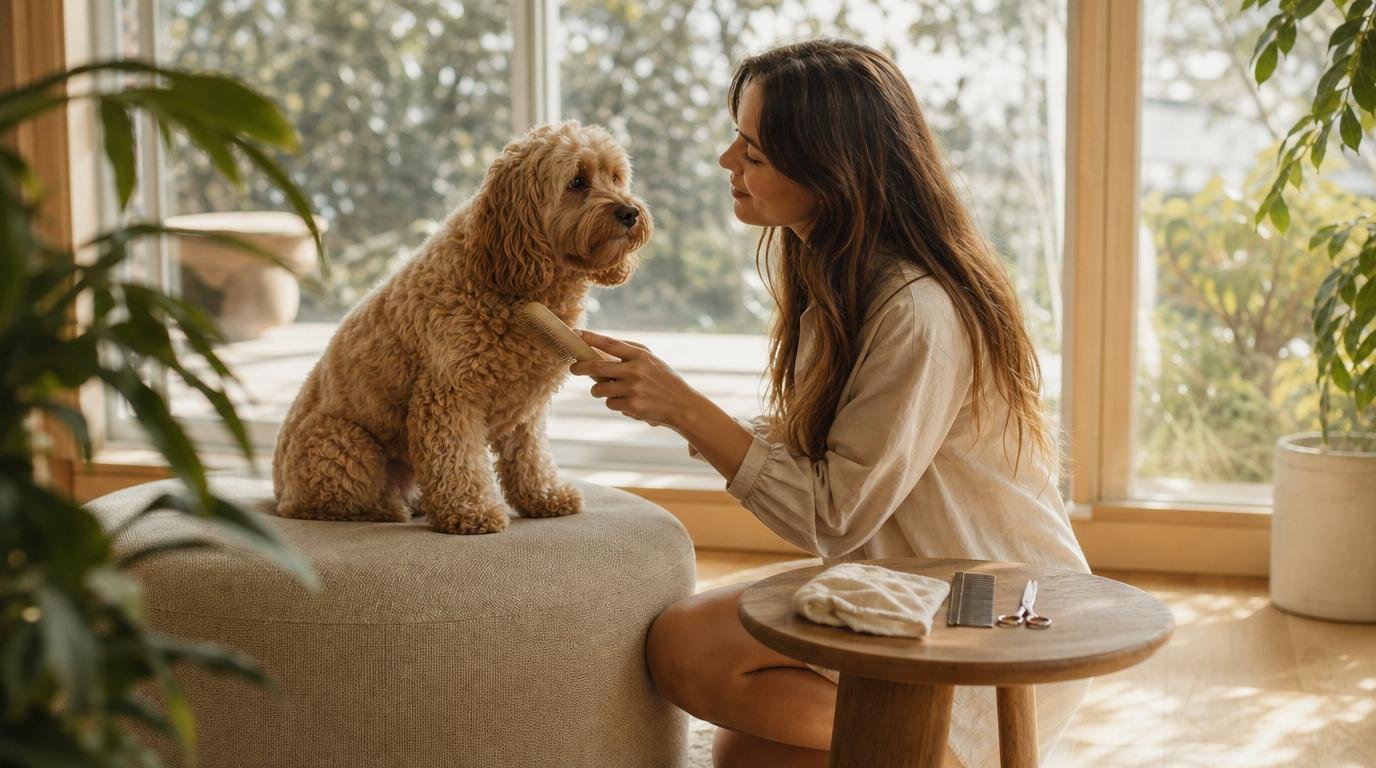
DOGHow to Groom a Cavoodle at Home: The Definitive Owners Guide
Cavoodle coats mat fast without regular care. Here's the step-by-step routine to keep yours soft, tidy and tangle-free at home.
 DOG
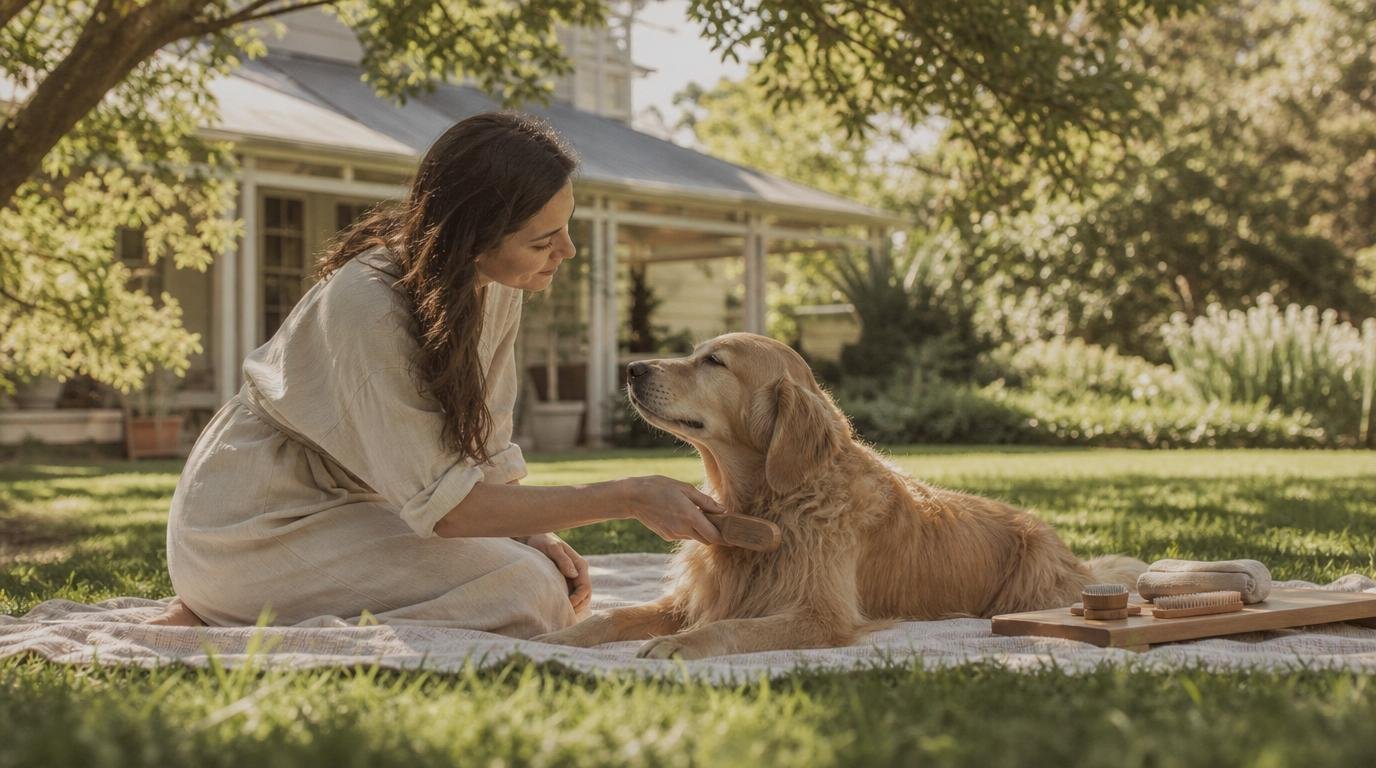
DOGHow to Groom a Golden Retriever at Home: The Definitive Owners Guide
All that golden fluff needs regular work. Here's the at-home routine to manage shedding and keep the coat healthy and gleaming.