Dogs | Grooming
How to Groom a Greyhound at Home: Simple Australian Guide for 2026
Greyhounds might seem low-maintenance, but don’t let that sleek coat fool you. Their skin’s thin, nails grow like weeds, and they’ve got a talent for finding the stinkiest thing to roll in. While you won’t need clippers or fancy shampoos, a bit of regular care goes a long way — a soft brush once or twice a week, nail checks, a quick scan for grass seeds or dry patches, and the occasional bath when they’re pongy. Skip it, and you’re asking for fleas, cracked pads, or a dog tapping around like it’s got a drum solo. Grooming your greyhound at home doesn’t take much, but it matters — and we’ll show you how to do it right without turning it into a full-blown weekend project.
The Upshot
Weekly brush, monthly nails, occasional bath — greyhounds need less grooming than most dogs, not none.
Their short coats are wash-and-wear, but the thin skin and fast-growing nails will catch you out if you ignore them. A soft brush, a nail check before the floor starts tapping, and a bath only when they’re properly dirty — done regularly, none of this takes long.
Best Dog Slicker Brush
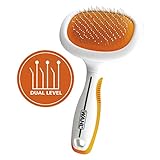
Wahl Premium Dual Level Sensitive Skin Pet Slicker
- Dual-level pins reach undercoat
- Coated tips kinder to skin
- Bulky head for tiny dogs
See the full Product Guide: Best Slicker Brush for Dog Grooming
Best Dog Shampoo

Arm & Hammer Super Deodorizing Shampoo
- Strong odour neutralisation
- Gentle, non-stripping formula
- Light scent fades fast
See the full Product Guide: Best Dog Shampoo in Australia

Grooming’s not just about keeping your greyhound looking flash — it’s about keeping them healthy and comfortable. A regular brush helps spread natural oils, gets rid of dead hair, and clears out those annoying extras like grass seeds, burrs, or the odd tick after a run through the bush. It also gives you a chance to spot things early: dry skin, sore spots, cracked paws — all the stuff that can sneak up if you’re not checking.
In the sections ahead, we’ll walk you through the essentials: brushing, bathing, nails, ears, teeth, skin checks, seasonal care, and the gear that actually works — backed up by experts like Greyhound Rescue Australia.
Quick Takeaways
The five things worth remembering. Scroll across to read all five.
Thin skin needs care
Greyhounds have short coats and shed lightly, but their thin skin is prone to irritation. A regular routine catches dry spots and grass seeds before they become a problem.
Brush weekly, not daily
Once or twice a week with a soft brush or grooming mitt removes loose hair, spreads natural oils, and gives you a chance to spot ticks, bumps, or flaky skin.
Bathe only when needed
Overbathing strips natural oils and dries the skin. Use lukewarm water and a gentle dog shampoo, rinse well, and dry them off properly — they get cold fast.
Stay on top of nails
Trim every two to three weeks, or sooner if you hear them clicking on hard floors. Check pads for cracks, and don’t forget the dewclaws — they curl into the skin if ignored.
Year-round protection
Use flea, tick and sun protection all year, especially in summer. Check coats after outdoor time and apply dog-safe sunscreen to thin-furred spots like the nose and ears.
Getting your greyhound used to grooming
Greyhounds are usually easy-going, but even the chillest hound can freak out if you come at them with clippers or a bath hose on day one. Ease them in. Let them sniff the tools and reward calm behaviour. Use treats, praise and short sessions — even just one paw or a few strokes with the brush. If you’ve just adopted a greyhound from a racing background, they might not have had much grooming, so go slow and make it a positive experience.
Over time, grooming becomes something your dog looks forward to — a bonding moment. My rescue Pepper used to hide when I got the brush out. Now she leans into it like it’s a massage. Start early and reward generously, especially in the beginning.
Brushing and coat care
Greyhounds don’t need daily brushing. Their fur is short and doesn’t mat. Still, brushing once or twice a week helps keep their coat shiny, removes loose hairs, and gives you a chance to check their skin. Use a rubber curry mitt, soft bristle brush or even a grooming glove. Avoid anything too stiff — their skin is thin and sensitive.
Brush gently in the direction of hair growth. Use the time to check for scabs, lumps, ticks, grass seeds or hot spots. After bush walks, pay close attention to the underarms, groin, and behind the ears. Burrs and seeds can easily get stuck in these spots. You’ll also want to watch for flaky skin or redness, which can be a sign of dryness, allergies or parasites.
Key Insight
Greyhound skin is thinner than most breeds — what counts as a minor scratch on another dog can break the surface on a grey. Slow, gentle technique matters more than tool choice.
Shedding is light, but more noticeable in spring and summer. Regular brushing reduces fur on your floor and furniture. Bonus: most greyhounds love the feel of a soft brush — it’s like a massage. Don’t forget to clean the brush after each session so it doesn’t spread dirt or hair around.
Bathing and skin health
Bathe your greyhound only when necessary — maybe once every couple of months or after a proper roll in something disgusting (you’ll know the smell). Overbathing can dry out their skin and strip natural oils. Use warm water and a gentle, dog-specific shampoo. Never use human shampoo — it messes with their skin’s pH balance.
To bathe them: wet their coat thoroughly, apply shampoo, and lather from neck to tail. Rinse very well to remove all soap — leftover residue can cause itching. Dry them with a towel or low-heat hairdryer. Greyhounds get cold fast, so don’t leave them damp for long, especially in cooler months — see our guide on how to dry them off properly.
Watch out for skin problems like hot spots (red, weepy areas), dandruff, or patches of hair loss. If you notice anything odd or your dog’s constantly scratching, check with your vet. In summer, pale greyhounds can get sunburnt — apply dog-safe sunscreen to thin or exposed areas if they’re outside for long. Preventing fleas is also crucial in warm weather.
Nail trimming and paw checks
Greyhound nails grow fast and don’t always wear down naturally, especially if your dog walks on soft surfaces. Long nails can cause pain or change their gait. Aim to trim them every two to three weeks. If you can hear their nails click on hard floors, it’s time for a trim.
Use a dog nail clipper or grinder. Trim a tiny bit at a time — just the tips — to avoid cutting the quick (the sensitive part inside the nail). If your dog has black nails and you can’t see the quick, err on the side of caution. If you’re unsure, get your vet or groomer to show you the first time. Dewclaws (those little inner toes) need trimming too — they can curl inward painfully if ignored.
While you’re down there, check the pads for cracks, thorns, or grass seeds. Australian terrain can be harsh. In hot weather, concrete can burn — if you wouldn’t walk barefoot, neither should your dog. After bushwalks or beach runs, rinse their paws and pat dry.
Teeth, ears and eyes
Dental hygiene is one of the most overlooked parts of grooming. Greyhounds are prone to tartar buildup and gum disease, especially as they age. Ideally, brush their teeth two to three times a week with dog-safe toothpaste (never human toothpaste — it’s toxic to dogs). Use a finger brush or soft dog toothbrush.
If brushing isn’t happening, dental chews or water additives can help — but they’re not a complete solution. Ask your vet to check their teeth at every visit. Bad breath, bleeding gums or excessive drooling can all point to dental issues.
Wipe around the eyes gently with a damp cloth if there’s any discharge. For ears, use a dog-safe ear cleaner and a cotton ball — never insert anything deep. If you notice redness, swelling, or a bad smell, get it checked. Greyhounds don’t usually get ear infections like floppy-eared breeds, but it still happens.
Seasonal and climate tips
Australia’s climate can be brutal — grooming routines need to shift with the seasons. Here’s how to keep your greyhound comfy in all conditions:
| Climate & what to watch for | What to do |
|---|---|
| Hot/Humid (QLD, NT) Fleas, ticks, heatstroke, sunburn |
Use year-round flea/tick prevention. Walk early or late. Provide shade and fresh water. Apply dog sunscreen if needed. |
| Cold/Wet (TAS, VIC) Chills, joint stiffness, wet fur |
Dry your dog well after walks. Use a jumper for cold days. Keep bedding warm and dry. |
| Coastal Sand irritation, salt buildup |
Rinse your dog after beach trips. Check eyes and ears for sand. |
| Bush & Rural Grass seeds, ticks, burrs |
Inspect coat after walks. Use tick preventatives. Brush regularly and trim fur around paws and belly if needed. |
Essential grooming tools
You don’t need a full salon setup. Here’s what we recommend keeping in the shed for your grey:
- Soft bristle brush or rubber mitt — gentle on skin
- Nail clippers or grinder
- Dog shampoo — hypoallergenic and scent-free is best
- Ear cleaner and cotton balls
- Dog toothbrush and toothpaste
- Towels — at least two for bath days
- Flea comb and general grooming comb
- Paw balm or coconut oil for dry pads
- Styptic powder (just in case you nick a nail)
Most of this stuff lasts ages and won’t break the bank. You’re looking at about $150 for everything upfront, and then just a few bucks now and then to top up shampoo or toothpaste.
DIY vs professional grooming
Doing it yourself saves cash and builds trust between you and your dog. Greyhounds are one of the easiest breeds to groom at home. No trimming, no de-shedding tools, no heavy lifting. A weekly brush, monthly nail trim, and occasional bath is all they need.
That said, not everyone has the time, patience, or steady hands for nail clipping. A professional groomer or vet nurse can handle nails, baths, and check-ups. A full session usually costs between $60–$120 depending on where you live. You could always split the difference: do brushing and baths at home, and book a pro every few months for nails and ears.
FAQ
How often should I groom my greyhound?
Once or twice a week with a soft brush is plenty to keep the coat healthy and catch any skin or tick issues. Bathe them when they’re dirty — not just because it’s Sunday. For most greys, that’s every couple of months. Check nails every two to three weeks (or when you hear them tapping on tiles), and give their ears, teeth, and eyes a quick once-over weekly while you’re at it. Doesn’t take long, and it saves headaches down the track.
Can I use human shampoo or soap on my greyhound?
No way. Human products strip the natural oils from their skin and throw off the pH balance, which can lead to itchiness or worse. Always use a dog-safe shampoo — ideally a mild, fragrance-free one. It’s not just marketing fluff; greyhounds have thinner skin than most breeds, so what’s fine for you isn’t fine for them.
What if I cut the nail too short?
Happens to the best of us. If you hit the quick, your dog might yelp and you’ll feel like a monster, but stay calm. Dab on some styptic powder or cornstarch to stop the bleeding — and give them a big treat and a cuddle. Next time, trim just the very tip, or have your vet show you the ropes if you’re unsure. Don’t let one slip-up scare you off for good.
Do greyhounds get dandruff or dry skin?
Yep — especially if they’re overwashed, living in low humidity, or not getting enough good fats in their diet. Regular brushing helps stimulate the skin, and you can chat to your vet about adding omega-3s or switching food if it’s an ongoing thing. If it gets flaky, red or your dog’s itching like mad, it might be allergies — time for a vet check.
Do I need to trim my greyhound’s fur?
Not at all. That sleek greyhound coat is wash-and-wear. No clipping or trimming needed — just give it a brush once or twice a week, and wipe them down if they’ve had a roll in something foul. Save the clippers for the sheepdogs.
Final thoughts
Grooming your greyhound at home is dead simple, doesn’t cost much, and saves you a heap of trouble down the line. You don’t need fancy gear or a booking at the local dog spa — just a brush, a bit of know-how, and a spare few minutes each week. It’s not about perfection, it’s about keeping your dog comfortable, healthy, and free from stuff that creeps in unnoticed if you’re not looking. Keep it calm, keep it regular, and it becomes less of a job and more of a habit — one that’ll have your grey looking sharp and feeling even better.
We Think You’ll Also Like These Guides
 DOG
DOGHow to Groom a Border Collie at Home: Step-by-Step Guide
That double coat needs the right routine. Here's how to groom a Border Collie at home and keep the shedding under control.

 DOG
DOGHow to Groom a Cavoodle at Home: The Definitive Owners Guide
Cavoodle coats mat fast without regular care. Here's the step-by-step routine to keep yours soft, tidy and tangle-free at home.
 DOG
DOGHow to Groom a French Bulldog at Home: How-to Aussie Guide
Frenchies are low-coat but high-maintenance in the folds. Here's how to groom one at home — skin, wrinkles, ears and all.