Dogs | Accessories | Grooming
Aussie Guide to the Best Slicker Brush for Dog Grooming in 2026
A slicker brush is designed with fine, short wire pins set close together, and its job is simple: lift loose hair, tease out small tangles, and reach into the coat without ripping at the skin. It’s especially useful for dogs with medium to long coats, double coats, or coats that mat easily — think Golden Retrievers, Border Collies, Cavoodles, and basically any dog that comes home full of sand, burrs, or mystery debris after a bush walk, and should be used alongside other crucial dog grooming tools like nail grinders and dog grooming clippers. In Australia, where shedding ramps up with seasonal changes and humidity can turn loose fluff into knots overnight, a good slicker brush is less of a “nice to have” and more of a household survival tool. The best slicker brush should detangle without yanking, lift undercoat without scraping, and feel comfortable enough that you’ll actually use it regularly.
Best Overall
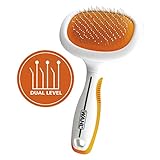
Wahl Premium Dual Level Sensitive Skin Pet Slicker
- Dual-level pins for full coat depth
- Large head speeds up brushing
- Some pin durability concerns
Best Australian Made

Style It Dog Grooming Slicker Brush
- Fine pins for daily de-shedding
- Soft-touch handle
- Firm pins on fine coats
Best for Double Coats

Miracle Care Slicker Dog Brush
- Dense pins lift thick undercoats
- Ergonomic rubber handle
- No ball-tipped pins
Best for Curly Coats

Warren London FurBreeze Pro Max Slicker Brush
- Large head covers curly coats fast
- Long bent pins reach coat depth
- Not for short or smooth coats

All four picks above are slicker brushes, but they’re not interchangeable — coat type, head size, and how often you’ll groom all change which one’s right for your dog. Below: the five details that matter most when choosing, then a head-to-head comparison and our full notes on each pick.
What to look for in a slicker brush
Five details that change how well a slicker fits your dog and your grooming routine. Scroll across to read all five.
Coat type
Double coats and thick undercoats suit larger heads with firm pins. Sensitive or fine coats do better with coated tips or ball pins. Match the brush to the coat, not the other way around.
Head size
An oversized head misses tight zones and annoys small dogs. A tiny head turns big-dog grooming into a slow afternoon. Match the brush face to your dog’s body size before anything else.
Pin quality
Look for stainless pins seated firmly in the pad — loose pins are the first thing to fail. Bent or rubber-tipped pins reach deeper without scratching the skin underneath.
Grip & weight
A non-slip handle matters more on weeks when your hands are tired. Heavier brushes can feel more stable; lighter ones reduce wrist fatigue. Favour what you’ll actually pick up regularly.
Cleanup
Self-cleaning heads save real time on heavy-shed days. Without one, plan to pull hair from the pins after each session. Always store brushes dry — humid bathrooms quietly rust the pins.
At a glance
Our top four picks compared — specs, prices, and our one-line take on each.
| Rank | Product | Best for | Key feature | Approx. price | Check price link |
|---|---|---|---|---|---|
| Best Overall |  | Most coat types, especially sensitive-skin dogs | Dual-level coated pins lift topcoat and undercoat in fewer passes. | ~$28–$35 AUD | Check price |
| Best Australian Made |  | Daily de-shedding on medium-to-long coats | Australian-made, lightweight slicker for routine grooming. | ~$15–$25 AUD | Check price |
| Best for Double Coats |  | Thick, double-coated breeds and heavy shedders | Big oval head and dense pins for deep undercoat work. | ~$28–$38 AUD | Check price |
| Best for Curly Coats |  | Curly, wavy, and thick coats (Cavoodles, Groodles, Labradoodles) | Pro-grade 4×3 inch head with long bent pins for dense coats. | ~$50–$60 AUD | Check price |
Our picks in detail
What we love, what to watch out for, and who each pick really suits.
Best Overall: Wahl Premium Dual Level Sensitive Skin Pet Slicker
Bottom line — the strongest all-round pick for medium-to-large dogs, with dual pin levels that handle topcoat and undercoat in fewer passes and a gentler feel for sensitive skin.
Wahl Premium Dual Level Sensitive Skin Pet Slicker earns Best overall because it’s built to do the job thoroughly while staying kinder to skin. The dual-level pin setup is the key difference: you’re not just skimming the surface; you’re catching loose topcoat hair and reaching deeper for undercoat in fewer passes. For a lot of Australian households, that matters because shedding can spike with seasonal changes, indoor heating/cooling, and that classic “it’s warm again” coat blowout. The coated tips help reduce scratchiness, which is a big deal if your dog gets fidgety the moment a brush feels sharp.
The large head is a time-saver on medium and big dogs, and the ergonomic rubber handle makes it easier to keep a steady, gentle pressure — especially if you’re grooming regularly rather than once the coat is already a mess. The trade-off is agility: on tiny dogs, or in tight zones like armpits and behind ears, the head can feel a bit bulky.
Another practical note: this brush doesn’t have self-cleaning, so you’re still doing the hair pull-out by hand. To ensure greater longevity, treat it like a tool: don’t chuck it in a drawer bristle-down, and keep it clean and dry.
| What we love | Areas for improvement |
|---|---|
|
|
Best Australian Made: Style It Dog Grooming Slicker Brush
Bottom line — a lightweight, no-fuss Australian-made brush for daily de-shedding and light detangling on medium-to-long coats — reliable rather than fancy.
Style It Dog Grooming Slicker Brush is the straightforward, no-fuss option that fits most Aussie homes: it’s light in the hand, has fine stainless steel pins, and it’s designed for medium to long coats where tangles and loose fluff are a weekly reality. The big win here is control. Because it’s only 0.1 kg and the handle has that soft-touch feel, you can use shorter, careful strokes around sensitive spots (behind ears, under collars) instead of doing that panicked “rip through it” thing nobody is proud of. For basic de-shedding and detangling, it ticks the safety and comfort boxes as long as you don’t press like you’re scrubbing a BBQ plate.
Maintenance is simple: there’s no mechanism to break, but you do have to pull hair out manually. In humid weather (hello, Brisbane), mats can form faster, so regular quick brush sessions matter more than marathon grooming once the knots are already tight.
This brush is best when you use it little and often, especially on medium/long coats that pick up burrs, sand, or grass seeds. It’s also a sensible choice if you’re building a basic grooming kit and don’t want to pay extra for features you won’t use. This all lines up with it being a “reliable daily driver” style brush.
| What we love | Areas for improvement |
|---|---|
|
|
Best for Double Coats: Miracle Care Slicker Dog Brush
Bottom line — the pick for double-coated breeds where packed undercoat is the daily reality, with a big oval head and dense pins doing the heavy lifting.
Miracle Care Slicker Dog Brush is the one I’d point to if your life includes a thick undercoat and the kind of shedding that makes you wonder if your dog is secretly two dogs. The oval head and fine wire pins are built for undercoat work, and the cushioned pad helps reduce that harsh “spiky rake” feeling some slickers can have. For double-coated breeds, you want a brush that can reach into the fluff without scraping the skin — and this one is designed with that in mind. It’s also quite large (21.6 cm long), so it’s better suited to medium-large bodies than tiny toy breeds.
Where it shines is routine maintenance: quick sessions several times a week can keep the coat breathable in warm weather and reduce matting from humidity. Because the pins aren’t ball-tipped, it’s important to use a light touch and follow the direction of hair growth — especially around bony areas like shoulders and hips.
The rubber handle is practical, too, particularly if your hands get tired or you’re brushing a wriggly dog. Cleanup is manual, and with double-coat dogs you’ll be doing that a lot — but the payoff is fewer fur drifts under the couch.
| What we love | Areas for improvement |
|---|---|
|
|
Best for Curly Coats: Warren London FurBreeze Pro Max Slicker Brush
Bottom line — the professional-grade choice for Cavoodles, Groodles, and other dense, curly coats, with long bent pins that reach the full coat depth without digging at skin.
Warren London FurBreeze Pro Max Slicker Brush is the one built specifically for dogs that make other slicker brushes tap out — thick undercoats, dense waves, tight curls. Cavoodles, Groodles, Labradoodles, Poodles: if your dog’s coat is the kind that mats quietly behind the ears while you’re not looking, this is the brush designed for it. The 4″×3″ head is larger than most domestic slickers, which means fewer passes to cover a big fluffy coat, and the ~25mm bent pins are designed to reach the full depth of the coat without scraping the skin.
Warren London is a professional grooming brand, which shows in the construction: the extended handle puts less strain on your wrist during longer sessions, and the flexible cushion pad takes the harsh edge off the pin contact.
The trade-off is scale: a 4″×3″ head isn’t nimble. In tight zones — armpits, behind ears, around the collar line — you’ll need to tilt and use the edge of the brush rather than the full face. For very small dogs, it’s genuinely too large to use comfortably. And like all classic slicker designs, there’s no self-cleaning mechanism, so you’re pulling hair from the pins manually after each session. If you’re brushing a big Groodle three times a week during coat blowout season, that’s still a reasonable trade for the coverage the large head delivers. Worth storing bristle-face-up and keeping the pins clean and dry to maintain the cushion pad over time.
| What we love | Areas for improvement |
|---|---|
|
|
FAQ
How often should I brush my dog with a slicker brush in Australia?
Are slicker brushes safe for sensitive skin?
What’s the easiest way to clean a slicker brush?
Can I use these slicker brushes on cats?
When is a slicker brush not the right tool?
Final thoughts
At the end of the day, the “best” slicker brush is the one that suits your dog’s coat and your tolerance for regular grooming. A brush that’s gentle on skin, comfortable in the hand, and easy to clean is far more likely to be used often — and consistency is what actually keeps mats, hot spots, and coat blowouts under control.
In our climate, where humidity, sand, and seasonal shedding all gang up at once, shorter, more frequent brushing sessions usually work better than the occasional all-out battle. I’ve found that even five calm minutes can make a noticeable difference to coat condition and comfort (and to whether Bruce decides brushing is a personal insult or not). If you pick a brush that matches your dog’s coat type and feels good to use, grooming stops being a chore and starts becoming part of your routine — which is exactly where the real benefits kick in.
We Think You’ll Also Like These Guides
 DOG
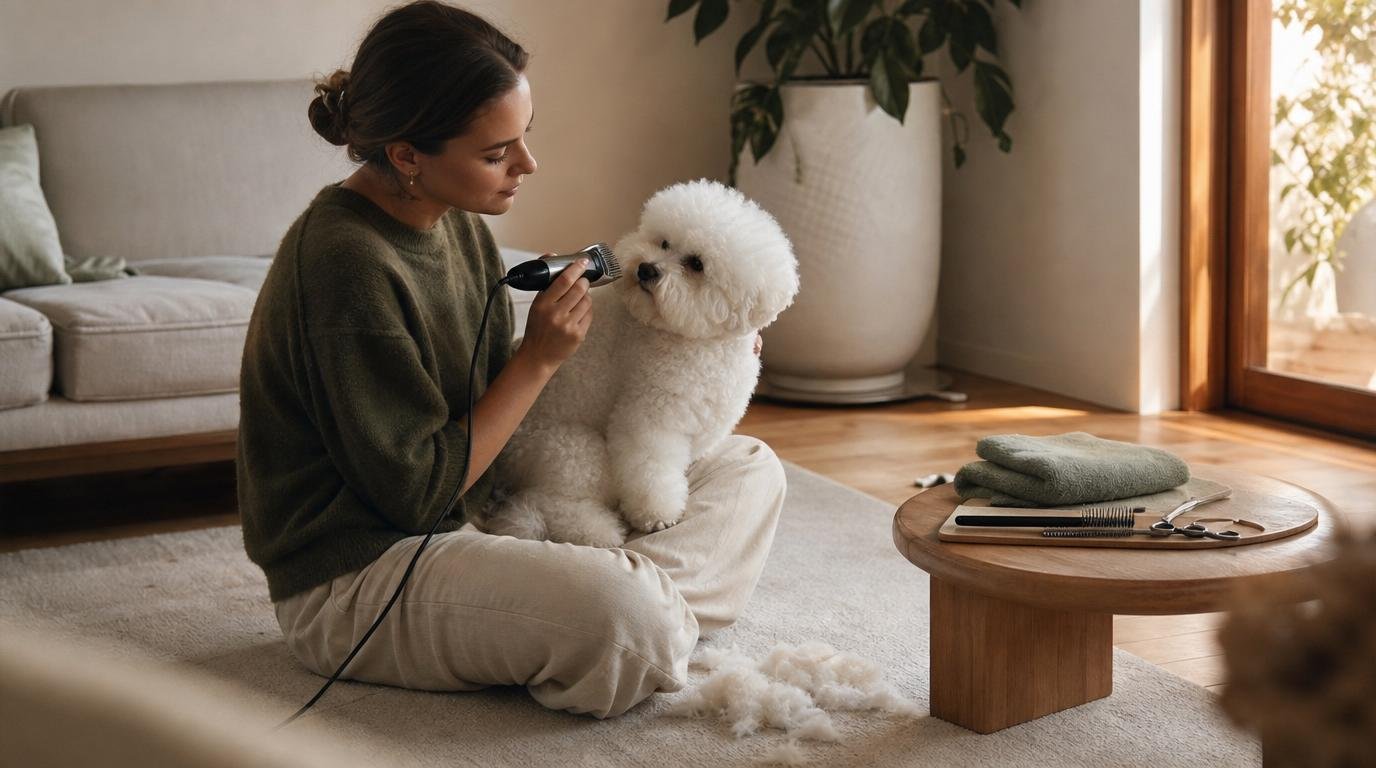
DOGBest Dog Grooming Clippers Reviewed: Ultimate Australian Owners Guide
At-home clipping saves money and stress — with the right tool. We tested the best clippers for quiet power and every coat type.

 DOG
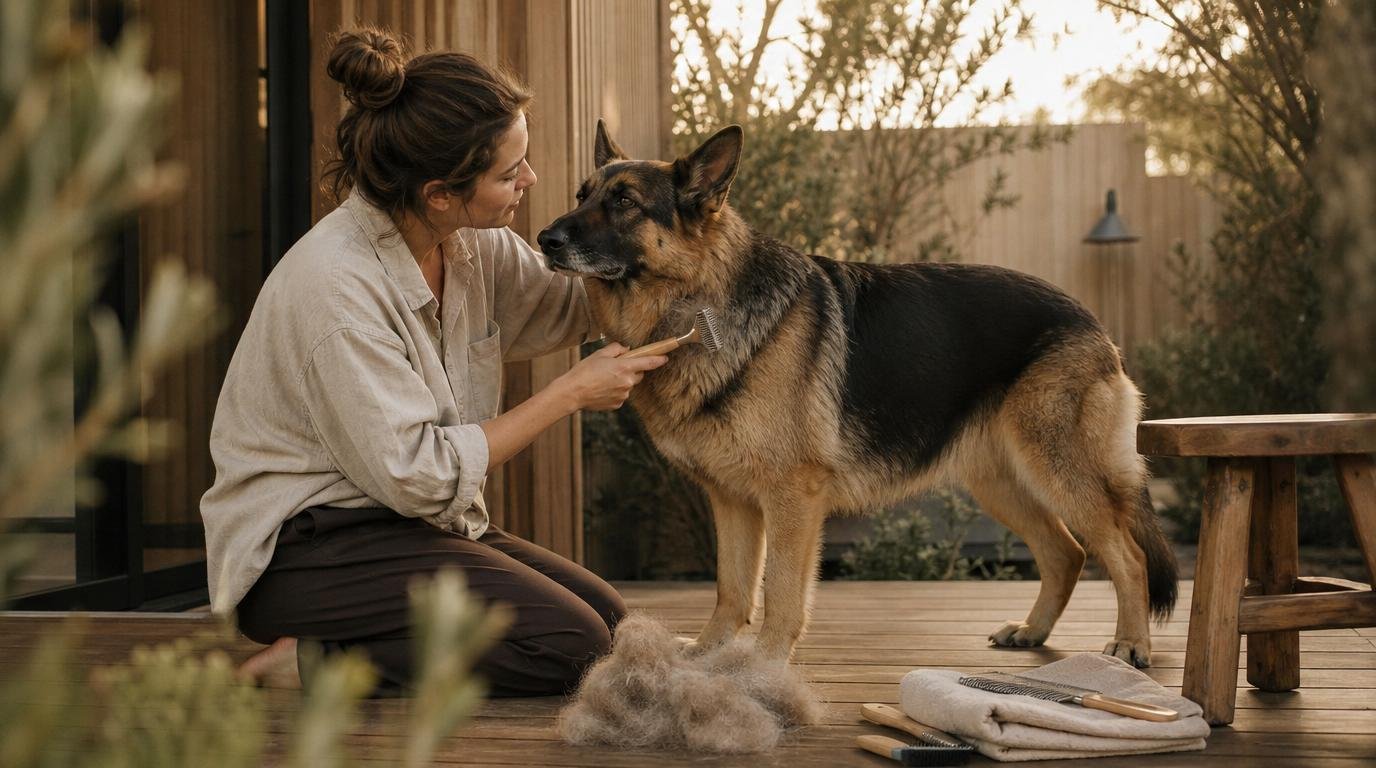
DOGBest Dog Grooming Rakes in Australia: Ultimate Aussie Guide
For thick or double coats, a good rake clears loose undercoat fast. We found the best for less shedding and a healthier coat.
 DOG
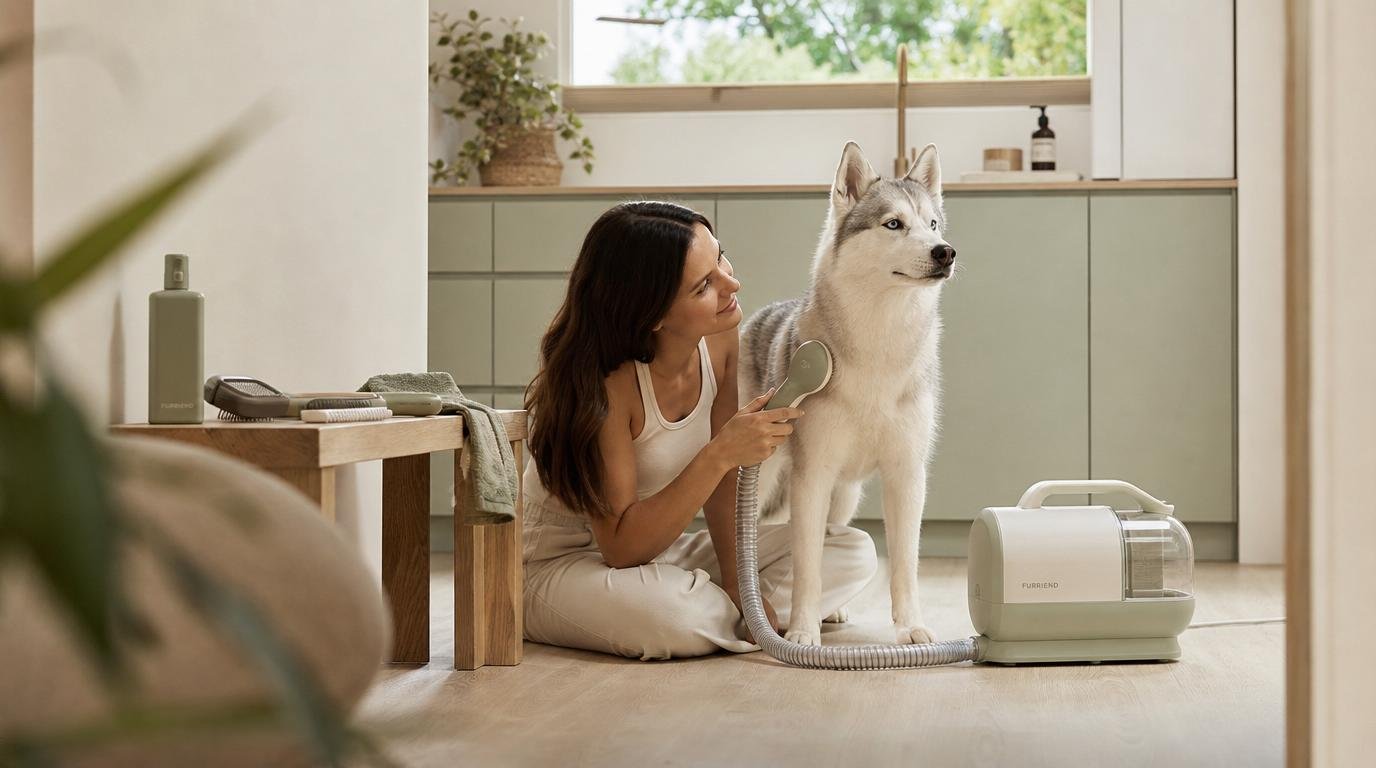
DOGBest Dog Grooming Vacuums in Australia: Ultimate 2026 Owners Guide
Catch the fur before it hits the floor. We tested the quietest, most powerful grooming vacuums for tidy at-home sessions.