Cats | Enrichment | Toys
From Bored to Bouncing: How to Get Your Cat Playing Again
Play isn’t just about fun – it’s vital for keeping indoor cats healthy and out of mischief. Many Aussie pet owners keep their cats safely indoors, but without enough stimulation our felines can get frustrated or pack on extra weight. This guide explores why playtime matters and how to get your cat playing and reignite your cat’s interest with tips from DIY toys to high-tech gadgets, like automatic cat feeders and cat water fountains with bubbling water. If you’re looking to understand how much playtime cats need, have a look at our Knowledge Guide here. After all, cats need exercise to stay healthy, just like we do.
The Upshot
The fix isn’t a better toy — it’s a routine that mimics the hunt.
Cats are wired to stalk, chase, and catch — and a toy that’s always available does none of those things. Rotating toys, scheduling short daily sessions around dawn and dusk, and adding vertical space create a cycle that engages their predatory instincts. The gadgets help, but the structure matters more.
Best Auto Cat Feeder

oneisall 3.5L Automatic Cat Feeder
- Smart app controls meal portions
- Battery backup during outages
- Dry food only
See the full Product Guide: 5 Best Automatic Cat Feeders in Australia
Best Puzzle Feeder
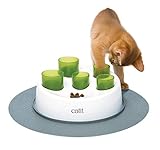
Catit Food Digger
- Simple to clean and use
- Slows down fast eaters
- Can tip with forceful cats
See the full Product Guide: Best Cat Puzzle Feeders for Indoor Cat Enrichment

As an Aussie cat owner, I know how frustrating it is trying to figure out how to get your cat playing again when they’d rather snooze all day. My black cat Pixel used to bounce off the walls as a kitten, but these days I often find him lazing under the air-con, just watching the fish swim in my aquarium. Between the heat and Pixel’s growing obsession with “fish TV,” our playtime sometimes falls flat. Fortunately, a few clever tweaks can turn a bored cat back into a playful one.
Quick Takeaways
The five things worth remembering. Scroll across to read all five.
Health first
A sudden drop in play can signal pain, arthritis, or dental issues — not just boredom. A vet check rules out the physical causes before you start troubleshooting the environment.
Rotate to reignite
A toy left out permanently stops being prey. Swap toys every few days and vary textures, sounds, and movement styles — what your cat ignored last month may trigger a full stalk-and-pounce this week.
Enrich the space
Cats need vertical territory — climbing posts, window perches, and even cardboard boxes give them options to stalk, climb, and observe. The more varied the environment, the less your cat relies on you for every moment of stimulation.
Schedule play sessions
Two short sessions a day — morning and evening, when cats are naturally most active — make a bigger difference than one long burst. Routine teaches your cat to anticipate and engage rather than nap through the day.
Puzzles over passive toys
Food puzzles and treat dispensers tap into foraging instincts that a static toy ball never will. They’re especially useful for solo play when you’re not home, though supervision matters with anything mechanical.
Why your cat isn’t playing
When Pixel went from turbo kitten to couch ornament, I panicked – was he sick, or just bored? Cats can lose interest in play for a few reasons. Age is a factor: a senior cat won’t zoom around like a kitten (though older cats still enjoy gentle play). Weight and health matter too; if your cat has put on extra kilos or has sore joints, pouncing might literally be a pain. It’s always a good idea to check with a vet if a normally playful cat suddenly becomes lethargic, just to rule out any medical issues.
Often though, the culprit is simple boredom. Indoor cats especially can get into a rut with no “prey” to stalk or new things to explore each day. Over a third of pet cats in Australia are overweight or obese, so getting your cat moving again isn’t just about fun – it’s important for their health too. The good news is that with a few changes, you can rekindle your cat’s playful side at any age, and understand how to get your cat playing.
Enrich your cat’s environment
When I realised Pixel had grown bored of his same-old toys, I started looking at our apartment through a cat’s eyes. Cats are natural climbers and hunters, so your home should have spots for them to climb, hide and observe. I added a floor-to-ceiling cat tree – it wasn’t cheap and it does take up space, but Pixel treats it like his personal jungle gym now (worth it!).
Even simple cardboard boxes on the floor can become exciting hiding spots or “forts” for a cat (just remove any handles or tape for safety). If you have the room, set up a window perch with a view of the outdoors; a bit of “bird TV” can keep a cat mentally stimulated (I often find Pixel perched by the window chirping at pigeons).
Next, shake up the toy selection. Variety is key: rotate your cat’s toys every few days so they don’t get bored seeing the same fluffy mouse toy all the time. One week, break out the feather wand; the next, a crinkly ball or a catnip-filled kicker toy.
Offer different textures and sounds – some cats go wild for a rustling paper bag or a ping-pong ball in the bathtub. Also, ensure there are dedicated scratching and climbing areas near play zones. A sturdy scratching post by the play area lets them grab and kick to release energy. Below is a quick look at some play essentials and how they help:
| Item | Details |
|---|---|
| Wand or teaser toys | Simulate prey for your cat to chase. Great for interactive play and satisfying their hunting instinct. |
| Cat tree or shelves | Vertical space to climb and perch. Provides exercise and confidence, especially in a small apartment. |
| Puzzle feeders | Makes your cat work for treats or kibble. Engages their mind and adds gentle exercise to mealtime. |
Finally, automatic cat feeders and water fountains can do more than just make life easier — they can actually enrich your cat’s daily routine. Feeders encourage natural foraging behaviour by delivering meals at set times or in smaller portions throughout the day, which helps prevent boredom and overeating. Meanwhile, flowing water fountains appeal to a cat’s instinct to drink from moving sources, keeping them hydrated and engaged. Together, these tools add variety, mental stimulation, and a sense of independence to your cat’s environment.
Make playtime a daily routine
The best toy in the world is you – cats love interactive play with their favourite human. Try to schedule at least a couple of play sessions each day when your cat is naturally active (most cats have energetic bursts in the morning and evening thanks to their crepuscular instincts).
Sticking to a routine helps: in my household, around 7pm Pixel will trot over to the cupboard where I keep his toys – that’s our cue for an evening play bout. Even 10 or 15 minutes of chasing a teaser or laser dot can tire him out and satisfy his prey drive. By anticipating regular playtime, your cat is also less likely to pester you out of boredom at 3am!
Keep these play sessions positive and cater to your cat’s preferences. Some felines go crazy for anything with feathers, while others prefer when you drag a toy along the floor like a scurrying mouse. Let your cat “win” sometimes – allow them to catch and “kill” the toy to bask in their victory. This prevents frustration (imagine chasing something you never catch!) and keeps them coming back for more. If you do use a laser pointer, always finish by pointing it at a treat or toy your cat can grab, so they get a tangible reward.
For times you’re busy or out of the house, there are still ways to keep your cat active. Battery-operated toys like moving feather wands or treat-dispensing balls can encourage solo play. I use an automatic laser gadget that periodically zips a red dot around the living room – Pixel stalks and sprints after it, getting a mini workout. High-tech pet gadgets can be hit or miss (and often pricey), so consider the cost and start with one to test your cat’s interest. Always supervise new contraptions at first to ensure they’re safe. And remember, technology is a bonus – not a substitute for the human interaction that truly makes your cat happy.
FAQ
How long should I play with my cat each day?
Cats generally do best with at least 20–30 minutes of interactive play per day. You can split this into two sessions (for example, a rambunctious play in the morning and another in the evening). In fact, the RSPCA recommends dedicating 30 minutes of play daily to keep your cat mentally and physically stimulated. Kittens and high-energy youngsters may demand even more, while older or overweight cats might need to start with shorter sessions and gradually build up their fitness.
What if my cat doesn’t like any toys?
Some cats can be fussy – what one cat pounces on, another might ignore. If your cat isn’t interested in typical store-bought toys, try different approaches. Experiment with various textures and movements: one cat might love chasing a crumpled paper ball, while another prefers a feather slowly dragged along the floor. Appeal to different senses: sprinkle a pinch of dried catnip on a plush toy or hide a few treats in an old cardboard tube for your cat to fish out. And remember to rotate toys in and out of use – a toy that’s been hidden for a while will seem new and exciting again when it reappears.
Are laser pointers safe for cat play?
Laser pointers can get a couch-potato cat running and leaping like a mini panther – it’s great exercise, but use them responsibly. Never shine the light near your cat’s eyes, and keep sessions short (a few minutes at a time). Some cats can get frustrated by chasing an “uncatchable” dot, so always end laser play by letting your cat catch something real – toss a treat or switch to a physical toy they can grab. This way they get the satisfaction of a successful hunt instead of lingering frustration. As with any toy, moderation is key to keeping play safe and fun.
Final thoughts
Bringing a bored cat back to their playful self can take some trial and error, but it’s well worth it. I’ve learned with Pixel that a mix of patience, creativity and routine works wonders – now he’s chasing toys around the living room like a kitten again (at least until he decides it’s nap time).
Every cat is unique, so be willing to try different games and setups to see what sparks joy for your kitty. In the end, the goal is to keep your feline friend healthy, happy and engaged. With a little effort each day, you can turn boredom into bonding and enjoy a more active, content cat at home.
We Think You’ll Also Like These Guides
 CAT
CATHow Much Play Do Cats Need? Full 2026 Guide for Aussie Cat Owners
Too little play breeds boredom and mischief. Here's how much your cat really needs each day, and how to make it count.

 CAT
CATBest Cat Wand Toys in Australia: Ultimate Aussie Picks for 2026
Nothing unlocks the inner hunter like a good wand. We found the most durable, engaging wand toys to get your cat leaping again.
 CAT
CATBest Cat Puzzle Feeders for Indoor Cat Enrichment — Ultimate 2026 Picks
Indoor cats need a job at mealtime. Puzzle feeders slow fast eaters and switch on the brain — we found the best.