Dogs | Food
Best Senior Dog Food in Australia – Top Healthy Picks for 2026
Getting the best senior kibble in Australia can make all the difference for our grey-muzzled mates. As dogs age, their digestion slows and their joints get creaky — I’ve seen my golden retriever Bruce go from bounding pup to dignified elder in a blink. The best diets for Aussie senior dogs are gentle on tummies and rich in nutrients, but still yummy enough to get a tail wag at dinner time. Whether your companion is a tiny terrier or a lumbering Labrador, choosing food tailored for their golden years keeps them feeling spry and satisfied.
Best Overall

Hill’s Science Diet Adult 7+ Chicken, Barley & Rice
- Gentle on sensitive stomachs
- Improves coat shine and softness
- Pricier than supermarket brands
Best for Small Breeds
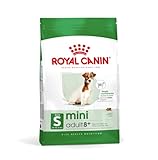
Royal Canin Mini Mature 8+ Dry Dog Food
- Mini kibble for tiny jaws
- Picky eaters love this
- Contains grain (corn, wheat)
Best for Large Breeds
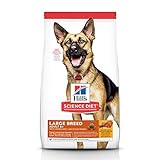
Hill’s Science Diet Adult 6+ Large Breed Senior Dry Dog Food
- Glucosamine and EPA for joints
- Large kibble for proper chewing
- 12 kg bag only, no trial
Best Grain-free

Black Hawk Grain Free Adult and Senior Dog Food, Lamb
- Aussie-made with pasture lamb
- Emu and fish oil for coat
- Calorie-dense, measure portions

We’ve compared a range of formulas — from vet-recommended kibble to hearty wet meals — to find options that suit Australia’s climate and our dogs’ needs. Be sure to also read our top picks for joint supplements and gentle dog toys for older dogs for more senior-specific support, and as the RSPCA dog feeding guide reminds us, every senior needs a life-stage-matched diet.
What to look for in a senior dog food
Five things that separate a genuine senior diet from a regular adult kibble with a new label.
Complete and balanced label
Check the label confirms the food is complete and balanced for adult or senior life stage — this guarantees it meets the essential nutrient profile your senior actually needs.
Joint support ingredients
Glucosamine, green-lipped mussel and omega-3 fish oils help arthritic seniors. Worth prioritising if your dog is slowing down or showing signs of joint stiffness on walks.
Right kibble size
Small breeds need small kibble for tiny jaws. Large breeds chew better on bigger bites with adjusted calorie density — size mismatch leads to choking, gulping, or ignored meals.
Watch the climate
In Aussie heat and humidity, store kibble in a cool, dry place and use it up within a couple of months of opening. Sensitive-stomach dogs need extra storage care.
Mind the portions
Senior dogs often need fewer calories than adults, and around 40% of Aussie dogs are overweight — follow feeding guides and adjust to keep your old friend trim.
At a glance
Our top four picks compared — specs, prices, and our one-line take on each.
| Rank | Product | Best for | Key feature | Approx. price | Check price link |
|---|---|---|---|---|---|
| Best Overall |  | Older dogs needing a vet-recommended all-rounder | Easy-to-digest recipe with omega-6 and Vitamin E | ~$55–60 AUD (3 kg) | Check price |
| Best for Small Breeds |  | Senior small breeds (up to 10 kg) | Mini kibble with tartar-control and EPA/DHA omega-3 | ~$40–50 AUD (2 kg) | Check price |
| Best for Large Breeds |  | Senior dogs 25 kg+ needing joint support | Glucosamine, chondroitin and EPA fish oil for joints | ~$116–136 AUD (12 kg) | Check price |
| Best Grain-free |  | Senior dogs with grain sensitivities | Aussie pasture-fed lamb with emu oil omega-3 & 6 | ~$40–50 AUD (2.5 kg) | Check price |
Our picks in detail
What we love, what to watch out for, and who each pick really suits.
Best Overall: Hill’s Science Diet Adult 7+ Chicken, Barley & Rice
Bottom line — vet-trusted, gently-digestible chicken-and-barley senior kibble that visibly perks up coat condition and digestion within a few weeks.
Hill’s Science Diet has a long-running reputation for senior diets, and the Adult 7+ recipe earns it. The kibble is moderately sized with a roasted-chicken aroma that perks up even dulled senior senses, and the formula is built around easy digestion — far less gas and tummy gurgling than the average shelf-grade brand. Bruce switched onto this with no transition issues at all.
Nutritionally, the line-up is balanced and proven: omega-6 fatty acids and Vitamin E for skin and coat (Bruce’s gloss came back inside a couple of months), antioxidants for immune support, and balanced minerals for heart and kidney health. Protein is set to maintain muscle without overloading calories — important for the ageing metabolism. The 3 kg bag at ~$55–60 AUD is expensive against supermarket diets, but for many Aussie owners the visible difference in vitality and digestion makes it the easiest senior pick to commit to long-term.
| What we love | Areas for improvement |
|---|---|
|
|
Best for Small Breeds: Royal Canin Mini Mature 8+ Dry Dog Food
Bottom line — pea-sized kibble designed for tiny senior jaws, with tartar-control and antioxidants tuned to small-breed ageing; palatability is the standout.
Royal Canin Mini Mature 8+ is designed for the little oldies — small-breed Chihuahuas, Pomeranians, Terriers and the like. The pea-sized kibble pieces are the obvious tell: ideal for tiny senior jaws that struggle with standard bites. Palatability is famously strong, even among the kind of fussy small dogs that turn their noses up at most dry food. Most owners notice meals being finished within days of switching.
The formula targets small-breed ageing specifically: EPA/DHA omega-3s for joint and organ support, an antioxidant complex for cellular protection, and a tartar-control ingredient that genuinely helps with the dental issues tiny dogs are prone to. The trade-offs are real: it’s premium-priced for a relatively small bag, and the recipe includes corn and wheat, so it’s not for grain-sensitive dogs. It’s also calibrated for small breeds only, so larger dogs won’t get the right nutrient density. For the right pup, though, it’s hard to beat.
| What we love | Areas for improvement |
|---|---|
|
|
Best for Large Breeds: Hill’s Science Diet Adult 6+ Large Breed Senior Dry Dog Food
Bottom line — joint-targeted senior formula for 25 kg+ dogs, with glucosamine, chondroitin, EPA fish oil and the clinical antioxidant blend large breeds need.
Large senior dogs have demands a one-size-fits-all kibble can’t meet — think the big-boned Labrador slowing on the stairs or the ageing Golden whose hips tell a story. Hill’s Science Diet Adult 6+ is built around those demands, with natural sources of glucosamine and chondroitin alongside EPA fish oil for joint flexibility. The kibble itself is appropriately large, encouraging proper chewing rather than gulping.
The clinical antioxidant blend (vitamins C and E) supports immune function as the body ages, and balanced calcium and phosphorus reinforce the skeletal load larger breeds carry. No artificial colours, flavours or preservatives. The catches: it’s premium-priced and large dogs work through a 12 kg bag faster than you’d expect, the bag size is fixed (no trial option), and it’s strictly for breeds 25 kg+ — smaller dogs won’t get the right nutrient calibration. For the right large senior, the ongoing cost often pays back in fewer joint flare-ups.
| What we love | Areas for improvement |
|---|---|
|
|
Best Grain-free: Black Hawk Grain Free Adult and Senior Dog Food, Lamb
Bottom line — Aussie-made grain-free lamb recipe with emu oil and antioxidant fruits; premium price, but a genuine option for grain-sensitive seniors.
Black Hawk Grain Free Lamb is an excellent Australian-made grain-free option for seniors. Pasture-fed lamb leads the ingredient list — real meat at the top, no wheat or corn anywhere — so it suits dogs with grain sensitivities or recurring itching. Emu oil and fish oil are added for skin and coat, and most owners notice a glossier coat after a few weeks. Blueberries and natural fibres round out the antioxidant and digestive profile.
Marketed as an all-life-stage formula, it works particularly well for seniors needing higher protein and lower carbs — which describes a lot of older dogs whose metabolism has slowed but whose muscle needs haven’t. Two practical catches: grain-free recipes are calorie-dense, so you’ll need to measure portions to prevent quiet weight gain, and the bag size tops out at 2.5 kg, which is a fast burn for larger dogs and multi-dog households. Premium pricing per kilo, but a credible Australian-made pick for the grain-sensitive senior.
| What we love | Areas for improvement |
|---|---|
|
|
FAQ
When should I switch my dog to a senior food?
What’s different about senior dog food versus regular adult food?
Is dry food or wet food better for senior dogs?
How often should I feed my senior dog?
Should I add supplements to my senior dog’s diet?
Final thoughts
Our senior dogs have given us years of love and loyalty, so they deserve the best care in return. Feeding a diet that’s tailored to their age is one of the simplest and most impactful ways to keep an older dog feeling their best.
The right food can help manage weight, support creaky joints, and even brighten their coat and mood. Just remember to transition slowly when introducing a new food (mixing it with the old over a week) to avoid tummy upsets. And keep an eye on how your old friend responds — more pep in their step or a healthier appetite are good signs you’ve found a winner. In the end, it’s all about keeping Bruce, Luna, and all our furry mates comfortable, happy, and by our side for as long as possible.
We Think You’ll Also Like These Guides
 DOG
DOGBest Dry Dog Food in Australia 2026: Ultimate Vet-approved, Pet-loved Picks
With a hundred bags on the shelf, choosing is hard. We cut through the marketing to the dry foods worth feeding, vet-approved.

 DOG
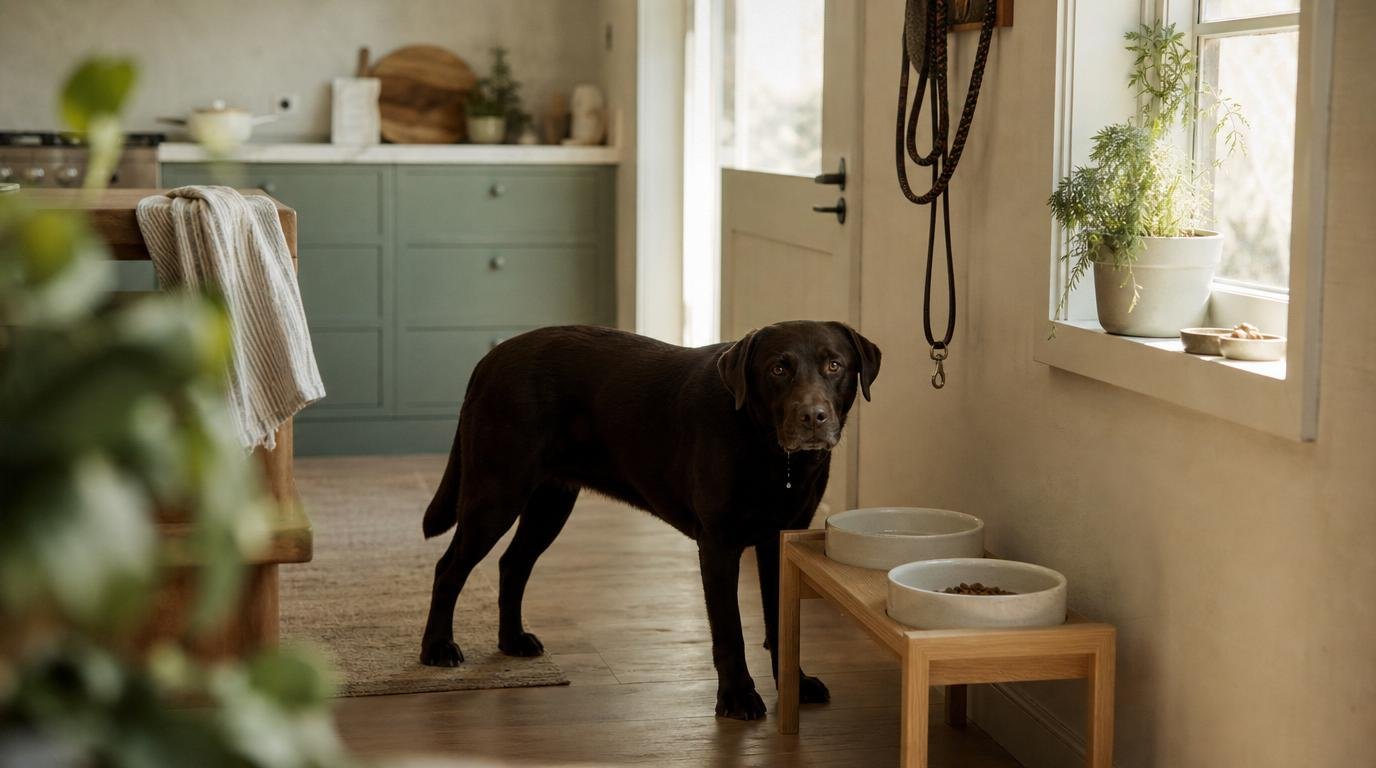
DOGBest Elevated Dog Bowls in Australia: Ultimate 4 Picks
Raised bowls can ease strain for older or larger dogs. We found the best for comfortable, tidier mealtimes.
 DOG
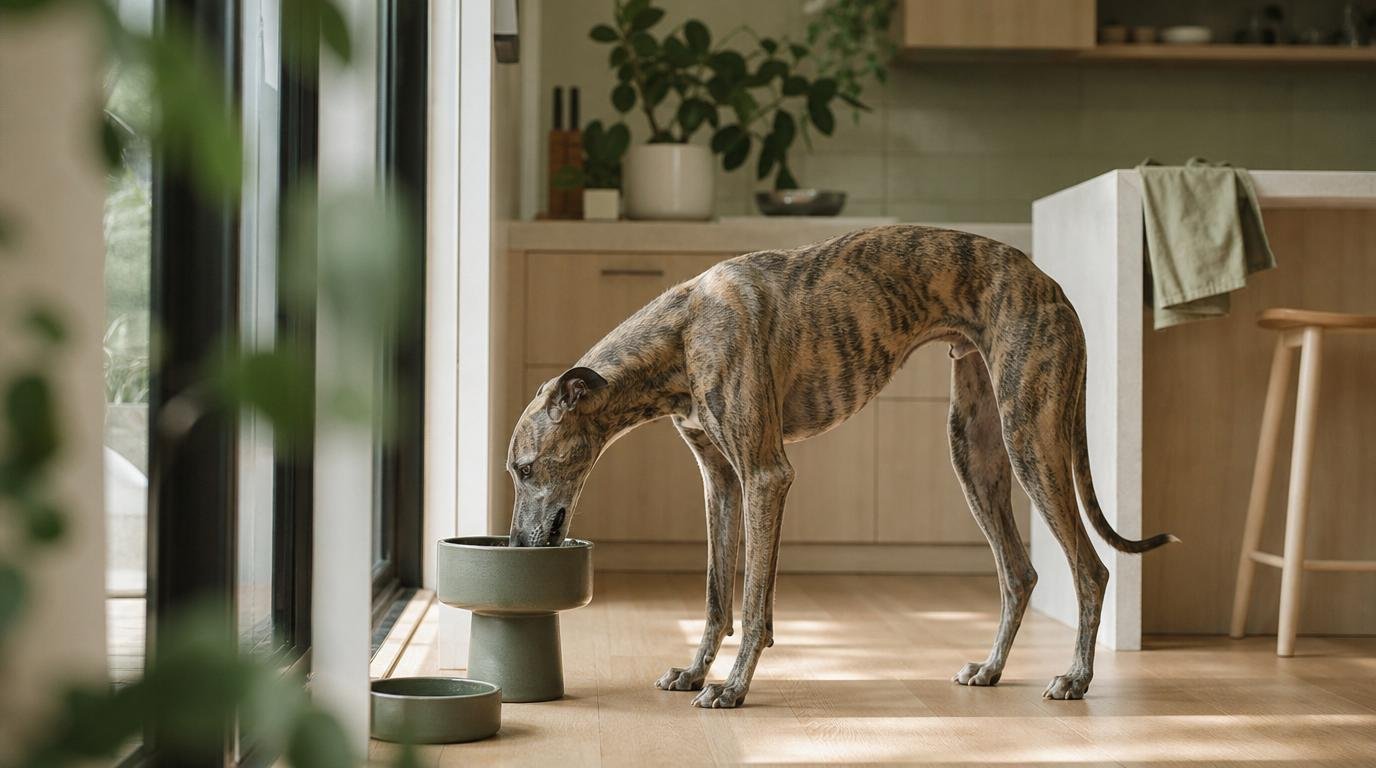
DOGBest Greyhound Dog Food in Australia – Guide for Your 70 kph Couch Potato
Lean, fast and surprisingly sensitive — greyhounds eat differently. We found the best foods for their build and easily-upset gut.