Birds | Health
Signs Your Pet Bird Is Sick in Australia: When to See an Avian Vet
Birds are masters of hiding when something’s wrong. It’s not stoicism — it’s a prey-species instinct hard-wired by millions of years of evolution: a bird that visibly droops in a flock is the one the hawk picks. Pet budgies, cockatiels and parrots still run that program at full strength. By the time a sick bird looks sick, the illness has usually been brewing for days. The signs your bird is sick are real, but they’re subtle, and reading them is what stands between a recoverable problem and an emergency vet run. The RSPCA’s guidance covers what well looks like; this guide is the other half — what off looks like, and what you do next.
The Upshot
Birds are wired to hide illness; by the time they show it, the clock’s already ticking.
Pet birds inherit a prey-species instinct to mask weakness, and by the time you see fluffed feathers, sleepy eyes or a change in droppings, the bird’s been unwell for days. Learning the early tells — and knowing who to ring — is the difference between a recoverable problem and an emergency.
Best Bird Perch

KinTor Nature Wood Bird Perch
- Real bark for grip and chewing
- Multi-branch shape exercises feet
- Suits small parrots only
See the full Product Guide: Best Bird Perches in Australia: Reviewed for 2026
Best Bird Toy

Penn Plax Combo Kabob Bird Toys, Medium
- Six toys on one safe clasp
- Lead-free, zinc-free metals
- Too large for tiny budgies
See the full Product Guide: Best Bird Toys in Australia: Reviewed for 2026

If you’re new to birds, the speed of decline can blindside you. A budgie that was singing yesterday and sitting fluffed on the cage floor today isn’t a freak case — it’s the textbook pattern. The good news is that birds telegraph their state in a handful of small, observable ways: how they hold themselves, how their droppings look, whether their breathing changes, whether they eat. None of those signals are diagnostic on their own, but together they form a picture you can read.
We’ve pulled this guide together from a few different angles — Australian veterinary guidance, the way avian specialists run an early-symptom triage, and the practical reality of finding a vet who sees birds in this country. The goal isn’t to turn you into a vet. It’s to compress the time between something changing and you ringing the right person. With birds, that time matters more than it does for almost any other pet.
Quick Takeaways
The five things worth remembering. Scroll across to read all five.
Watch the posture
A bird sitting fluffed up on the cage floor with eyes closing isn’t tired — they’re conserving heat because they’re crook. Posture changes are usually the first visible sign, often before appetite or droppings shift.
Read the droppings
Droppings have three parts — faeces, urates and urine. Watery, off-coloured, blood-tinged or scant droppings over more than a day are one of the clearest signal flares a bird sends. Photograph them for the vet.
Time matters here
Birds often hide illness for a week or two before symptoms show. Once they do show, decline can be hours, not days. Treat “something’s off” as urgent, not a wait-and-see.
Skip the standard vet
A general vet may not have avian-specific training. Look for an avian or unusual-pet practice — Australia’s UPAV group is the directory worth bookmarking before you need it, not after.
Have a heat plan
A sick bird burns through energy fast. Knowing how to set up a warm, low-perch recovery cage at home buys you the hours between noticing and getting to the clinic — sometimes literally.
Why birds are so good at hiding it
Most pet birds — budgies, cockatiels, lorikeets, conures, parrots of every size — descend from species that survive predation by blending into the flock. A bird that visibly slumps or stops vocalising signals dinner to anything watching from above. Even kept in a safe Aussie loungeroom, they run the same program. The behavioural setting hasn’t changed because the postcode has.
The practical consequence is brutal: by the time you can clearly see something’s wrong, the bird has usually been compensating for days. Avian veterinary references describe the gap as one to two weeks of sub-clinical illness before the owner notices. The bird isn’t being deceptive — it can’t help it. The instinct is wired well below conscious behaviour.
Key Insight
A pet bird’s instinct to look healthy can hide a serious illness for one to two weeks. By the time the symptoms are obvious, the reserves are usually nearly gone — which is why “watch and see overnight” is rarely the right call with a bird.
What this means for you: stop waiting for the bird to look obviously sick before you act. The window between “something’s slightly off” and “we’re in trouble” is much narrower than most owners expect, and small birds especially have very little physical reserve once decline becomes visible.
The early tells you can spot at home
Most of what you’ll catch is posture, energy, droppings and appetite. None of them are conclusive on their own — that’s the trick. You’re looking for a cluster, or a pattern that’s drifted from your bird’s normal baseline. The baseline matters more than any single book-perfect symptom: the only person who knows what “normal” looks like for your bird is you, which is why daily observation is the real backbone of bird care.
Posture and feathering
A well bird holds their feathers smooth and tight to the body. They perch alert, balanced on one foot when relaxed, with eyes bright and open. A bird that’s persistently fluffed up — feathers puffed out so they look bigger and rounder — is conserving heat, which usually means they’re spending energy fighting something off. Tail-bobbing in time with their breathing is another flag; healthy birds breathe almost invisibly. The RSPCA’s list of unhealthy signs includes “breathing through an open mouth”, “wing droop” and “poor or rough feathering including feather loss” — every one of which is observable from outside the cage.
Droppings, appetite and weight
Droppings come in three parts: the dark green-to-brown faeces, the white urates, and the clear urine. The healthy ratio shifts with diet but stays consistent for your bird. Watery, scant, abnormally coloured (yellow, lime, blood-tinged) or strongly malodorous droppings over more than a day are a red flag. Take a phone photo before you clean the paper — vets will ask. Appetite changes are the other classic tell. Birds will sometimes mimic eating — cracking seed without swallowing any of it — to maintain the illusion of normal, so check whether the husks in the dish truly mean less food in the dish.
| Healthy bird | Sick or off-colour bird |
|---|---|
| Feathers smooth, eyes bright | Persistently fluffed, eyes closing |
| Active, vocal, perching alert | Quiet, on the cage floor, low perch |
| Breathing almost invisible | Tail-bobbing or open-mouth breathing |
| Consistent droppings, steady appetite | Watery or off-colour droppings, eating less |
Red flags that need a vet today
Some signs aren’t subtle, and they aren’t for watching. They’re for the phone. If any of the following turn up, treat it as the bird telling you the masking instinct has run out of road — they wouldn’t be showing this much if they could still hide it.
None of these are situations to monitor overnight. Small birds especially can deteriorate from “unwell” to “in shock” within hours, and being handled by the wrong people in a stressful environment can tip a fragile bird over the edge. If you can’t reach an avian vet immediately, a general after-hours emergency clinic is still better than waiting — they may be able to stabilise the bird with warmth and oxygen until an avian specialist takes over the case.
Finding an avian vet in Australia
Not every vet treats birds, and frankly, you don’t want a general practitioner taking a first crack at one. Bird medicine has its own pharmacology, its own anaesthetic risks, and its own diagnostic patterns. The right time to find an avian vet is now, while everything’s fine — not at 9pm on a Sunday when something’s gone wrong.
The directory worth bookmarking
The Australian Veterinary Association’s Unusual Pet and Avian (UPAV) group is the most reliable starting point. It’s a national community of vets who actively practise on birds, reptiles, rabbits and other species that fall outside the standard dog-and-cat workload. The AVA’s broader Find-a-Vet pages let you filter by location and special interest, which is the fastest path from “I need a bird vet” to a real shortlist.
How to vet your vet
-
Check UPAV membership or a stated bird interest
UPAV vets self-identify with avian as a focus area. A practice that mentions “avian”, “exotic” or “unusual pet” on its website is the signal you’re looking for.
-
Ring before you need to
Ask whether they see birds, what their after-hours arrangement is, and whether they handle emergencies or refer out. A clinic that doesn’t see birds will say so — which is useful information now and not at 9pm.
-
Save the numbers on your phone now
Save the avian practice and the closest 24-hour emergency clinic as the backup. Decision-making with a sick budgie on the kitchen table is not the time to be Googling clinic phone numbers.
-
Book a wellness exam
RSPCA Australia recommends taking your bird “to your veterinarian for a check up immediately after purchase, then annually for examinations.” A clinic doing a routine exam is much better at spotting baseline issues than one meeting your bird for the first time mid-crisis.
Worth knowing: most metropolitan regions have at least one specialist exotic-pet practice within reasonable driving distance. Brisbane, Sydney, Melbourne and Perth have dedicated avian clinics. Regional and rural areas are thinner on the ground — a longer drive may be the right answer if it gets the bird to someone who knows what they’re looking at.
Setting up a recovery cage at home
While you’re organising a vet visit — and especially if the appointment is hours away — you can buy real time with a few cage adjustments. The single most important thing a sick bird needs is warmth. Birds lose body heat fast when they’re unwell because their metabolism is already working overtime to fight the illness, and a cold sick bird is a faster-declining sick bird.
Drop perches down low so the bird isn’t expending energy climbing or risking a fall. Move food and water to within easy reach from the floor — a sick bird may not climb to a feeder dish. Reduce or eliminate hard chewing toys that demand effort; this isn’t enrichment time. Keep the cage in a quiet, dim room away from foot traffic, kitchen smells (especially Teflon fumes and aerosols, which are lethal to birds) and other pets.
Bring the ambient temperature up to roughly 28–30°C in the cage area. A heat mat under or beside the cage works well, or a ceramic bulb heat emitter. Don’t use anything that gives off light at night — birds need darkness for rest. If you’re checking on the bird overnight, do it briefly with a torch, not by flipping on the room lights. For the broader baseline that applies when birds are well — cage layout, diet, daily routine — our daily bird care guide walks through the fundamentals worth setting up well before anything goes wrong.
What to bring to the appointment
Vets working on birds rely on owner history more than they do for almost any other species, because clinical signs are limited and birds don’t tell you what’s hurt. A few minutes of prep saves the vet a lot of guesswork and saves your bird the stress of repeat handling.
Take a photo of the cage as it normally is, plus close-ups of recent droppings. Note when the change started, what changed first (posture? appetite? droppings? sound?), and what your bird’s normal baseline is — what they usually weigh if you have a scale, what they usually eat, how vocal they usually are at this time of day. If you’ve had the bird less than a few months, bring whatever you know about the source: aviary, breeder, store, age, what other birds were nearby. Many avian illnesses are contagious, and the recent-acquisition history is diagnostically important.
Bring the bird in their own cage if it’s portable — vets often want to look at the environment alongside the bird. If the cage is too big, a clean carrier with a low perch is fine. Don’t withhold food before an appointment unless the vet has specifically asked you to; sick birds can crash within an hour of fasting.
FAQ
How can I tell if my bird is sick if they’re hiding it?
Watch for clusters of small changes against your bird’s baseline — fluffed feathers most of the day, less vocalising, eating less, perching low, droppings that look different. None of those alone proves illness, but two or three of them at once usually do. The bird you live with is the only baseline you can read against, which is why early detection sits with the owner rather than the vet.
Are fluffed feathers always a sign of illness?
No — birds fluff briefly when they’re cold, dozing or relaxing. The flag is fluffed feathers that persist for hours, especially during what’s normally your bird’s active part of the day, often paired with quietness or sleeping more than usual. If the fluffing matches a posture drop and reduced appetite, treat it as a cluster, not a single sign.
How often should a pet bird see a vet in Australia?
RSPCA Australia recommends a check-up immediately after purchase, then annual examinations. A wellness exam at a practice that sees birds regularly is the best way to catch sub-clinical issues early and to make sure you’ve got a clinic on file before you need an emergency appointment.
What’s the difference between a regular vet and an avian vet?
Bird medicine has its own pharmacology, anaesthetic protocols and diagnostic patterns. A general vet may not have seen many birds in clinical practice. Avian vets — usually associated with the Australian Veterinary Association’s Unusual Pet and Avian (UPAV) special interest group — work on birds routinely and have the equipment and training to match.
Can I treat a sick bird at home before getting to a vet?
Beyond providing warmth, a low perch, and easy access to food and water, no. Bird physiology is unforgiving and over-the-counter products marketed for birds can cause real harm. The right home steps are stabilisation and getting to the vet, not treatment.
Final thoughts
Here’s the thing: I don’t keep birds — I’m a cat-and-aquarium person, and Pixel has never had to convince me she’s well by hiding the fact she isn’t. What struck me writing this guide was how different bird ownership is in this respect. The room for error on something a cat would shrug off — a few off-colour droppings, half a day eating less — is so much smaller. And the system that supports you, the network of clinics equipped for birds, is thinner. Both of those make early reading and a saved vet number not just nice-to-haves, but the real centre of the care plan.
If you’ve made it to the end of this guide, the most useful thing you can do today is ring an avian or unusual-pet practice and book a wellness exam. It’s the single best inoculation against a future late-night decision tree, and it gives your bird the kind of baseline file that helps a vet think clearly when minutes matter.
We Think You’ll Also Like These Guides
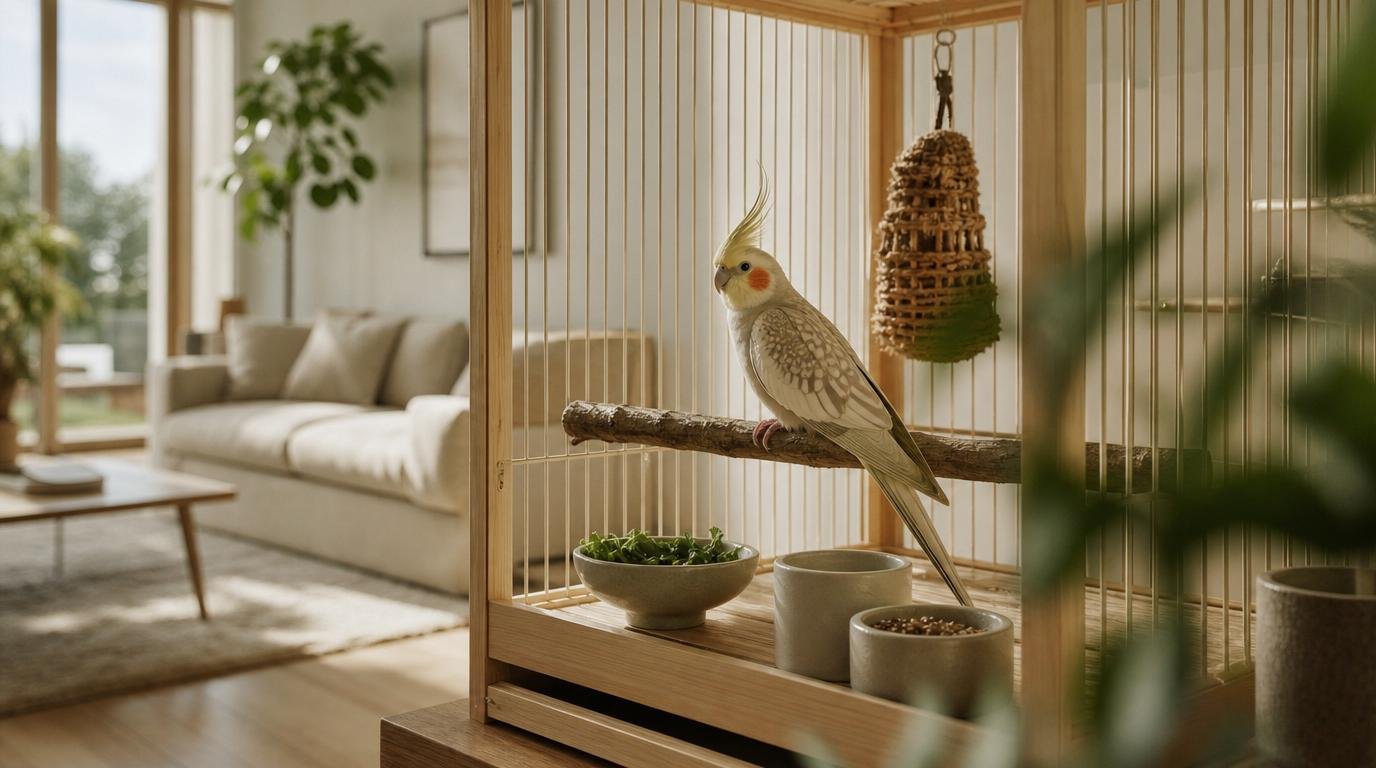 BIRD
BIRDBest Daily Bird Care Tips for Australians: Ultimate Guide
A happy bird thrives on routine. Here's a simple daily care plan — food, cleaning, enrichment and health checks — that keeps them flourishing.

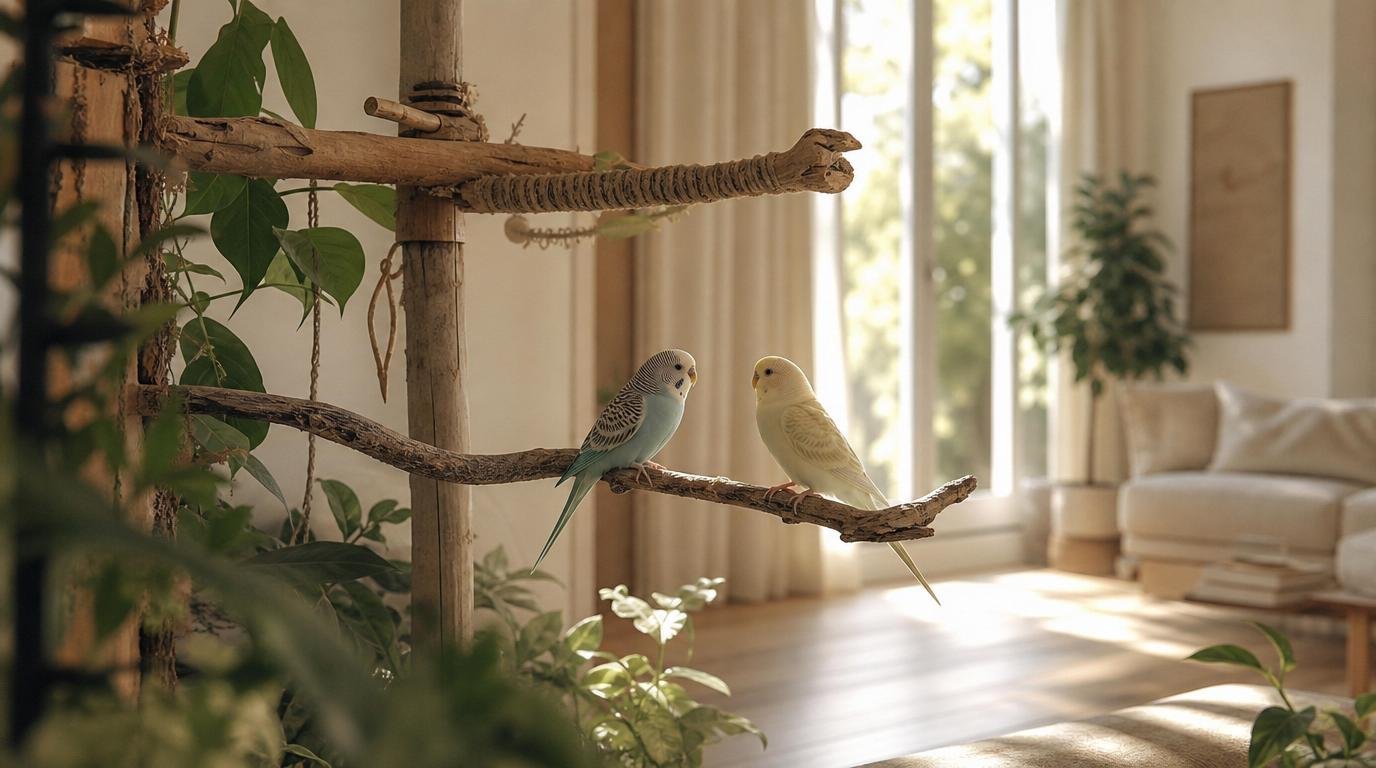 BIRD
BIRDBest Bird Perches in Australia: Reviewed for 2026
The right perch keeps feet healthy and claws in check. We found the best for comfort, variety and natural foot exercise.
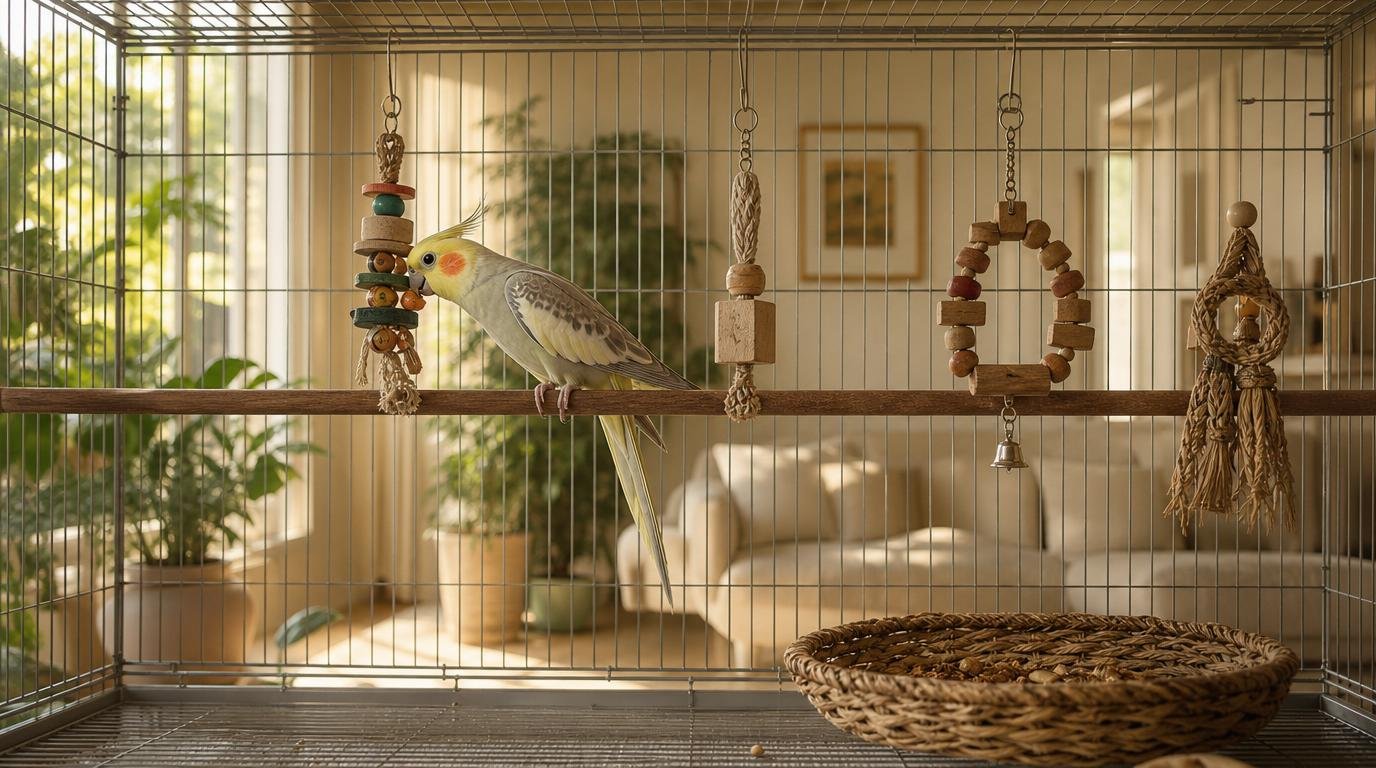 BIRD
BIRDBest Bird Toys in Australia: Reviewed for 2026
A bored bird is an unhappy bird. These are the best toys to keep clever beaks busy, from foragers to shredders to noisy favourites.