Birds | Cleaning | Health | Lifestyle
Best Daily Bird Care Tips for Australians: Ultimate Guide
Whether you’ve got a chatty cockatoo or a tiny finch, every Aussie bird lover faces the same climate and care challenges. Think scorching summer heat, sudden downpours, and the occasional curious magpie eyeing off your pet. In this guide, we’ll walk through the best bird care tips Australia: must-do daily practices for bird health and lifestyle in Australia’s unique conditions, from fresh tucker and clean water to playtime and sleep. You’ll also get pointers to helpful resources (like the RSPCA bird care guide) to back you up. By the end, you’ll know how to keep your feathered friend thriving day in, day out.
The Upshot
Boring daily basics done consistently — that’s what keeps a bird thriving in Australia.
Fresh food cleared promptly, water swapped twice on 35°C days, droppings out before they mould, supervised flight time, and real conversation. Layer on shade in summer, a cover at night for proper sleep, and a quick daily look for the warning signs birds work hard to hide.
Best Overall Perch

KinTor Nature Wood Bird Perch
- Natural wood with bark texture
- Irregular shape exercises feet
- Heavy chewers may wear it down
See the full Product Guide: Best Bird Perches in Australia
Best Platform Perch

Mrli Pet Bird Perch Platform Stand
- Flat surface relieves foot pressure
- Doubles as resting or play area
- Prone to poop buildup
See the full Product Guide: Best Bird Perches in Australia

My budgie Kiwi has been part of the family long enough to teach me that bird care isn’t really about gadgets — it’s about consistency. The basics done daily beat any clever product done occasionally. What follows is the routine that has actually worked for him, adjusted for the Aussie climate’s particular curveballs.
What surprised me most was how much the small habits matter compared to the gear. The right food, a clean cage, a few minutes of real attention, and a watchful eye for early signs of trouble — get those right and you’ve covered 90% of it. The rest is climate management: heat, sun, and the occasional thunderstorm that sends every bird in the house quiet.
Quick Takeaways
The five things worth remembering. Scroll across to read all five.
Pellets and veggies first
Build the diet around quality pellets and fresh veggies, with seeds as occasional treats — not the main meal. Always provide clean, cool water, and tip the bowl twice on scorcher days.
Daily clean, smart placement
Replace cage liners and remove droppings every day. Keep the cage out of kitchen fumes (Teflon especially) and harsh sun — natural light is good, a sauna of a window is not.
Move and forage daily
Supervised flight in a bird-proofed room beats hours on a perch. Rotate toys, hide treats in cardboard, and give them something to figure out — bored birds pluck feathers and screech.
You’re the flock
Birds are flock animals; without flock interaction, they go flat. Chat with them, scratch heads they like scratched, or just hang out nearby — even ten focused minutes a day makes a difference.
Watch droppings and posture
Birds hide illness as a survival reflex. A daily glance at droppings, appetite, and posture catches problems early — fluffed-up, quiet, or off-food behaviour all warrant a vet call quickly.
Bird care tips Australia: Fresh food and water every day
Birds may be small, but they’ve got big appetites for the right foods. Ditch the old-fashioned all-seed diet – a bowl of just sunflower seeds is like letting a kid live on potato chips. In fact, vets warn that seed-only diets cause obesity and nutrient deficiencies. Instead, fill your bird’s menu with a mix of high-quality pellets, fresh fruits and veggies, and only a small portion of seeds as a treat. Carrots, leafy greens, capsicum, apple slices – think rainbow on the plate, just no avocado or onion (those are toxic to birds). Aim for around 70% pellets, 20% fresh veg/fruit and 10% seeds for parrots like budgies or cockatiels.
A bowl of just sunflower seeds is like letting a kid live on potato chips — fine as a treat, never as the diet.
Fresh water is non-negotiable. In our humid weather, bacteria and algae grow fast in a water bowl, so tip it out and refill with clean, cool water every day (or even twice on those 35°C scorchers). I’ve trained Kiwi to drink from a water bottle dispenser as well – it keeps the water cleaner since he can’t dunk pellets or droppings in it. Whichever you use, scrub the bowl or bottle once a week with vinegar and a brush to prevent slimy build-up. And in Aussie summers, a dish of cool water for a quick dip can be a lifesaver too – many birds love a little bath to cool down.
Clean cage, comfy home
No one likes a grotty home, and your bird is no exception. Daily cleaning might sound like a chore, but it’s the cornerstone of a healthy bird lifestyle. Line the cage tray with newspaper or paper towel and change it out each day. This quick task removes droppings and food scraps before they get mouldy or attract pests (the last thing you want is a swarm of ants or flies finding their way to your bird’s leftovers). Wipe down any soiled spots on perches or cage bars too. Once a week, do a deeper clean: scrub the cage with bird-safe disinfectant or a mild soap, and rinse thoroughly. Don’t forget to clean toys and dishes regularly as well.
Beyond cleanliness, think about where and how your bird lives each day. Keep the cage in a safe, ventilated area – away from kitchen fumes, toxic smoke, and direct midday sun. (FYI, those non-stick Teflon pans in the kitchen can release fumes deadly to birds, so it’s best to keep Tweety well away when you’re frying eggs.) Birds also dislike being startled by loud noises or rough handling, so place the cage in a quieter spot if possible, especially at night.
Aim for a spot with natural light and a bit of view, but ensure part of the cage is shaded so the bird can cool off if the sun gets intense. In the Aussie summer, if your bird’s outside in an aviary or on the deck, always provide shade and bring them indoors on extreme heat days or during cold snaps. We even have weather alerts here – if a bushfire is nearby, smoky air can harm birds (their respiratory systems are very sensitive), so close windows and consider an air purifier. Comfort is everything.
At night, a simple habit is to cover the cage with a light cloth or purpose-made cover once the sun goes down – this helps your bird get a solid 10-12 hours of sleep and keeps drafts away. A comfy, quiet night’s rest makes for a much happier bird come morning.
Exercise and playtime
Ever watched a cockatiel do zoomies around the living room? Daily exercise is vital for your bird’s physical and mental health. In the wild, parrots might fly kilometres a day – no wonder your caged bird gets a bit antsy without a workout.
If it’s safe and feasible, let your bird have supervised out-of-cage time to stretch those wings. Close the windows and doors, cover any mirrors or clear glass (to prevent crash landings), turn off ceiling fans, and let them explore a bird-proofed room. Even a short flight or flutter from perch to play stand is great. If free flight isn’t possible (say you have a small bird that wouldn’t be safe loose, or you live in a place with too many open windows), use a play gym or large flight cage. The goal is movement – climbing, flapping, hopping.
Key Insight
A government survey found that over half of pet bird owners never allow their bird out for a fly. Daily supervised flight time is the single biggest gap in most Australian bird care routines — and it’s free.
Sadly, many pet birds don’t get this chance – the same survey found that over half of pet owners never allow their bird out for a fly. Don’t be part of that statistic! Giving your avian mate some freedom each day will keep their muscles toned and boredom at bay.
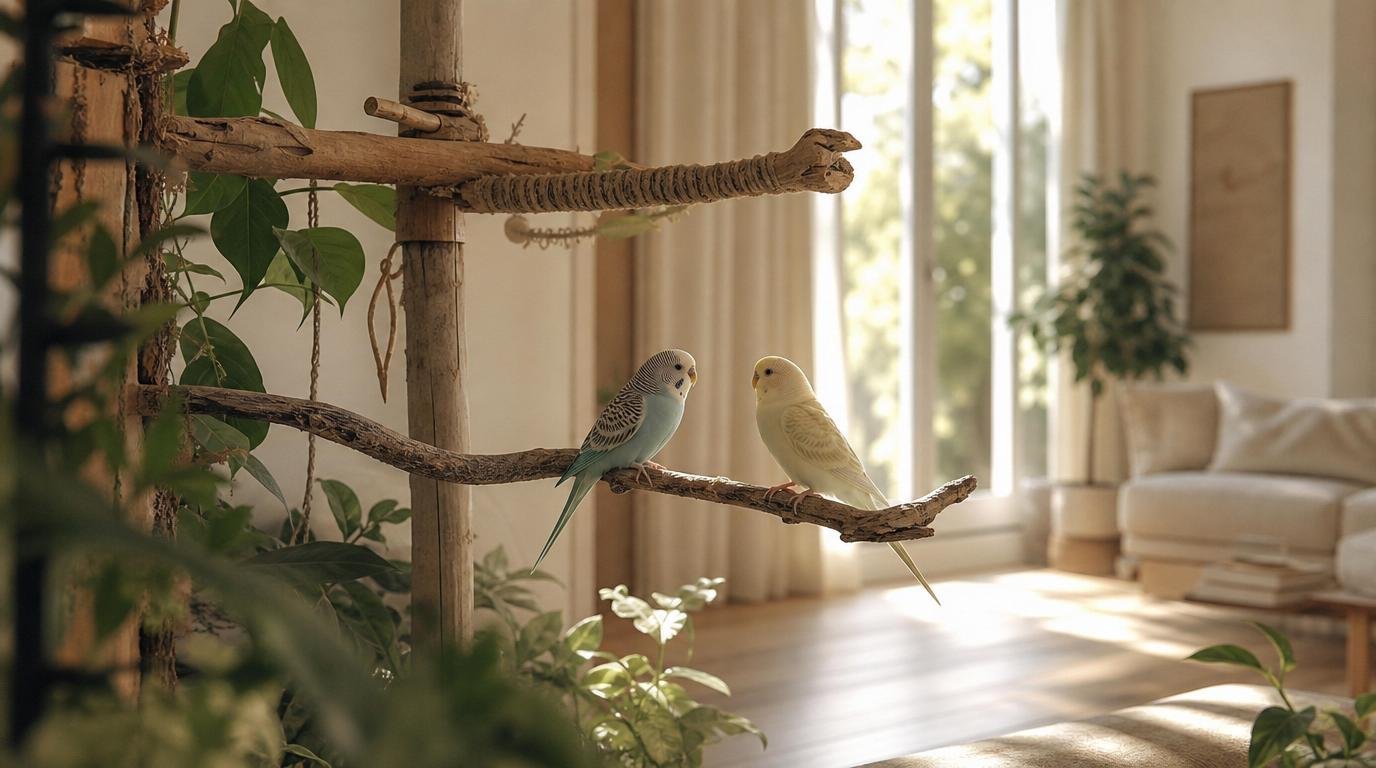
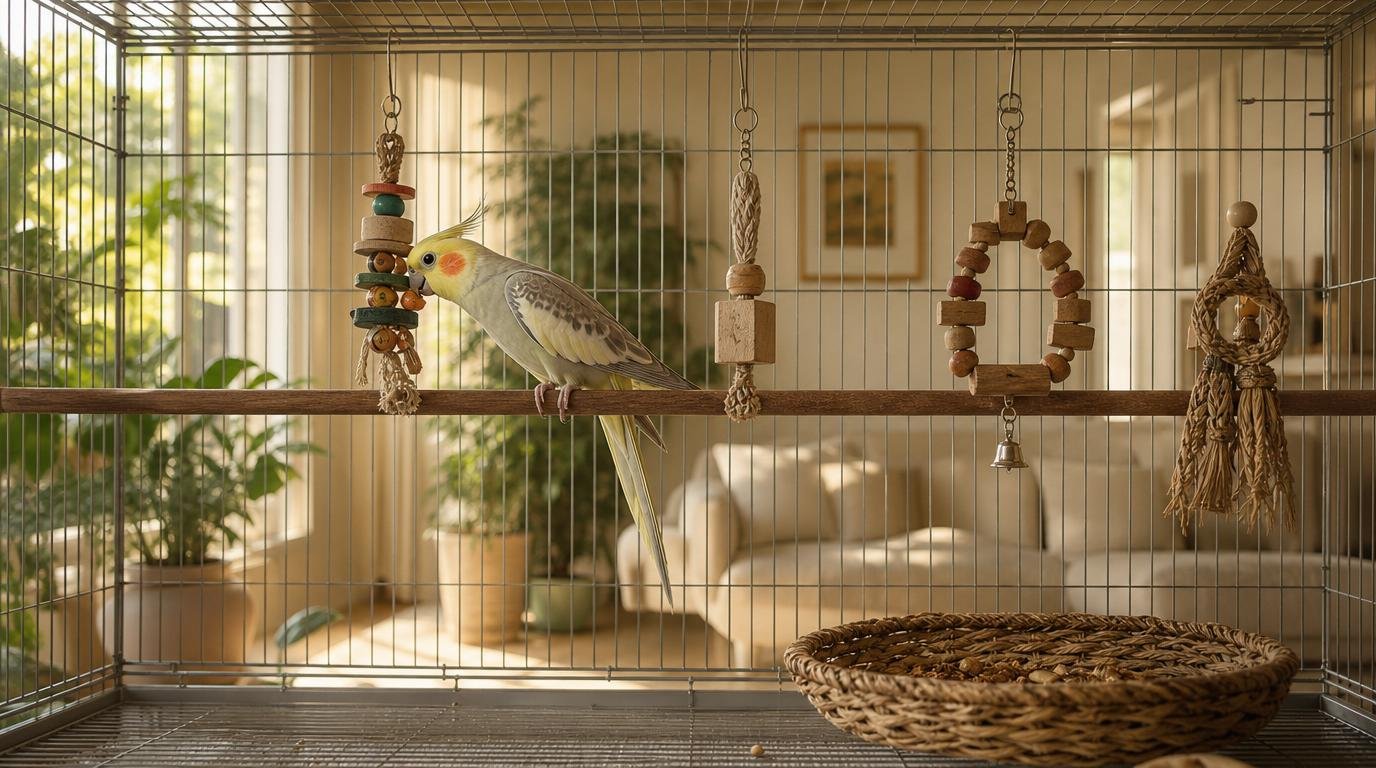
Physical activity is only half the story – birds are clever little dinosaurs and they love to play. Without mental stimulation, they can develop bad habits like screeching, biting, or tearing out feathers. Rotate a variety of bird-safe toys to keep things interesting. One week it’s a wooden chew toy, next week a foraging puzzle, the week after a swing. Most pet birds thrive on variety. The right mix of perches also makes a real difference here — texture, shape, and placement all factor into how active they stay.
You don’t have to break the bank, either: I’ve made DIY toys from egg cartons, bottlebrush tree branches (non-toxic wood), and even shredded junk mail. The key is to encourage natural behaviours. Hide a few treats in a folded paper or an empty cardboard tube so your bird can forage and work to extract them.
Chewing, shredding, problem-solving – it all counts as play and enrichment. And if your bird is more of a talker or singer, spend time each day whistling or chatting with them. Some folks even put on the radio or a YouTube bird video when they’re out, so their bird has “company.” Basically, make play a daily ritual.
Social time and bonding
Birds are highly social creatures – in the wild, they’re nearly always with a flock or a mate. That means your feathered friend craves interaction every day. If you work from home or have some free time, try to hang out near your bird’s cage often. Talk to them as you do chores (“How’s it going, mate?”), let them perch on your shoulder while you watch TV, or teach them simple tricks. Birds love a good chat and even more, they love attention from their favourite human. A budgie might learn a few words from constant chatting, a cockatiel might whistle along to your tunes, and a galah might just enjoy a head scratch — find what your bird responds to.
Now, if you can swing it, consider a bird buddy. Many budgies, cockatiels and parrots thrive with a companion of their own kind – they’ll chatter, preen each other, and generally keep each other occupied. Just introduce new birds carefully and slowly to avoid any squabbles.
Not everyone can manage a second bird, so at the very least, you become the surrogate flock. As long as your bird feels included and secure, you’ll prevent loneliness. A lonely bird can become depressed or loud or start plucking feathers out of frustration. So carve out a bit of one-on-one time every day, even if it’s just a few minutes.
FAQ
What foods are unsafe for pet birds?
Several common human foods can actually poison our feathered friends, so it’s crucial to know what to avoid. Top of the list is avocado – it contains a compound that’s toxic to birds. Chocolate, caffeine (in coffee, tea, cola), and alcohol are also big no-no’s, as they can cause serious organ damage in birds. Steer clear of onions and garlic (even powdered forms), which can lead to anemia in birds. Other items like fruit seeds and pits (e.g. apple seeds, peach pits), high-salt snacks (chips, pretzels), and anything mouldy or spoiled should never be given. Even seemingly harmless foods like rhubarb or raw potato are on the unsafe list. When in doubt, stick to bird-safe fruits, veggies, and formulated diets, and check a trusted list of toxic foods for birds. A good rule is: if it’s junk food for you, it’s probably junk (or dangerous) for your bird. Keep those cheeky beggars away from your chocolate bikkies!
Should I cover my bird’s cage at night?
Covering the cage at night is generally a good idea. It helps your bird settle down and get proper sleep by simulating the dark, quiet roosting conditions they’d have in the wild. Most pet birds, like parrots, need around 10 to 12 hours of sleep every night. I use a breathable dark cloth to cover Kiwi’s cage around 7 pm, which signals “bedtime” for him – he usually gives a last chirp and then quiets down. Covering also prevents any sudden startles from lights, TVs, or us humans moving about. Just make sure there’s still some airflow (don’t seal the cage tight). In warm weather, use a light sheet so it doesn’t get too stuffy. Some birds might initially fuss at the cover, but they often come to appreciate the routine. If your bird truly hates the cover or seems stressed by it, you can try a partial cover (one side open) or simply ensure the room is dim and calm. But overall, a cover at night helps most birds feel secure and catch their Z’s – meaning you won’t have a cranky, sleep-deprived parrot in the morning.
How can I tell if my bird is sick?
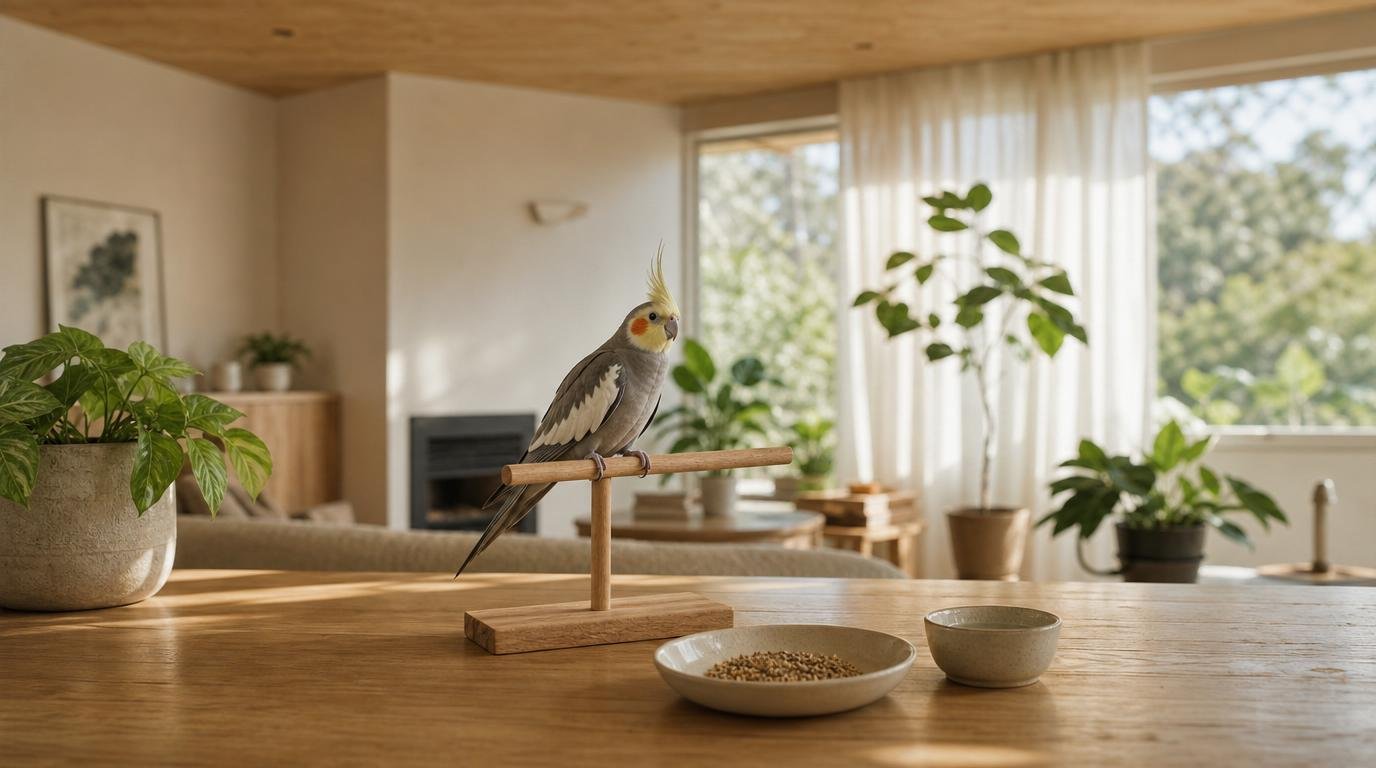
Birds are experts at hiding illness (a survival instinct from the wild), so you need to be observant. Every day, take a quick look at your bird’s appearance and behaviour. Warning signs include changes in droppings – if you notice unusual colour or consistency (healthy bird poop is typically green or brown with white urates, and not overly runny), it could signal a problem. A sick bird often sits fluffed up for long periods, looking sleepy or lethargic, or may sit at the bottom of the cage instead of perching. Other red flags: loss of appetite, drinking much more or less than usual, sneezing or discharge from the nostrils or eyes, and any swellings or limping. If your parrot that usually chats non-stop suddenly goes quiet and sulky, pay attention. I check Kiwi’s food bowl and water each day for how much he’s eating and drinking, and I’ll notice if he skips his usual excitement for a treat. The moment you suspect something’s off, it’s best to call an avian vet. Birds can go downhill quickly once symptoms show, so don’t wait. For peace of mind, you can learn the signs of a sick bird and have a good bird vet’s number on hand. An annual check-up is smart too, since vets can catch issues we might miss.
Do pet birds need direct sunlight?
Sunshine is great for birds, in moderation. Natural sunlight (not just the light through a window) helps birds produce Vitamin D3, which is crucial for calcium metabolism and overall health. In Australia, we’ve got plenty of sun, so use it to your bird’s benefit – just safely. If you have an outdoor aviary or even a secure cage that you can move outside, let your bird enjoy 20-30 minutes of morning sun a few times a week. Avoid the harsh midday sun to prevent overheating or sunburn (yes, birds can overheat, especially species like budgies or cockatoos that hail from milder climates). Always provide a shaded area so the bird can move out of the sun when they’ve had enough. For indoor-only birds, consider getting a full-spectrum UV lamp designed for birds and reptiles – I use one for Kiwi during the rainy season so he still gets some “sun” vitamins. Never place the cage in direct sun through a window, as it can turn the cage into a sauna and glass filters out the beneficial UVB rays anyway. The key is balance: a bit of safe sun does wonders for a bird’s health and mood (you’ll notice more vibrant feathers and perky behavior), but too much sun or heat can be dangerous. So give them a taste of the outdoors regularly, just with common-sense precautions.
Final thoughts
Raising a happy, healthy bird in Australia comes down to simple daily habits done well. It’s like raising kids – consistency and care are everything. Sure, you’ll invest a few extra minutes each day cleaning, feeding fresh foods, and having a natter with your avian mate, but the rewards are huge. You’ll have a bird that’s not just surviving but truly thriving – bright-eyed, active, and bonded with your family. Aussie conditions have their quirks, but with a bit of savvy (shade in summer, warmth in winter, and keeping Polly away from the frying pan fumes), your bird will sail through the seasons.
At the end of the day, a thriving bird is a joy to behold. So stick with these daily routines, stay observant, and don’t be afraid to seek advice from vets or the RSPCA if you need. Your feathered friend is counting on you, and with the right habits, you’ll give them the best life possible. Good on ya for being a top-notch bird owner!
We Think You’ll Also Like These Guides
 BIRD
BIRDSigns Your Pet Bird Is Sick in Australia: When to See an Avian Vet
Birds hide illness until they're seriously unwell. Learn the subtle early signs, and know when a vet visit can't wait.

 BIRD
BIRDBest Bird Perches in Australia: Reviewed for 2026
The right perch keeps feet healthy and claws in check. We found the best for comfort, variety and natural foot exercise.

 BIRD
BIRDBest Bird Toys in Australia: Reviewed for 2026
A bored bird is an unhappy bird. These are the best toys to keep clever beaks busy, from foragers to shredders to noisy favourites.