Cats | Health
Should I give my cat a Multivitamin? 2026 Advice for Australian Cat Owners
Cats have very specific nutritional needs, and most high-quality cat foods in Australia are already formulated to meet every one of them. Unlike us, they can’t just “top up” with random extras — their bodies are far less forgiving when things get out of balance. So when you’re watching your cat stretched out in the heat, looking perfectly content, it’s natural to wonder if you should be doing more. A good cat multivitamin (along with probiotics and omega 3s) feels like a safe, responsible choice — but when should we add one, and when is it better to avoid?
The Upshot
If your cat eats a complete diet, a multivitamin usually isn’t needed — and may cause harm.
Modern cat foods labelled “complete and balanced” already cover the essentials — protein, taurine, vitamins, the lot. Supplements only earn their keep when a vet flags a deficiency, a homemade diet leaves gaps, or recovery from illness calls for targeted support. For the average healthy cat, less really is more.
Best Overall Multivitamin
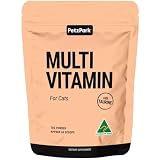
Petz Park Cat Multivitamin
- Cat-specific taurine and lysine blend
- Omega-3 for skin and coat support
- Fish flavour won’t suit every cat
See the full Product Guide: Best Multivitamins for Cats in Australia
Best for Senior Cats

Life Extension Cat Multivitamin Mix
- Broad vitamins plus antioxidants and probiotics
- Includes taurine and L-arginine
- Premium priced per 100 g
See the full Product Guide: Best Multivitamins for Cats in Australia

For Aussie cat owners, this matters more than it seems. Between scorching summers, humid coastal air, and the odd indoor–outdoor lifestyle, it’s easy to assume our cats need a little extra nutritional backup. But here’s the thing — most are already getting exactly what they need from their food, and adding more isn’t always harmless. For example, official RSPCA advice notes that a balanced diet generally means “no need for vitamin or mineral supplements”.
In this guide, we’ll walk you through what cats actually need, when a multivitamin might make sense (think homemade diets, recovery from illness, or vet-diagnosed deficiencies), and when it’s just an unnecessary extra cost. Because while supplements can be helpful in the right situation, for the average healthy cat, they can quietly tip things in the wrong direction.
Quick Takeaways
The five things worth remembering. Scroll across to read all five.
Complete food covers it
A complete and balanced commercial diet is already engineered for your cat’s life stage. Layering a multivitamin on top mostly duplicates what’s already there — useful only if you’re feeding homemade.
More isn’t safer
Fat-soluble vitamins like A and D can’t easily flush out of your cat’s system. Pile on extras and you risk slow-burn toxicity that strains kidneys, joints, and bones over time.
When supplements help
Cats recovering from illness, with absorption issues, or on a homemade diet may genuinely benefit. The catch — supplementation needs to be targeted and vet-guided, never added “just in case”.
Costs add up
A $20 monthly tub feels small, but it’s $240 a year — and pure waste if your cat doesn’t need it. Skip the guesswork and ask your vet for a deficiency check.
Quality matters
Stick to cat-specific products with proper dosing. Human vitamins are a hard no — especially gummies, which can contain xylitol — and bargain pet brands often lack regulation.
Understanding your cat’s diet
Obligate carnivore basics
Cats aren’t just “meat lovers” — they’re true carnivores, and their nutrition is pretty specific. They rely on nutrients that only come from animal sources, like taurine for heart and eye health, arachidonic acid for skin and hormones, and preformed vitamin A that plants simply can’t provide. In the wild, they’d eat whole prey — organs, bones, the lot — which naturally covers all those bases. Just feeding plain meat at home might feel right, but without those extras, it actually leaves some pretty important gaps.
Complete foods vs homemade diets
A good-quality commercial cat food is designed to cover everything your cat needs — not just protein, but the right balance of vitamins and minerals for their age and lifestyle. It takes the guesswork out completely. For most cats, keeping things simple with a complete wet or dry food (and fresh water daily) is the easiest way to avoid deficiencies. Treats and table scraps? Fine occasionally, but they should stay exactly that — extras, not the main event.
Homemade or raw diets are where things get trickier. It’s very easy to miss key nutrients without realising it — for example, plain meat doesn’t provide enough calcium on its own. That’s why DIY diets often need supplements to fill the gaps.
If you’re keen to go this route, it’s worth doing it properly with a vet or pet nutritionist involved, so you’re not accidentally creating a diet that looks healthy but isn’t.
Do cats need multivitamins?
When supplements can help
Most healthy cats eating a complete diet simply don’t need extra vitamins — they’re already getting exactly what they require in the right amounts. In fact, global veterinary guidelines are pretty clear on this: if the food is complete and balanced, adding more isn’t necessary and can even be risky.
Where supplements do come in is in specific situations. A vet might recommend them if your cat has an illness, is recovering from injury, or isn’t absorbing nutrients properly. Things like B12 for gut issues or joint support for older cats can be genuinely helpful — but they’re targeted fixes, not something to add to every bowl “just in case.”
Common supplement ingredients
Take a look at most cat multivitamin labels and you’ll see a long list — vitamins A, D, E, a stack of B vitamins, maybe C, plus minerals and taurine. It sounds impressive, but a lot of it is unnecessary for a healthy cat. They already produce vitamin C themselves, and excess B vitamins usually just get flushed out. Taurine is essential, yes — but it’s already added to every decent commercial cat food.
So in practice, a broad multivitamin doesn’t add much if the base diet is solid. Where supplements can actually be useful is when they’re targeted — for example, omega-3s for skin and coat, or specific nutrients your vet recommends. It’s less about adding everything, and more about adding the right thing, if it’s needed at all.
| Diet or supplement | What to know |
|---|---|
| Complete commercial diet | Formulated to meet all feline nutritional needs. A “complete” cat food contains the correct vitamins and minerals, so extra supplements are usually unnecessary. |
| Cat multivitamin supplement | Contains a mix of vitamins (A, D, E, B, etc.) and often taurine. Might seem to cover gaps, but overlapping nutrients can cause an overload. Monthly cost is often ~$10–20. Use only if vet recommends. |
| Homemade or raw diet | Can be unbalanced if not carefully prepared. Commonly lacks calcium and some vitamins. Often requires additional supplements or a nutritionist’s guidance to avoid deficiencies. |
Risks and considerations
Vitamin overdose dangers
It’s one of those cases where more isn’t better — it can actually backfire. If your cat is already on a balanced diet, piling on extra vitamins can push levels too high. Vitamin A, for example, is essential, but too much over time can lead to joint and bone issues. Vitamin D is even trickier — excess can spike calcium levels and put real strain on the kidneys.
Even “natural” or herbal supplements aren’t automatically safe for cats. Their systems are sensitive, and ingredients that seem harmless can cause problems. If you’re ever unsure, it’s worth pausing and checking with your vet first — a quick conversation can save you from creating a much bigger issue later.
Cost and product quality
Quality cat vitamins aren’t exactly cheap. Most sit around $20–$40 a bottle and don’t last long, so over a year it adds up faster than you’d expect. And if your cat refuses to eat them (which happens a lot), you’re not just wasting money — you’re potentially throwing off their nutrient balance too.
It’s also worth paying close attention to what you’re buying. Pet supplements aren’t regulated as tightly as medicines, so stick to products made specifically for cats and aligned with APVMA guidance. Human vitamins are a hard no — especially gummies, which can contain sweeteners like xylitol that are unsafe for pets. If you’re unsure whether your cat even needs a supplement, a quick vet check or blood test is a much smarter place to start.
FAQ
Does my cat need a multivitamin if I feed her good food?
Not usually. A high-quality, life-stage-appropriate cat food is formulated to provide all necessary vitamins and minerals. The RSPCA cat nutrition guide emphasises feeding a balanced commercial diet to meet a cat’s needs. In other words, if the food is complete, an extra multivitamin generally isn’t needed. Use supplements only if a vet has diagnosed a specific deficiency or medical issue.
Can giving vitamins hurt my cat?
Yes, they can. Cat bodies handle vitamins differently from humans. Too much of certain vitamins (especially A or D) can build up and become toxic. For example, excess vitamin D causes calcium to spike, which can damage kidneys. The RSPCA warns that unnecessary supplements “may actually cause health problems” in cats. Always be cautious: extra vitamins are safe only up to the levels your cat actually needs, so don’t exceed recommended doses.
When should I consider vitamin supplements?
Only in specific cases. A veterinarian may recommend vitamins if your cat has a diagnosed deficiency (perhaps from kidney disease, digestive problems, or after surgery) or if she’s on an unbalanced homemade diet. Kittens and nursing cats also have higher nutrient needs, so vet-recommended supplements might be used. Otherwise, extra vitamins won’t boost health and could create new problems (like nutrient imbalances).
What vitamins do cats specifically need?
Cats need vitamins A, D, E, K, and certain B vitamins, plus minerals and amino acids like taurine. They must get vitamin A preformed (they can’t convert beta-carotene), and taurine is essential for heart and eye health. But again, these should come from food. Official guidelines like the APVMA nutrient guidelines list the roles of each vitamin and mineral (e.g. vitamin A supports vision and growth, vitamin D aids calcium absorption and bone health). Never give your cat human vitamins — their dosages and ingredients differ greatly from cat-specific formulas.
How do I know if my cat has a vitamin deficiency?
It’s hard to tell from looks alone. Subtle signs include a dull coat, low energy, poor appetite, slow wound healing, or unusual sensitivity to cold — but these symptoms overlap with plenty of other conditions. The only reliable way to confirm a deficiency is a vet exam with bloodwork. If something feels off, book a check-up rather than reaching for a multivitamin first — guessing wrong with supplements can mask the real problem or create a new one.
Final thoughts
At the end of the day, it really comes back to the basics. If your cat’s eating well, has a glossy coat, good energy, and is generally thriving, you’re already on the right track — and a multivitamin isn’t going to magically improve that.
Supplements can have their place, but they also add cost, effort, and the risk of getting things slightly wrong. A solid diet, fresh water, and regular vet check-ups will do far more for your cat’s long-term health. Keep those dialled in, and chances are your cat won’t need anything extra at all.
We Think You’ll Also Like These Guides
 CAT
CATBest Probiotics for Cats in Australia: Ultimate Owners Guide
Loose tummies, hairballs and stress can throw a cat's gut out of balance. We found the probiotics that actually help settle things.

 CAT
CATBest Joint Supplements for Cats in Australia for Arthritis and Joint Stiffness
Cats hide stiff, sore joints well. We found the supplements that genuinely support mobility and ease arthritis as they age.

 CAT
CATBest Multivitamins for Cats in Australia: Ultimate Reviews
A balanced diet covers most needs — but not every cat's. We found the multivitamins worth adding, and when they actually help.