Cats | Health
Best Multivitamins for Cats in Australia: Ultimate 2026 Reviews
Cats are obligate carnivores, which means their bodies rely on specific nutrients from animal-based foods (and yep, taurine is one of the big ones). A well-designed multivitamin can help fill small nutritional gaps: younger cats sometimes benefit during growth spurts, indoor adults can use a bit of support for skin and coat health, and older cats often need extra help with joints, digestion, and immune function as they slow down (see our separate Product Guide on the best probiotics for cats for gut health). The “best” cat multivitamin choice isn’t about the fanciest label — it’s the one that quietly tops up the nutrients that matter without accidentally doubling up what your cat already gets from their regular food.
Best Overall
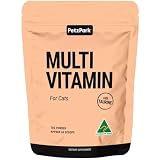
Petz Park Cat Multivitamin
- Taurine, omega-3, and lysine
- Omega-3 supports skin and coat
- Fish flavour not for every cat
Best for Senior Cats

Life Extension Cat Multivitamin Mix
- Vitamins, antioxidants, probiotics
- Includes taurine and L-arginine
- Premium priced per 100 g
Best for Fussy Cats

Petssentials 15-in-1 Liquid Drops
- Liquid drops suit fussy cats
- Adds cranberry and joint support
- Bottle can run out quickly
Best Multi-pet Option

Wonderfur Daily Multivitamin
- Large tub; multi-pet friendly
- 21+ nutrients covers common gaps
- Measuring needs real consistency

We compared these four options on the things that actually matter day-to-day: ingredient quality, nutritional intent (taurine, omega-3s, probiotics and friends), dosing clarity, and practical use in Aussie homes — storage, mess, and how fast you’ll repurchase. Our framing aligns with mainstream feline nutrition thinking, including the RSPCA cat feeding guide.
What to look for in a cat multivitamin
Five things worth weighing up before you click buy. Scroll across for the full set.
Need or nice?
Kittens during growth, indoor adults with a dull coat, and seniors are the cats who often benefit. If your cat’s already eating a complete diet and thriving, more isn’t better — it’s redundant.
Format you’ll stick with
Powders are economical but some cats refuse them outright. Liquids are easy to dose into food or water but run out fast in multi-cat homes. Pick the format you’ll keep up daily.
Feline-relevant ingredients
Taurine is the non-negotiable, then weigh up omega-3s, probiotics, and amino acids based on your cat’s situation. Clear weight-based dosing matters more than a long ingredient list with no quantities.
Storage in our climate
Heat and humidity quietly destroy nutrient potency. Decant powders into airtight containers, refrigerate when the label says so, and keep everything well away from the kettle or the laundry.
Cost per day
Divide pack price by serves to get the daily cost, then multiply for a year. A $35 tub that lasts two months is $210 a year — make sure it earns its keep.
At a glance
Our top four picks compared — specs, prices, and our one-line take on each.
| Rank | Product | Best for | Key feature | Approx. price | Check price link |
|---|---|---|---|---|---|
| Best Overall |  | A simple, cat-specific daily topper | Aussie powder with taurine, omega-3, and lysine. | ~$30–35 | Check price |
| Best for Senior Cats |  | Senior cats needing broad nutritional coverage | 10+ vitamins with antioxidants, probiotics, and amino acids. | ~$50–55 | Check price |
| Best for Fussy Cats |  | Fussy cats who refuse powders | Liquid drops with 15-in-1 vitamin, mineral, and joint support. | ~$20–25 | Check price |
| Best Multi-pet Option |  | Mixed dog–cat households that measure carefully | Australian powder with 21+ nutrients for cats and dogs. | ~$45–50 | Check price |
Our picks in detail
What we love, what to watch out for, and who each pick really suits.
Best Overall: Petz Park Cat Multivitamin
Bottom line — a simple, cat-specific daily topper with the right basics (taurine, omega-3, lysine) and clear weight-based dosing.
If you want one cat-only option that covers the basics without getting too clever, this is the pick. The active trio (taurine, omega-3, and lysine) is practical for everyday feline nutrition, and the powder format is made to blend into wet or dry meals rather than replace them.
Taurine is non-negotiable for cats, and pairing it with lysine and fatty acids is a solid “foundation” approach for heart, immune, and skin support without chasing hype. The built-in safety win is the clear weight-based dosing, which reduces the risk of accidental over-supplementing.
Ongoing cost is predictable: at roughly 60 scoops per pack, you’re looking at about 30–60 days of daily use depending on whether your cat needs one or two scoops — affordable, but definitely recurring. For fussy cats (Luna has entered the chat), start with a tiny pinch in strongly-smelling wet food and build up over a week so the flavour change doesn’t trigger a hunger strike. In Aussie humidity, seal the pouch tightly and consider decanting into a small airtight jar so the powder stays free-flowing.
| What we love | Areas for improvement |
|---|---|
|
|
Best for Senior Cats: Life Extension Cat Multivitamin Mix
Bottom line — the most comprehensive formula here, with antioxidants and probiotics on top of the usual basics; best for seniors.
This is the “kitchen sink” option: a dense powder that stacks multiple vitamin groups (including A, several B vitamins, C, and E) alongside antioxidant ingredients like green tea extract and herbal extracts. It also includes amino acids (taurine and L-arginine) and probiotic strains, so it’s positioned as a broad-spectrum topper rather than a single-goal supplement.
That kind of wide nutritional coverage can be particularly useful for senior cats, helping support ageing immune systems, heart health, and nutrient absorption as their metabolism slows down. Ingredient quality matters most with formulas this packed, and one standout here is the Certificate of Analysis availability — much more meaningful than vague “premium” claims when you care about consistency.
The trade-offs are tolerance, logistics, and price. It’s rich, so introduce gradually over 7–10 days to keep digestion steady, especially if your cat is sensitive. The serving guide is more “measure and adjust” than point-and-shoot: for a cat around 2.7–4.1 kg, a common target is two scoops per day, then adjust with weight and overall diet. It also needs refrigeration after opening, which helps with freshness but is annoying if you travel or you’re short on fridge space. It’s premium priced per gram, so it suits cats that genuinely benefit from broader coverage rather than those already thriving on a complete, varied diet.
| What we love | Areas for improvement |
|---|---|
|
|
Best for Fussy Cats: Petssentials 15-in-1 Liquid Drops
Bottom line — the easiest format for cats who refuse powders, with bonus joint and urinary support built in.
For cats who treat powders like personal insults, liquid drops can be a genuine workaround. This 15-in-1 blend combines vitamins and minerals with probiotics, plus glucosamine for joint support and cranberry extract commonly used in urinary routines.
Nutritionally, it’s set up as an all-round daily wellness top-up — immune support, skin and coat, digestion, mobility, and bladder support — so it can reduce the temptation to stack multiple separate products. The dropper also improves safety, because it makes measuring small amounts realistic (and cats are small, so accuracy matters).
The two trade-offs are suitability and repeat-buy frequency. Because it includes joint and urinary actives, it’s not automatically right for cats already on targeted supplements or those on vet-directed urinary or kidney diets — keep the total “extras” conservative. The bottle is 60 ml, so how long it lasts depends entirely on the dose and whether you’re dosing one cat or a full household. In hot Aussie months, store it in a cool, dark place (not the laundry) and keep the dropper clean so the formula stays stable. If your cat is a drama queen about flavour changes, start by mixing it into a small “test portion” of wet food rather than the entire meal.
| What we love | Areas for improvement |
|---|---|
|
|
Best Multi-pet Option: Wonderfur Daily Multivitamin
Bottom line — the most practical option for multi-pet households, with broad coverage but careful measuring required.
This is the most “whole-household” option: a daily powder for dogs and cats built around 21+ essential nutrients and an 11-in-1 approach. The nutritional breakdown is vitamin/mineral heavy (dual-source calcium plus phosphate, vitamins A/D3/E/K, B-complex, zinc, and magnesium) with taurine included for heart and eye support.
That breadth is useful for topping up low-variety diets, but it also means dosing discipline is non-negotiable. From a safety standpoint, it’s best used as a measured add-on, not a casual “sprinkle more for extra goodness” situation. Where it shines is practicality and value: a 200 g tub works well for mixed dog–cat households, and the kangaroo flavour can help with acceptance when mixed into wet food (Bruce the Golden would eat it straight; your cat deserves better manners).
Because it’s not cat-only, it’s a better fit for owners who measure carefully and keep the serve conservative if their cat already eats a nutrient-dense diet. Packaging matters in Australia too — fine powders can leak if the lid isn’t seated properly, and humidity can invite clumping. Open over the sink, reseal firmly, and consider decanting into an airtight container if you live near the coast.
| What we love | Areas for improvement |
|---|---|
|
|
FAQ
Does my cat actually need a daily multivitamin?
How are pet supplements regulated in Australia?
What ingredients matter most for cats in an all-in-one multivitamin?
My cat has a sensitive stomach — how do I introduce a supplement safely?
Can I give my cat human vitamins instead?
Final thoughts
The “right” choice comes down to your cat’s diet, tolerance, and what you can realistically do every day without creating drama at dinner time. Keep it simple: pick a formula with feline-relevant ingredients, measure consistently, introduce it gradually, and store it properly through summer heat and humidity. The ongoing cost is the part most people underestimate — so do the quick cost-per-day maths before you commit. When in doubt, treat supplements as gap-fillers, not cures, and let your cat’s coat, appetite, and litter-tray habits be your reality check.
We Think You’ll Also Like These Guides
 CAT
CATBest Probiotics for Cats in Australia: Ultimate Owners Guide
Loose tummies, hairballs and stress can throw a cat's gut out of balance. We found the probiotics that actually help settle things.

 CAT
CATBest Joint Supplements for Cats in Australia for Arthritis and Joint Stiffness
Cats hide stiff, sore joints well. We found the supplements that genuinely support mobility and ease arthritis as they age.

 CAT
CATBest Omega 3 Fish Oil for Cats in Australia: Ultimate Guide for 2026
Omega-3 supports a cat's skin, coat, joints and heart. We found the purest, best-value fish oils — and the right dose.