Dogs | Accessories
Your Ultimate Guide to the Best Hands-free Dog Leashes for Running in Australia – 2026
Running with your dog in Australia can be an absolute joy — until you’re juggling a leash, a water bottle, and maybe a morning coffee (looking at you, owners with active breeds). Switching to one of the best hands-free dog leashes changes the whole routine. A good hands-free leash keeps your pup secure at your side while your hands are free to swing naturally — or sneak a treat mid-run. It’s a real comfort upgrade for both ends of the lead, and a small piece of gear that quietly fixes a daily frustration most owners didn’t realise they had.
Best Overall

KONG Reflective Shock Absorbing Bungee Leash
- Trusted KONG durable construction
- Bungee absorbs sudden pulls
- Too bulky for small dogs
Best Versatile

EzyDog Road Runner Dog Leash
- Waist or hand-held use
- Zero Shock bungee absorbs pulls
- Can be heavy for small dogs
Best for Trail Runners
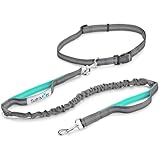
Tuff Mutt Hands Free Dog Leash
- Exceptional build quality
- Easy-glide lateral belt clip
- Shorter base length (1.2 m)
Best Budget

UPET Hands Free Dog Leash
- Includes a handy waist pouch
- Visible in low-light conditions
- May loosen under strong pulling

The right hands-free leash transforms morning runs from arm-yanking chaos into something both you and your dog actually enjoy. The four below cover the main use cases — heavy-duty all-rounder, premium-versatile, trail-specific, and budget — and each was tested against the things that matter in real Aussie conditions: shock absorption, reflective visibility, and build quality that survives beach trips and summer storms.
What to look for in a hands-free dog leash
The five details that decide whether the leash earns its place. Scroll across to read all five.
Size and fit
The waist belt should adjust to fit you comfortably, and the leash length should suit your dog’s stride — thinner webbing for small dogs, thicker for larger breeds, to keep things safe and balanced underfoot.
Build and durability
Look for waterproof or quick-drying webbing for Australian beach and creek adventures. Rust-resistant metal clips matter, and a sturdy bungee section will outlast a basic nylon-only leash by years.
Reflectivity
Most runs happen at dawn or dusk in summer. Reflective stitching or panels along the leash and belt are the difference between being seen by an early-morning cyclist or motorist and not.
Comfort features
Padded waist belts and neoprene-lined handles make a real difference on longer runs in the Aussie heat. A plain nylon belt digging in at the 5 km mark turns the whole thing into a chore.
Ongoing costs
Most hands-free leashes are one-and-done purchases, but check the warranty and whether bungee sections can be replaced separately. Aussie brands generally offer easier returns than US imports.
At a glance
Our top four picks compared — specs, prices, and our one-line take on each.
| Rank | Product | Best for | Key feature | Approx. price | Check price link |
|---|---|---|---|---|---|
| Best Overall |  | Runners with medium-to-large dogs | 1.8 m bungee leash with traffic handle near the dog. | ~$72–$82 AUD | Check price |
| Best Versatile |  | Owners who want one leash for everything | Convertible waist-to-hand-held design with Zero Shock bungee. | ~$55–$70 AUD | Check price |
| Best for Trail Runners |  | Trail runners with medium-to-large dogs | Easy-glide belt clip lets the dog move side-to-side freely. | ~$68–$88 AUD | Check price |
| Best Budget |  | Casual walks and jogs on a budget | Adjustable belt with zip pouch and reflective stitching. | ~$25–$35 AUD | Check price |
Our picks in detail
What we love, what to watch out for, and who each pick really suits.
Best Overall: KONG Reflective Shock Absorbing Bungee Leash
Bottom line — the strongest pick for runners with medium-to-large dogs who want a heavy-duty bungee leash built to last.
It’s hard to beat KONG for tough pet gear, and this hands-free leash is no exception. The bungee section has just the right amount of give — if an enthusiastic puller suddenly lunges, the leash stretches gently instead of jolting you both. The 1.8 m length is right for a medium or large dog to trot comfortably without tripping you up.
The traffic handle near the dog’s end is a standout — grab it when you pass other dogs or stop at an intersection and you have instant close control. The wide neoprene-lined waist belt stays comfortable on humid Australian mornings and doesn’t dig in over long runs. Reflective detailing along the leash keeps you visible to early-morning cyclists and motorists. It’s a bit pricier than the budget end, but the heavy-duty clip, strong stitching, and trusted KONG build make it the leash most likely to still be working a year of daily runs later.
| What we love | Areas for improvement |
|---|---|
|
|
Best Versatile: EzyDog Road Runner Dog Leash
Bottom line — the right call if you want one premium leash that does waist, shoulder, and hand-held duty with reliable shock absorption.
EzyDog’s Road Runner is the Swiss Army knife of dog leashes — and it helps that EzyDog is an Australian brand, so the design assumes our conditions. The Road Runner can wrap around your waist, sit over your shoulder, or work as a regular hand-held leash. A sliding buckle adjusts the length on the fly: extend out to 2.1 m for roaming, or shorten it to keep your dog close in busy areas.
The Zero Shock bungee section is the highlight — it noticeably reduces the impact when a dog pulls suddenly. The webbing is high quality with a reflective weave for dawn and dusk runs, and the neoprene-padded handle feels soft in hand when you switch to hand-held mode. The price sits at the premium end, and the leash is a little heavy for very small dogs, but for serious runners and hikers who want one leash that does everything, it’s hard to beat. The Australian after-sales support is a quiet bonus.
| What we love | Areas for improvement |
|---|---|
|
|
Best for Trail Runners: Tuff Mutt Hands Free Dog Leash
Bottom line — built for trail and bush running where the dog needs to move side-to-side without yanking you off balance.
The Tuff Mutt’s design centres on one clever idea: an easy-glide belt clip — a durable metal ring that slides smoothly along the waist belt as your dog moves from side to side, instead of yanking you off balance. On a single-track bush trail or a winding coastal path, that lateral freedom makes a real difference. The nylon webbing is solid, and the bungee adds a forgiving stretch for sudden lunges.
The shock-absorbing bungee stretches from roughly 1.2 to 1.5 metres — enough running room for a medium or large dog without turning every jog into a tug-of-war. Double padded handles (one at hip height, one near the dog’s end) cover both steady running and quick close control. Full-length reflective stitching handles low-light visibility, and the 360-degree swivel snap stops the leash twisting as the dog weaves. The main trade-offs: the base length is shorter than the EzyDog Road Runner above, and the waist belt is plain nylon rather than neoprene padded.
| What we love | Areas for improvement |
|---|---|
|
|
Best Budget: UPET Hands Free Dog Leash
Bottom line — the right pick for casual walks and jogs where premium features aren’t worth the cost premium.
If you’re after an affordable hands-free leash that covers the basics, UPET’s model is a pleasant surprise. It’s lightweight and easy to set up — clip the leash to your dog’s collar or harness, buckle the belt around your waist, and off you go. The waist belt adjusts across a range of sizes and includes a small zippered pouch for phone, keys, and a few treats.
Despite the low price, the leash still has a bit of bungee stretch to soften pulling. The reflective stitching shines under streetlights for evening runs. It’s not as heavy-duty as the premium brands — a strong Labrador who lunges at kangaroos would test it — but it holds up well on daily jogs. The metal clip is standard and does the job, though it’s worth giving it a rinse after beach runs to keep rust at bay. If the dog really surges, the waist belt can shift, so tighten it before setting off. Solid functionality without the premium price.
| What we love | Areas for improvement |
|---|---|
|
|
FAQ
Are hands-free dog leashes safe to use while running?
Can I use hands-free dog leashes to run with my puppy?
Should my dog wear a harness with hands-free dog leashes?
How do I train my dog to run with me on hands-free dog leashes?
Can I run with two dogs on hands-free dog leashes?
Final thoughts
Switching to a hands-free dog leash can transform your daily runs or walks — it certainly has for me and Bruce. The right leash keeps your dog secure and your hands unencumbered, making exercise more enjoyable for you both. Consider your dog’s size and pulling habits when choosing; a comfy fit and strong, safe materials are non-negotiable. In Australia’s climate, durability (and a bit of reflectivity for those early mornings) goes a long way.
No leash replaces good training — take the time to teach your dog leash manners so you can stride together in sync. With the gear and guidance above, you and your best mate will be all set to hit the pavement or trail, hands-free and happy.
We Think You’ll Also Like These Guides
 DOG
DOGBest Greyhound Collars in Australia: 2026 Guide
Slim necks and big heads mean greyhounds need special collars. We found the safest, most comfortable picks for the breed.

 DOG
DOGBest Dog Travel Water Bottles in Australia: Ultimate Guide
Walks, road trips and hot days — easy hydration on the go. We compared the best leak-free travel bottles for thirsty dogs.

 DOG
DOGCan I Use Apple AirTags as a GPS Collar for My Dog? Ultimate Guide for Australians
AirTags are cheap and clever, but they're not a real GPS collar. Here's where they help, where they fall short, and what to use instead.