Aquarium | Lifestyle
How to Set Up Your First Tropical Aquarium: A Beginner’s Guide
There’s a quiet trick to a healthy tropical tank, and it isn’t the fish — it’s the four weeks before you add any. A first aquarium that thrives starts with a cycled, heated, well-filtered tank and a patient owner who let the nitrogen cycle do its job in advance. Skip that and the tank that looked perfect on Sunday becomes a stress experiment by Wednesday. The good news: the steps are knowable, the gear is forgiving, and the welfare expectations the RSPCA sets out for tropical fish are well within reach for any apartment bench.
The Upshot
Start with the water, not the fish — cycle the tank first.
Set up the tank, plant it, cycle it for four to six weeks, then add fish slowly. The nitrogen cycle quietly converts toxic ammonia into much safer nitrate, and skipping it is the single biggest reason first tanks fail. Patience here saves fish later, and it’s the difference between a hobby and a heartbreak.
Best Beginner Heater

Fluval T100 Fully Electronic Heater
- Clear all-angle LED status ring
- Auto dry-run safety cut-off
- Costs more than glass heaters
See the full Product Guide: Best Aquarium Heaters in Australia
Best First-Tank Filter

AquaClear 50 Power Filter
- Strong three-stage filtration
- Adjustable flow for gentle fish
- Needs space behind the tank
See the full Product Guide: Best Aquarium Filters in Australia

Most first-time fish keepers buy the tank, the fish and the food on the same trip and lose half of them in a fortnight. The error isn’t enthusiasm — it’s order of operations. Learning how to set up a tropical aquarium is less about the shopping list than the sequence: a tropical tank isn’t a goldfish bowl with a heater; it’s a small, working ecosystem that needs time to colonise with the right bacteria before it can support anything alive. Get that sequence right and the rest is mostly maintenance, observation, and the very particular pleasure of watching a planted tank slowly find its rhythm.
Pixel watches our living-room tank the way other cats watch street pigeons, which we’ll take as a quiet endorsement. What follows is the version of this we’d give a friend who’s just brought a 60-litre tank home from a sale — tank size, fishless cycling, heater and filter basics, the temperature and chemistry that actually matter, and how to pick first fish that suit the water rather than the other way around. No shortcuts that cost a fish later.
Quick Takeaways
The five things worth remembering. Scroll across to read all five.
Cycle before fish
The nitrogen cycle takes four to six weeks before any tank is biologically ready. Start with ammonia and a test kit, not livestock — the fish you add later survive because of what you did first.
Bigger is easier
Tanks under 50 litres swing in temperature and chemistry faster than a new keeper can correct them. A 60- to 100-litre tank is more forgiving and gives first fish room to behave normally.
Hold 25°C steady
Tropical species need a stable 24–26°C, not a flicker between 22 and 28. A thermostat heater rated to your tank volume is the single most important piece of gear after the filter.
Test water weekly
A liquid test kit costs less than a dead fish and reads ammonia, nitrite and nitrate honestly. Strip tests are a rough guide at best. Trust the colour against the chart, not your eyes through the glass.
Slow stocking, hardy fish
Add two or three small, beginner-tolerant fish first, then wait a fortnight before the next group. Neon tetras, zebra danios and Corydoras are easier first picks than bettas or angelfish.
Pick a tank size that gives you margin
The smaller the tank, the harder it is to keep alive. A 20-litre nano on the kitchen bench looks tidy until a single uneaten pellet sends ammonia into the red zone the next morning. Bigger tanks dilute mistakes — there’s simply more water to absorb a temperature swing, an overfeed, or a slow-leaking filter. For a first tropical setup, the sweet spot is somewhere between 60 and 100 litres. That’s enough volume to forgive a learner’s pace, small enough to fit a sturdy cabinet, and well within the RSPCA’s recommendation that “the minimum tank volume should be 50 litres” for tropical fish.
Footprint matters too. A long, low tank gives more swimming length than a tall, narrow one of the same litreage, and most beginner-friendly community species are happier with horizontal real estate than vertical. Pick a stand or cabinet rated to the filled weight — a hundred-litre tank with substrate sits closer to 130 kilograms, which is more than most Ikea tabletops are designed for. Place it away from direct sunlight (algae bloom heaven), away from the air-conditioner vent (temperature swings), and somewhere you’ll actually walk past every day. Tanks you can’t see daily are tanks whose problems you spot late.
How the nitrogen cycle works (and why it takes a month)
This is the step everyone wants to skip and the one nobody can. A new aquarium is just water in a glass box; what makes it a habitat is a colony of nitrifying bacteria growing inside the filter media, gravel and surfaces. Those bacteria convert ammonia — the toxic waste fish produce constantly — into nitrite, then into the much safer nitrate that water changes remove. Without that colony, ammonia accumulates. With it, you have a tank that quietly handles its own chemistry between maintenance days.
Key Insight
The RSPCA notes that “ammonia is toxic to fish at 0.1ppm” — one part in ten million. That’s why “just adding fish slowly” isn’t a cycle: there’s no margin to absorb the spike. The bacteria have to be there first.
The cleanest way to do this is a fishless cycle: add a small dose of pure ammonia (or a pinch of fish food daily) to a fully set-up, heated, filtered tank with no livestock in it, and test the water every couple of days. Ammonia climbs first, then drops as nitrite climbs, then nitrite drops as nitrate finally appears. When ammonia and nitrite both read zero within twenty-four hours of redosing, the filter is colonised and the tank is ready. Most home tanks reach that point between weeks four and six.
-
Set up the tank fully — empty of fish
Install the substrate, plants, heater and filter. Fill with dechlorinated water, switch everything on, and let it run for two days to confirm temperature stability and that the filter is moving water without rattling.
-
Add a controlled ammonia source
Pure aquarium ammonia dosed to roughly 2–4 ppm gives the bacteria a steady food source. A daily pinch of flake food works too — it’s slower, but it’s what most beginners use.
-
Test every two to three days
Track ammonia, nitrite and nitrate with a liquid kit. Ammonia rises first, then nitrite from around the second week, then nitrate emerges. The numbers tell you exactly where the cycle is.
-
Add fish only when the numbers hold
When ammonia and nitrite both read zero a full day after redosing and nitrate is climbing, do a 50% water change and add your first two or three small fish. The filter is now alive.
Heater and filter — the two pieces of gear that matter
Light, substrate and decor are personal preferences; the heater and filter are not. Tropical species evolved in water that sits between 24 and 26 degrees year-round, so an aquarium heater is mandatory for almost every tropical setup in Australia, even in Queensland. The trick is rated wattage: roughly one watt per litre is the rule of thumb, which means a 100-watt heater for a 100-litre tank. A thermostat-controlled model holds the range without the on/off lurches of cheaper bimetallic strips, and a clear status light tells you across the room whether the element is currently calling for heat. If you’d rather see how the field stacks up before committing, our guide to the best aquarium heaters in Australia walks through the trade-offs between electronic and glass models for tanks of every size.
Filtration is the other half. A hang-on-back power filter is the easiest entry point for a 60- to 100-litre tank: it’s designed to clip over the rim, prime by being filled with water, and run three stages of media — a sponge for mechanical capture, carbon for chemical polishing, and a biological matrix where the cycle’s bacteria live. Canister filters do more on bigger tanks, internal filters suit smaller ones, and sponge filters are the quietest. For a first tropical tank, a hang-on-back hits the right balance between flow, surface agitation and maintenance access.
Filter media is the bacterial colony, not a consumable. The single most common new-keeper mistake is rinsing the sponge under the tap because it looks dirty — chlorinated tap water kills the bacteria living inside it, and the tank effectively half-cycles itself again. Squeeze the sponge gently in a bucket of old tank water once a month, leave the biological matrix alone for as long as it physically holds together, and only replace the carbon insert when it stops adsorbing — usually every four to six weeks. The brown biofilm on the inside walls of the filter housing isn’t dirt; it’s the colony you spent four weeks growing.
The water parameters worth testing weekly
Once the tank is cycled, the chemistry stabilises and the weekly routine is short. Four numbers tell you almost everything: ammonia, nitrite, nitrate and temperature. The first two should sit at zero forever — any reading above is a sign the filter is struggling or you’ve overstocked. Nitrate creeps up between water changes and is what the weekly twenty to twenty-five per cent change is for. Temperature should hold flat at your set point. pH and hardness matter, but for hardy beginner community fish, Australian tap water across most of the country sits in a workable range without intervention.
| Parameter | Target for a tropical community tank |
|---|---|
| Temperature | 24–26°C, stable within ±0.5°C |
| Ammonia (NH₃) | 0 ppm — anything else is a problem |
| Nitrite (NO₂) | 0 ppm — same rule |
| Nitrate (NO₃) | Below 40 ppm, ideally under 20 |
| pH | 6.8–7.6 suits most community species |
Buy a liquid test kit, not strips. Strips are convenient and broadly directional, but a liquid kit is the difference between guessing and knowing — and the colour-against-chart reading takes the same thirty seconds. Test the morning of your weekly change, not the evening after, so you’re reading the tank at its hardest-working moment. A small notebook or a notes app entry tracking the four numbers makes patterns obvious: a steadily climbing nitrate baseline means it’s time for a larger water change or a feeding cut, not a panic.
Source water matters too. Most Australian capital-city tap water is chlorinated, which means a dechlorinator goes in the bucket before water touches the tank — every change, no exceptions. Chloramine, used by some networks instead of free chlorine, needs a dechlorinator that handles it specifically; check the bottle. Bore water, rainwater and rural-network water vary enough that a one-off test of your starting water before the first cycle is worth the half-hour: it tells you whether your tap sits in the workable range for community fish or whether you’ll need to plan around it from day one.
Choosing first fish (and where most beginners trip up)
The temptation is to stock for variety on day one. The smarter play is to stock for resilience and let variety follow. A school of six neon tetras or zebra danios, a small group of Corydoras catfish for the bottom, and maybe a few harlequin rasboras a fortnight later — that’s a community a cycled 60-litre tank can carry without strain. Schooling fish are calmer in groups of six or more; one or two of a schooling species is a stressed pair, not a saving. For a closer look at which Australian-available species hold up best under beginner conditions, our guide to the best beginner freshwater fish in Australia goes through hardiness, temperament and tank-mate compatibility.
Bettas, angelfish, gouramis and most cichlids are fine fish in the right hands — and rough fish in the wrong tank. Bettas are aggressive territory-holders and want a tank of their own. Angelfish grow to plate-size and need real water column height. The fish that earn their reputation for being “easy” earn it because they tolerate the small mistakes a new keeper makes while still learning to read the water. Pick those first, build confidence, and you’ll have years to graduate into species that ask more of you.
Stocking density is the other beginner trap. The old “one inch of fish per gallon” rule is rough at best and ignores body shape, waste output and adult size. A better mental model: stock to half the tank’s apparent capacity, then watch how the filter handles it for a fortnight before adding the next group. A tank that looks under-stocked on day one is a tank that’s stable on day ninety.
FAQ
How long does it take to cycle a new tropical aquarium?
Four to six weeks is the honest range. A fishless cycle, where you dose a small amount of ammonia and wait for the bacteria to colonise the filter, is the safest path. The cycle is finished when ammonia and nitrite both read zero within twenty-four hours of redosing and nitrate is climbing steadily.
What water temperature does a tropical aquarium need?
The RSPCA recommends a stable 24 to 26 degrees Celsius for community tropical fish. A reliable thermostat heater rated to your tank’s litreage holds the range without drifting. Stability matters more than the exact number — a tank that swings between 23 and 28 stresses fish far more than one that sits flat at 25.
Do I need a heater and a filter, or just one?
Both are non-negotiable for a tropical tank. The heater holds the temperature tropical species evolved for and the filter cultures the bacteria that convert toxic ammonia and nitrite into much safer nitrate. Skipping either gives you a few weeks of cosmetic success and a tank crash you cannot reverse from a bucket.
How many fish can I add to a 60-litre tropical tank?
A reasonable starting load is six to eight small community fish — a school of neon tetras or zebra danios, perhaps a few Corydoras. Add them in two groups a fortnight apart so the filter bacteria can keep up. Stocking the full bioload on day one is the fastest way back to ammonia spikes.
How often does a tropical aquarium need cleaning?
Weekly is the right rhythm for most home tanks. A twenty to twenty-five per cent water change with a gravel siphon, a quick wipe of the front glass, and a monthly rinse of filter media in old tank water — not tap water — covers the maintenance side. Test the water before the change, not after.
Final thoughts
The mistake that sinks most first tanks is believing the filter cycles itself the moment you switch it on. It doesn’t. The filter is the house; the nitrifying bacteria are the tenants, and they take a month to move in — no additive and no pet-shop shortcut safely skips that wait. So if you’re setting up your first tank, give the cycle the time it asks for, pick fish that forgive a learner’s pace, and trust the four numbers on the test kit over how the water looks through the glass. Everything good about this hobby is downstream of those two habits.
We Think You’ll Also Like These Guides
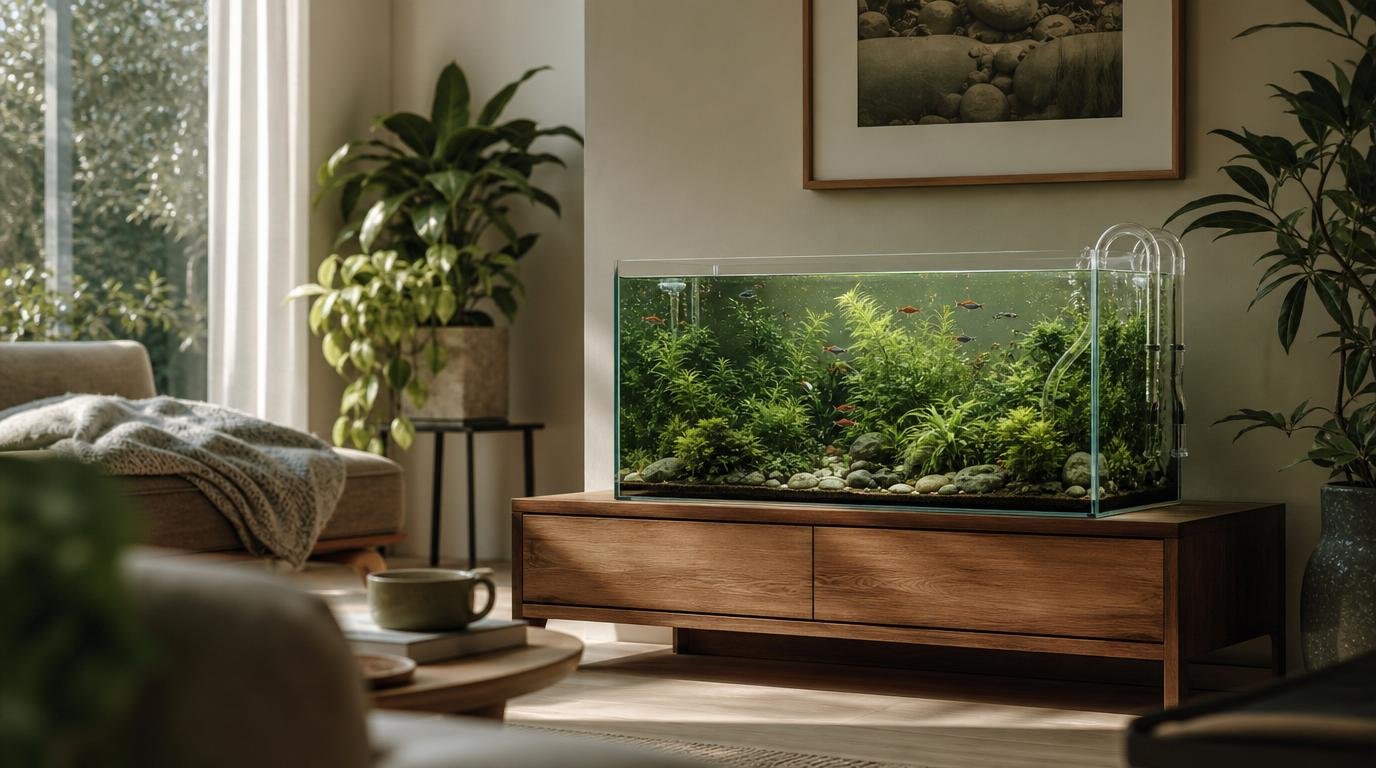 AQUARIUM
Best Aquarium Filters in Australia: Reviewed for 2026
A good filter is the quiet engine of a healthy tank. We compared the best for clear water, easy upkeep and every tank size.

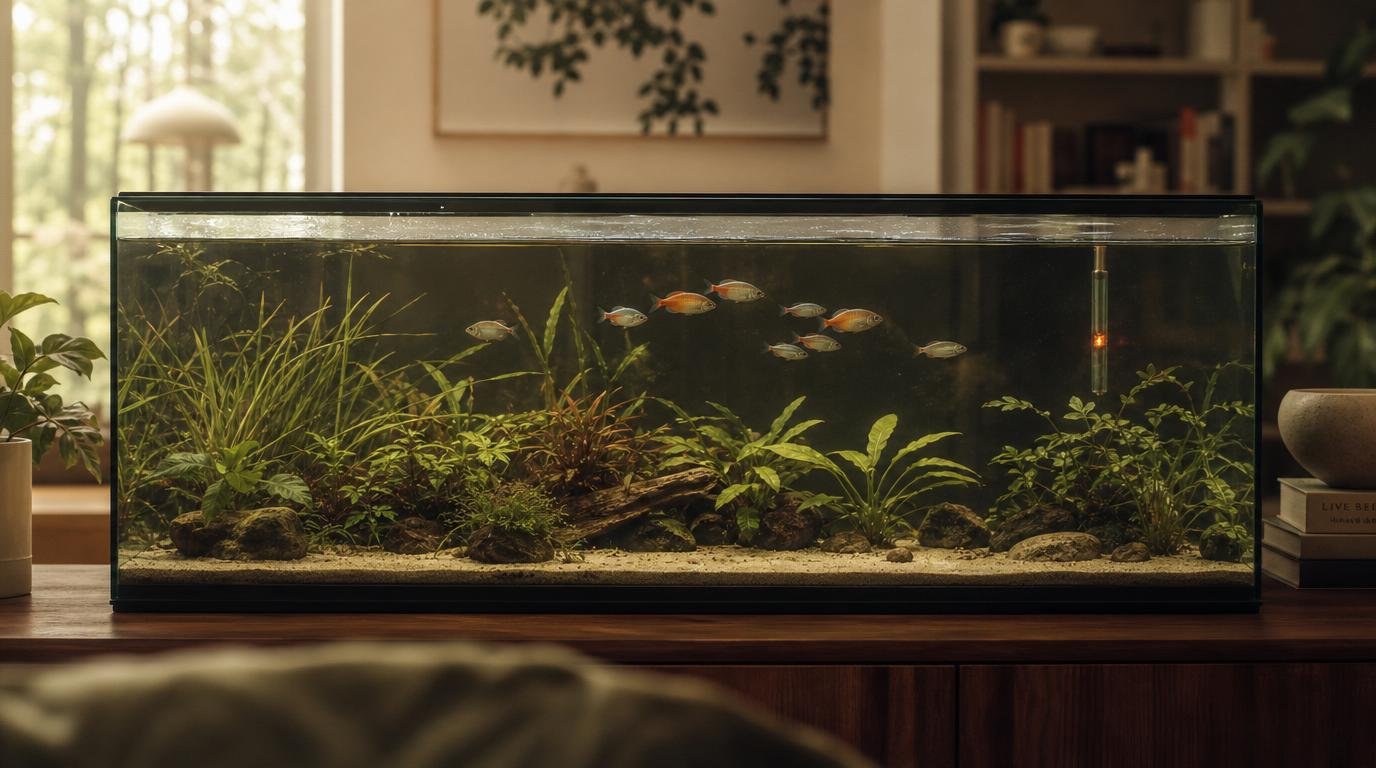 AQUARIUM
Best Aquarium Heaters in Australia: Reviewed for 2026
Stable warmth keeps tropical fish thriving through an Aussie winter. We found the most reliable, accurate heaters for your tank.

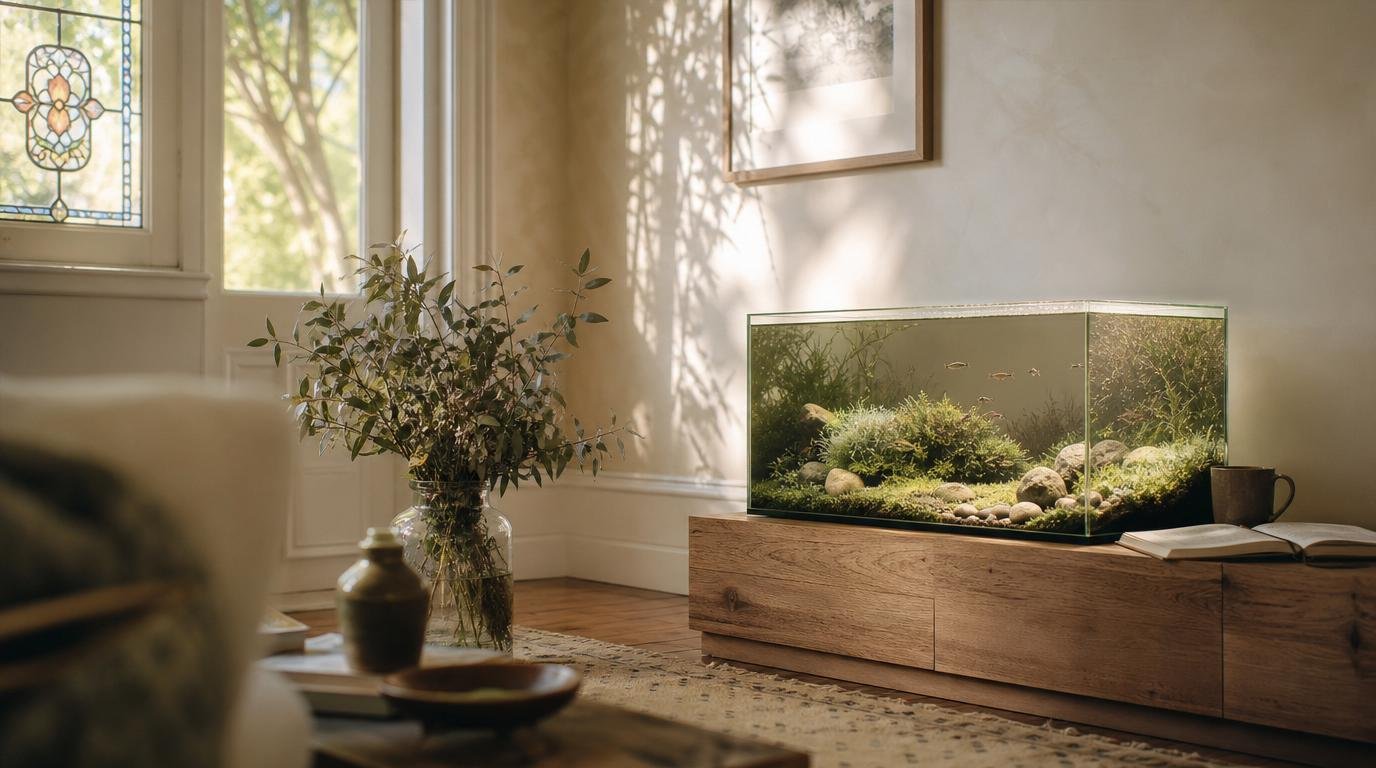 AQUARIUM
Best Beginner Freshwater Fish in Australia – Your Complete Guide
Some fish forgive a first-timer's mistakes; others don't. These are the hardiest, friendliest freshwater starters for an Aussie tank.