Dogs | Grooming
Cordless vs Corded Dog Clippers: Which Suits Your Dog’s Coat?
Standing in front of a wall of dog clippers, the cordless-versus-corded question feels bigger than it is. The honest answer isn’t about which type is “better” — it’s about your dog. A wriggly Cavoodle who hates being held still has very different needs from a thick-coated Golden who needs a proper de-fluff before summer. The clipper that suits one can be the wrong call for the other. Power, weight, noise, battery life and how often you’ll actually groom at home all feed into the decision, and getting it right saves you money, frustration, and a few nicked ears.
The Upshot
Your dog’s coat — not the marketing — decides whether cordless or corded wins.
Cordless clippers win on freedom and quiet, which matters most for small, wriggly, or anxious dogs and quick tidy-ups. Corded models keep their power steady through thick, double, or matted coats and long sessions. Match the tool to the coat in front of you, not the spec sheet.
Best Cordless Clipper
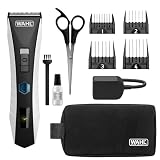
Wahl Lithium Ion Dog Hair Clipper
- Quiet, low-vibration operation
- Cuts through thick coats smoothly
- Higher upfront cost than budget options
See the full Product Guide: Best Dog Grooming Clippers Reviewed
Best Corded Clipper

Wahl KM Inspire Professional Clipper
- Salon-grade power for matted fur
- Surprisingly quiet for its size
- Can run hot with continuous use
See the full Product Guide: Best Dog Grooming Clippers Reviewed

Bruce, my Golden Retriever, taught me this the expensive way. The first clippers we bought were a sleek cordless pair that looked the part and promptly gave up halfway through his back end, leaving him with one tidy flank and one shaggy one for a fortnight. The problem wasn’t the brand — it was that a budget cordless motor was never going to power through a Golden’s dense undercoat in a single sitting. We’d matched the tool to the picture in our heads, not the dog on the floor.
That’s the trap with clippers. The marketing leans hard on convenience and cordless freedom, which are lovely things — but they only matter once the clipper can do the job your dog’s coat demands. Below, we’ll walk through how the two types really differ, which coats suit which, and how to get a comfortable, safe groom at home without overspending on features you’ll never use.
Quick Takeaways
The five things worth remembering. Scroll across to read all five.
Coat comes first
Thick, double, or matted coats need the steady torque a corded clipper holds all session. Fine, short, or single coats are easy work for either type, so other factors can decide.
Cordless buys freedom
With no cord to steer around legs, faces, and paws, cordless clippers shine on small, fidgety, or anxious dogs and quick tidy-ups. The trade-off is a battery that drains mid-groom.
Mind the blade heat
Metal blades warm up the longer and faster they run, and a hot blade can burn skin quickly. Pause often, test the blade against your wrist, and rest or swap it when it heats up.
Quiet keeps them calm
A loud motor can turn grooming into a wrestling match. Quieter clippers help nervous dogs settle, but every dog still needs a slow, treat-led introduction before the blade touches them.
Cheap clips, pricey lasts
Budget clippers cut perfectly well; their plastic parts just wear sooner. Professional corded units cost more upfront but run for years. Match the spend to how often you’ll really groom at home.
What sets cordless and corded clippers apart
Strip away the branding and the difference between the two comes down to one thing: where the power comes from, and how steady it stays. A corded clipper draws constant mains power, so its motor holds the same torque from the first minute to the last — useful when you’re working through a dense coat that fights back. A cordless clipper runs off a battery, which gives you total freedom to move but also means the power can taper as the charge drops, and the motor is usually a little less grunty to begin with.
Weight and balance differ too. Cordless models tend to be lighter and better balanced in the hand, which makes fiddly work around the face and paws easier and far less tiring across a long session. Corded clippers can feel heftier, and the cord itself takes a bit of choreography to keep clear of legs and tails as your dog shifts about. Neither is a dealbreaker on its own — it’s just the daily reality of living with each one, and worth picturing before you buy.
| Cordless clippers | Corded clippers |
|---|---|
| Power can taper as the battery drains | Constant power, first minute to last |
| Light and nimble around faces and paws | Heavier, with a cord to manage |
| Limited by battery life per groom | Groom for as long as you need |
| Often the quieter option | Can run louder under load |
| Best for tidy-ups, small dogs, travel | Best for thick coats and full grooms |
Let your dog’s coat make the call
If you only weigh up one factor, make it the coat. It’s the single biggest predictor of whether a clipper will breeze through the job or stall halfway. Short, smooth, single coats — think a Staffy or a Kelpie — are low-resistance work, and almost any clipper, cordless or corded, will handle them happily. This is where convenience and noise can lead the decision, because power simply isn’t the bottleneck. If your dog has an easy coat, you’ve got the luxury of choosing on comfort and budget rather than grunt.
Wiry and silky coats sit somewhere in between. A terrier’s harsh coat is often hand-stripped rather than clipped, and clipping it can soften the texture over time, so it pays to know what your breed’s coat really wants before you reach for any clipper. Silky-coated breeds clip readily but show every uneven line, which rewards a steady hand more than a powerful motor. The point is that “thick” and “thin” only tell half the story — coat texture matters as much as coat density when you’re matching a clipper to the dog.
Thick double coats and curly, dense coats are a different story again. A Golden’s undercoat or a Cavoodle’s tight curls put real load on the motor, and a budget cordless unit can bog down, drag, and pull at the hair rather than cut it cleanly. For these coats, the steady torque of a corded clipper — or a higher-end cordless one with a stronger motor — earns its keep every single time. If you’ve got a doodle, our guide to grooming a Cavoodle at home walks through the clipper work in more detail.
Key Insight
Clipping a double-coated dog right down doesn’t keep them cooler. The coat insulates against heat as well as cold, so shaving it can expose skin to sunburn and change how the fur grows back. Tidy and thin, don’t shave to the skin.
Matted coats deserve special care. Tight mats sit close to the skin, and trying to power a clipper straight through them risks nicking, pulling, or burning. The RSPCA advises working mats loose gently, and bringing in a professional groomer or vet if a mat sits close to the skin or your dog is becoming distressed. No clipper, however powerful, is worth hurting your dog over — when a coat is badly matted, the kind thing is often to hand it to someone with the right tools and a steady hand.
When cordless clippers are the smarter buy
Power isn’t everything, and for plenty of households a cordless clipper is the better tool. If your dog is small, squirmy, or nervous, the freedom to move quickly and quietly around them matters more than raw grunt. There’s no cord to trip over when your dog decides to spin around mid-groom, and no tether keeping you from following them onto the couch to finish a paw. For a lot of owners, that ease is what turns grooming from a dreaded chore into a manageable ten minutes.
Cordless clippers also come into their own for the in-between jobs — a quick tidy of the sanitary area, the paw pads, or the face between full grooms. These are exactly the spots where a lighter, nimbler clipper and no trailing cord make life easier and safer. Many owners pair a modest cordless clipper for touch-ups with a trip to the groomer for the big seasonal de-shed, and that combination works beautifully without anyone needing a salon-grade machine at home.
Noise is the other quiet hero here. A clipper that hums rather than roars can be the difference between a dog who tolerates grooming and one who bolts at the first buzz. Quieter cordless models suit sound-sensitive dogs especially well, though no clipper is so quiet it skips the introduction step. Every dog deserves a slow, treat-led first meeting with the buzzing thing — let them sniff it switched off, then on, rewarding calm at each step — before it ever touches their coat.
Prep, blade heat, and a comfortable groom
Good clipping starts before the clipper does. A clean, fully dry coat clips far more smoothly than a damp or dirty one, which clogs the blade, drags on the hair, and makes the whole job harder on both of you. Bath first, dry thoroughly, then clip. A proper dryer makes this faster and gets right down to the skin on thick coats, so the clipper meets fluff rather than damp clumps — we’ve compared the options in our guide to dog hair dryers.
Once you’re clipping, the thing to watch is heat. Metal blades warm up the longer and faster they run, and friction does the rest, especially on dense coats. A hot blade can burn skin in seconds, often on sensitive areas like the belly and groin. Check the blade against your wrist regularly — if it feels too hot for you, it’s too hot for your dog — and keep a second blade or a cooling spray handy so you can swap one out and let the other rest.
None of this should put you off — clipping at home is well within reach for most owners, and it gets easier every time. The trick is to go slowly, take breaks, and stop the moment your dog stops coping. A groom you both get through calmly is worth far more than a flawless finish you fought for, and there’s always next week to even up the bits you missed.
Choosing a clipper without overspending
It’s easy to over-buy here. The marketing pushes high-spec professional units, but most owners doing tidy-ups and the occasional full groom don’t need a salon-grade machine. Be realistic about how often you’ll clip at home. If it’s a quick fortnightly neaten around the paws and face, a modest cordless clipper is plenty. If you’re taking on a thick-coated dog’s full groom yourself every few weeks, that’s when the steadier power and longevity of a corded or premium cordless unit start to pay for themselves.
A few specifics are worth checking before you commit. Battery life and run-time matter on cordless models — anything under an hour can leave you stranded mid-groom on a big dog. Blade quality matters more than almost anything else: ceramic or ceramic-coated blades stay cooler and hold an edge longer, and replaceable blades mean you’re not binning the whole clipper when they dull. It’s also worth checking that guide combs and spare blades are easy to buy separately, because a clipper you can’t get parts for becomes landfill the day its blade gives out. We’ve reviewed the field in our roundup of dog grooming clippers, which is a good place to see how these features stack up across price points.
Whatever you land on, buy for the coat in front of you and the grooming you’ll actually do — not the aspirational version where you become a home-grooming pro overnight. The right clipper is the one that finishes the job your dog needs, comfortably, every time you pick it up. Get that match right and the cordless-or-corded debate quietly sorts itself out.
FAQ
Are cordless clippers powerful enough for a thick coat?
It depends on the clipper and the coat. A budget cordless clipper can struggle with a dense double coat or tight curls, bogging down and pulling rather than cutting cleanly, especially as the battery drains. Higher-end cordless models with stronger motors can manage thick coats well, but if you’re regularly grooming a heavy-coated dog at home, a corded clipper’s constant power is the safer bet. For short or single coats, almost any cordless clipper has plenty of grunt.
Do professional groomers use corded or cordless clippers?
Most use both. Corded clippers are the workhorses for full grooms and thick or matted coats, where uninterrupted power matters across a long day. Cordless clippers come out for finishing work, faces, paws, and nervous dogs, where freedom of movement and quieter operation help. For a home groomer, that same logic applies: pick based on the job, and there’s no rule against owning one of each if your grooming load justifies it.
Why do clipper blades get hot, and is that a problem?
Blades heat up from friction as they run, and the longer and faster they go, and the denser the coat, the hotter they get. It matters because a hot blade can burn your dog’s skin quickly, particularly on thin-skinned areas like the belly and groin. Check the blade against your wrist often while you work; if it feels too hot for you, it’s too hot for your dog. Pause to let it cool, use a cooling spray, or swap to a second blade.
Can I use one clipper for both the body and the paws?
Often yes, by changing the blade or guard rather than the clipper. A longer guard suits the body, while a shorter blade handles paws, faces, and sanitary trims. That said, many owners find a lighter cordless clipper easier and safer for the fiddly bits, and reserve a more powerful clipper for the body. If you’re only buying one, a versatile clipper with interchangeable guards covers most jobs.
How often should I replace clipper blades?
There’s no fixed schedule; it comes down to how much you use them and how well you maintain them. Blades that pull, tug, leave uneven lines, or get hot faster than usual are telling you they’re dull. Cleaning and oiling blades after every groom extends their life considerably. Ceramic and ceramic-coated blades tend to hold their edge longer than all-metal ones, but every blade dulls eventually and is worth replacing once it stops cutting cleanly.
Final thoughts
Bruce’s lopsided fortnight cured me of buying clippers based on how clever they looked. These days I think about the coat first, the dog’s temperament second, and the spec sheet a distant third — and grooming at home is calmer for it. If you’ve got a thick- or curly-coated dog and you plan to do the full job yourself, lean towards corded or premium cordless power. If your dog is small, jumpy, or you’re mostly doing touch-ups between groomer visits, a quiet cordless clipper will make everyone’s life easier. Either way, go slowly, keep an eye on that blade, and stop when your dog has had enough. A good groom is the one you both walk away from happy — and if a coat ever feels beyond you, there’s no shame at all in handing it to a pro.
We Think You’ll Also Like These Guides
 DOG
DOGBest Dog Detangling Spray in Australia: Ultimate Product Review
Knots and mats make grooming a battle. The right detangler glides the brush through — we found the gentlest, most effective sprays.

 DOG
DOGBest Dog Grooming Clippers Reviewed: Ultimate Australian Owners Guide
At-home clipping saves money and stress — with the right tool. We tested the best clippers for quiet power and every coat type.
 DOG
DOGBest Dog Grooming Kits in Australia: Complete At-Home Bundles
Everything you need to groom at home, in one go. We compared the best all-in-one kits for value, quality and ease.
