Housing | Small Pets
Best Guinea Pig Cages & Hutches in Australia: Reviewed for 2026
Most of the cages marketed for guinea pigs in Australian shops are too small — and the welfare guidance is clear that floor space, not vertical bars, is what matters. The RSPCA’s housing guidance recommends a pair of cavies gets at least 2m by 0.5m, and bigger is always better. We’ve sorted through what’s actually stocked and shipping in Australia and picked four — a modular two-storey C&C playpen for the gold standard, a self-contained metal cage for small spaces, a weatherproof outdoor hutch for backyard setups, and a budget kit that doesn’t skimp on safety.
Best Overall

SONGMICS 2-Floor Metal Pet Playpen, 36 Grid Panels
- Two-storey floor space
- Reshape the layout anytime
- Mat sold separately
Best for Small Spaces

i.Pet 88cm Detachable Cage with Wheeled Stand
- Wheels under the base
- Top lifts off in seconds
- Tight for two pigs
Best Outdoor Hutch

PawHub Large Wooden Multi-Level Hutch
- Treated waterproof fir
- Bedroom plus ground run
- Heavy once assembled
Best Budget Pick

XiaZ Guinea Pig C&C Cage with PVC Liner
- Washable PVC liner
- Quick tool-free setup
- Snug for paired piggies

Guinea pigs are floor-dwellers, not climbers, so the right enclosure prioritises a wide solid base over fancy ramps and levels. The four picks below cover the realistic options for Aussie homes — modular indoor C&C, single-piece metal cage, weatherproof outdoor hutch, and an affordable starter kit that still meets the basics.
What to look for in a guinea pig cage
Five things we weigh before recommending any cage or hutch for an Aussie guinea pig setup — scroll through the cards.
Floor space
Guinea pigs need a wide, flat footprint — one pig wants at least 0.75 square metres of solid floor, a pair wants at least one square metre. Height beyond around 40cm is mostly wasted on a species that doesn’t climb.
Solid flooring
Wire floors cause pododermatitis, a painful and progressive foot infection. Look for a solid plastic tray, a PVC liner, or a fleece-over-coroplast base — never bare wire under the feet, regardless of how the cage is marketed.
Cleanability
You’ll be cleaning the enclosure two or three times a week. Slide-out trays, washable PVC liners and detachable tops cut the weekly job down to minutes — and that determines whether the routine survives the first month.
Climate-ready build
Indoor cages need airflow without draughts. Outdoor hutches need treated weatherproof timber, a real slope roof, deep shade, and predator-proof latches that handle Aussie heat and the occasional curious fox or dog.
Layout flexibility
A modular grid system lets you add panels as the pigs settle in or as you adopt a third. Fixed single-piece cages have their place — usually for renters or smaller rooms — but they cap you at whatever floor space you bought.
At a glance
Our top four picks compared — specs, prices, and our one-line take on each.
| Rank | Product | Best for | Key feature | Approx. price | Check price link |
|---|---|---|---|---|---|
| Best Overall |  | Paired pigs needing real floor space | Two-storey 36-panel grid with 2.5cm safe mesh and ABS connectors. | ~$60–$80 AUD | Check price |
| Best for Small Spaces |  | A single pig in a small space | Powder-coated metal cage with detachable top and rolling base. | ~$80–$100 AUD | Check price |
| Best Outdoor Hutch |  | Shaded backyard housing | Treated fir wood with hinged asphalt slope roof and separate bedroom. | ~$115–$135 AUD | Check price |
| Best Budget Pick |  | First-time owners on a budget | Twelve coated steel panels with a 600D Oxford and PVC waterproof base. | ~$55–$65 AUD | Check price |
Our picks in detail
What we love, what to watch out for, and who each pick really suits.
Best Overall: SONGMICS 2-Floor Metal Pet Playpen, 36 Grid Panels
Bottom line — a modular two-storey wire-grid setup that finally gives a pair of guinea pigs the floor space welfare guidelines actually call for.
The SONGMICS 2-Floor Playpen is a thirty-six-panel C&C-style enclosure that builds out to a 123 by 63cm two-storey footprint, held together with forty ABS connectors and a hundred cable ties. The mesh spacing is 2.5cm — narrow enough that small feet can’t get stuck, wide enough for proper airflow — and the kit ships with non-slip felt pads and a rubber mallet for tapping the ABS joints into place. SONGMICS is the most established small-pet pen brand stocked locally, so panel-replacement kits are easy to source if a section ever gets damaged.
What makes this our top pick is the layout flexibility. You can stretch the panels into a wide single-level setup for one pig, build the two-storey version for paired piggies, or reshape it around a room divider — and reconfigure later without buying anything new. The trade-offs are real: there’s no included floor mat, so a coroplast base or a guinea pig fleece liner sits in your second order, and the panel-by-panel assembly is fiddly the first time. We’d reach for this for a pair of cavies in a dedicated room or laundry corner where layout will evolve as the pigs do.
| What we love | Areas for improvement |
|---|---|
|
|
Best for Small Spaces: i.Pet 88cm Detachable Cage with Wheeled Stand
Bottom line — a self-contained metal cage that rolls between rooms and lifts apart in one move for a proper clean, handy for renters and single-pig setups.
The i.Pet 88cm Detachable Cage is a 79 by 46cm single-piece metal enclosure with a powder-coated frame, a durable plastic base, and a wheeled stand that lets the whole thing roll between rooms. The top lifts straight off the base in one move, which is rare at this size and the single best argument for it — weekly cleans are a five-minute job instead of a forearm workout. Double doors on the front and side make daily feeding and lap-time pickups easy, and the build is squared up and stable enough that it doesn’t wobble when a pig pops on the food bowl.
The footprint sits at the bottom end of the welfare range for a single pig and is genuinely tight for a pair, so if you’re planning to adopt cavies in their natural pair you’ll outgrow this within months. We’d choose it for a renter with one pig who needs the cage to move with them, or as a temporary travel-ready setup before a permanent C&C build. Keep it out of direct sun — the metal frame holds heat — and pair it with a fleece liner over the plastic tray to absorb urine and keep noise down on hard floors.
| What we love | Areas for improvement |
|---|---|
|
|
Best Outdoor Hutch: PawHub Large Wooden Multi-Level Hutch
Bottom line — a treated-timber outdoor hutch with a proper bedroom level and a slope roof, the right shape for backyard piggies in Aussie weather.
The PawHub Large Wooden Hutch is built from treated fir wood with powder-coated mesh wire — TUV approved, advertised as waterproof and anti-termite, and topped with a hinged asphalt-shingle slope roof that sheds rain properly. The layout matters here: there’s a ground-level run for grazing and pottering, an enclosed upper bedroom for sleeping and hiding, and an internal foldable ramp that connects the two. Two mesh-wire doors and a wooden door cover almost every angle, so feeding, picking pigs up, and cleaning are all reachable without contortion.
Outdoor housing in Australia asks more from a hutch than in cooler climates, and this one’s shape helps — the slope roof keeps water off, the upper bedroom doubles as a heat retreat in cooler months, and the latched doors are firm enough for everyday predator deterrence. Caveats: it’s heavy once assembled, so pick the final spot before you build it; the timber benefits from a wildlife-safe re-seal every couple of years to extend the life; and you’ll want to add insect-grade mesh to any gaps if you back onto bushland. We’d put it in a shaded corner under a verandah or shade-cloth rig — never full-afternoon western sun.
| What we love | Areas for improvement |
|---|---|
|
|
Best Budget Pick: XiaZ Guinea Pig C&C Cage with PVC Liner
Bottom line — an entry-level C&C kit with a properly washable PVC base, the easiest cheap setup to keep clean without dropping safety standards.
The XiaZ C&C Cage builds out to 122 by 61cm with twelve coated-steel panels at a safe 1.8cm wire spacing — narrow enough to stop feet getting through, generous enough for airflow. The standout feature at this price is the included PVC liner: a 600D Oxford outer with a thickened PVC inner, reinforced at the bottom corners, that wipes clean with a damp cloth and survives a proper wash without splitting. The one-hand release hooks pop open the door without faffing with Velcro, and fifty black cable ties come in the box for shoring up any panel joint that needs extra rigidity.
This is the right kit for a first-time owner who wants a complete starter setup without spending big — the PVC liner alone usually runs half the cage’s price as an add-on for other C&C kits. The trade-off is footprint: at one square metre it’s the welfare minimum for a single pig and snug for a pair, so plan on adding extension panels (the XiaZ panels match the SONGMICS sets) within the first year if you adopt two. There’s no roof, which is fine indoors but rules it out for any setup with curious cats or dogs in the same room.
| What we love | Areas for improvement |
|---|---|
|
|
FAQ
How big should a guinea pig cage be?
Can guinea pigs live outside in Australia?
Should I avoid wire-bottom cages?
Indoor or outdoor — which is better?
How often should I clean a guinea pig cage?
Final thoughts
Most of the regret I see in new guinea pig owners comes back to the same mistake: buying the cage the shop pushed at them and finding out six months later it’s too small, too hard to clean, or both. Floor space is the buying decision that matters — get that right and the rest tends to follow. If you’ve got room and you want the setup to grow with the pigs, the modular C&C route wins comfortably. If you’re renting or the pigs need to share a small space with you, a single-piece cage on wheels is the honest answer. And if they’re going outside, take the weather and the shade seriously before you take the price seriously. We’ve covered the practical side of housing here, but the rest of looking after cavies in an Aussie home — diet, pairing, vet care — sits in our beginner’s guide if you’re just starting out.
We Think You’ll Also Like These Guides
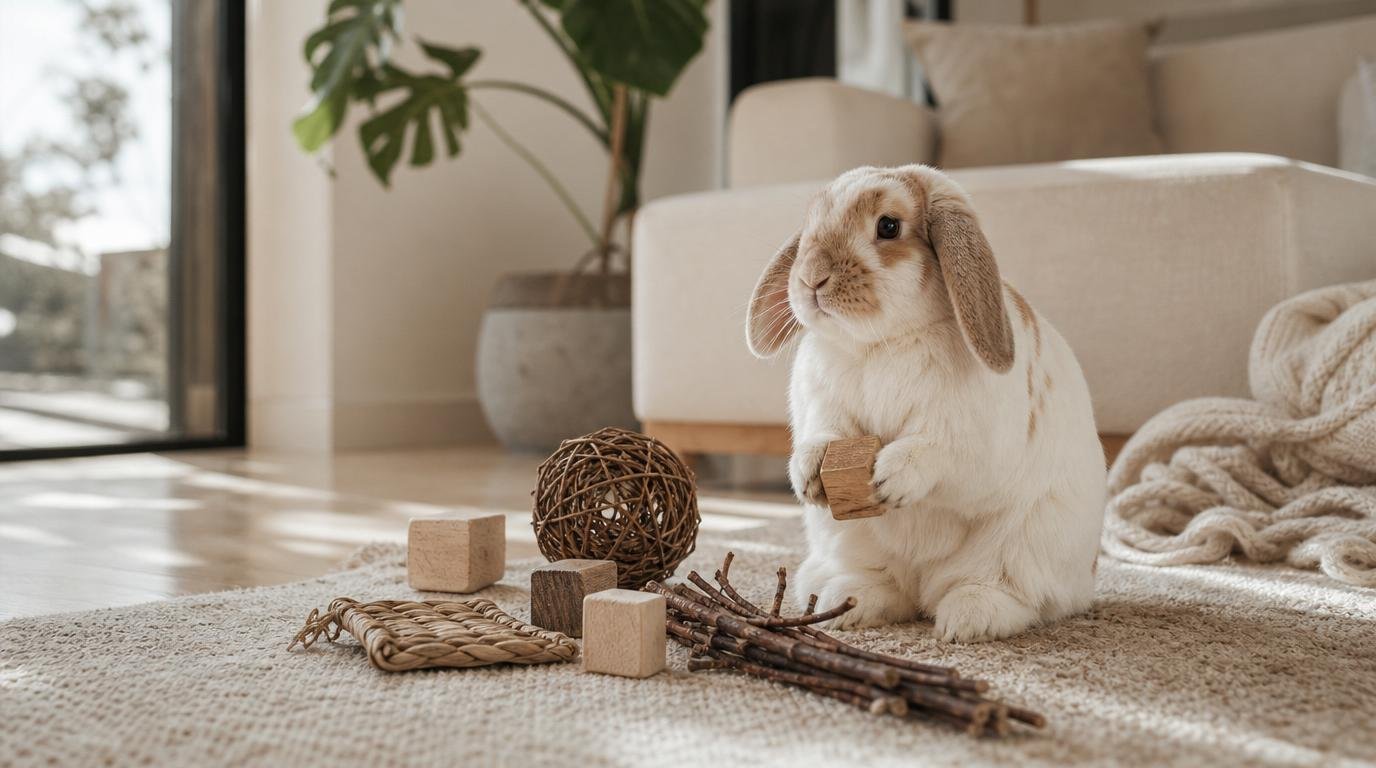 SMALL PETS
Best Chew Toys for Rabbits in Australia: Reviewed for 2026
Chewing keeps rabbit teeth healthy and minds busy. We found the safest, most loved chew toys for happy buns.

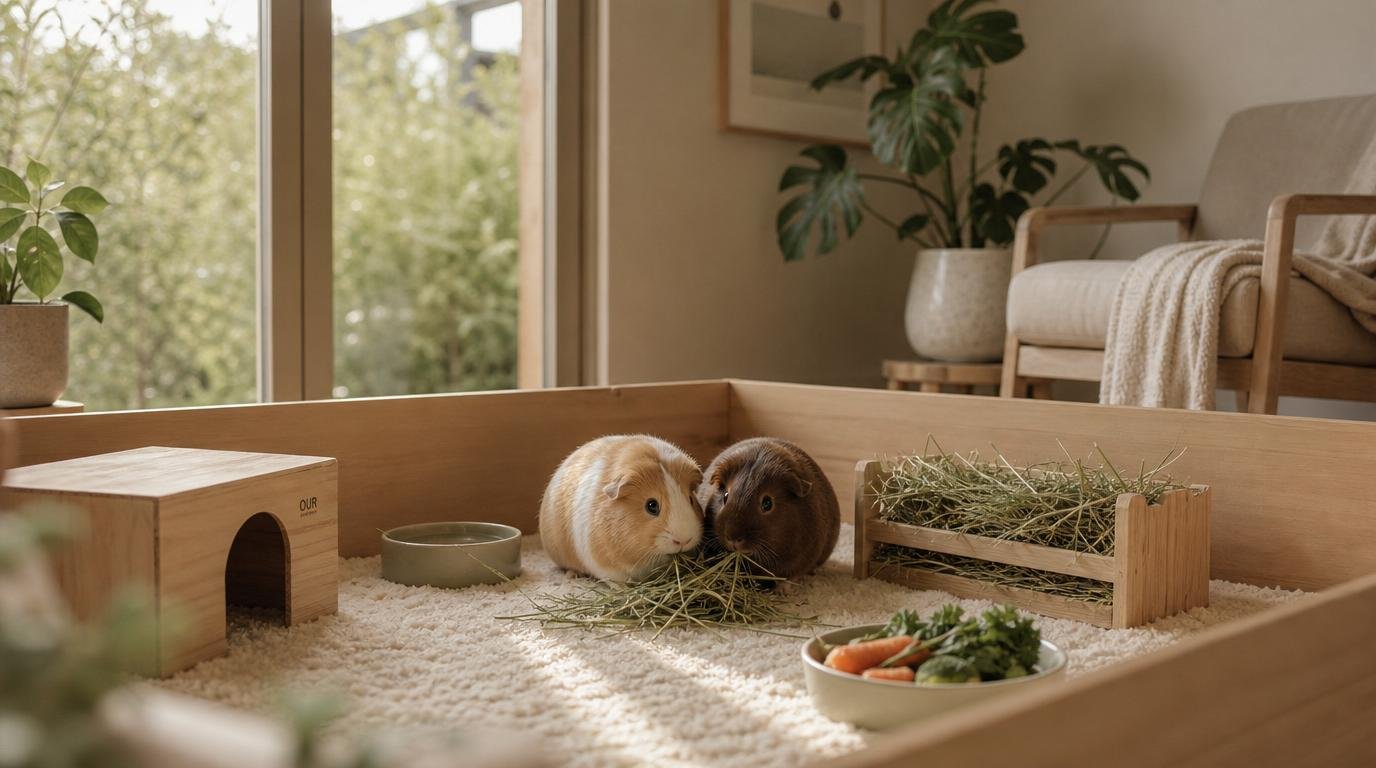 SMALL PETS
A Complete Beginner’s Guide to Guinea Pig Care in Australia
New to guinea pigs? Get the essentials right from day one — housing, diet, company and health — with this beginner's guide.
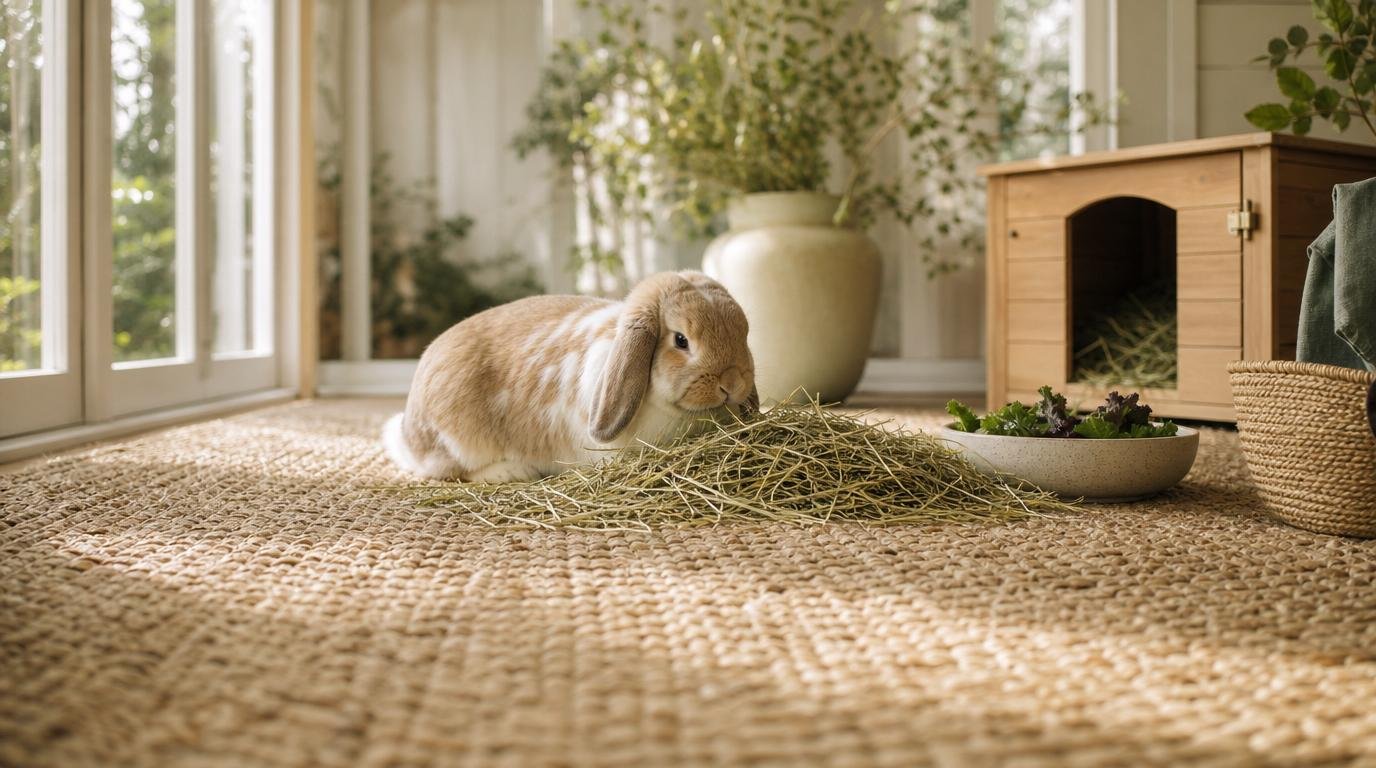 SMALL PETS
Rabbit Care for Beginners in Australia: Diet, Housing & Health Essentials
Rabbits are wonderful but widely misunderstood pets. Here's the beginner's guide to diet, housing and health, done right.
